Spanish oncologist Juan Felipe Córdoba regularly uses social media to share health advice, particularly regarding cancer prevention. In his posts, he highlights five groups of products that he believes should be avoided due to the potential increase in the risk of developing malignant diseases.
Cancer occurs when abnormal cells begin to divide and spread uncontrollably, and its development can be influenced by lifestyle habits, including diet. Córdoba lists ultra-processed food, including industrial pastries and shop-bought cakes, as the top risk. This type of food is often linked to excess body weight and obesity, which is a known risk factor for several types of cancer.
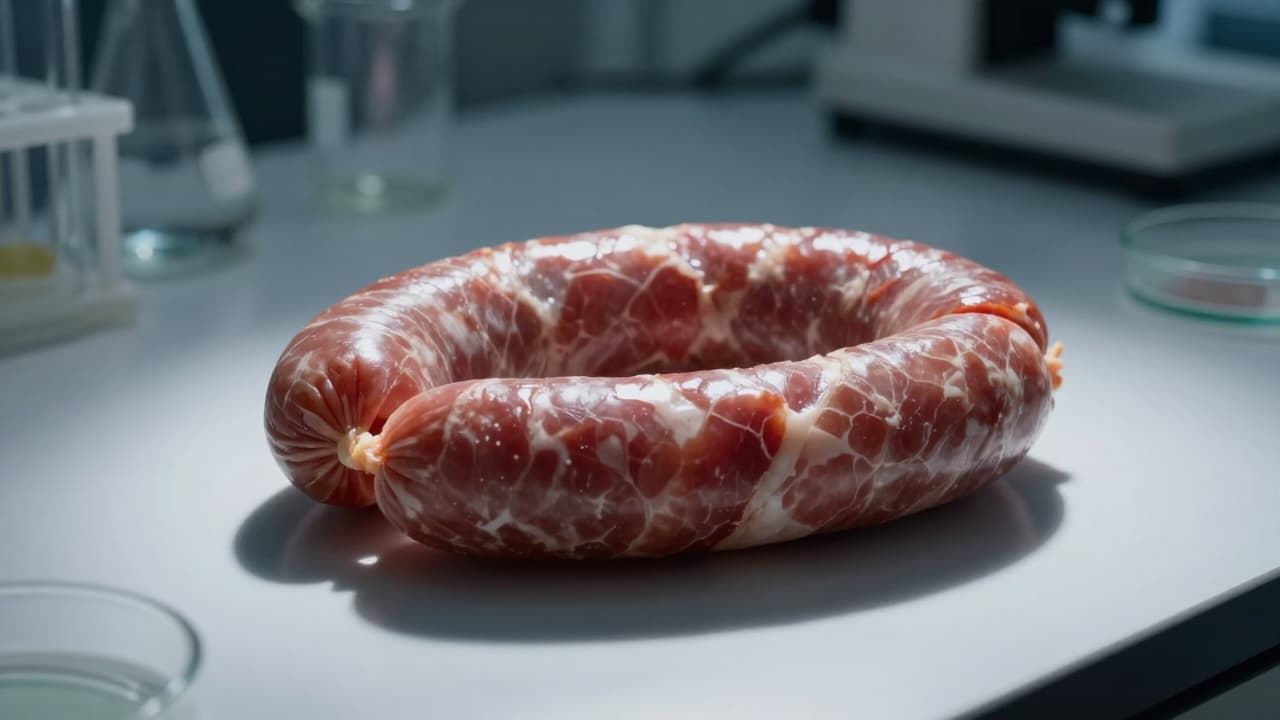
The second group of products consists of processed meat and cured meats such as sausages, salami and bacon. The World Health Organization has classified processed meat in the first group of carcinogenic substances, and its consumption is linked to the development of colorectal cancer.
In third place are cigarettes, tobacco products and electronic cigarettes, also known as vapes. Smoking is scientifically confirmed as a cause of numerous malignant diseases, including lung cancer. Although e-cigarettes are not harmless, the long-term risks of their use have not yet been fully clarified, and there is insufficient evidence that they are as risky as conventional cigarettes.
The fourth group mentioned by Córdoba consists of soy-based dietary supplements with high concentrations of isoflavones, plant oestrogens that are linked to breast cancer. He does not mean common soy foods such as tofu, soy milk or edamame.
The fifth group is alcohol and its consumption. Alcohol can increase the risk of developing several types of cancer, including cancer of the oral cavity, oesophagus, larynx and liver. The risk can increase even with small amounts of alcohol, and there is no completely safe level of consumption regarding cancer risk.
With this advice, Juan Felipe Córdoba aims to raise awareness of the importance of dietary and lifestyle choices in cancer prevention and to encourage reflection on daily habits that can affect health.