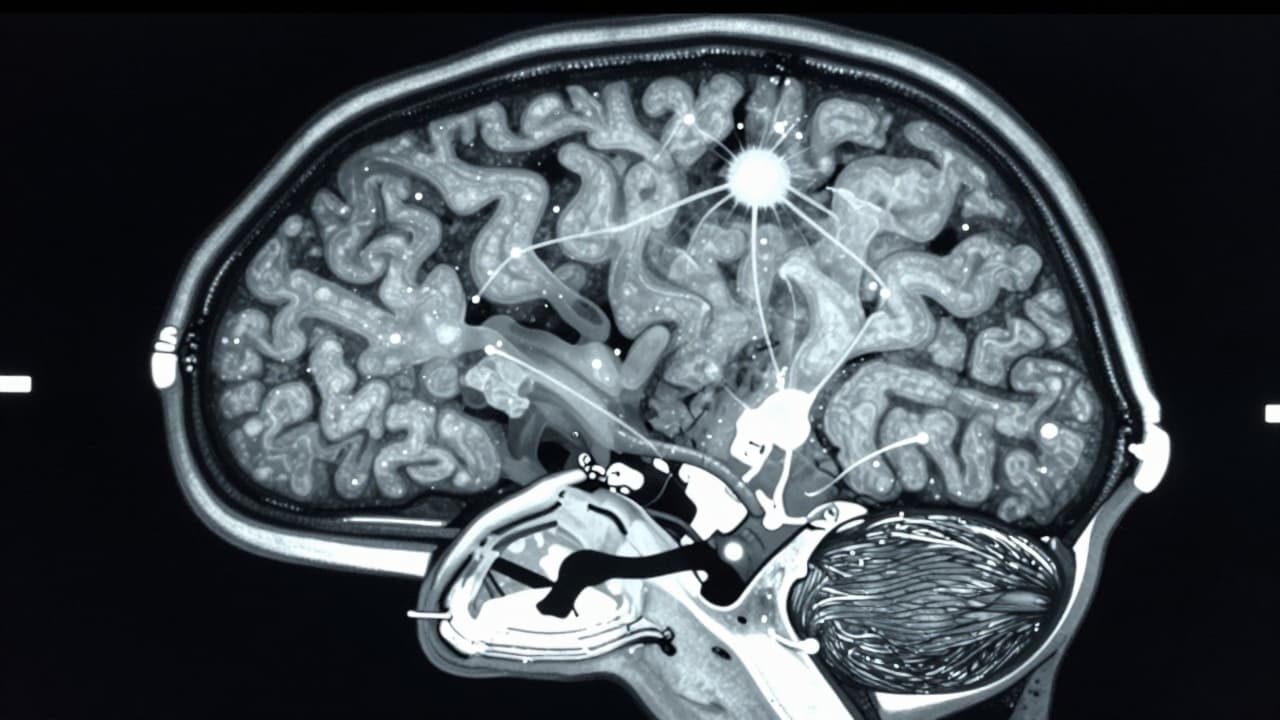
Canadian researchers have found that long COVID causes a measurable loss of dopamine nerve endings in the brain. The team analysed brain scans obtained via positron emission tomography (PET) to precisely determine the extent of the damage. The study included 24 adults diagnosed with long COVID and 24 healthy individuals of similar age who served as a control group.
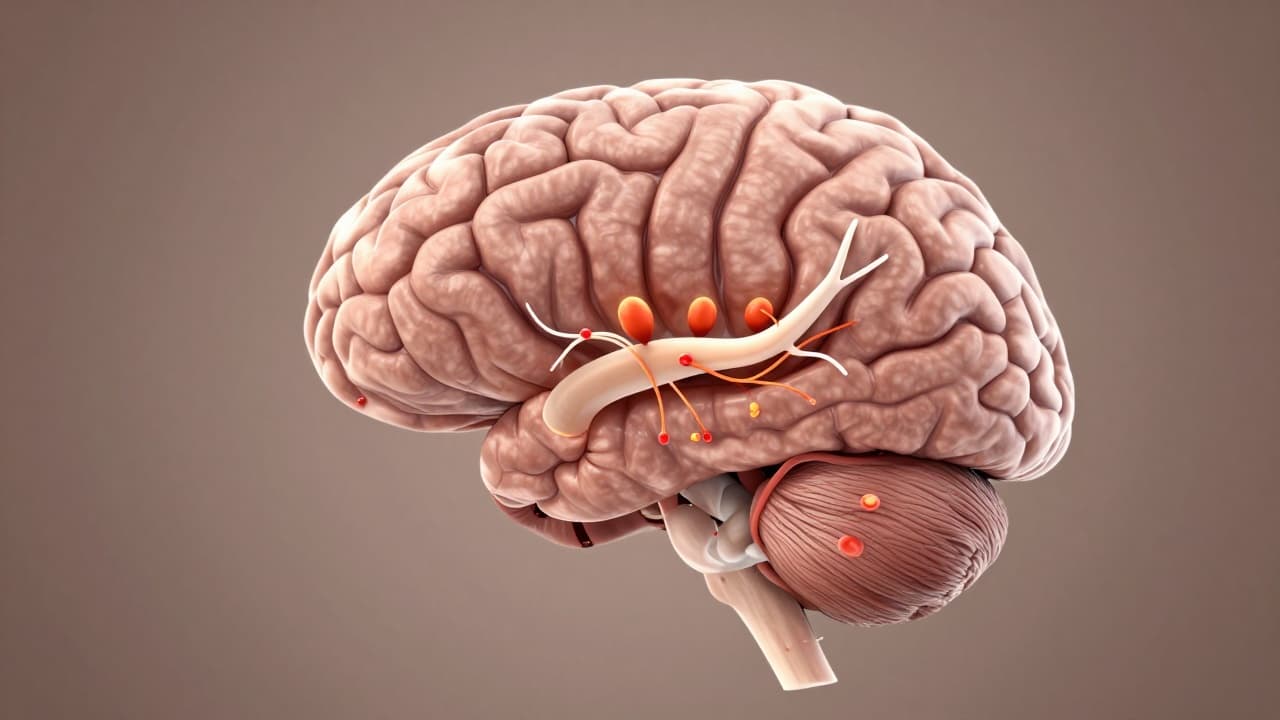
Researchers measured the level of loss in the striatum, a region in the centre of the brain that controls movement and motivation. Participants were injected with tracers that bind to the protein VMAT2 (vesicular monoamine transporter 2), which is expressed by dopamine nerves. People with long COVID had lower levels of this marker compared to healthy individuals, indicating a reduced number of functional nerve endings.
People who developed long-term apathy and depression after the infection had approximately 18 per cent less dopamine nerve endings in their brains than healthy individuals. This loss explains key symptoms such as apathy, depression, and memory problems. Dopamine is a neurotransmitter essential for controlling movement and motivation, and its reduction directly affects cognitive function.
It is notable that healthy individuals who had recovered from COVID-19 had fewer dopamine nerve endings than those who had not been infected with the virus. This suggests that the infection leaves a lasting mark on the nervous system even in those who did not experience severe symptoms.
COVID-19 can cause damage to the brain that is visible on scans for years after infection in people with the neurological symptoms of long COVID. The loss of nerve endings that transmit dopamine may contribute to the development of neurodegenerative diseases, further highlighting the importance of understanding the long-term consequences of the infection.