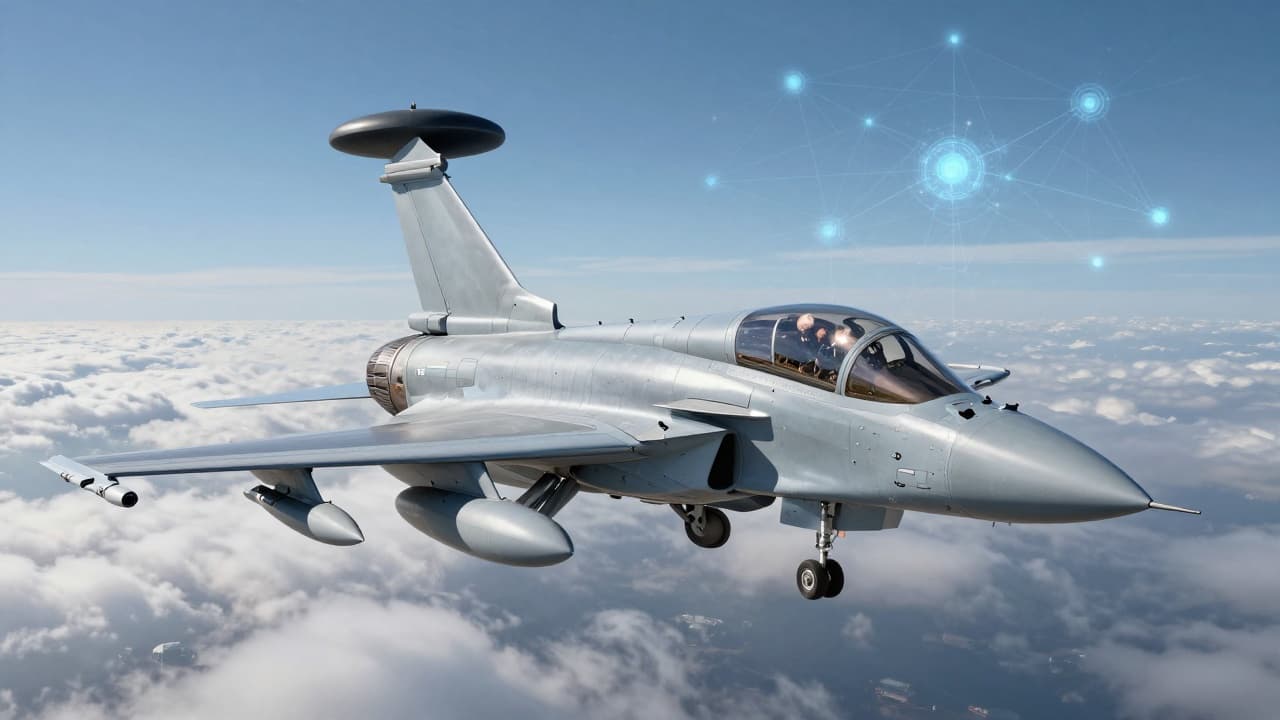
Swedish defence company Saab has officially presented its artificial intelligence agents, which have been successfully tested in flight on the Gripen E multirole combat aircraft. The company conducted test flights with the agents in beyond-visual-range combat conditions, during which the agents independently controlled the aircraft in simulated air combat scenarios.
The agents' operations involved targets that were detected and tracked exclusively by radar systems. The entire development, training and testing of the agents was carried out within Saab's advanced programmes business unit, and these systems have been tested on the Gripen E for approximately two years.
Saab states that the future of air combat will not be defined by individual platforms operating in isolation, but by networked manned and unmanned systems working in coordination. Full control over the entire technological system allows the company precise oversight of the agents' operation, verification and further development. According to the company, the systems are ready for operational use in fighters or autonomous unmanned aircraft, and deployment in the Swedish Air Force is expected within a few months to a few years.
The core of these activities is Saab's AI pilots academy, where agents are trained in simulated environments through millions of hours of virtual flight. During simulations, every action is continuously evaluated against defined objectives, enabling the agents to explore tactical options and make decisions far beyond the capabilities of any human pilot.
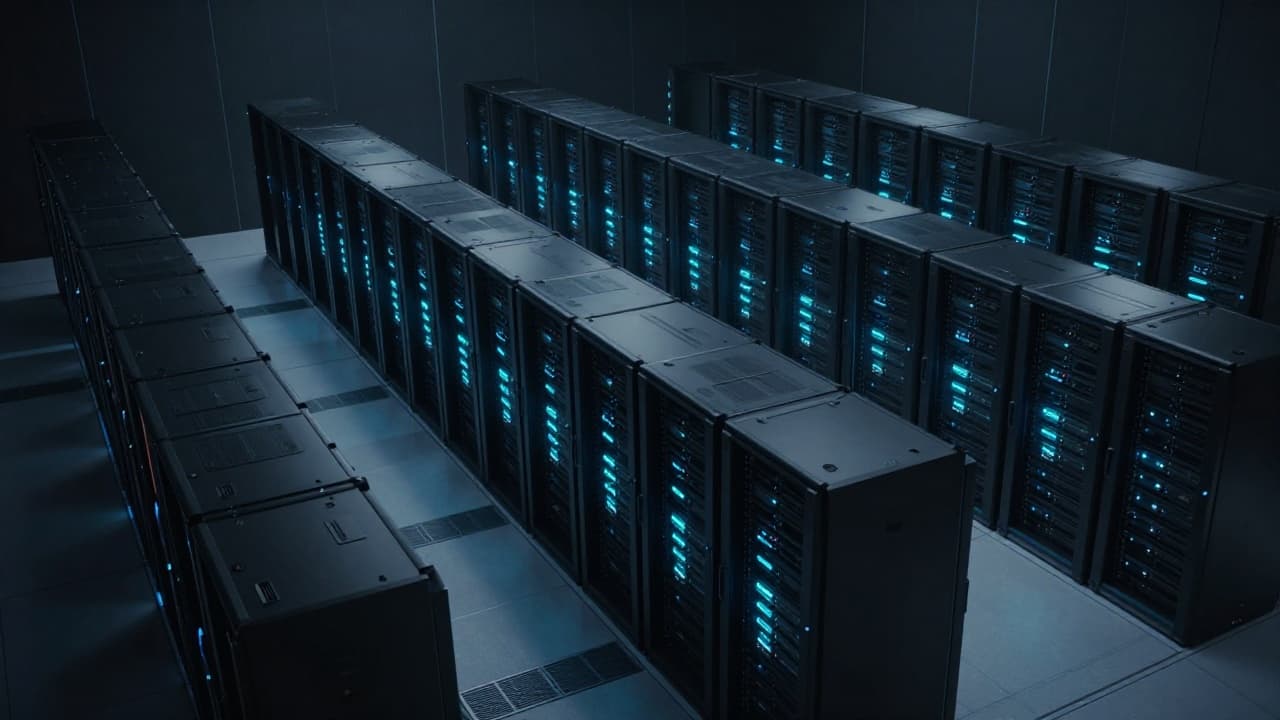
The expansion and scaling of agent training relies on the Swedish national initiative Sferical AI, of which Saab is a co-founder. The initiative provides secure computing capacity for advanced artificial intelligence development, and the system is based on a supercomputer with 1,152 Nvidia graphics processing units. This enables the execution of one billion simulated one-hour test flights within just one hour, whereas previous systems based on classic processors achieved around 1,200 simulations per hour. The new computing infrastructure thus enables significantly faster learning and testing.
The advanced architecture of the Gripen E separates control units from mission software. Thanks to this, new solutions were tested without the need for dedicated experimental aircraft, significantly shortening development cycles. Saab emphasises that safety and oversight are built into the development process from the very beginning.