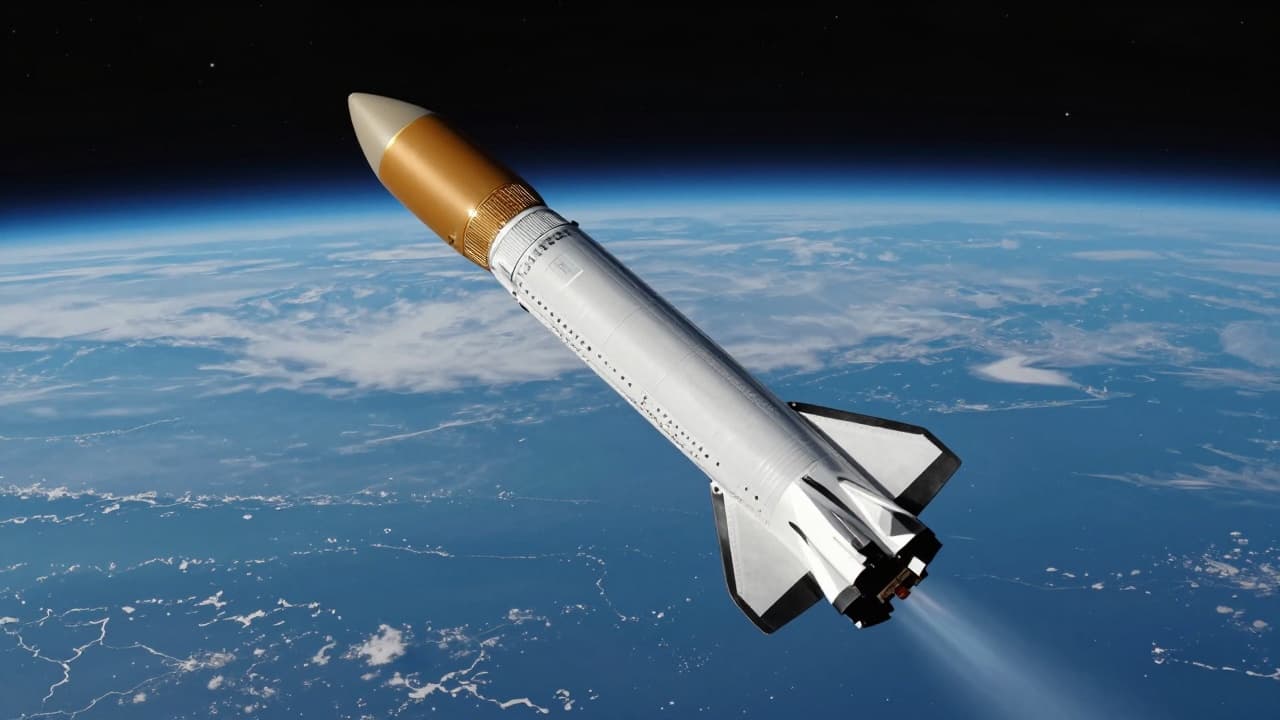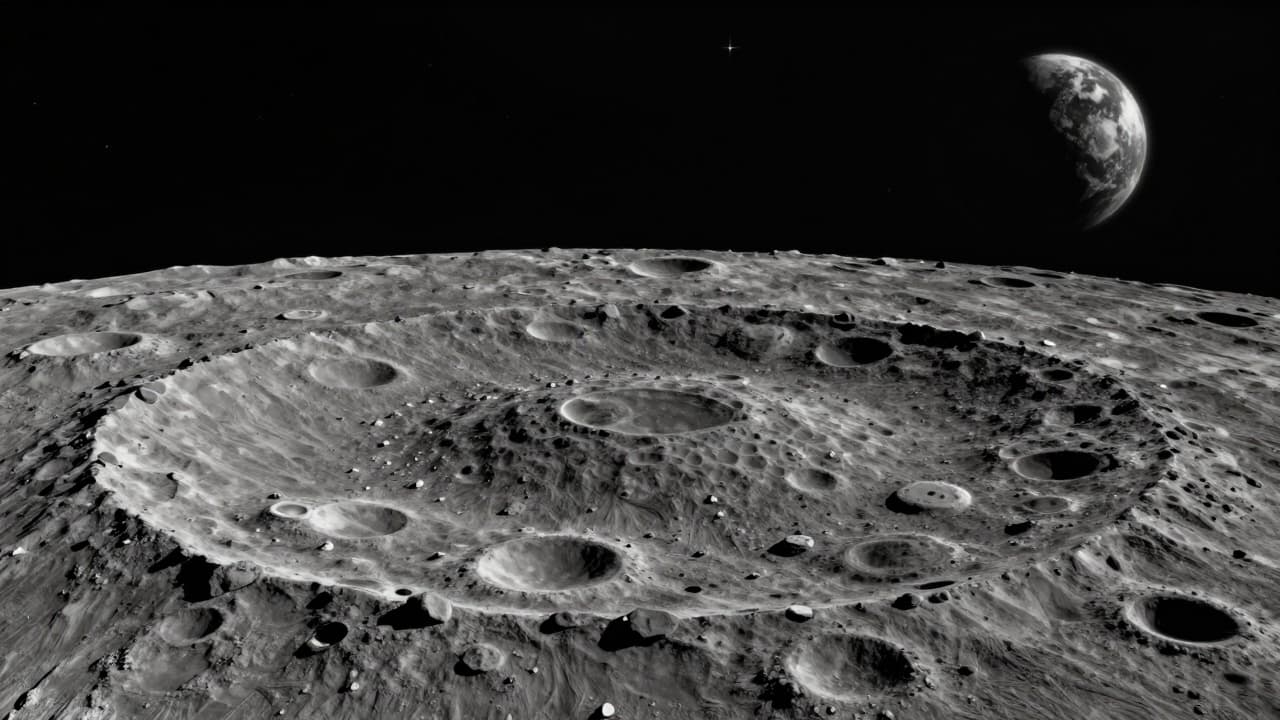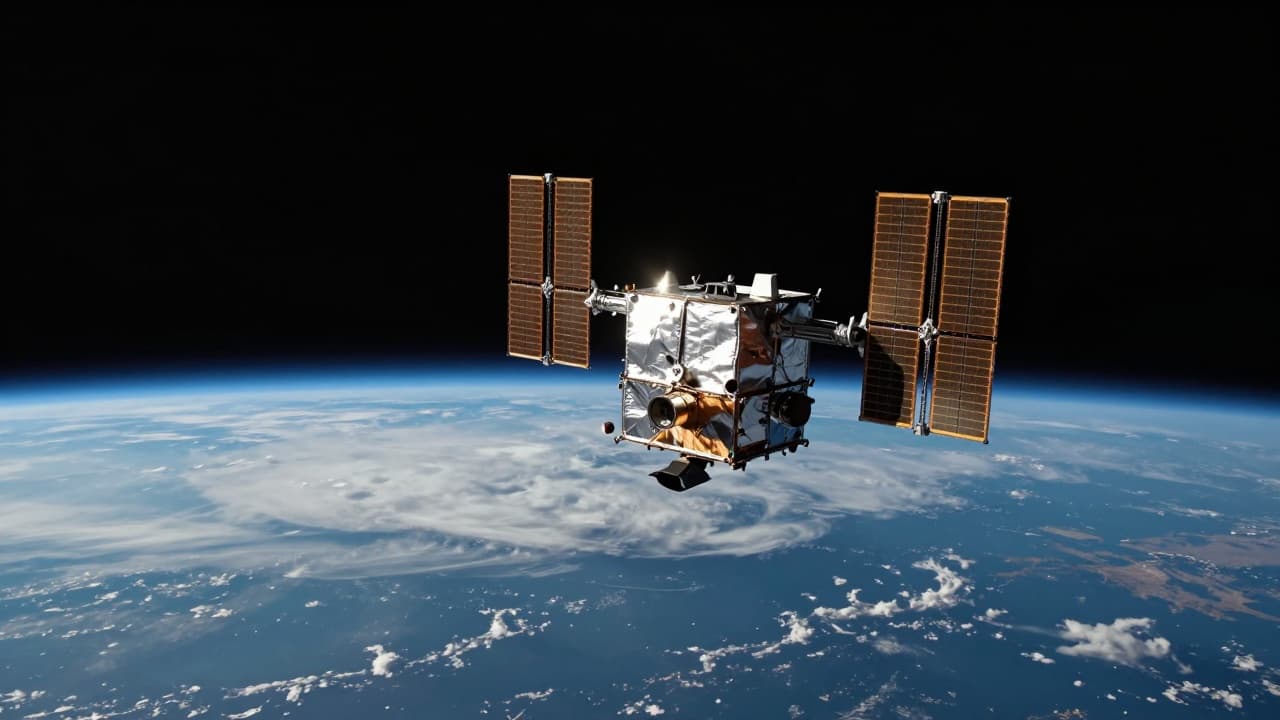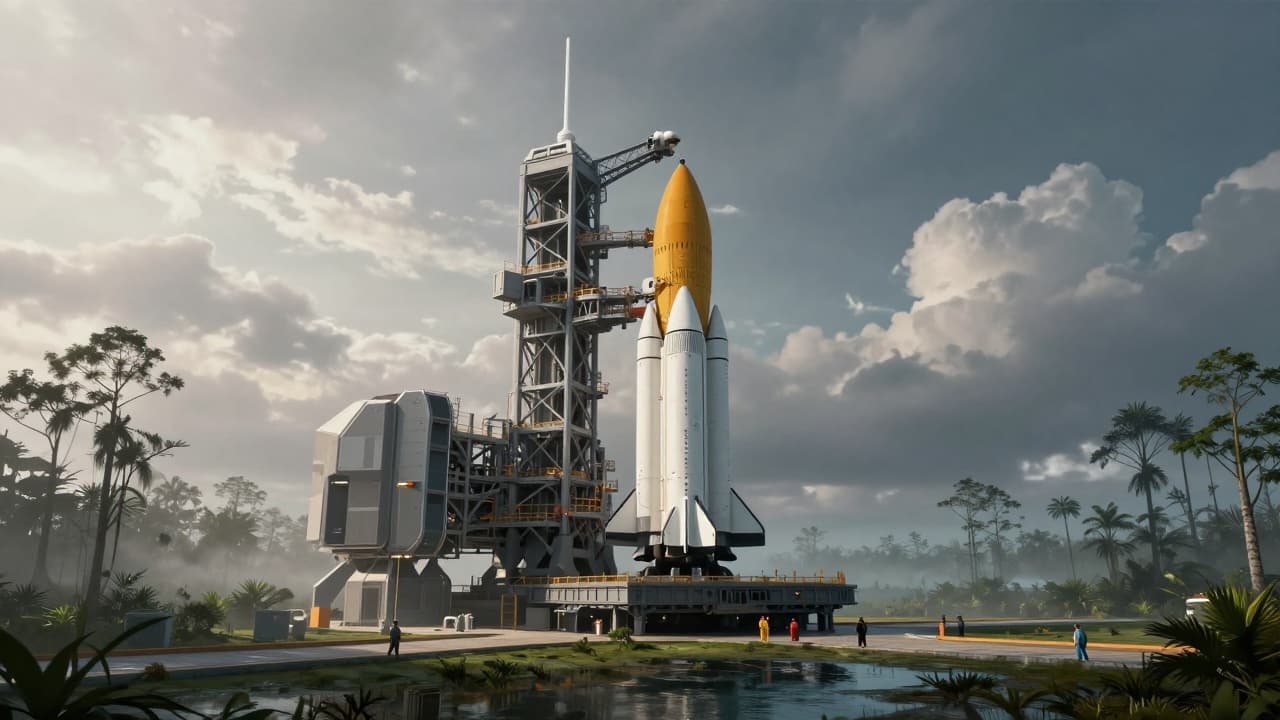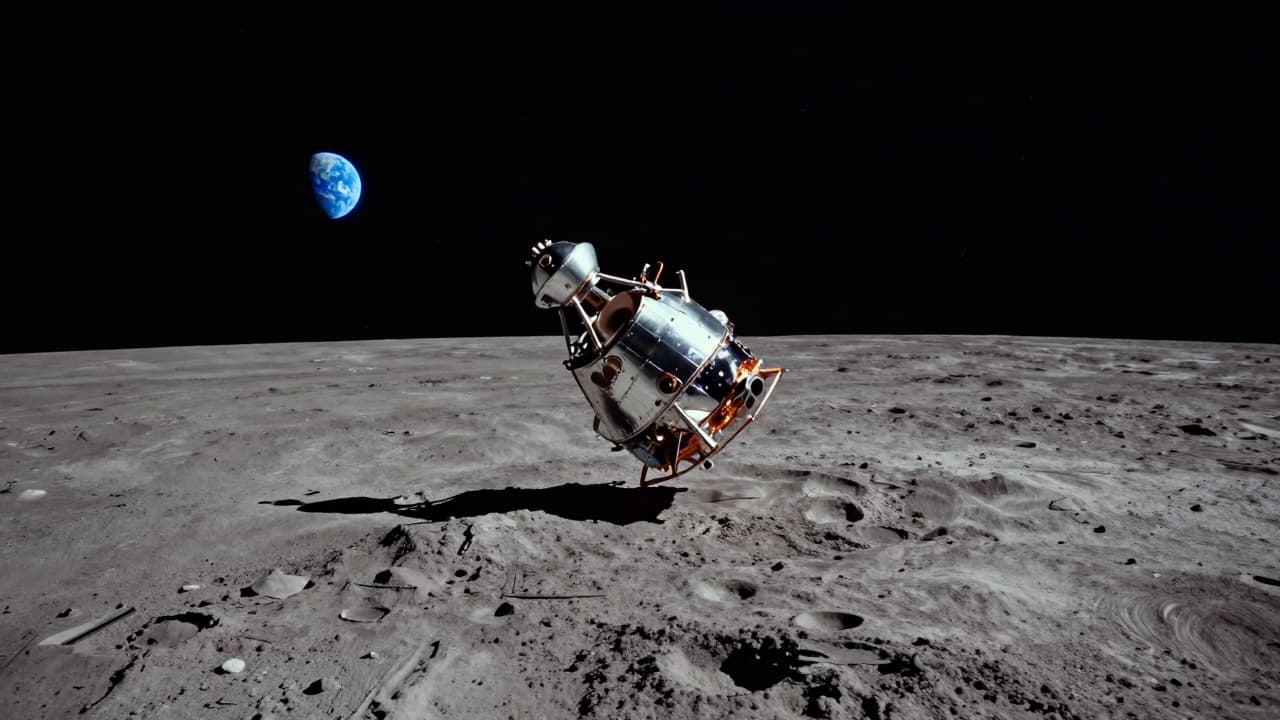
A part of a SpaceX rocket will strike the Moon, following the confirmation of the impact trajectory by independent astronomers and NASA’s Center for Near Earth Object Studies. The rocket stage, which remained in space after launch, will conclude its journey with an uncontrolled impact on the lunar surface. This event is the result of complex orbital changes affecting the remaining rocket stage after its initial mission.
The rocket was launched on 15 January 2025 carrying a payload that included lunar landers. The first stage of the rocket successfully returned to Earth, while the second stage remained in orbit. According to a statement from Julianna Scheiman at SpaceX, solar activity and gravitational forces have directed the second stage straight towards the Moon. Independent astronomers identified this trajectory shift using publicly available data, a finding subsequently confirmed by NASA.
The original mission was designed to carry Blue Ghost by Firefly Aerospace along with the lander Resilience by Ispace. The Blue Ghost lander successfully touched down on the Moon in March 2025, while the lander Resilience did not succeed in its mission several months after the Blue Ghost landed. Although both landers were part of the same mission, the fate of the booster in the second stage is now separate from the success or failure of the spacecraft themselves.
NASA has stated that there is no risk to Earth from this event. The weight of the second stage is 4 tonnes, and its uncontrolled entry into the lunar atmosphere and impact with the Moon’s surface represent a technical detail resulting from natural forces in space. This incident further illustrates the dynamics of orbital paths and the influence of external factors on space debris following the completion of their primary mission.