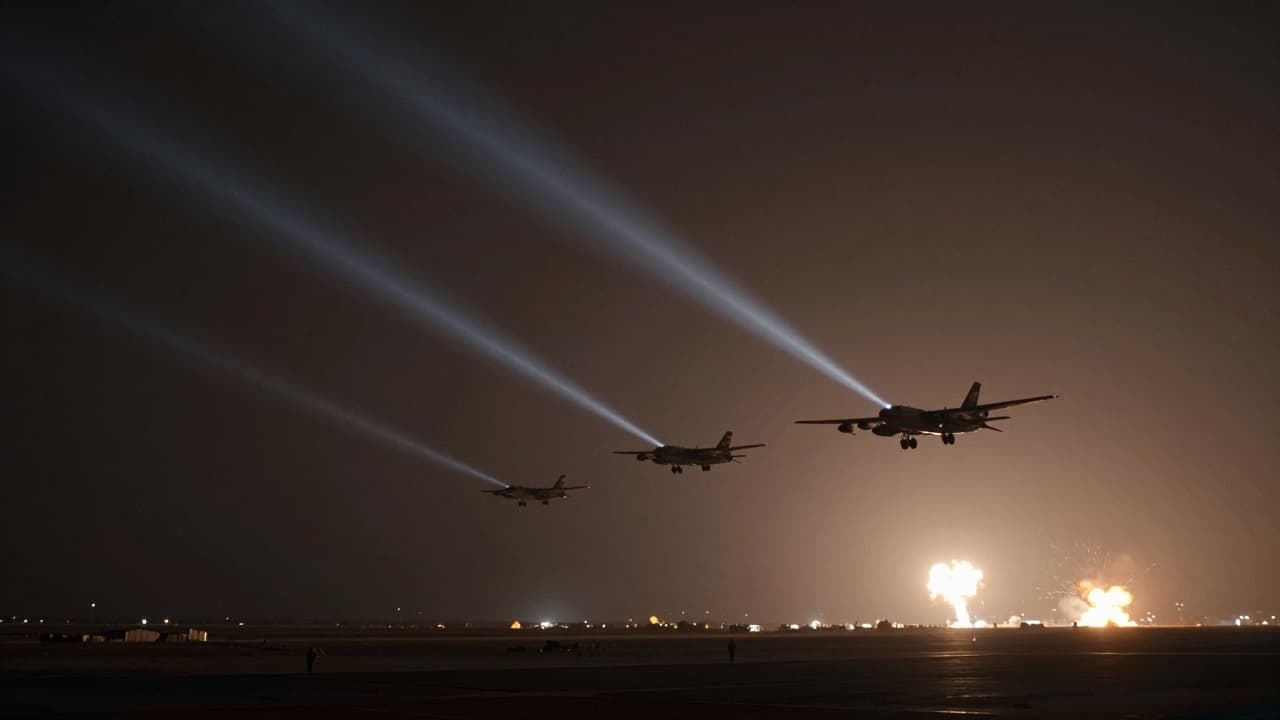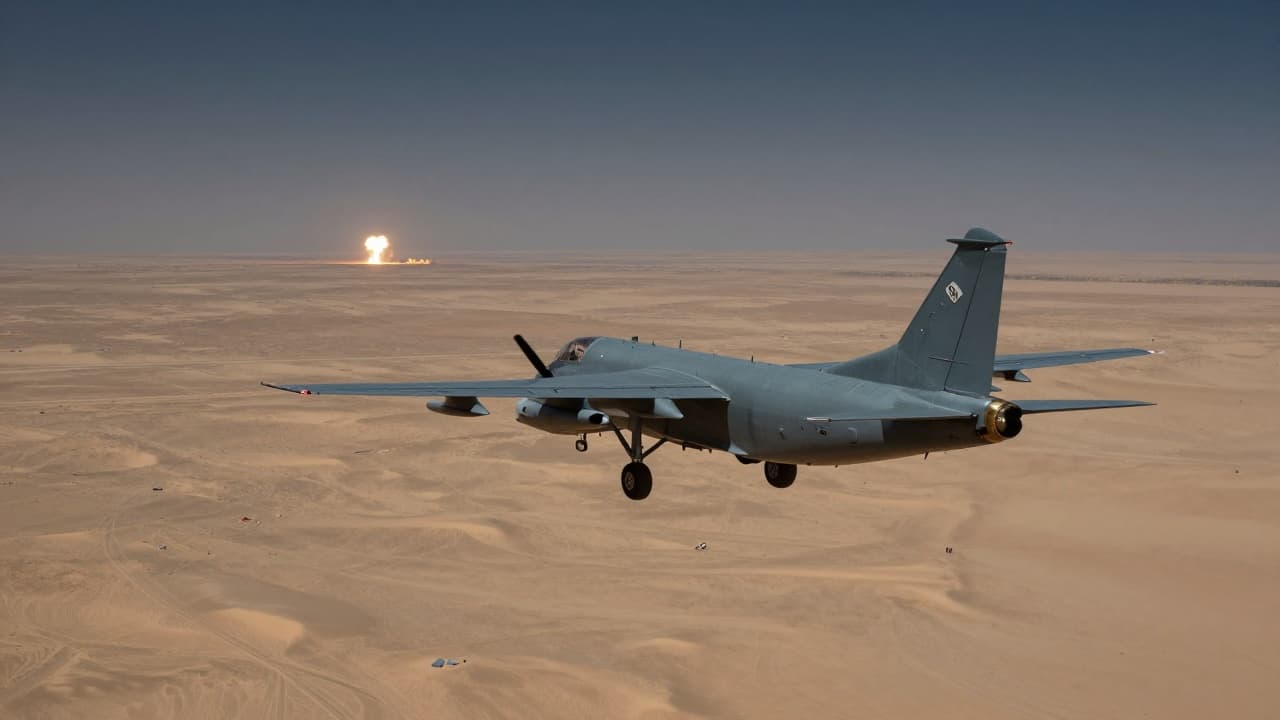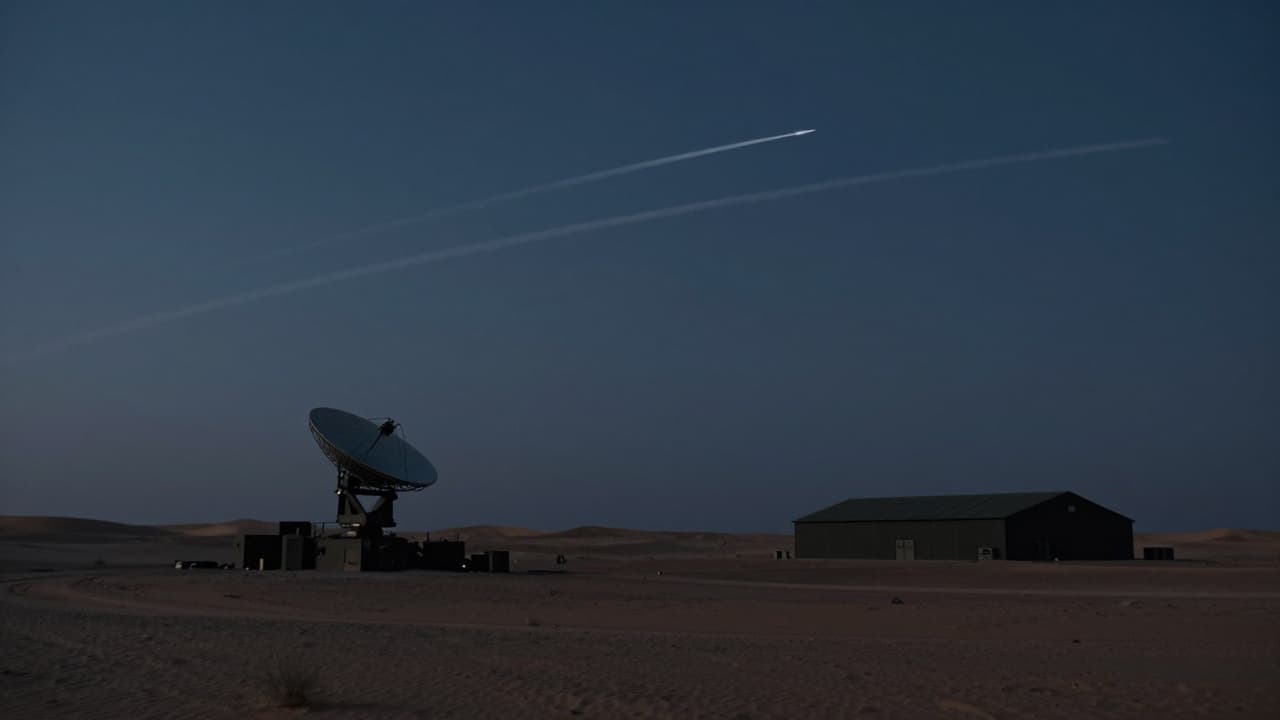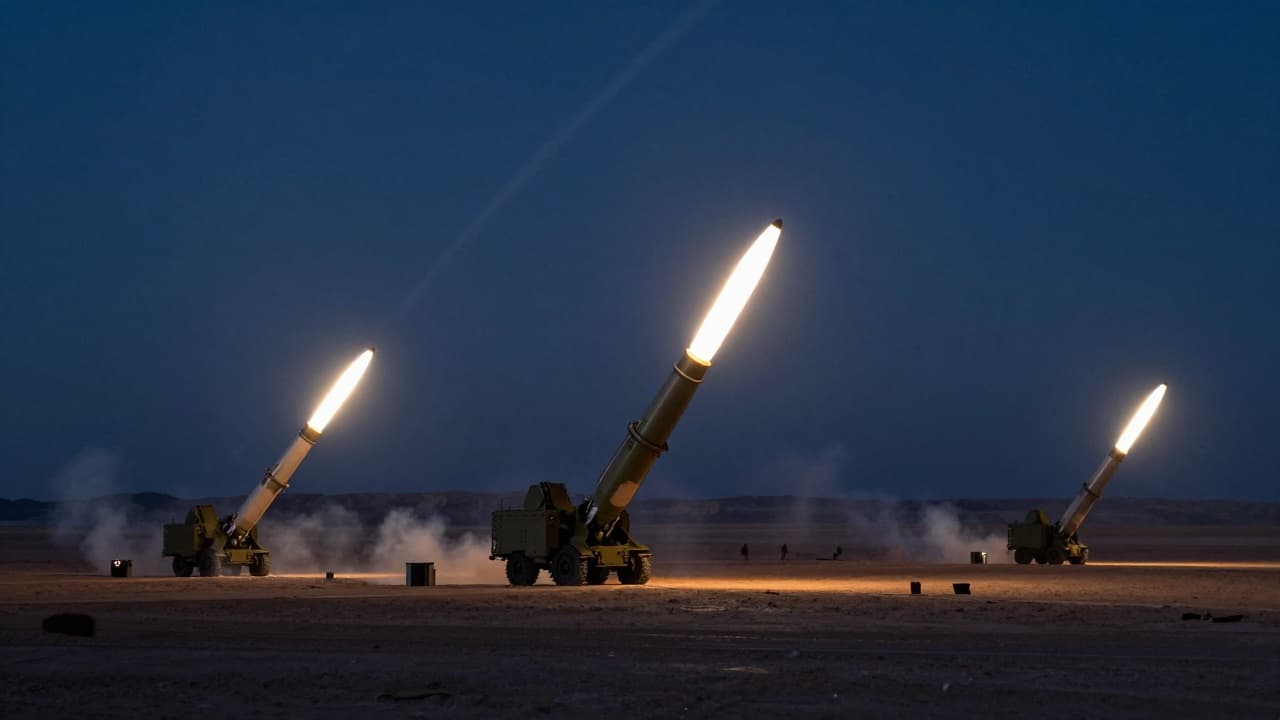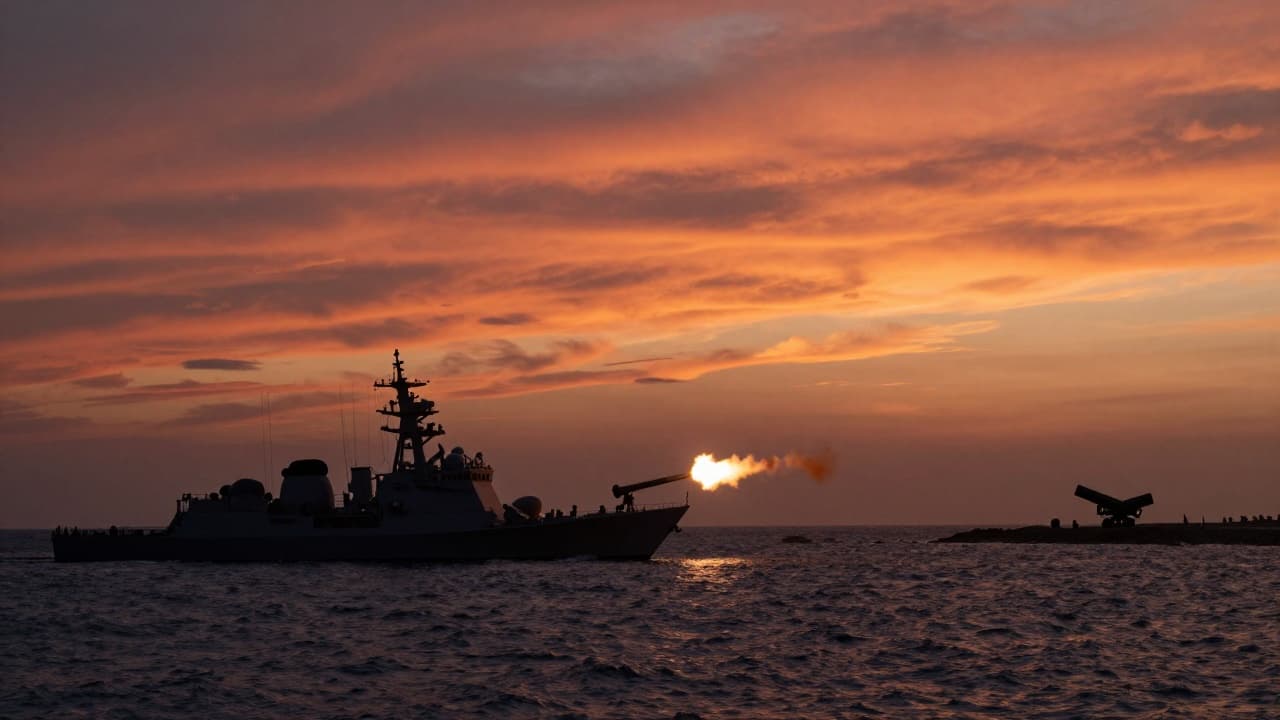
The United States carried out an attack on Iranian rocket launchers located on Larak Island in the Strait of Hormuz. This move came amid intensifying tensions in the region, with Iranian authorities confirming that several people were killed in the strike, although the exact number of casualties was not immediately specified. The incident has further exacerbated tensions in the region, where the conflict between the US, on one side, and Iran, on the other, has been ongoing for more than six months.
In response to US actions, Iran launched an attack on military targets in Jordan, specifically at the King Hussein and al-Azra bases. This move represents an escalation of a conflict that has been underway for many months, having already caused thousands of casualties and millions of displaced people, although exact casualty figures are not always clearly specified. The conflict has led to significant humanitarian consequences, with millions of people forced to leave their homes.
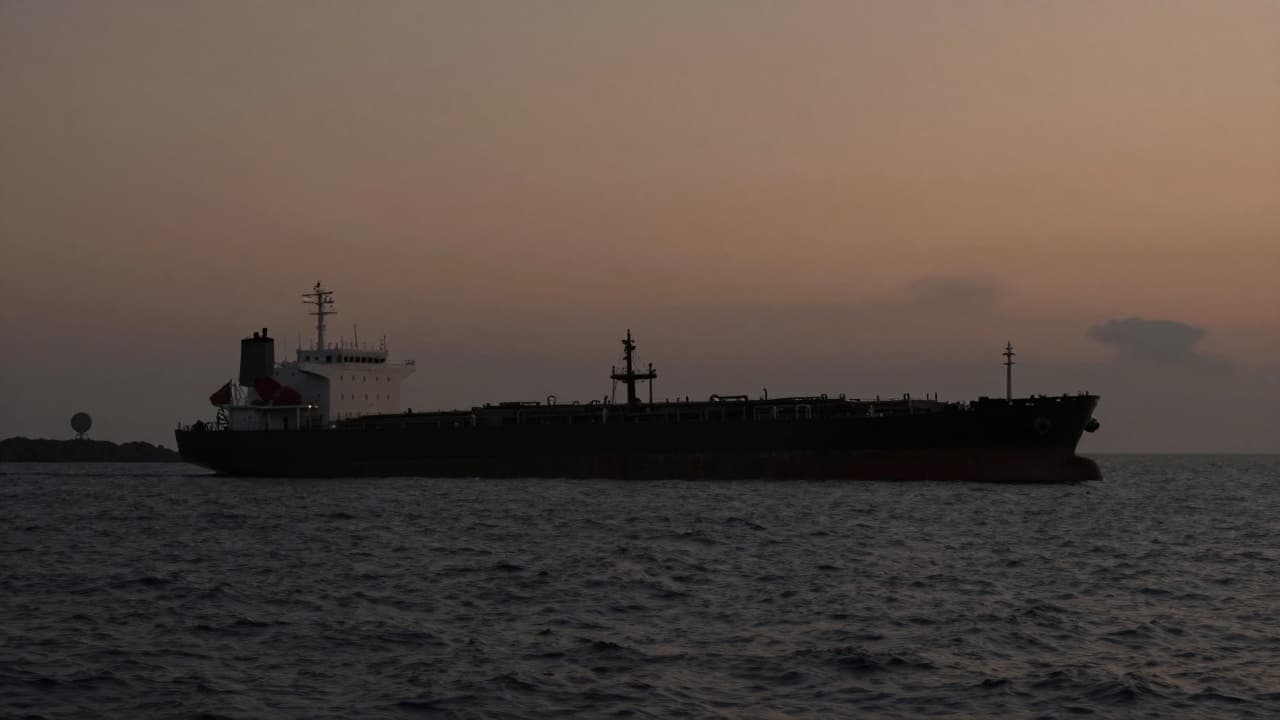
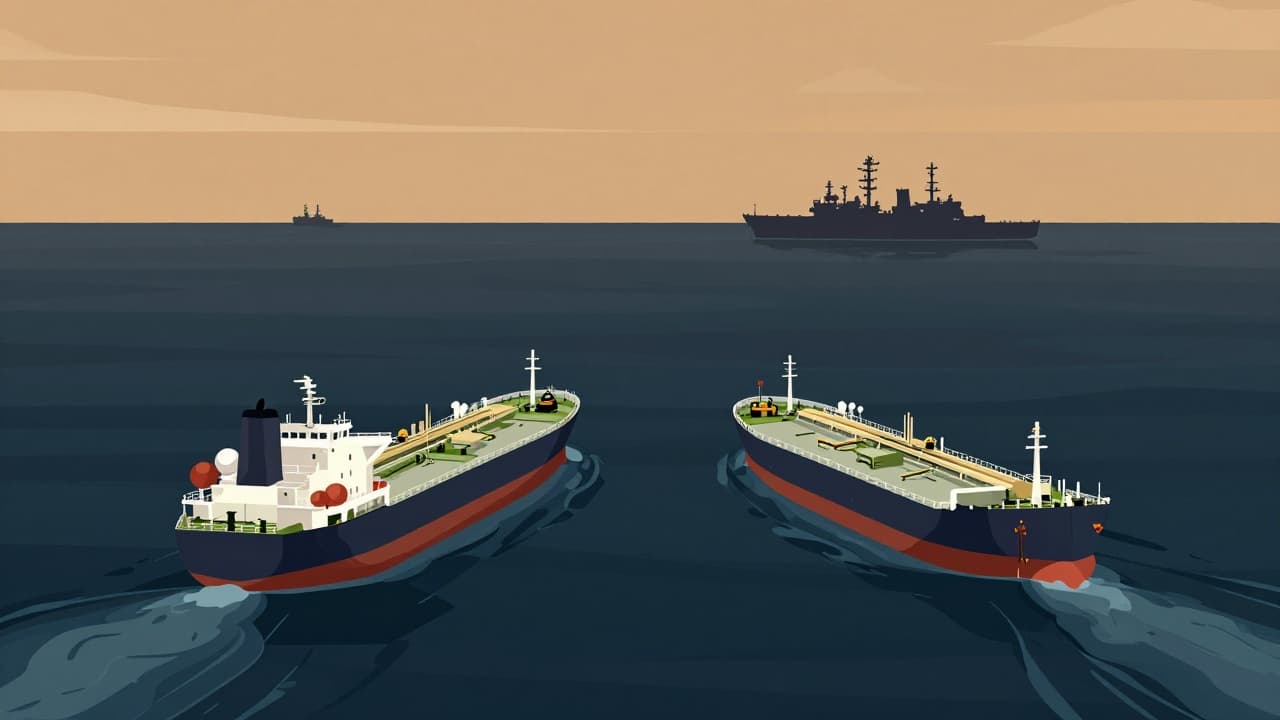
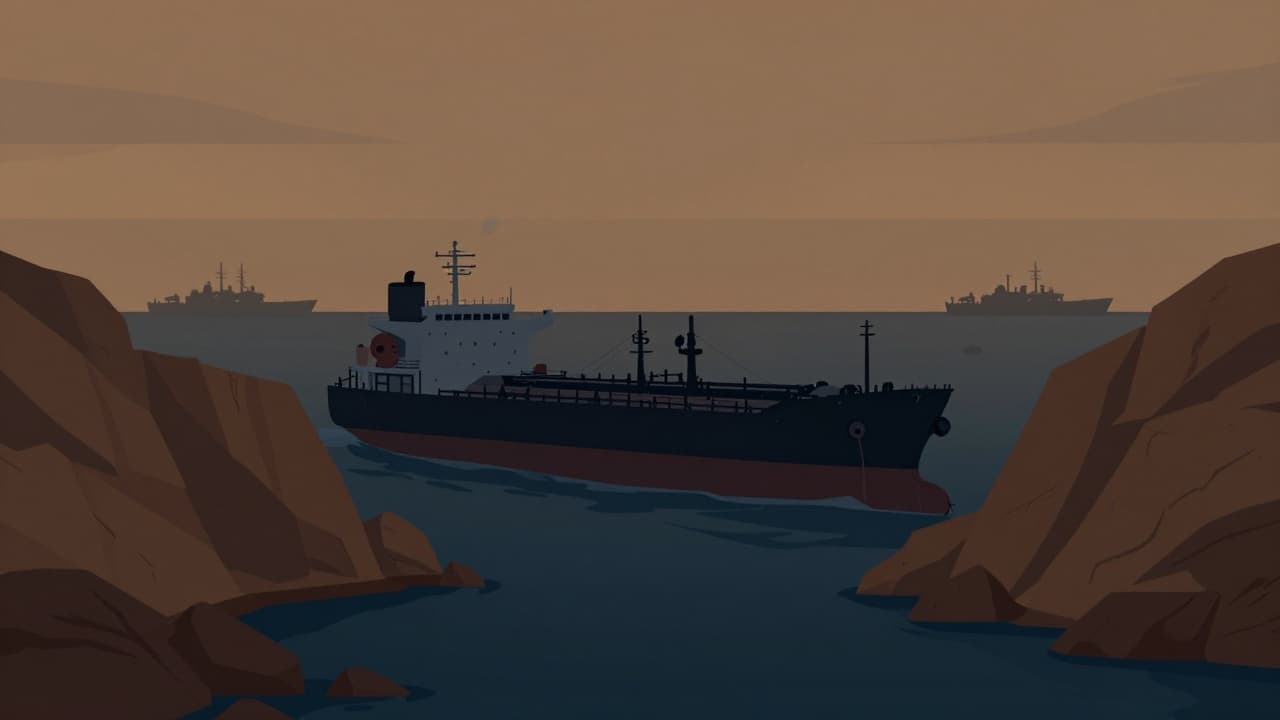
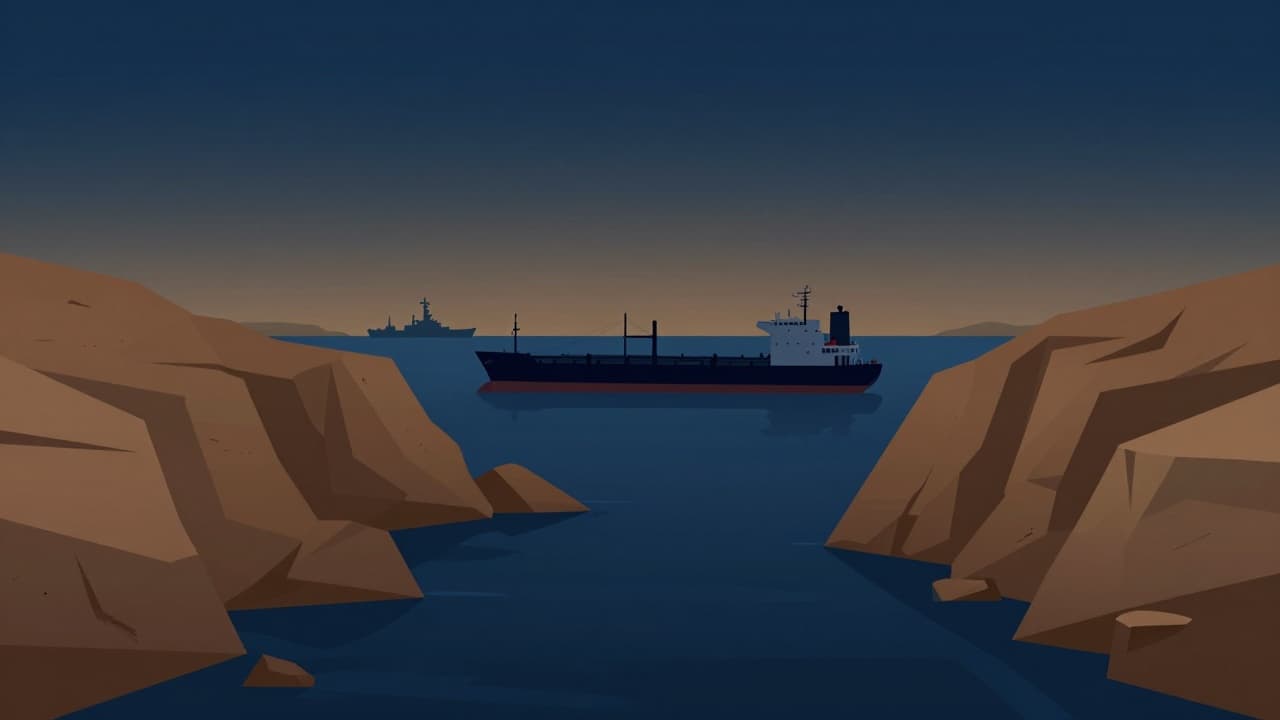
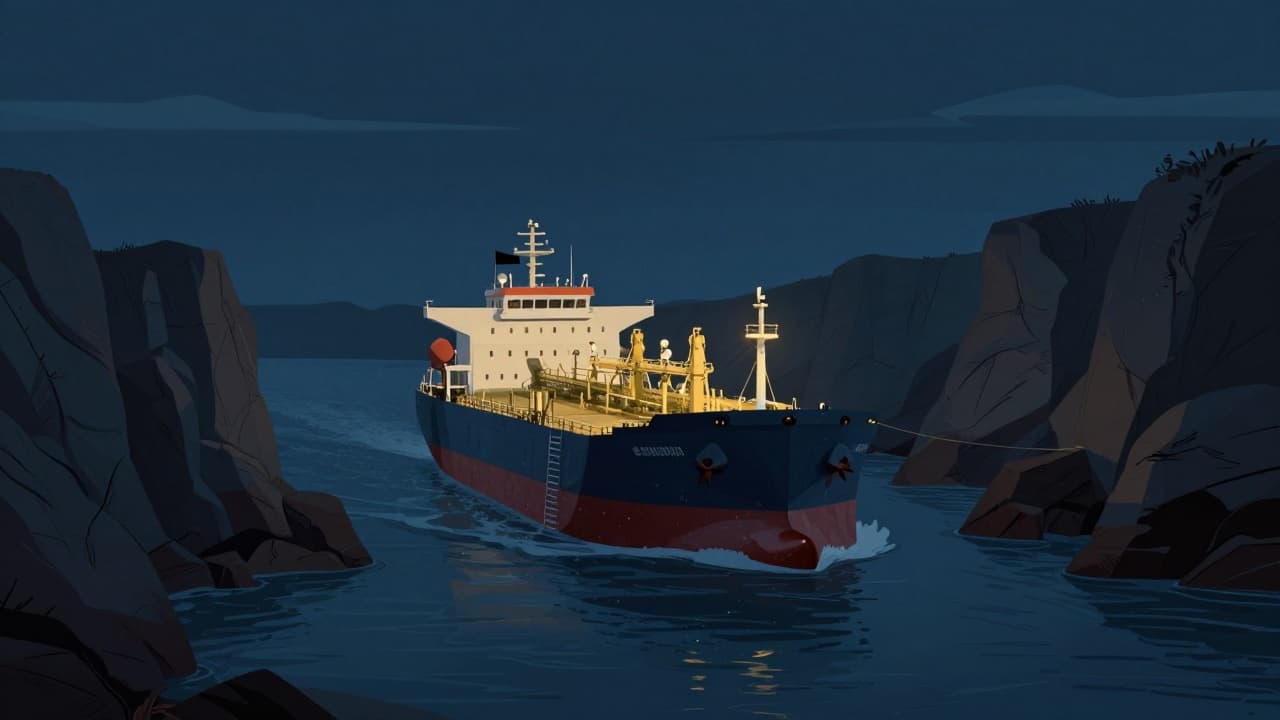
Additionally, the US previously carried out operations to remove or neutralise sea mines in international waters near the Strait of Hormuz. These actions are part of a broader strategy to ensure the security of shipping lanes, which are crucial for global trade. Iran, on the other hand, has blocked the passage of tankers through the Strait of Hormuz, forcing them to pay a fee of $2 million for passage. This measure has further complicated the situation, creating additional challenges for the international community and the global economy.
All of the above contributes to increasing instability in the region, with potential long-term consequences for regional stability and global security. The conflict between the US and Iran, which has been ongoing for months, remains one of the key challenges for the international community, with potentially harmful consequences for regional stability and global security.