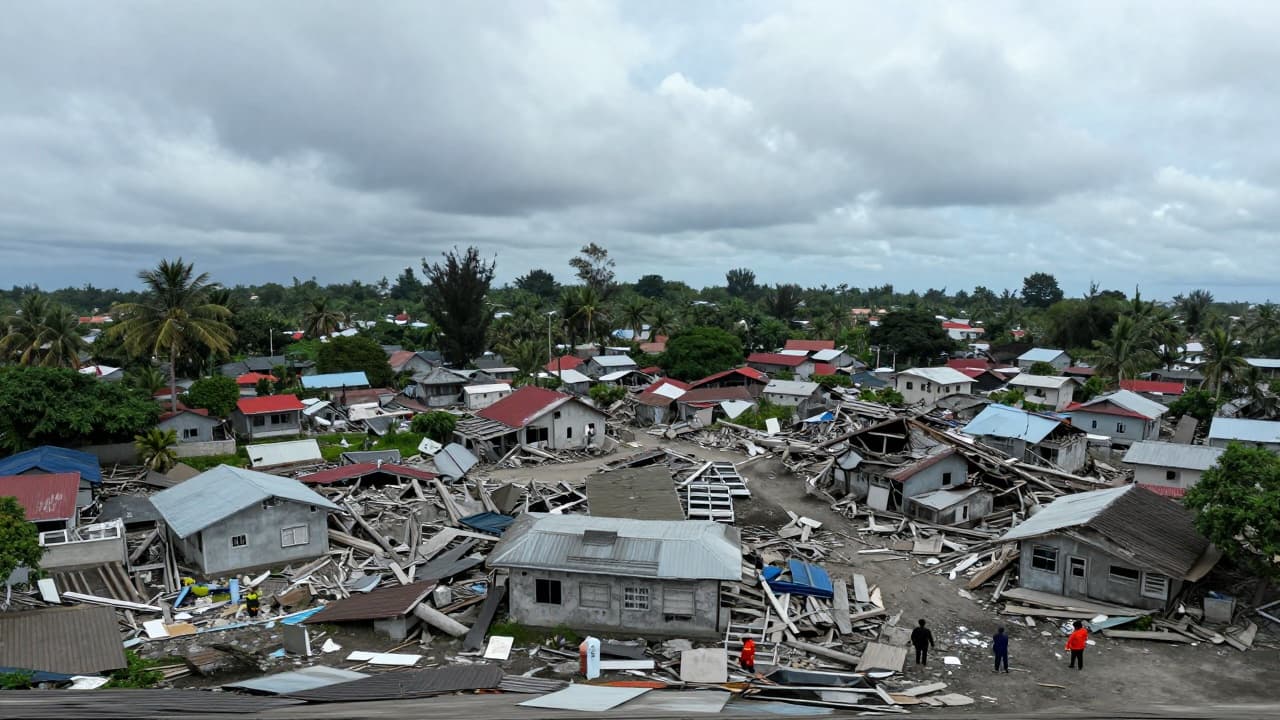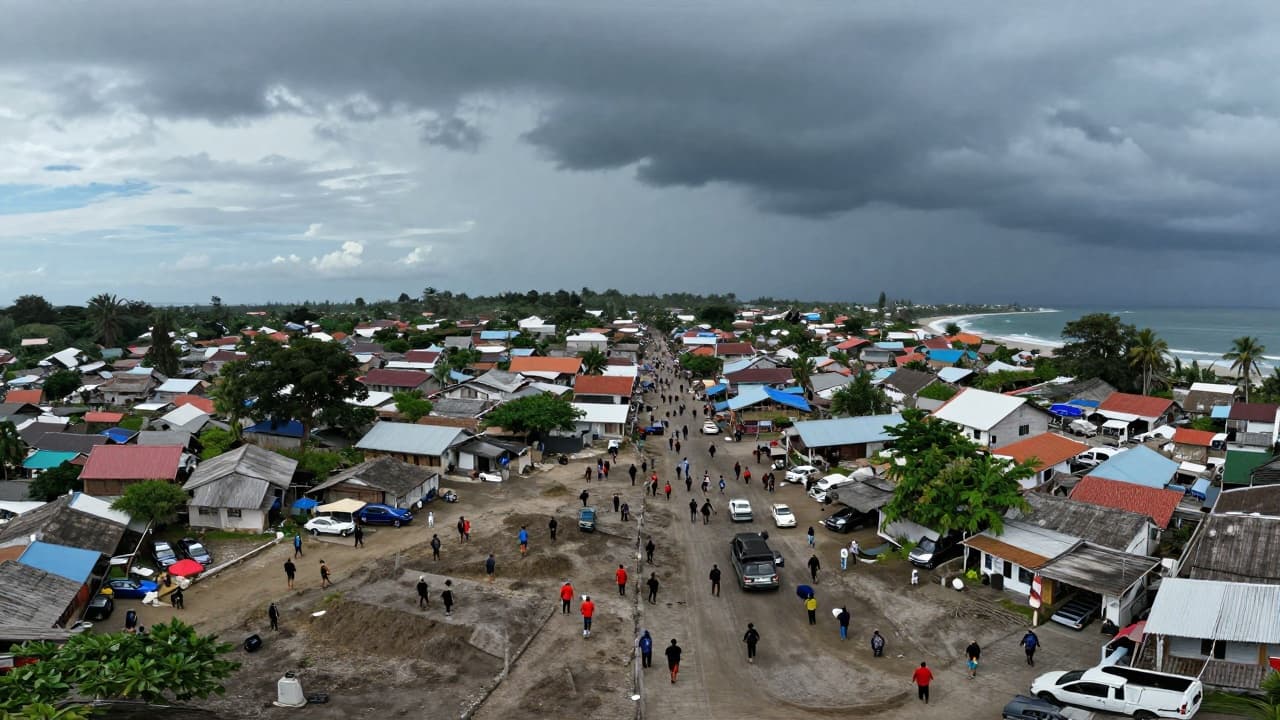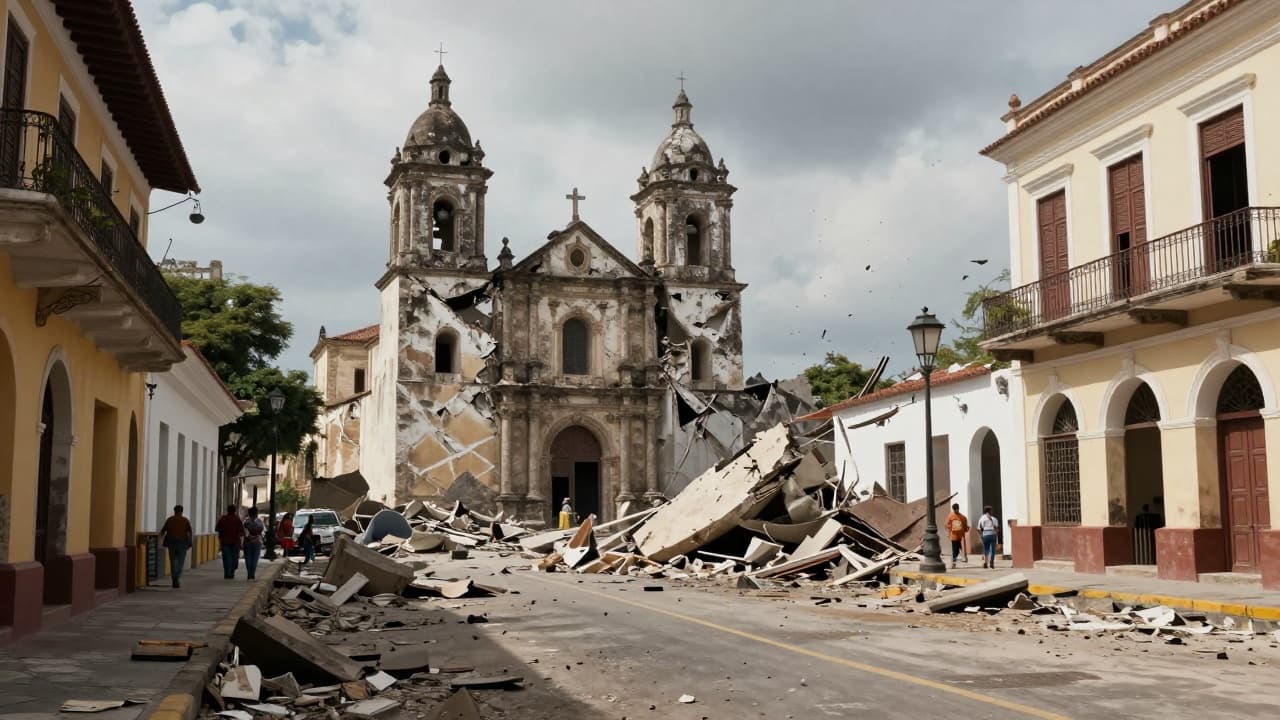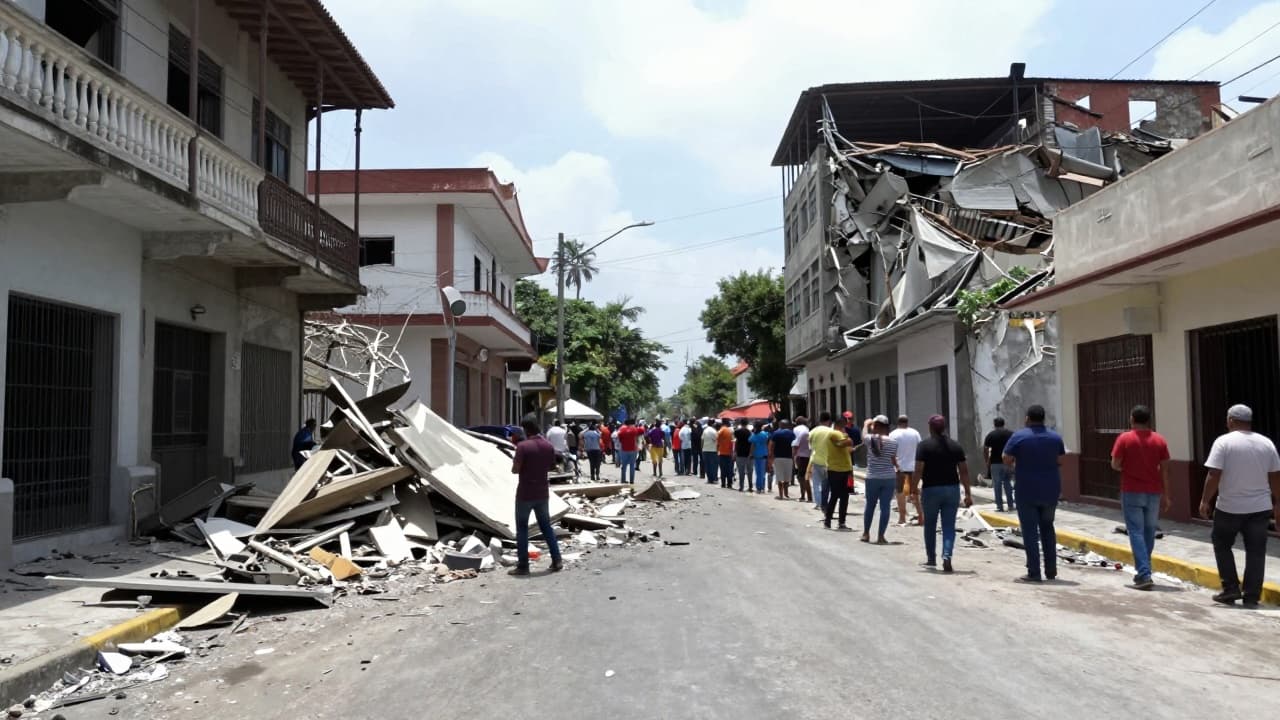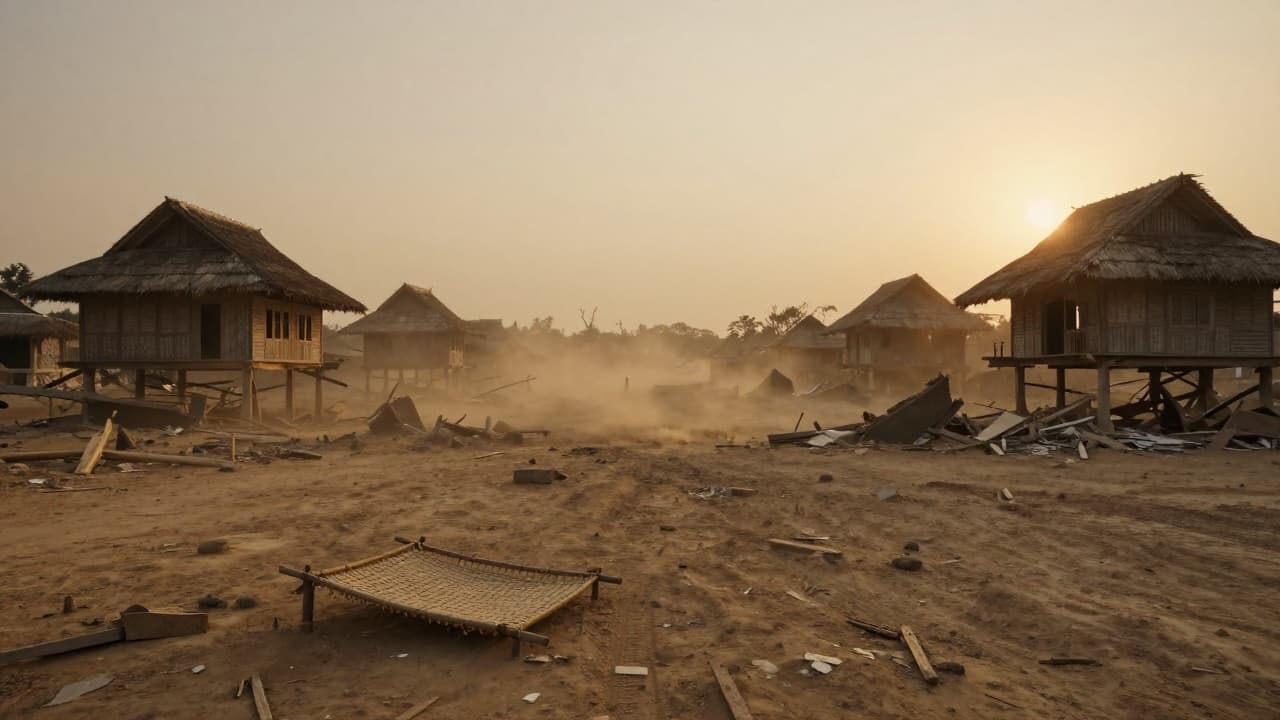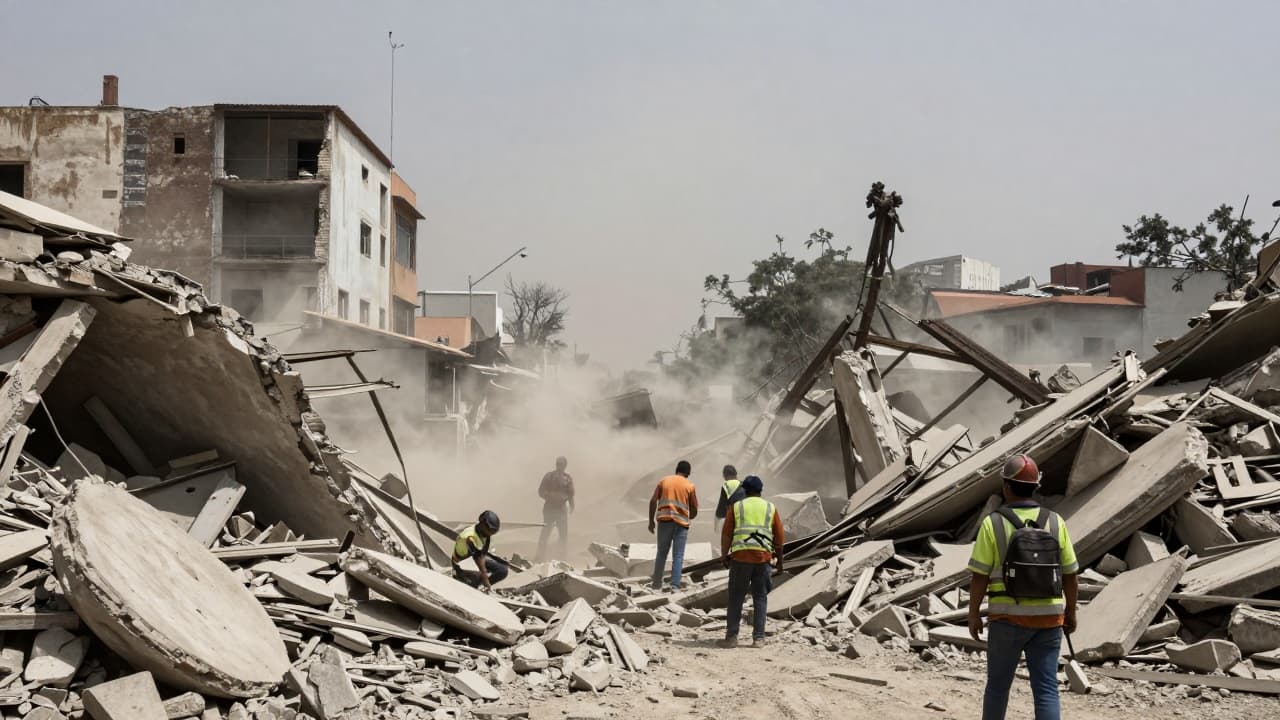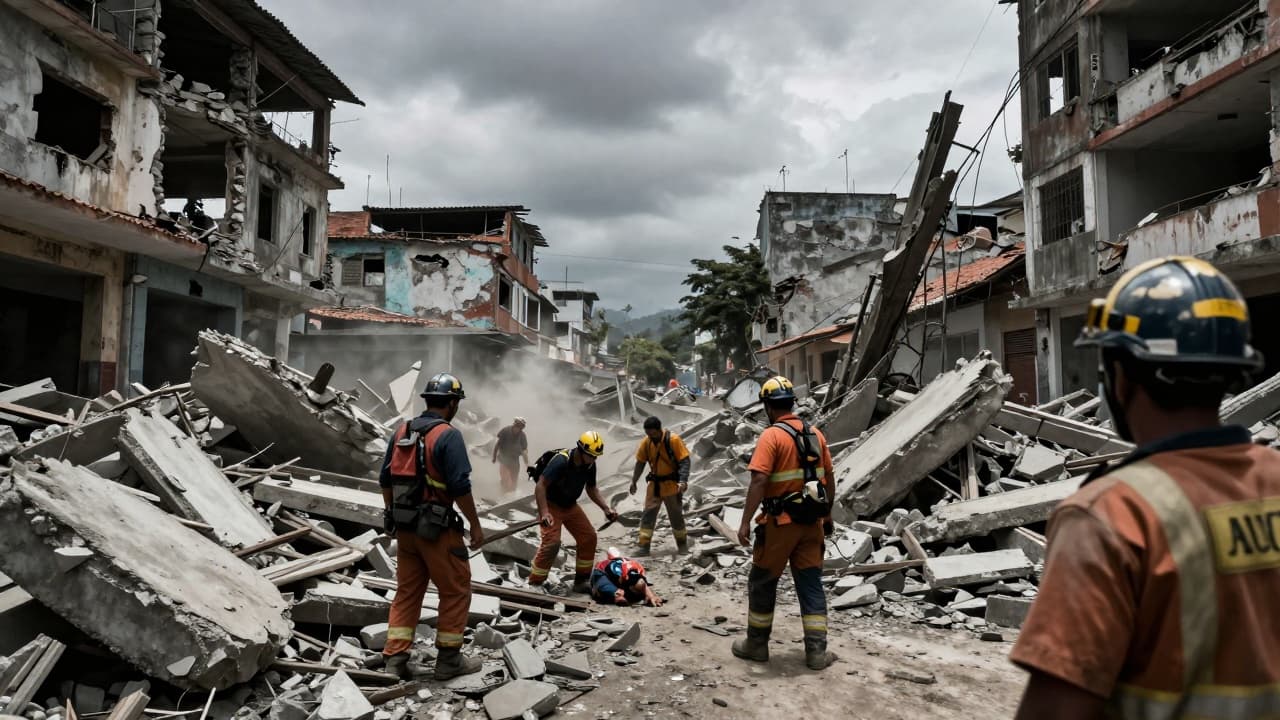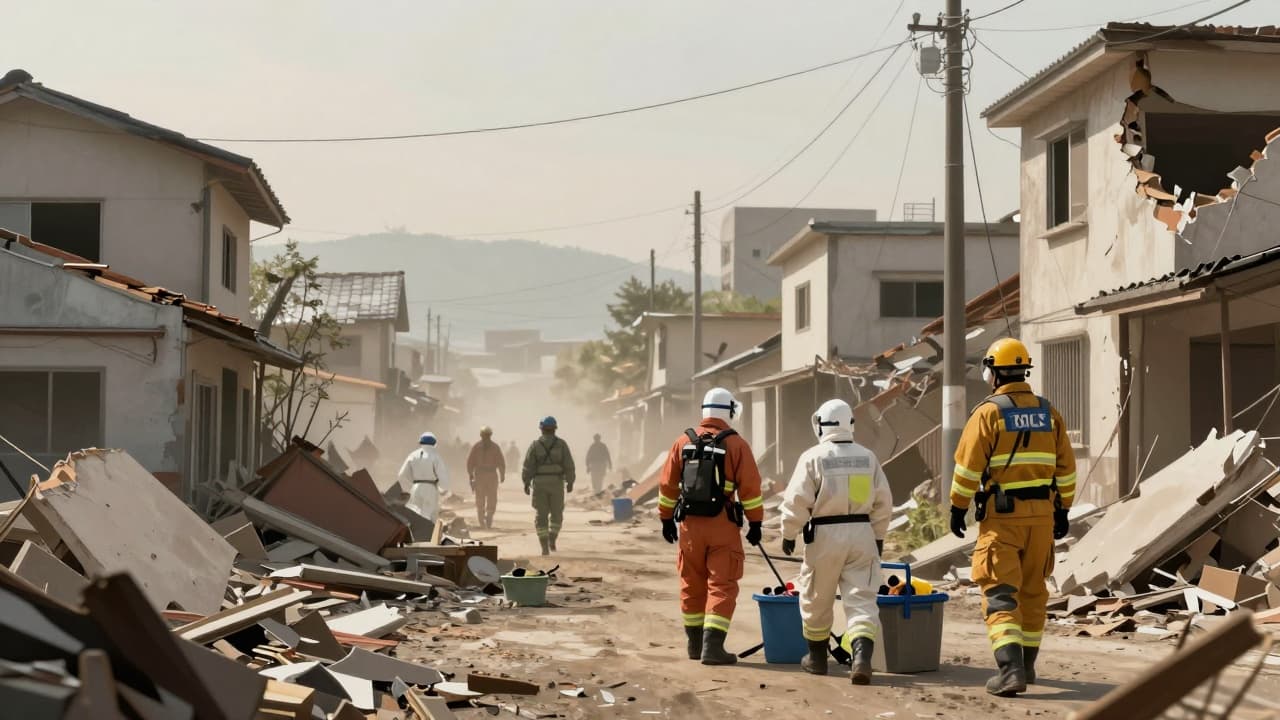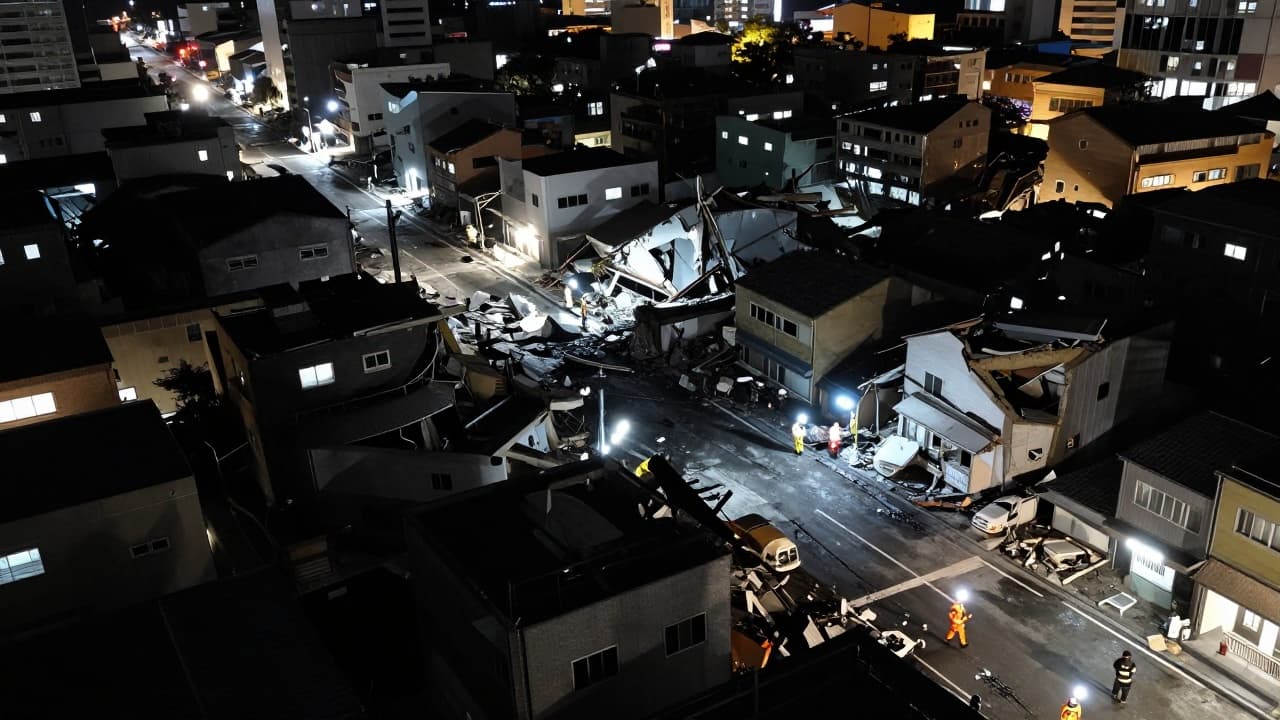
A devastating earthquake with a magnitude measured at 7.7 was recorded in the Indonesian archipelago. The incident occurred on Saturday morning, with the epicentre located on the island of Flores. According to initial reports, 53 people were killed in the earthquake, and thousands were left homeless, creating serious challenges for emergency evacuation and aid provision.
One of the most serious consequences of natural disasters in this case is the destruction of key infrastructure. Healthcare facilities in the affected areas were damaged to such an extent that they were rendered unfit for normal operation, further complicating the provision of emergency medical assistance to survivors. In addition to physical damage to buildings, electricity was cut off in much of the affected area, further hindering rescue coordination and the supply of basic foodstuffs to the population.
The situation is particularly severe in the village of Dampek, where a large number of casualties were recorded. This local community is facing exceptionally difficult conditions, given that there is only one doctor in the village, which is insufficient to treat a large number of injured people. The structure of the earthquake, which occurred at a depth of 15 kilometres, further complicated rescue operations, although smaller tremors (aftershocks) occurred after the main quake, further destabilising the area.
This is the second major earthquake to strike Indonesia in a short period, as it is the second significant earthquake in that region since 2022. Indonesia, due to its geographical position on the Pacific Ring of Fire, frequently encounters seismic activity, but this level of destructiveness and the number of casualties sets this incident apart as a particularly tragic event in the recent history of that country.