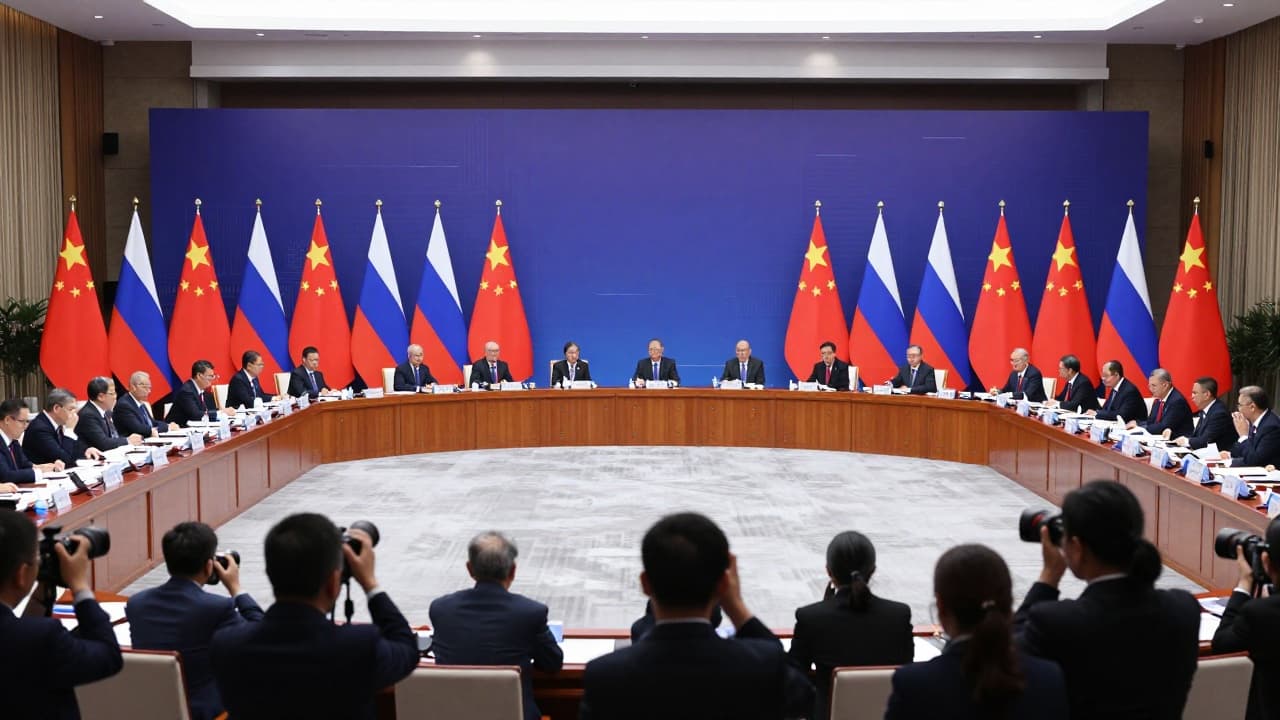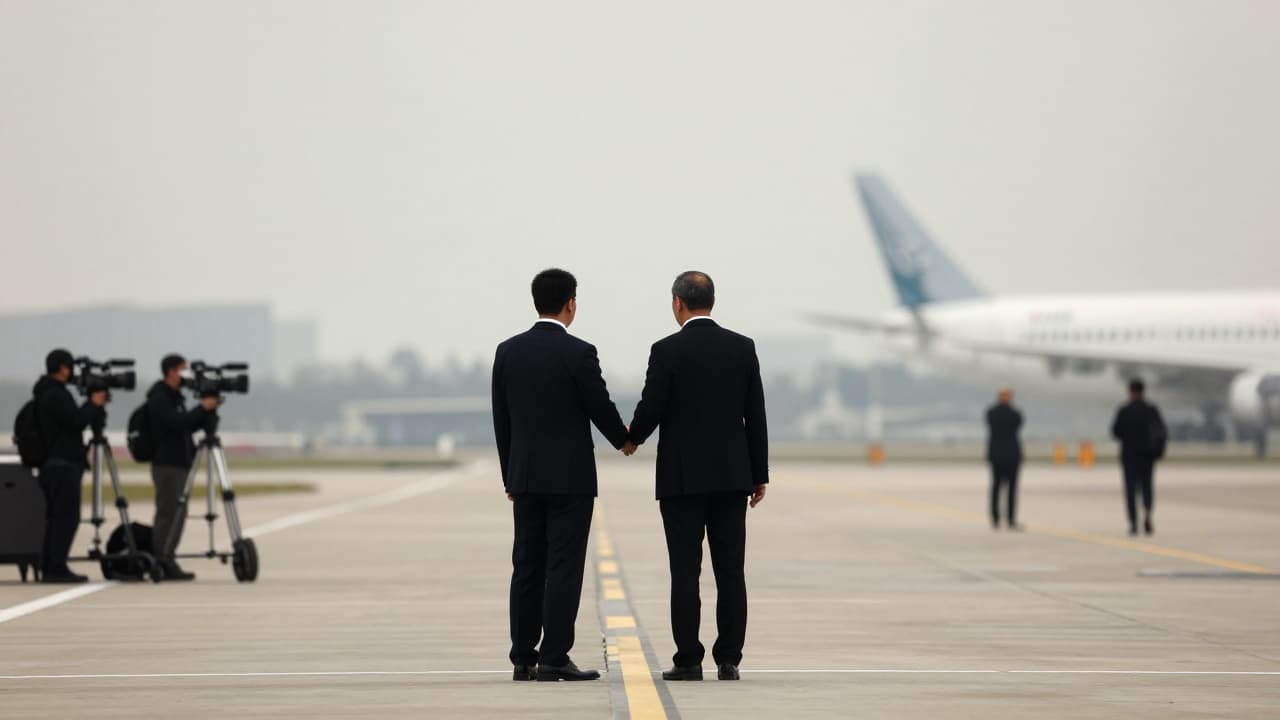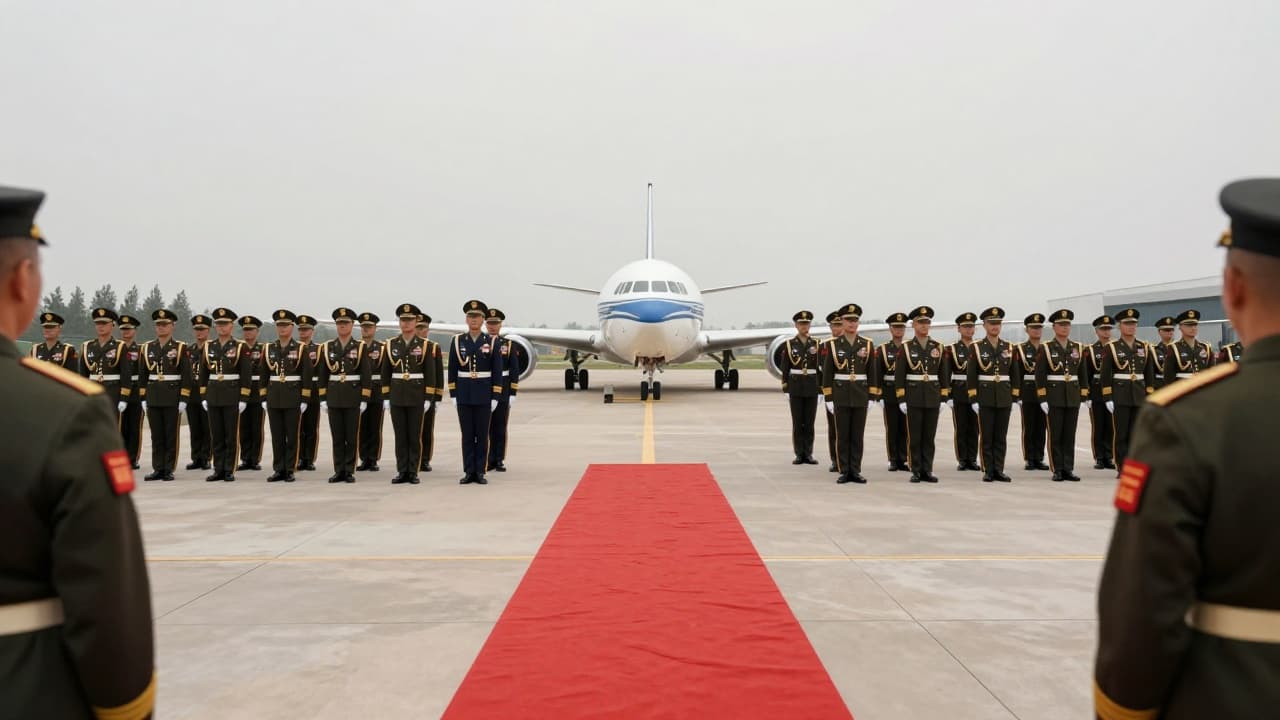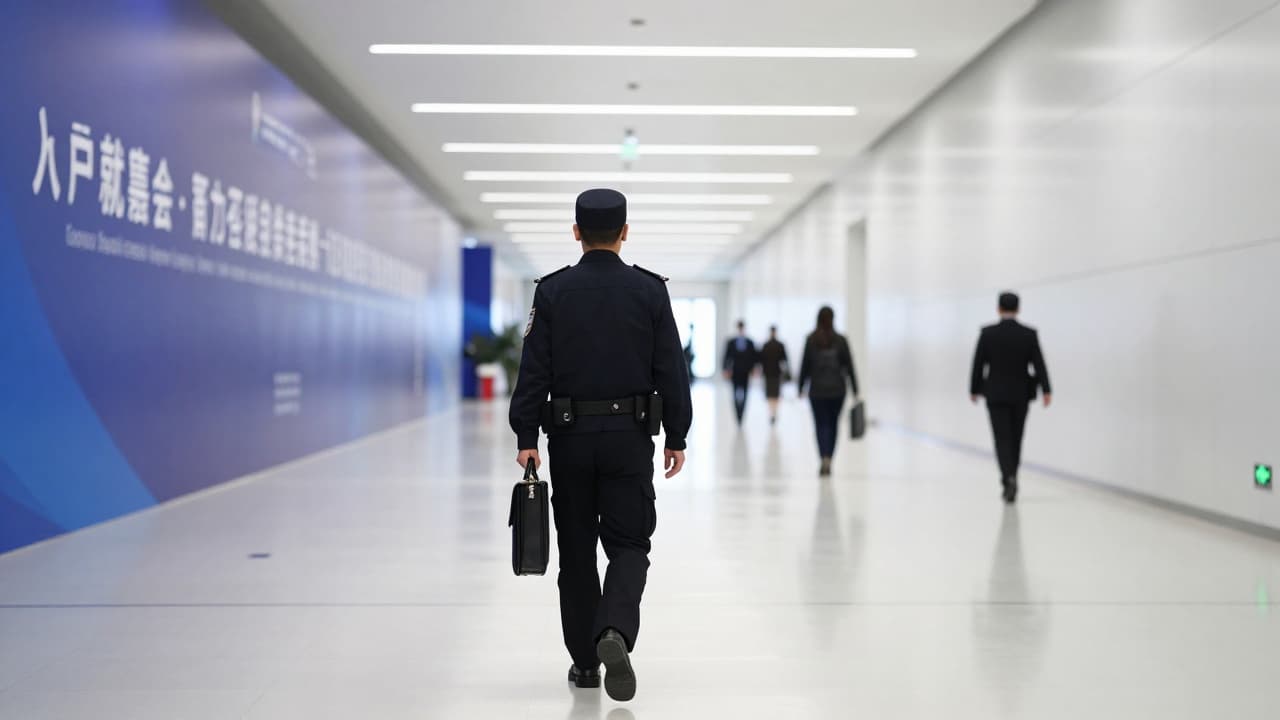
Russian President Vladimir Putin arrived in China's Shenzhen accompanied by an aide carrying the so-called nuclear briefcase, known as Cheget. One member of Putin's entourage confirmed to journalists that he was carrying a special briefcase that is part of the Russian system for commanding nuclear forces, the APA news agency reported, citing Russian media.
The Cheget briefcase allows the Russian state leadership to communicate securely with military command and issue orders related to the use of nuclear weapons. Developed during the Soviet era, it is named after Mount Cheget in the Caucasus. It forms an integral part of the Russian nuclear command and control system, enabling senior officials to communicate in crisis situations and send authorisations related to the use of nuclear weapons. Military command units remain responsible for the actual execution of such orders.
A study by the US Naval Postgraduate School describes Cheget as portable equipment used to prepare and issue authorisations for the use of nuclear weapons. Publicly available footage has so far offered insight only into older versions of the device. In 2019, Russian military television channel Zvezda showed an open briefcase with numbered buttons, a white launch button and a red cancel button, with the presenter describing a special flash card as one of the system's keys. This was a demonstration of an older model. Publicly available research states that similar terminals are also held by the defence minister and the chief of the General Staff.
It is not unusual for the Russian president to travel with the nuclear briefcase. Cheget routinely ensures access to the nuclear command network during all presidential trips. The briefcase attracted significant attention during Putin's visit to Beijing on 18 October 2023, when Reuters reported that two uniformed officers of the Russian Navy carrying cases accompanied him between meetings after talks with Chinese President Xi Jinping, with cameras zooming in on one of the briefcases. Correspondents from the Kremlin for the Russian state news agency RIA wrote beneath the published footage: "There are certain cases without which no trip by Putin is complete." Historical photographs show Putin receiving the device from Boris Yeltsin in December 1999 and again from Dmitry Medvedev in May 2012.
The Cheget briefcase is not directly connected to nuclear weapons and cannot independently launch a nuclear attack. Its role is to confirm that the Russian president has issued an order for an attack, and the president's orders are then forwarded to the General Staff of the Russian Armed Forces, which is responsible for their further execution. The APA agency did not report any change in Russia's level of nuclear readiness, and the presence of the nuclear briefcase with Putin does not mean that Russia has increased its nuclear readiness.
The latest footage appeared ahead of a meeting between Putin, US President Donald Trump and Chinese President Xi Jinping in Shenzhen. The three leaders are due to meet tomorrow at a trilateral meeting as part of the APEC summit, with nuclear arms control expected to be among the topics of discussion. The meeting of the three presidents will last less than an hour, Kremlin spokesman Dmitry Peskov told Russian state media.