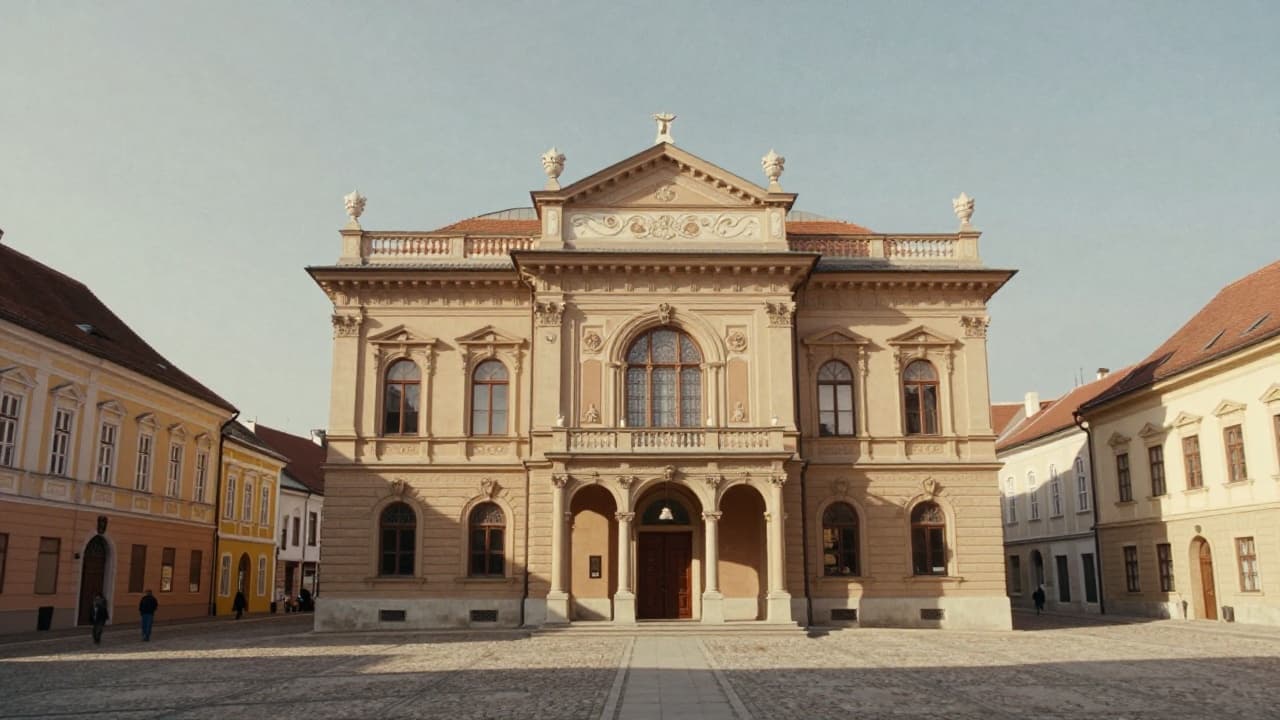
On this day, 18 November 1894, at a solemn assembly of the Jewish Community of Križevci, its president Marko Breyer officially proposed the construction of a synagogue. It was the 50th anniversary of the establishment of the local Jewish community, and members decided to mark the major jubilee by erecting a house of worship in the city centre.
The Jewish community reached the peak of its numbers at the end of the 19th century, when it had between 230 and 245 members. Land next to the then Jewish religious community building, on today's Strossmayer Square, was purchased for the construction of the synagogue. The construction was supported by the then mayor of Križevci, Ferdo Vukić.
45,000 forints were secured for the project, with funds collected by numerous donors. Financial assistance was provided by the Banovina Government, the Križevci city council, the Joint Stock Savings Bank in Križevci, and the First Croatian Savings Bank in Zagreb. A construction contract was signed at the end of 1894 with the Zagreb architectural firm Hönigsberg and Deutsch.
Work began on 1 April 1895, and the cornerstone was solemnly laid on 14 May of the same year, with the blessing of Križevci rabbi Lavoslav Löw. The synagogue was completed and consecrated on 16 September 1895, after only five months of work. The ceremony was attended, along with many residents of Križevci, by representatives of Jewish communities from Zagreb, Bjelovar, Koprivnica, Slavonski Brod, Krapina, and Ludbreg.
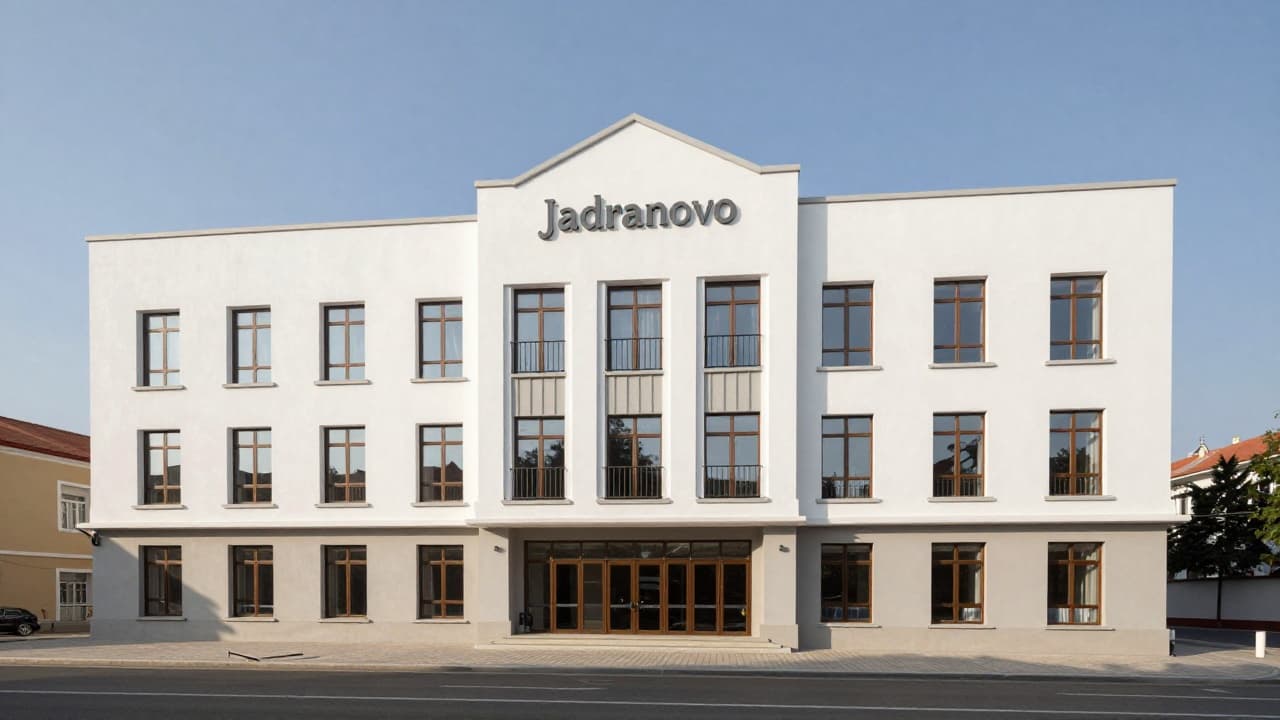
The new building was constructed in a combination of Neo-Renaissance and Neoclassical styles. After the establishment of the Independent State of Croatia in 1941, the synagogue and the religious community building were confiscated from the Jewish community. The persecution and suffering of Jews during the Second World War interrupted the community's life up to that point.
The building of the former synagogue survived the war and later repurposings. After decades of serving other needs, it has been restored and is now part of Križevci's cultural and tourist infrastructure.