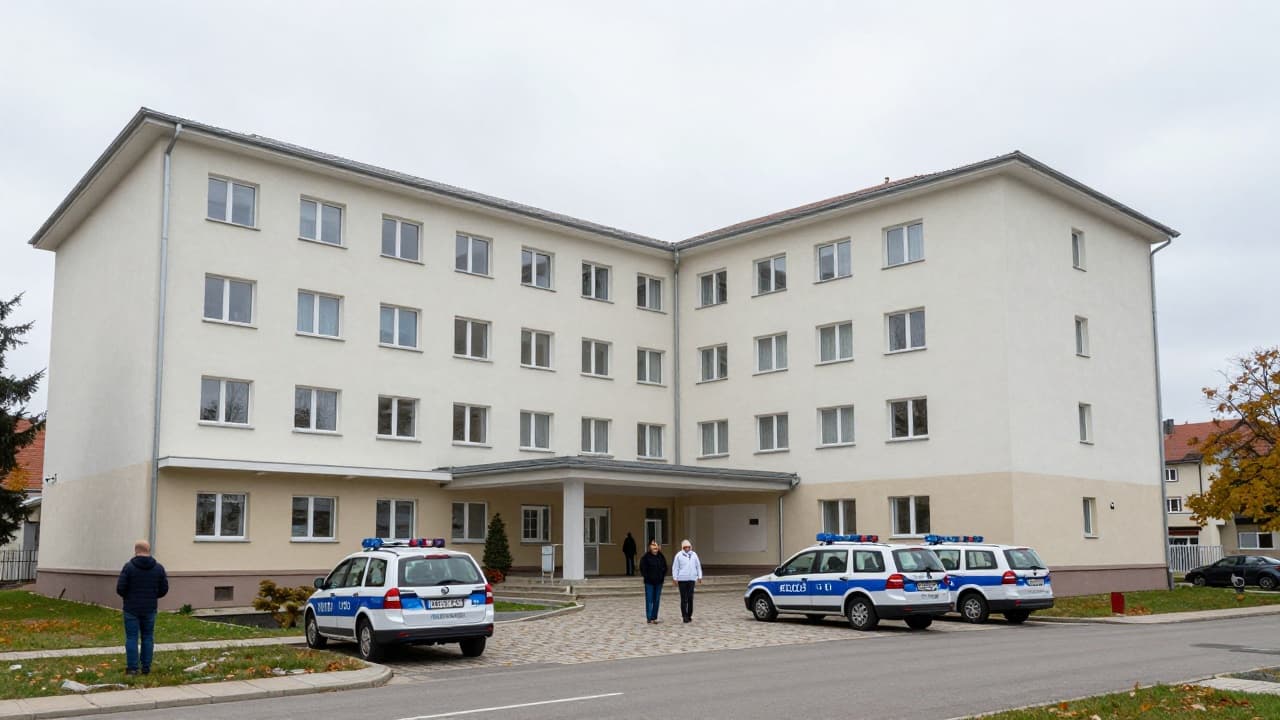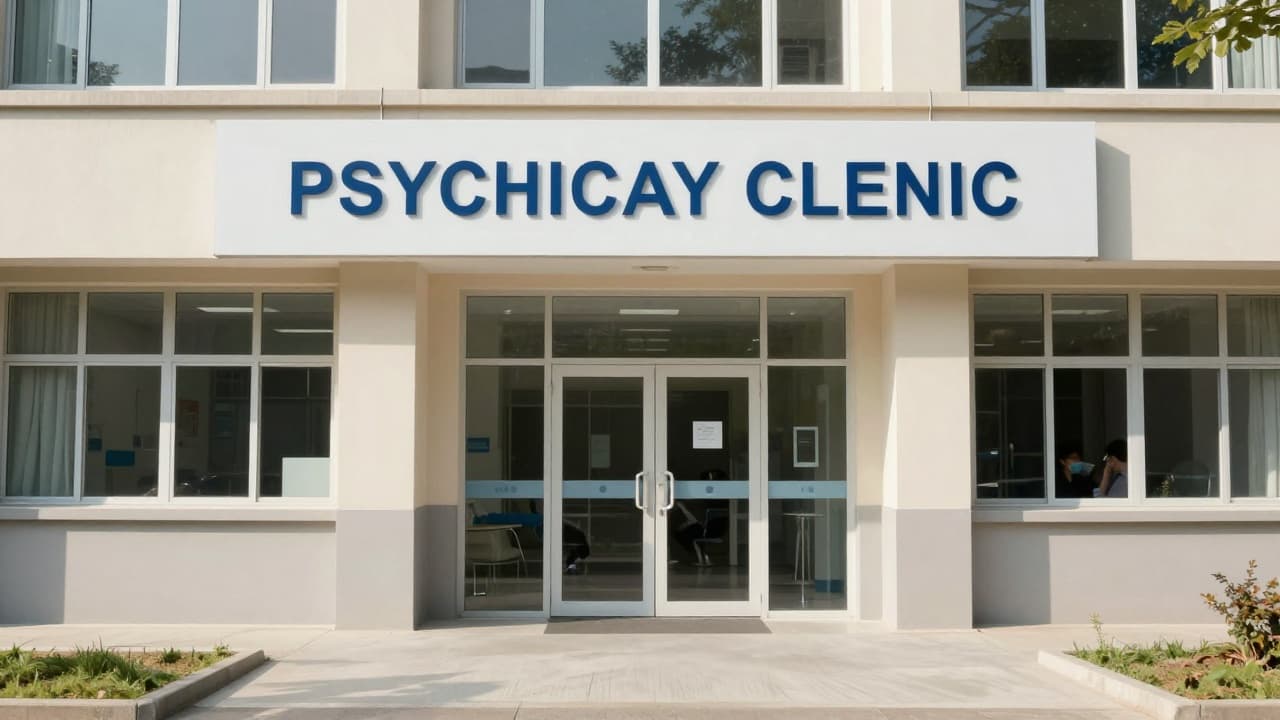
The death of 32-year-old Kristijan Josip Periš at the "Sveti Ivan" Psychiatric Clinic in Jankomir, Zagreb, has raised questions about the monitoring of patients subjected to physical restraint. Mladen Mavar, director of Ugljan Psychiatric Hospital (Psihijatrijska bolnica Ugljan), discussed restraint procedures in other psychiatric institutions while appearing on HRT's "Otvoreno" programme.
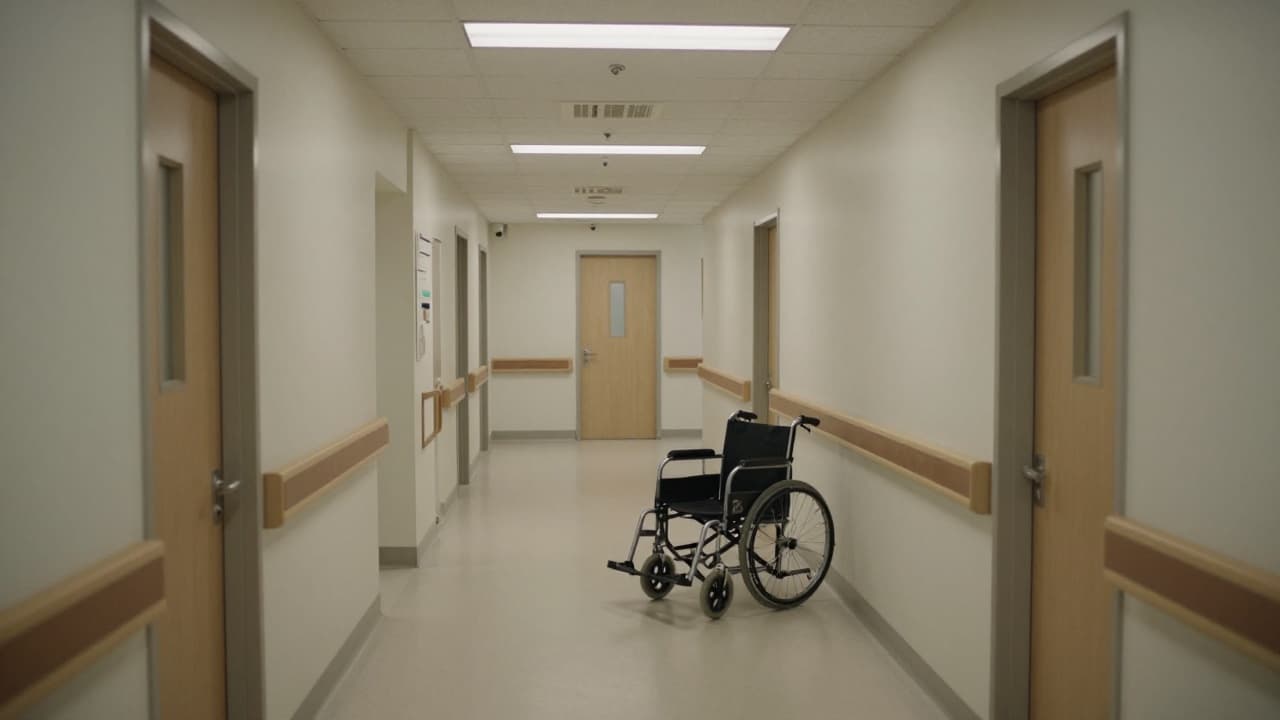
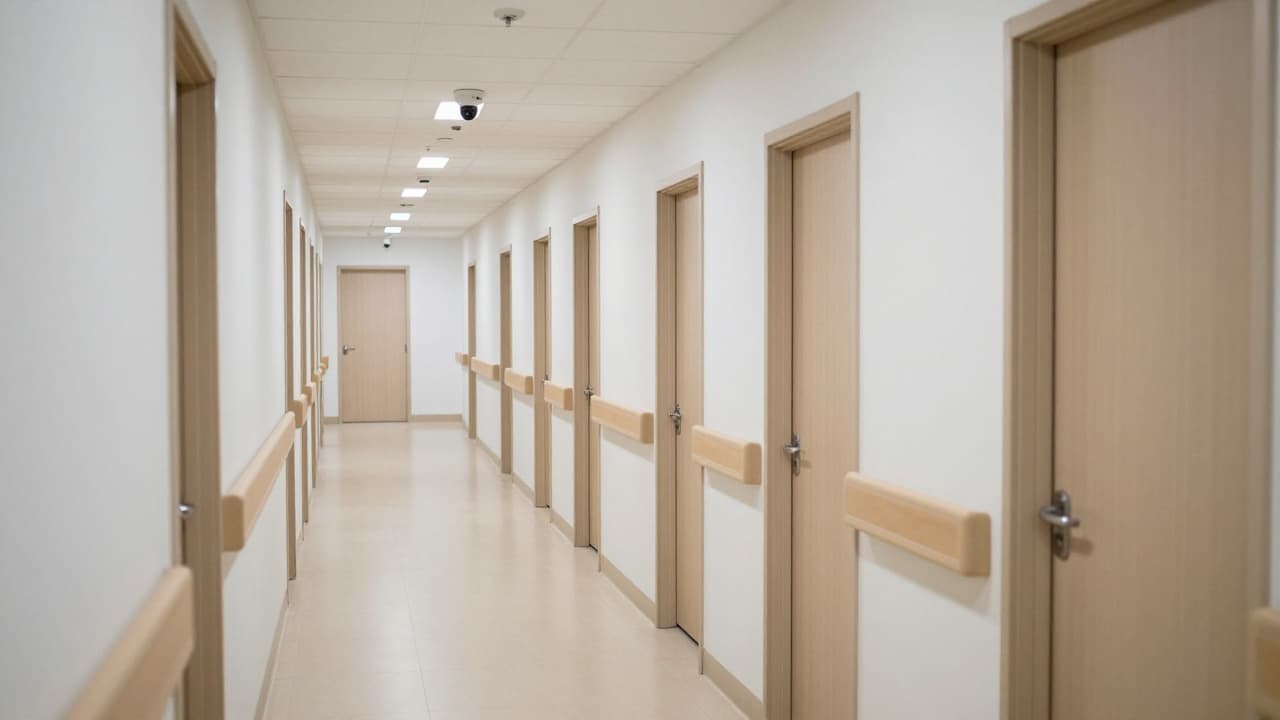
Mavar described how patient monitoring is organised at the facility. Rooms designated for isolation and physical restraint are equipped with cameras, and healthcare staff check on patients every 10 to 15 minutes to verify their health status and safety. Asked whether he would wait two weeks before reviewing surveillance footage in the event of a patient's sudden death, Mavar replied that he would not.
The director also announced the further expansion of the video surveillance system during the hospital's renovation. According to him, cameras should be installed in hospital wards, in areas designated for acute psychiatric patients, and for forensic patients.
Ugljan Psychiatric Hospital submits data on the use of physical restraint measures to the Ministry of Health every six months. During 2024 and 2025, the hospital had an average of approximately 14 patients subjected to restraint, with the average duration of the measure being roughly 10 hours. Mavar emphasised that the number of restraint incidents is gradually decreasing, aided by the application of appropriate therapy, better communication between healthcare staff and patients, and improved conditions for patient treatment and residence.
He also warned that healthcare workers operate in demanding circumstances, as patient behaviour can sometimes be unpredictable, and staff may face sudden aggressive reactions. Mavar believes that the work of psychiatric institutions, which provide daily help and care to people with mental disorders, must not be overlooked due to the tragic case in Jankomir, Zagreb. He stressed the importance of considering positive examples of treatment and care, rather than forming an image of the entire psychiatric system based on a single case.