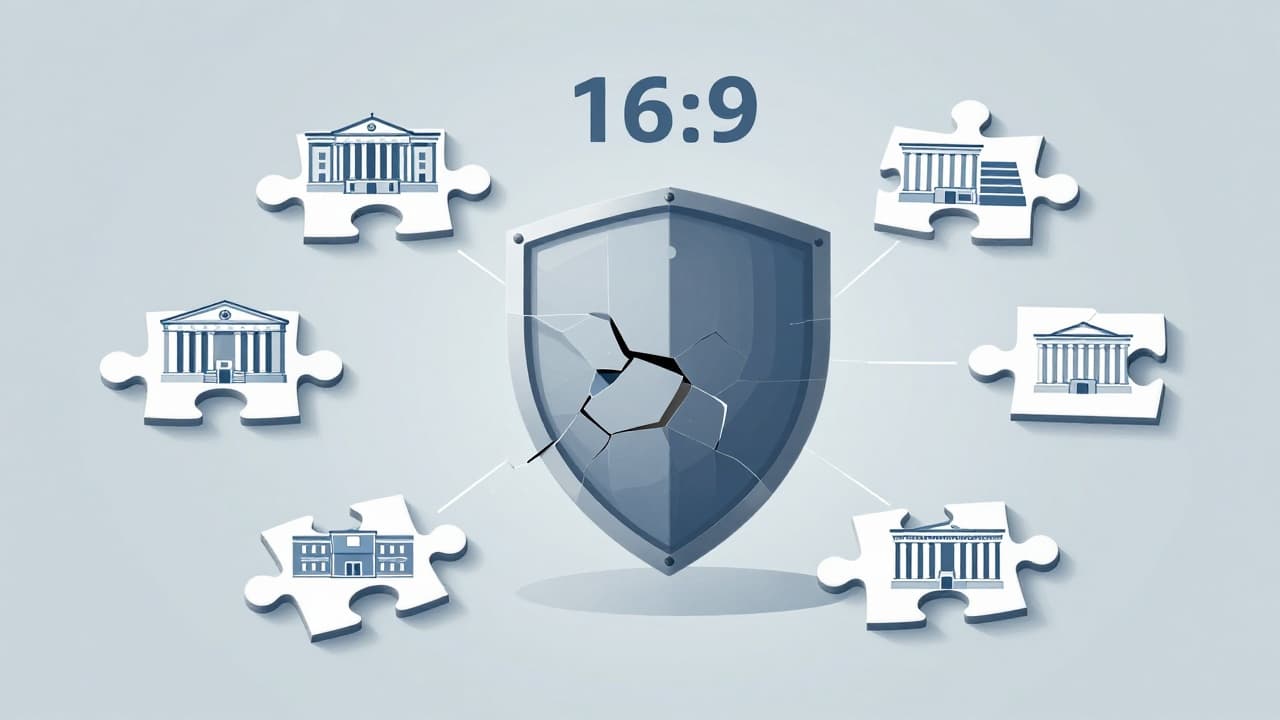
Patients in Croatia face complex administrative barriers when lodging complaints. According to an analysis by the Centre for Peace, Nonviolence and Human Rights, there are 11 different institutions, all disconnected from one another. There is no single point of contact for citizens, creating a sense of uncertainty. Experts at the centre warn that the current framework requires urgent reform to ensure clarity and efficiency in the protection of patients' rights.
A critical point in this system is illustrated by a specific case involving a gynaecologist in Osijek accused of raping a patient. Although criminal proceedings were initiated against the doctor, he continued to work at the University Hospital Centre of Osijek following the non-final verdict. Although the centre submitted requests to the relevant authorities, and the law was amended to stipulate the temporary suspension of such staff, the practical implementation remains in question.
On the other hand, the Croatian Association for the Promotion of Patients' Rights has received more than 300 complaints against the same doctor. The organisation did not wish to disclose the exact date of the handover, nor whether the Ministry of Health and the Croatian Medical Association had been informed. The Ministry of Health, for its part, refuses to provide access to the documentation of the health inspectorate, citing the protection of personal data, although the ombudsman has determined that the ministry must possess the requested documents.
The project plan includes the commissioning of a custom application, which is to be maintained by experts employed at the Ministry of Health. However, the Ombudsman's Office warns that the digital platform must not be the only way to lodge a complaint, emphasising the importance of accessibility for all citizens. In the first three months of this year, the office received 525 complaints, the majority of which concerned the difficult access to health services, a shortage of doctors, long waiting lists, and a lack of information. Although the ministry has an eight-day deadline to respond to complaints, patients are still left to navigate the process of seeking help themselves, further compounding an already difficult process.