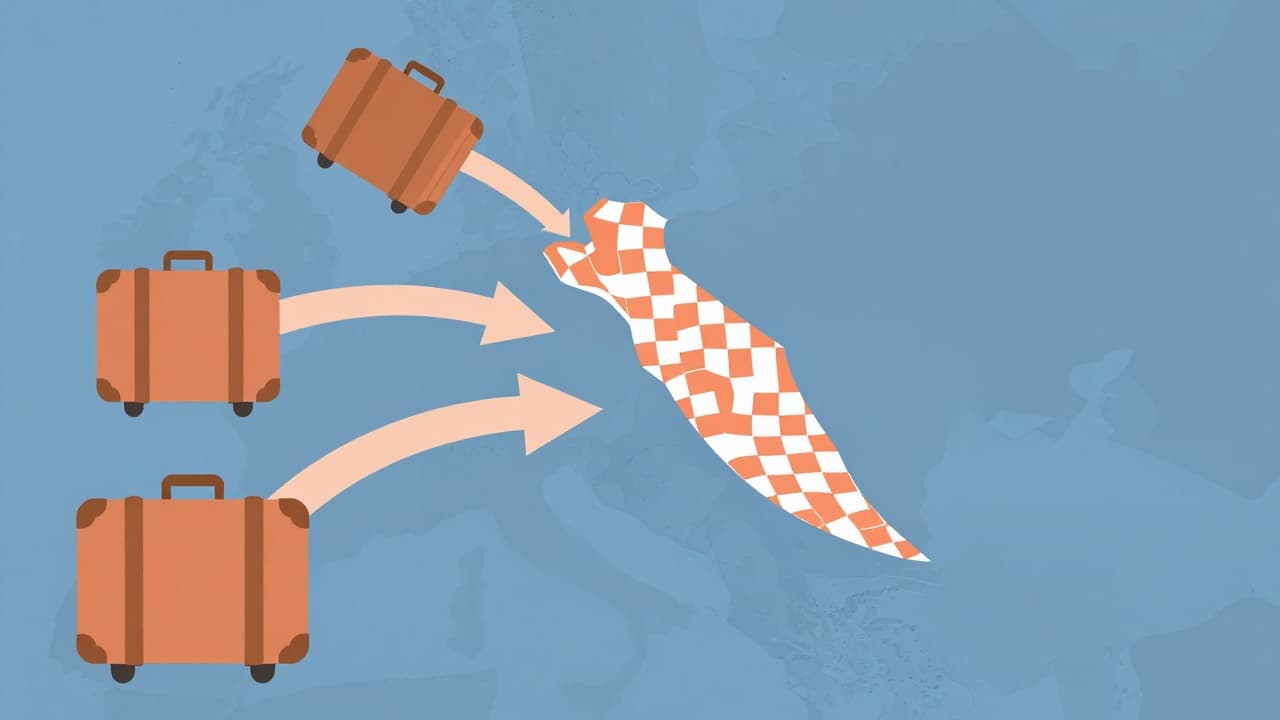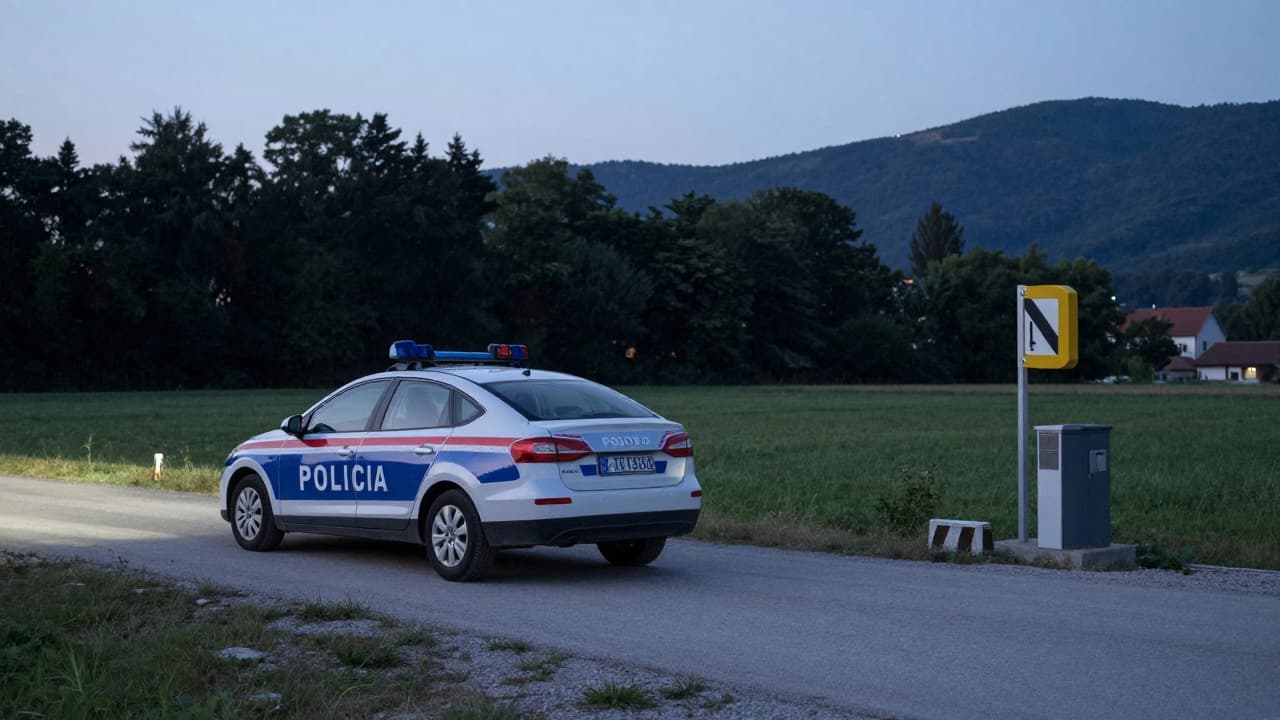
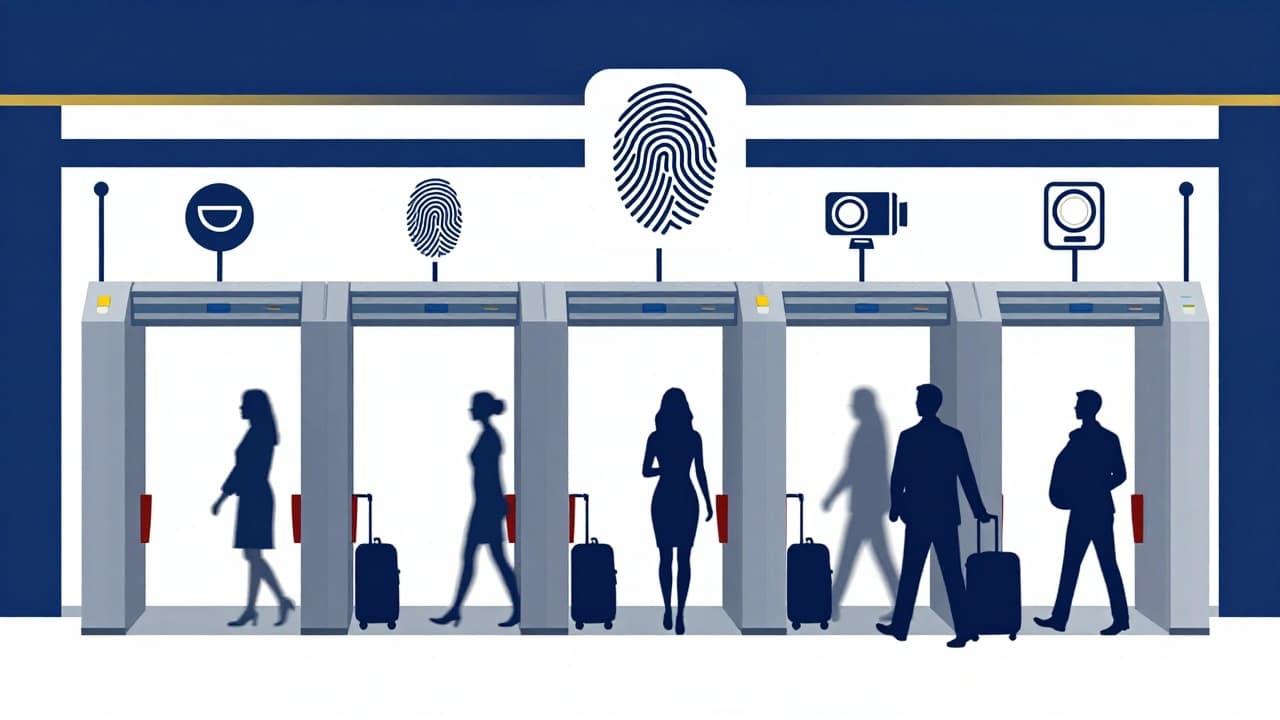
The automated entry and exit system (EES) has rejected entry to Croatia for more than 5,000 people, Interior Minister Davor Božinović said on Monday. Croatia, he said, has no problems with the new system as it was prepared in time.
"We are one of the countries that introduced the new system first," Božinović said, assessing that it was a 'huge leap' and a 'direct contribution to the security of European citizens', as reported by Index.hr.
The system, whose implementation began in April, records fingerprints and photos of passengers at border crossings. At the EU level, around 110 million passengers have been registered so far, with more than 50,000 people turned away on security grounds. Croatian borders therefore account for roughly one in ten rejections in the EU.
A number of member states are nonetheless seeking a relaxation of the rules. Nine countries — Belgium, France, Germany, Greece, Italy, Malta, the Netherlands, Portugal and Switzerland — have asked the European Commission to extend the temporary suspension of biometric checks. Current rules allow for a temporary suspension of these checks when large queues form at border crossings, but this provision expires on 6 September. The nine countries wish to retain the exemption during the peak tourist season, in which they expect the greatest pressure on borders.
The EES is the first step in a broader border control reform: the next is the ETIAS, the travel authorisation, the start of which has been postponed from autumn 2026 to the beginning of 2027. The authorisation will cost 20 euros and will be valid for three years.