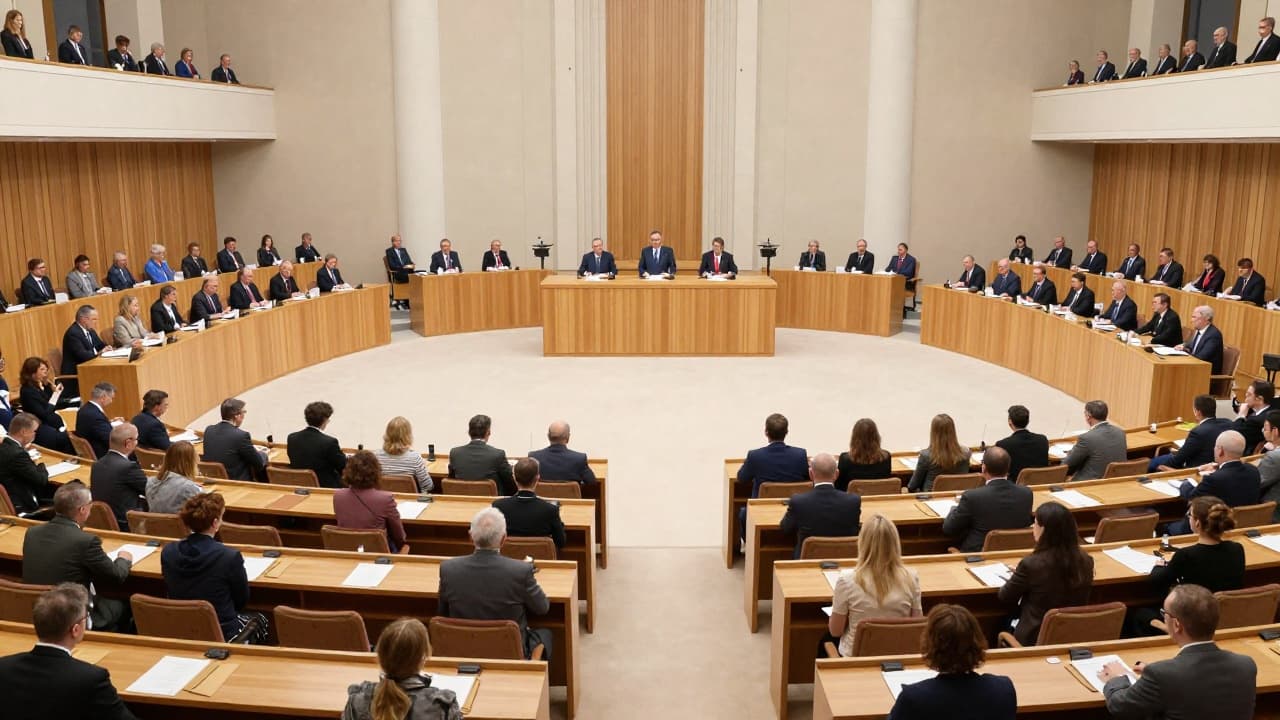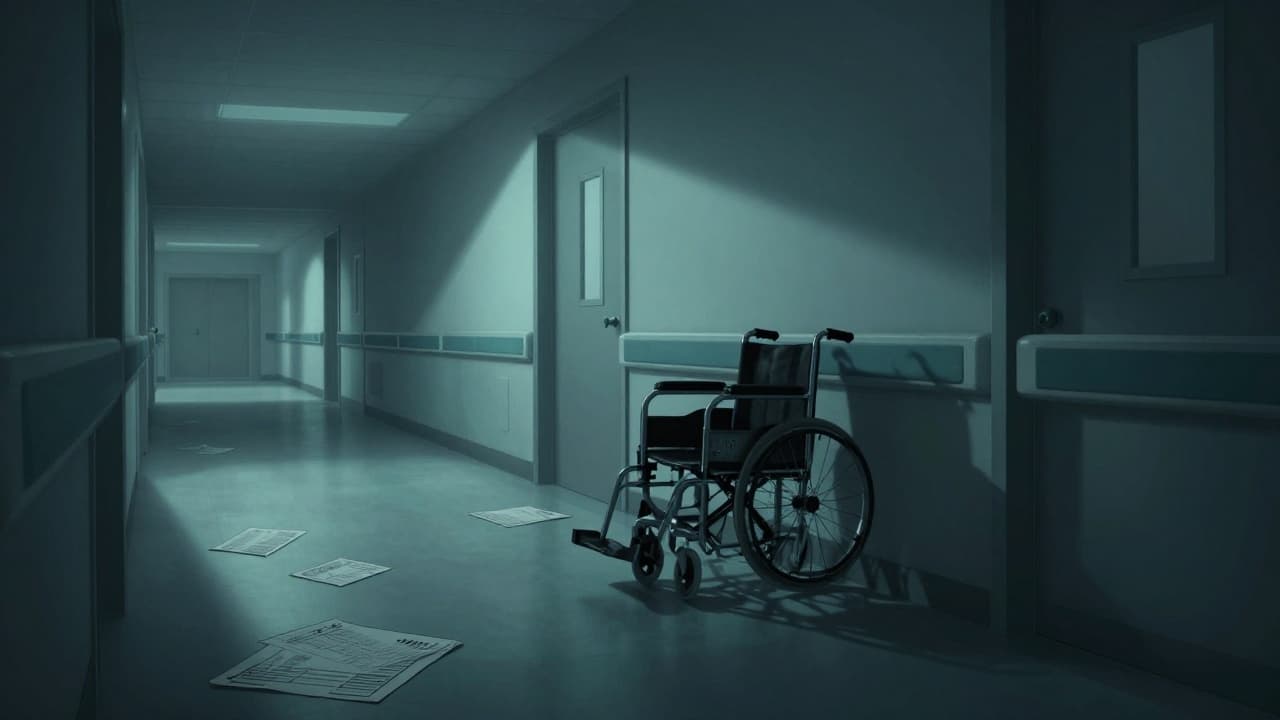
After a short break, members of parliament returned to their seats, and the new session of the Croatian Parliament (Hrvatski sabor) opened with a heated current affairs morning. Alongside standard economic issues, the main topic of political confrontation became the tragic death of 32-year-old patient Kristijan Josip Periš in the "Sveti Ivan" Psychiatric Hospital in Jankomir.
The death of Kristijan Josip Periš occurred on 21 October, and four medical technicians are being charged for it. The suspects are currently in pre-trial detention for the criminal offence of aggravated murder. Prime Minister Andrej Plenković asserted that footage of the incident clearly indicates that it was a murder of a young man in a hospital under the jurisdiction of the City of Zagreb. He simultaneously attacked the opposition for applying double standards.
Plenković told opposition MPs: "If this horror in Jankomir had happened in Vinčica Hospital, on Merkur or at Rebro, you know who would be responsible for the aggravated murder? Me and Minister Irena Hrstić. You know who would be saying that? You! Look, Ivana Kekin is nodding, she would be the first to say it! That is how you act. You are corrupt, you are liars!" He also accused them of dealing with "mid-level issues" at the height of what he described as the cover-up of a murder in a city hospital. He added: "You are not guilty of that murder, but if it were the other way around... Shame on you, hypocrites of double standards", targeting MPs from Možemo! and the SDP.
In the Croatian Parliament, there was also a sharp verbal exchange after MP Marijana Puljak raised the issue of the tragedy in Omiš. Puljak asked who was responsible for the fact that the system for sending warnings to citizens about danger had not been activated. Parliament Speaker Gordan Jandroković responded sharply, telling her she should be ashamed because, as he said, she has been politically exploiting the tragedy for weeks. He accused Puljak of being a "vulture" on the tragedy and politically accusing the Government, even though, according to him, the competent services had been sent to the scene to participate in remediation efforts. He told her: "Feel free to report me to all committees".
Health Minister Irena Hrstić confirmed before the start of the session that information about this tragic event reached the Ministry only yesterday, meaning there is an incomprehensible delay of 15 days. She emphasised that the prompt sending of information is a protocol obligation of all health institutions. "The situation itself and the handling are unacceptable, but one must look at all the circumstances that led to it. We sent the health inspection to determine the circumstances. It is regrettable that it took 15 days to inform the Ministry. Someone had to know it", Hrstić stated. She rejected criticism that this is a systemic problem, emphasising that she considers it a matter of individual responsibility, and shifted part of the political responsibility to the Zagreb city authorities. "It is unacceptable that there is no clearer criticism and clearer information from the City of Zagreb because they are the founders. My task as a minister is to seek answers to open questions, regardless of who the founders are", she said, rejecting claims that the Ministry is using this tragedy for political purposes.
SDP President Siniša Hajdaš Dončić opened the economic front, asking Prime Minister Plenković if he cares at all about the fate of Croatian citizens in the current economic circumstances. "Inflation is almost 5 per cent, and you gave pensioners 8 euros. Congratulations! You have emptied the pockets of Croatian citizens, but filled the state budget. The average family in Split needs 19 years to not eat and not spend anything to buy an apartment. Your reform of the Croatian health system is Beroš and Zadravec", Hajdaš Dončić stated. Plenković ironically congratulated him for "not running away like last time", and called him the "least talented leader of the SDP". He defended the achievements of his Government by comparing them with the period when Hajdaš Dončić was Minister of the Sea, Transport and Infrastructure. "Your legacy when you were a minister in the Government is quite rich. You wanted to monetise Croatian motorways, you did not want to build the second tube in the Učka tunnel, you did not want to build corridor 5c. During your government, the average salary grew by three per cent in four years, while during our government salaries have increased by more than 100 per cent!"