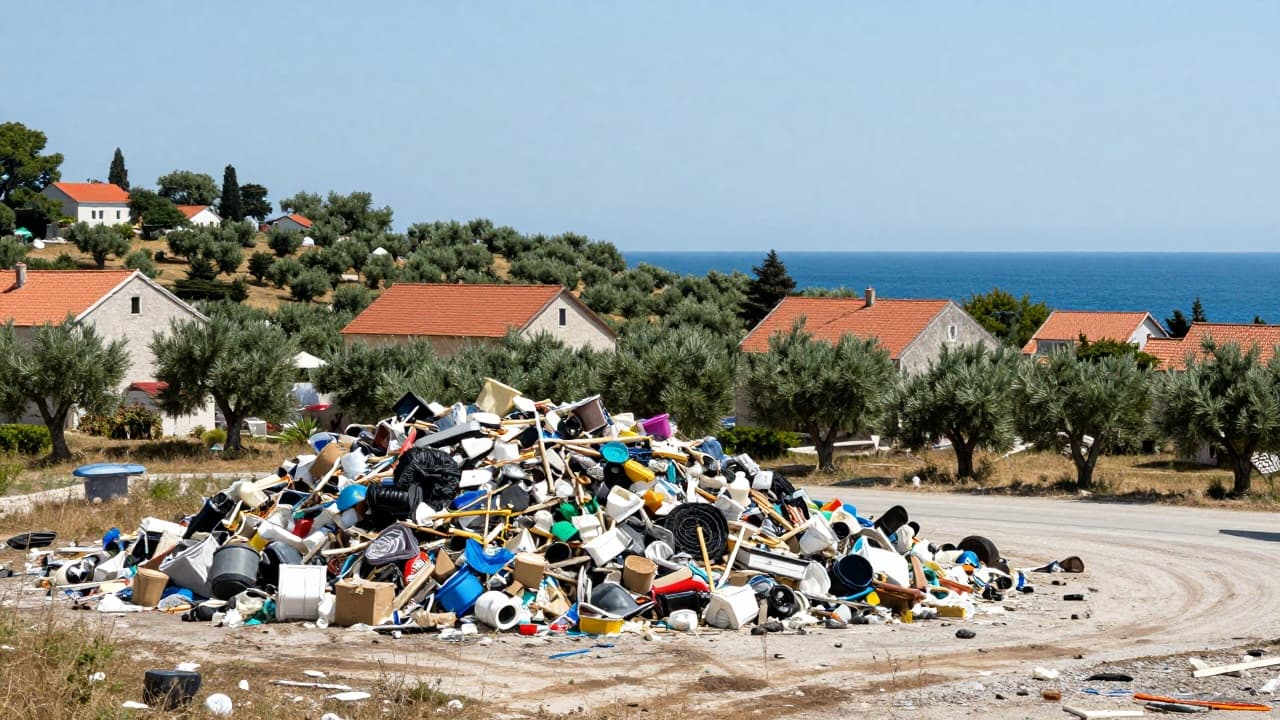
Prime Minister Andrej Plenković presented his views on the controversy surrounding waste in Lika, stating that the media coverage is creating unnecessary panic. The government believes the media reporting is causing significant economic damage, particularly to local farmers, whose produce, such as potatoes, is being targeted by negative marketing. Plenković stressed that the situation is under control and that the cleanup is proceeding according to plan, despite claims by critics who warn of serious ecological consequences.
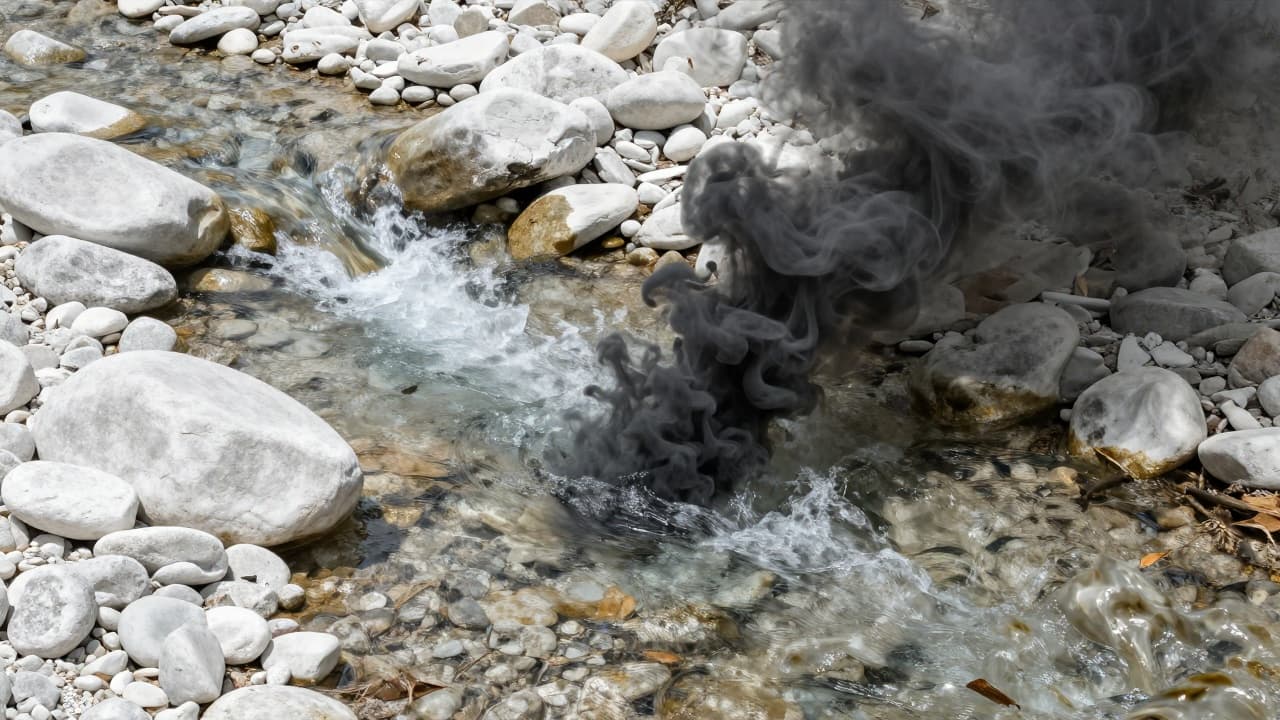
The core of the debate concerned the reliability of the data. The government highlighted that the Croatian Institute of Public Health (HZZ) publishes transparent information, and that there is no danger to the health of residents in regions such as Raša and Našici. Studies, however, have identified the presence of 737 milligrams of styrene per litre in groundwater, and a Teflon compound was found in the Lika river. Furthermore, more than 6,400 tons of waste with elevated levels of heavy metals were discovered in Benkovac, indicating the seriousness of the environmental burden.
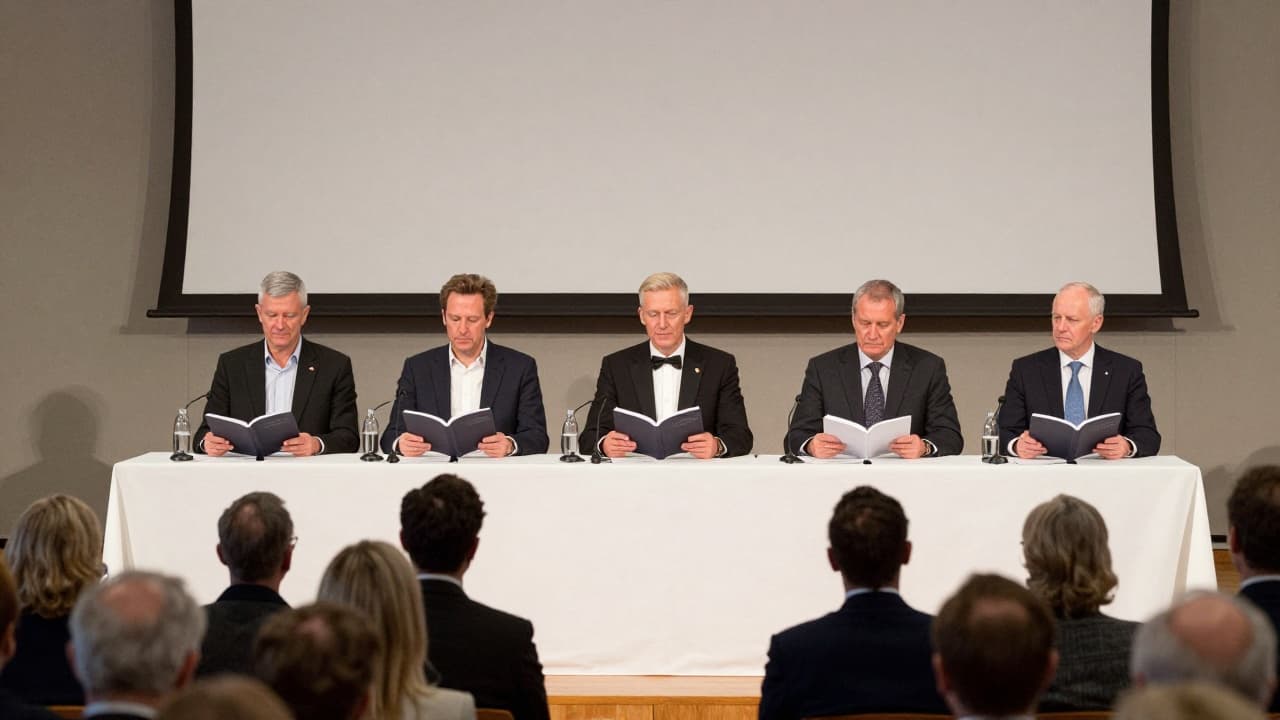
The government, in response to the challenges, established a scientific council for waste management in Gospić, headed by Stjepan Lakšić. The aim of this body is to provide the public with an objective interpretation of the findings, neutralising misinformation. At the same time, a decision was made regarding the deadline for the removal of waste from the PPK Velebi site, with the aim of alleviating the current pressure on the environment. Civil initiatives, such as 'Gospić is our home', have critically commented on the appointment of experts, stating that the measures are not fast enough and lack transparency.
On the other hand, the tabak group has withdrawn from the waste disposal works, which has further complicated the situation. The government stressed that the cost of the cleanup would be passed on to the polluters, similar to the case in Benkovac. Although polls show a decline in the popularity of the ruling party, the government insists on expertise and a scientific approach, stating that all measures are under control and that the situation is a temporary, albeit serious, environmental crisis.