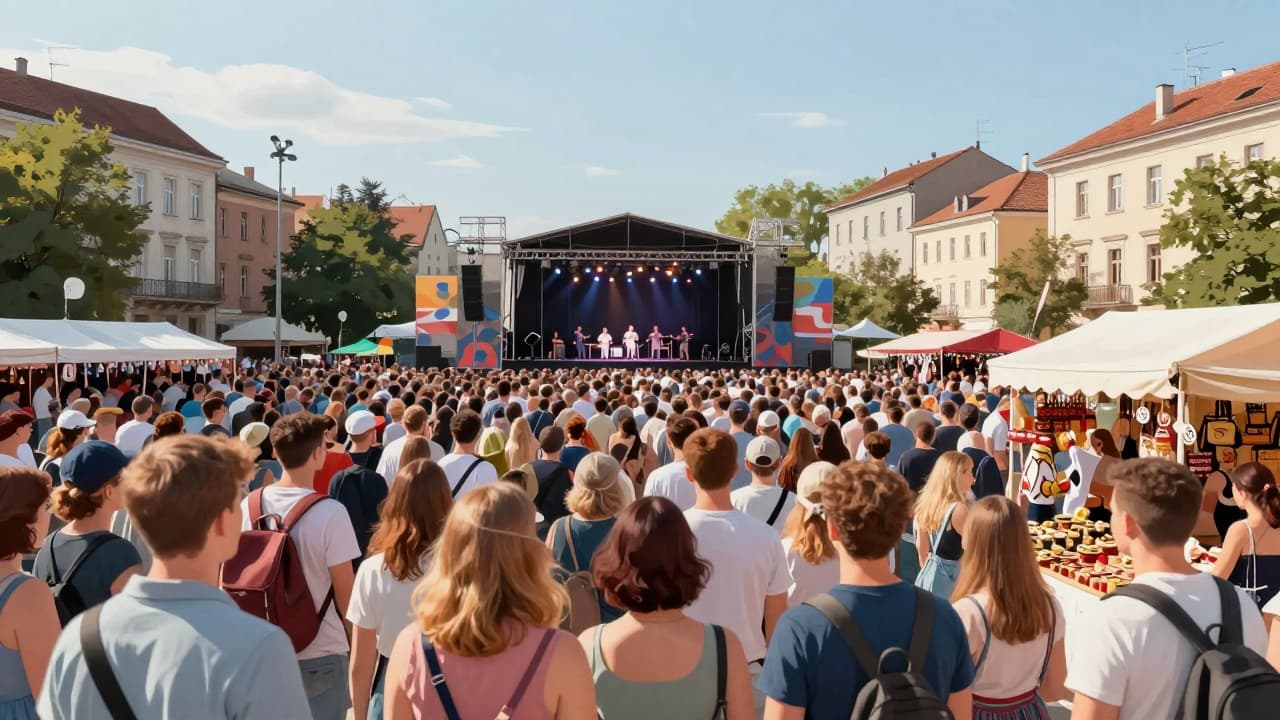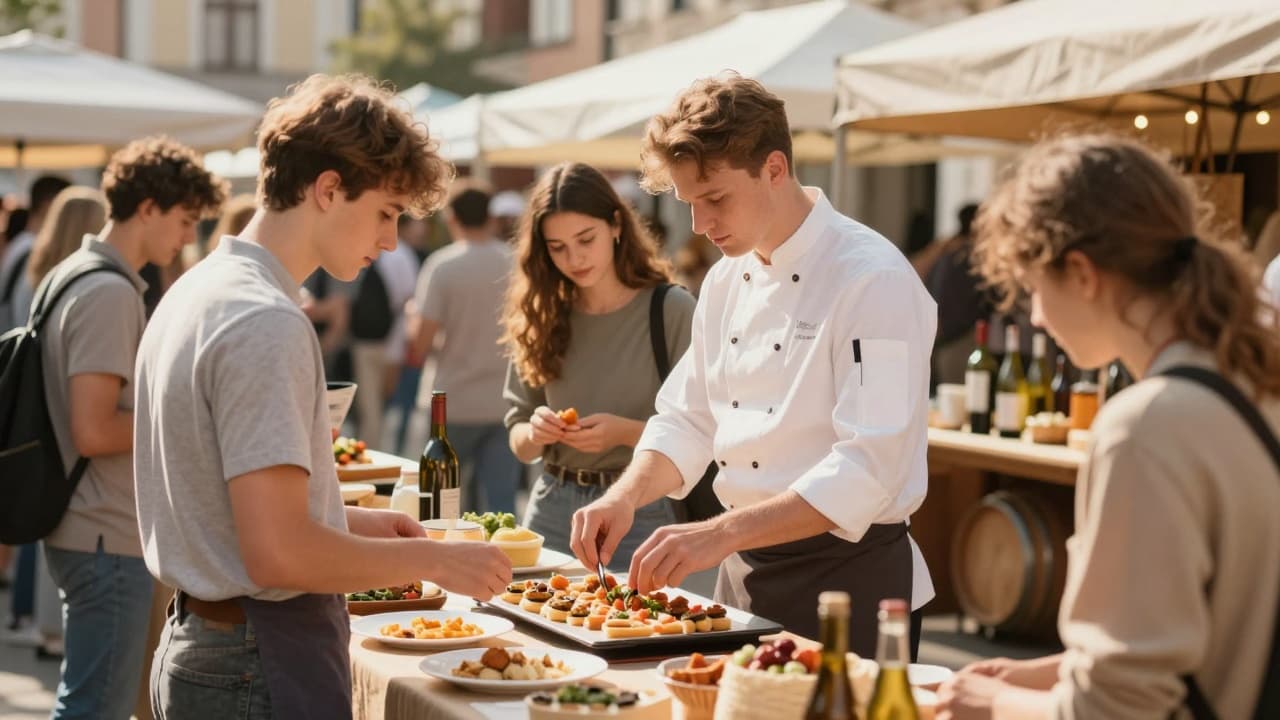
Beli Manastir hosted gastronomic events over the weekend. A gastroshow was held at the City Market, alongside the 'Tastes of Baranja from the Baranja Market' event.
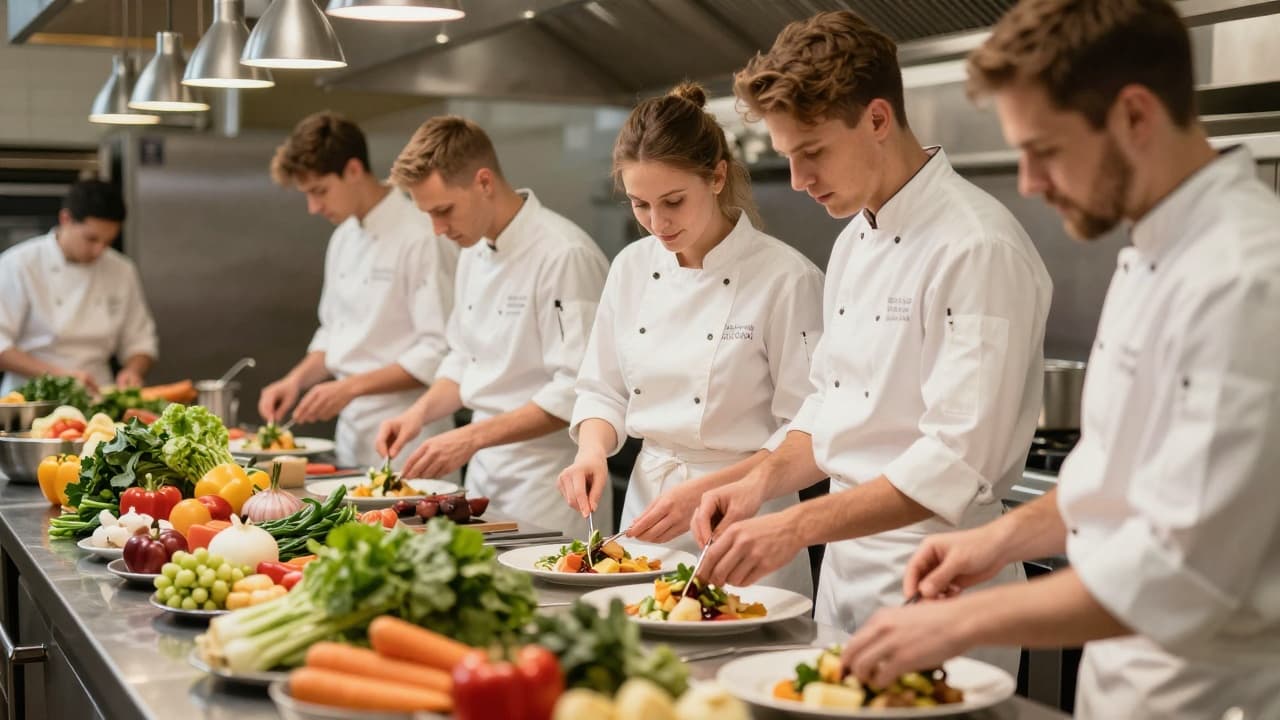
The main star of the gastroshow was chef Igor Vlatković, who prepared dishes with the assistance of students from the Second Secondary School in Beli Manastir. He prepared several hundred bites, opting for carp chips seasoned with a little sriracha, balsamic vinegar and onion chips. The side dish was a coleslaw salad made from fresh vegetables, most often grated cabbage and carrots, with mayonnaise, salt, pepper and lemon juice, to which a little honey can also be added.
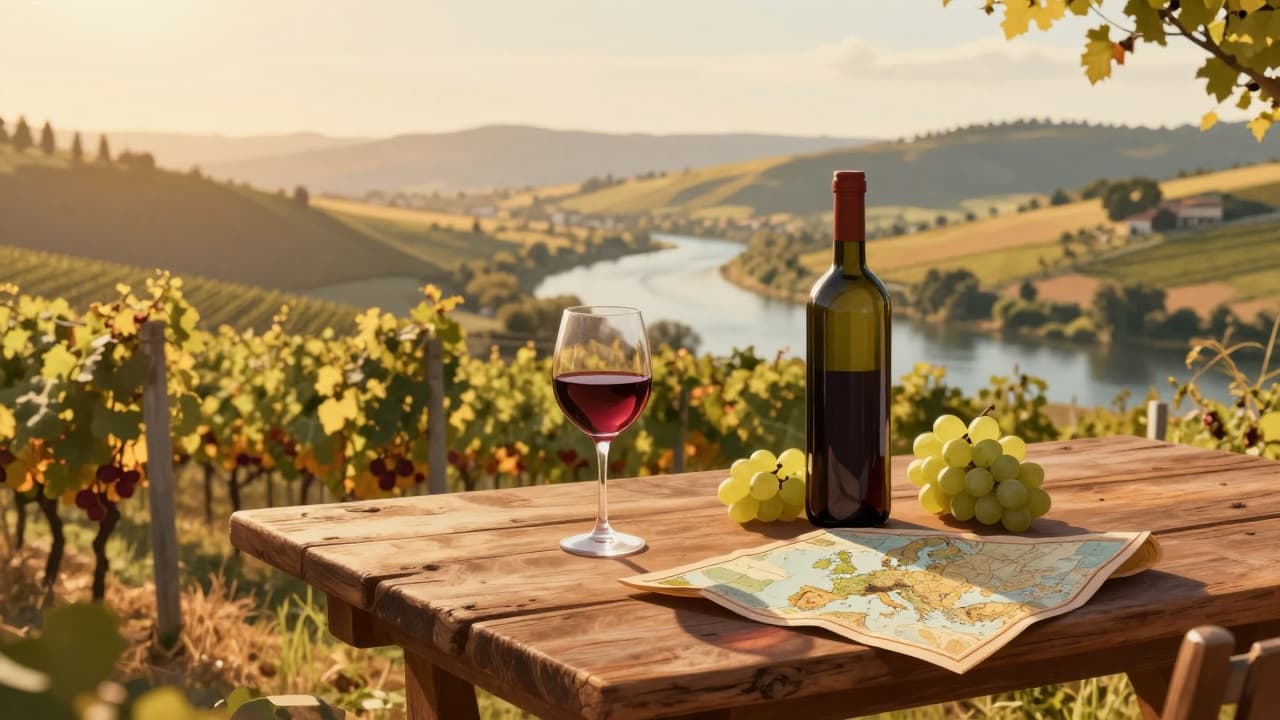
The atmosphere was enhanced by members of the Zmajevac Baranja Vinegrowers Association. To the sound of music from the 1970s and 1980s, the winemakers served mulled wine.
Chef Vlatković is currently the head chef of the Stari Toranj restaurant in Vukovar. He has experience from the Baranja Citadel, Goveđa Glava in Našice, Karaka in Osijek, Drvena Bajka in Bilje and other restaurants.
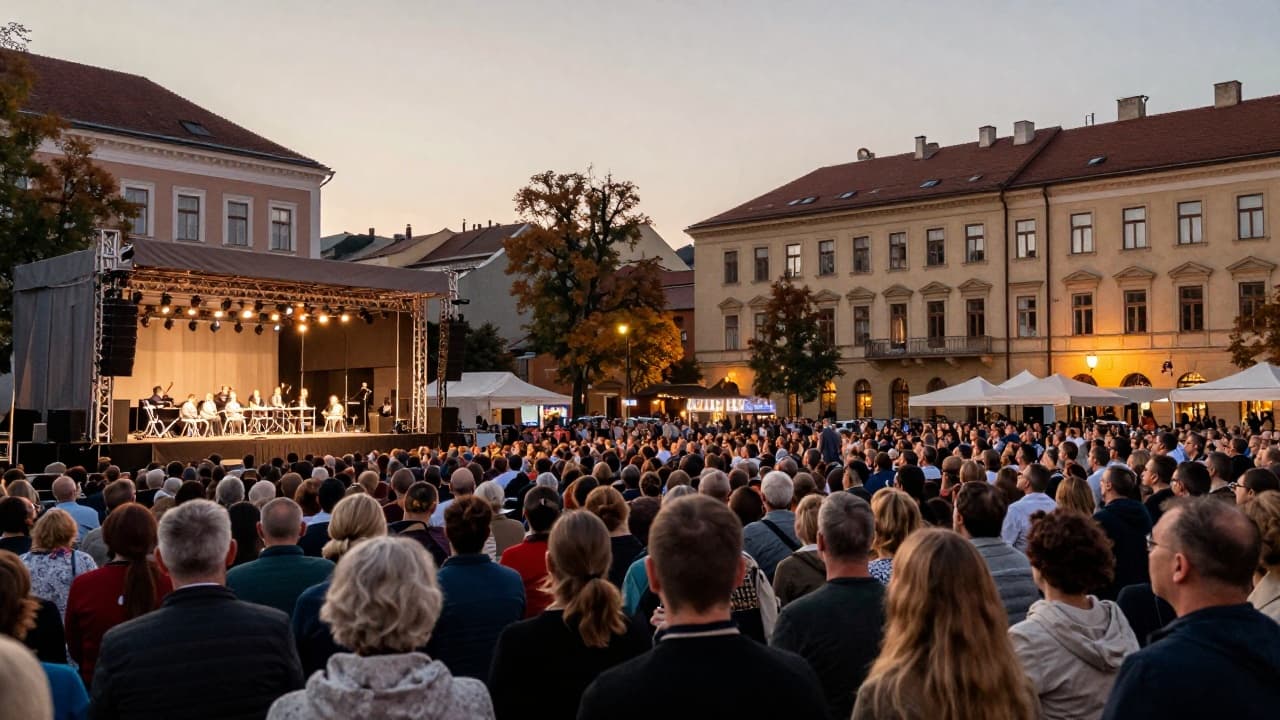
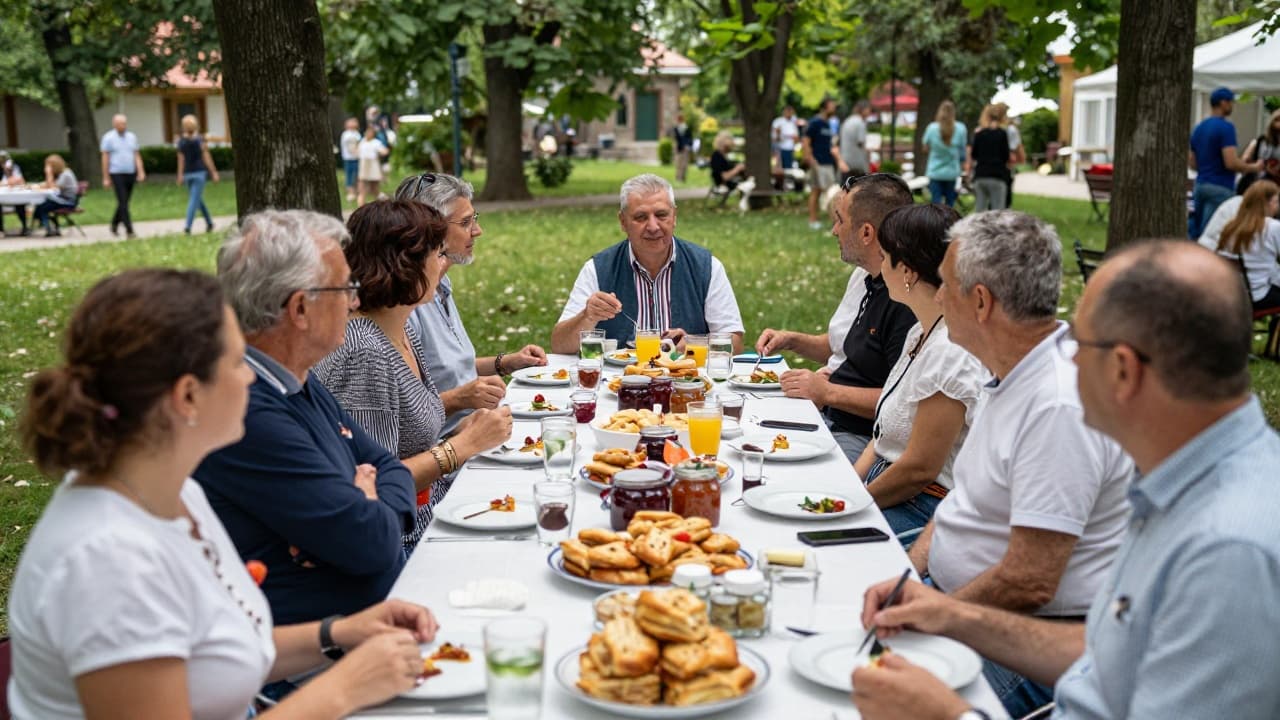
A professional conference titled 'How to turn Baranja's enogastronomic tradition into a premium tourist product?' was also held at the Ethnological Centre of Baranja Heritage. The conference was dedicated to the development and positioning of Baranja as a top-tier enological and gastronomic destination, the preservation of authenticity, the improvement of experience quality, and the branding and networking of local stakeholders.
Dijana Katica, president of the Croatian Association for Tourism and Rural Development Club of Selo Members, emphasised that this is a classic theme for Baranja, which is increasingly becoming a motivation for tourist visits. She stressed that the conference would serve to show what entrepreneurs are doing and how experts and science view the matter. She added that today's guests are not looking for just quality food and wine, but a complete experience.
Dr sc Rikard Bakan, a professor of professional studies at the Virovitica University of Applied Sciences, explained to the audience how one becomes a gastronomic premium product. He completed his doctorate on the study of the gastronomic offer in Slavonia, Baranja and western Srijem, and developed a model in his dissertation that should help. He emphasised that a destination becomes premium if there is synergy among all stakeholders, adding that Baranja already has recognisability and authenticity.
The panel discussions were attended by Ivan Gerštmajer, president of the Baranja Vinegrowers and Winemakers Association; Igor Vlatković, chef at Stari Toranj restaurant; Viktor Tašić, director of Didin Konak; Dr sc Rikard Bakan; Andrej Kristek, director of the Osijek Hospitality and Tourism School; Ivana Jurić, deputy director of the Osijek-Baranja County Tourist Board; Matej Perkušić, director of the Baranja Tourist Board; Nina Dumančić, director of the Materra Hotel; Željka Kovčalija, owner of the Dunav Ilok Hotel; and Dijana Katica.