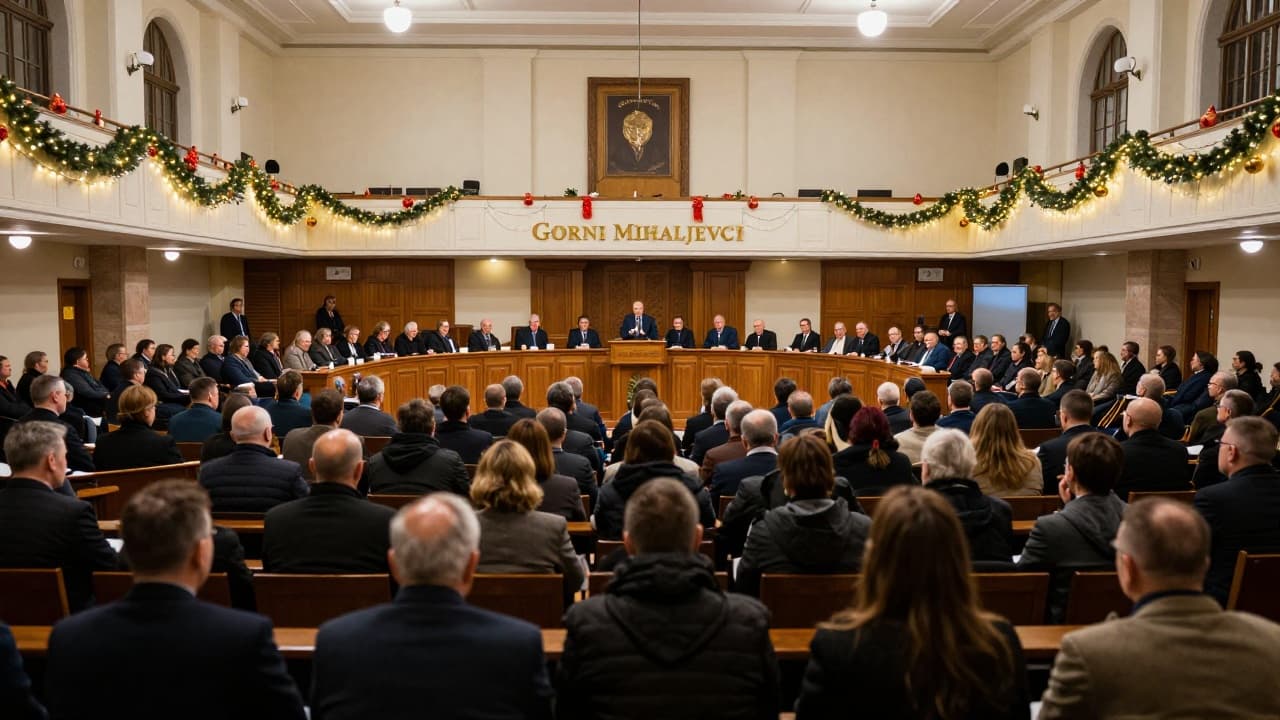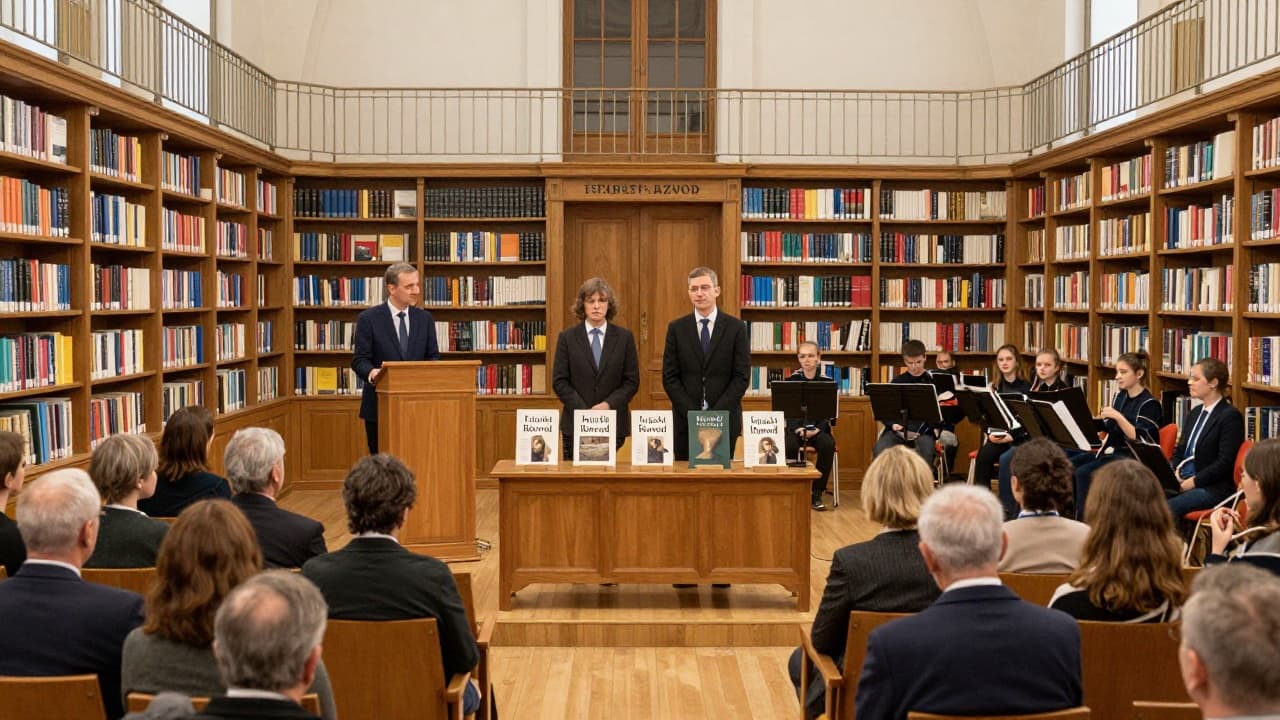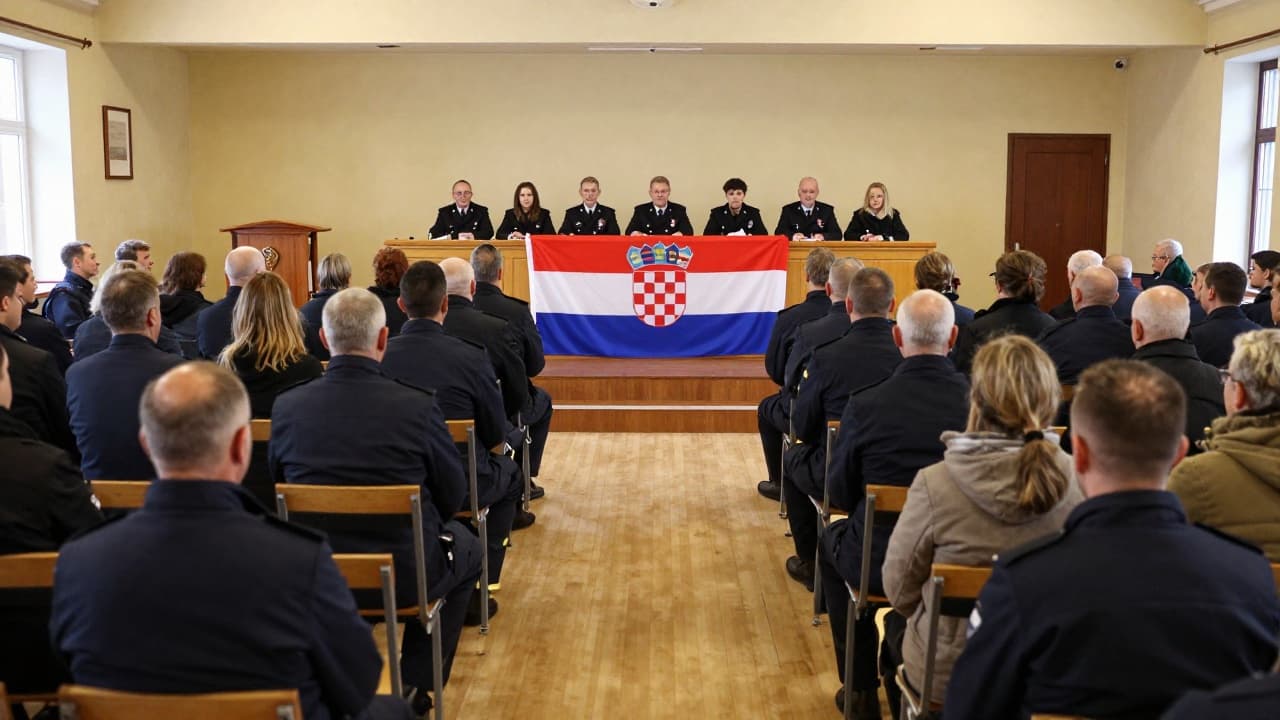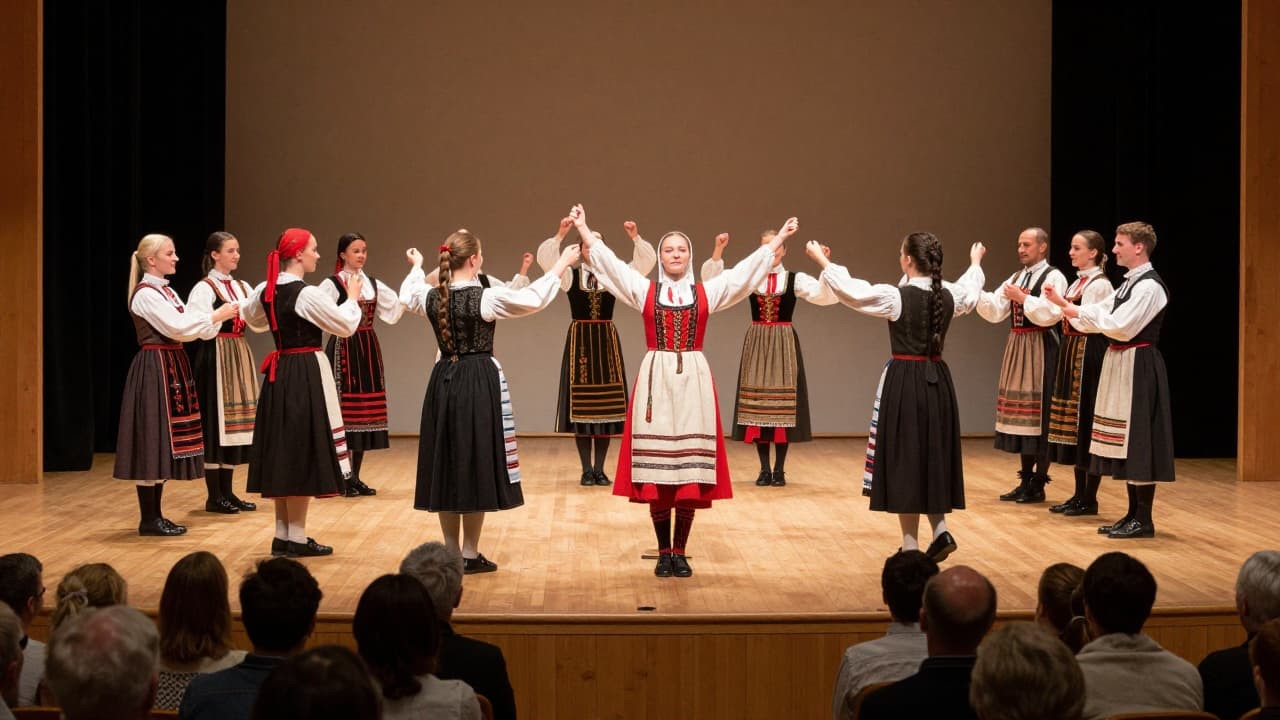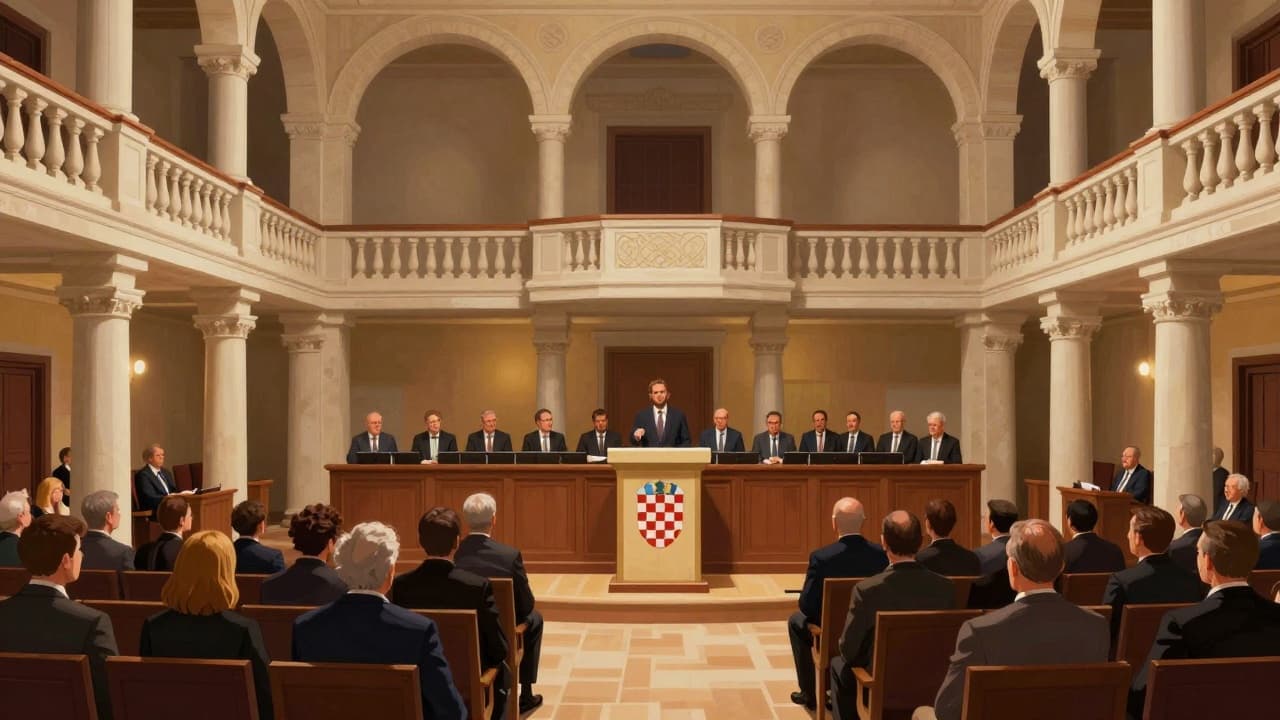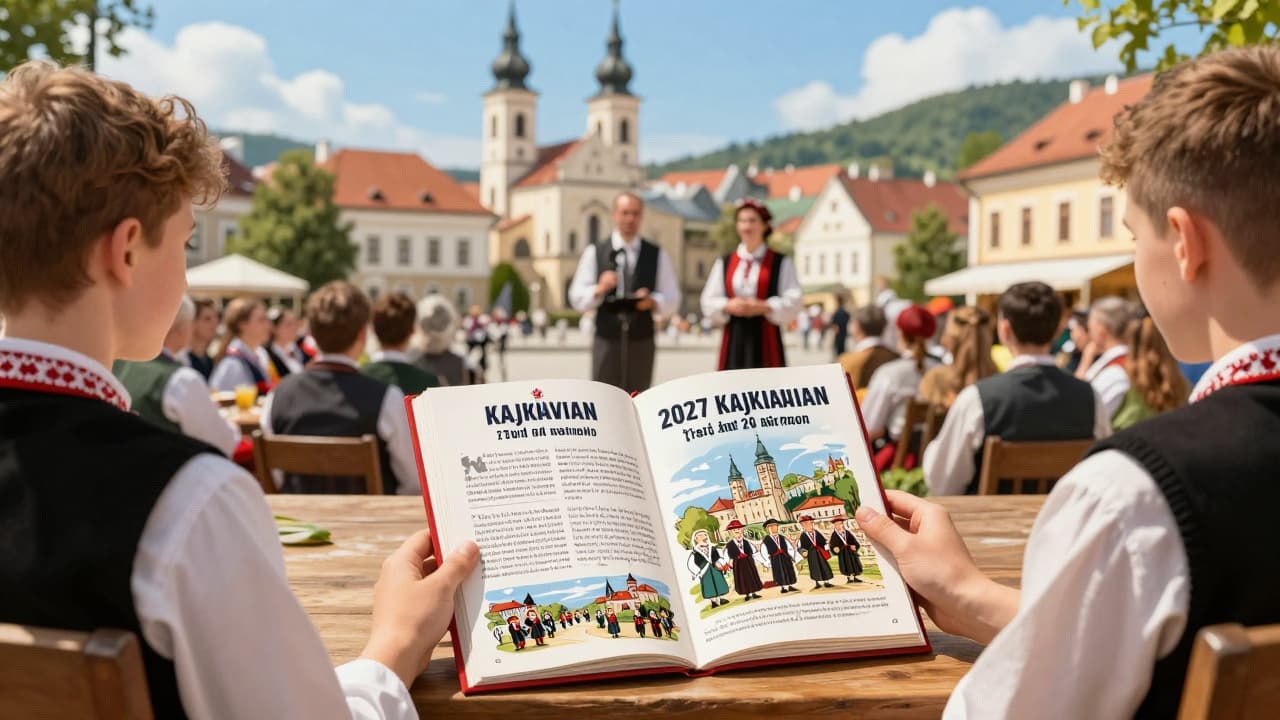
On Friday, 27 November, the new edition of the Croatian Kajkavian Calendar for 2027 was presented. This traditional annual publication is issued by the Čakovec branch of the Croatian Society (Matica hrvatska). The new edition features a series of historical, cultural, scientific and literary contributions dedicated to Međimurje, its past, people and heritage.
This year's edition is particularly marked by the 500th anniversary of the election of the Habsburgs as Croatian kings at the Cetin assembly in 1527, an event that signalled the beginning of nearly four centuries of Habsburg rule in Croatia. Editor Anita Novak highlighted the importance of linking major historical anniversaries with local themes and the specific characteristics of the region, while deputy editor Saša Vuković presented the historical context and significance of this year's theme, as well as its connection to Međimurje's history.
Matija Posavec, the county prefect of Međimurje County, emphasised that the Croatian Kajkavian Calendar is much more than a book, as it represents a permanent record of identity, history, culture and the particularities of the region. He praised the work of the Čakovec branch of the Croatian Society and its numerous activities throughout the year, describing the value of the Calendar as a kind of small encyclopaedia of Međimurje's heritage in the foreword to this year's edition, titled 'A Small Encyclopaedia of Rich Heritage and Culture'. In the foreword, he reflected on the importance of continuous research into Međimurje's past and the creation of a valuable written legacy for future generations, as well as the long-standing cooperation between Međimurje County and the Čakovec branch of the Croatian Society. The result of this cooperation is, among other things, the launch of the Bibliotheca Murodravana library, within which numerous valuable works have been published, enriching the local literary fund. The prefect stressed the importance of continuing to research and document the history of Međimurje and leaving future generations with as many relevant insights as possible about the region's rich material and intangible heritage.
Ljerka Cividini, the mayor of the City of Čakovec, stressed that the Calendar is more than an ordinary annual publication or magazine dedicated to a specific event, literature or individual. She said that the Calendar is part of the identity, a guardian of the past and a promoter of the present and future. She recalled that such calendars once brought families together, from which people learned about glorious history, discovered new facts about their homeland, and read literary works by family members and acquaintances. She also highlighted that the Calendar continues to promote writing in the Kajkavian dialect, reminds people of important dates and figures from the past, writes about current achievements and events, and added that she is pleased that the Čakovec Croatian Society develops and enriches this publication year after year with new, different content.
This year's Calendar also includes a remembrance of people who have left an indelible mark on Međimurje's culture and education through their work and creativity. Among them is Vera Zemunić, a long-standing member of the Čakovec branch of the Croatian Society and a teacher whose literary work particularly benefited the youngest readers. Međimurje County posthumously awarded Vera Zemunić the County Charter in April 2026. The Charter is one of the highest honours of Međimurje County, awarded for her invaluable literary legacy and contribution to the development of education in Međimurje.
The Croatian Kajkavian Calendar was first printed in 1993, at the instigation of academician Zvonimir Bartolić, the long-standing president of the Čakovec branch of the Croatian Society. It continues the tradition of the older local chronicle, the Međimurje Calendar, and over more than three decades of publication, it has grown into an indispensable read for anyone wishing to understand and appreciate the history, language, culture and social life of Međimurje.