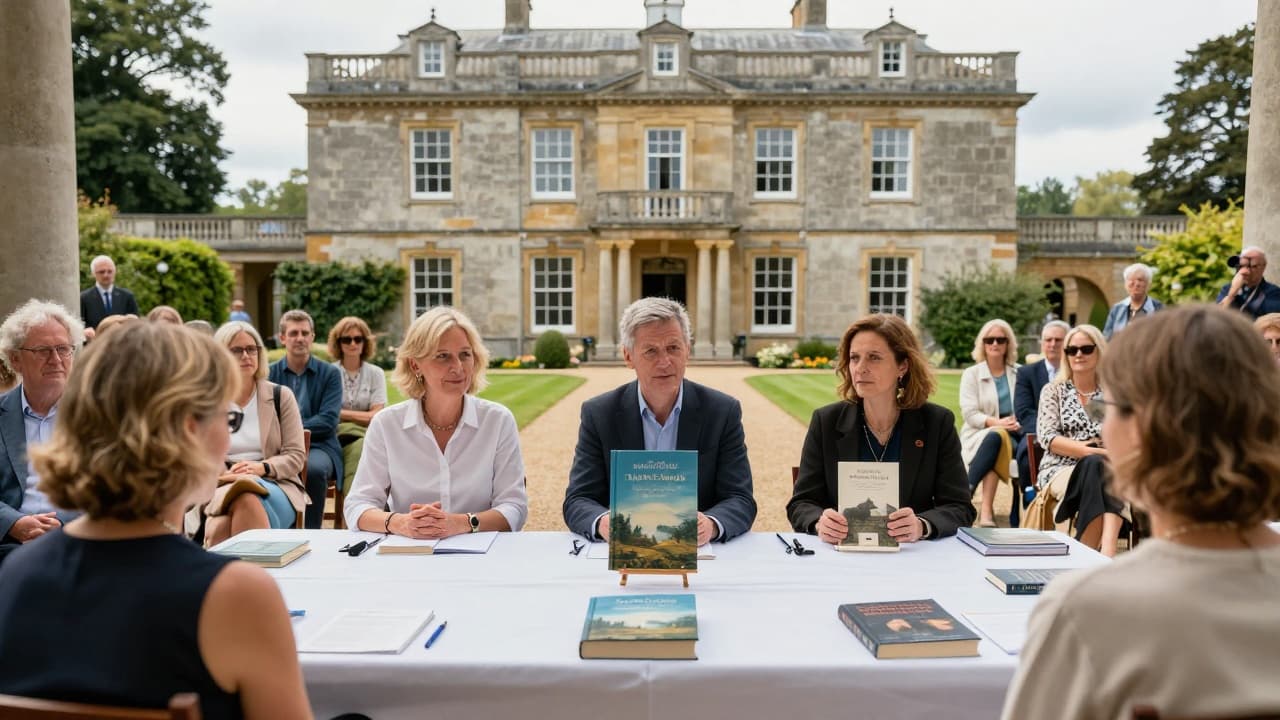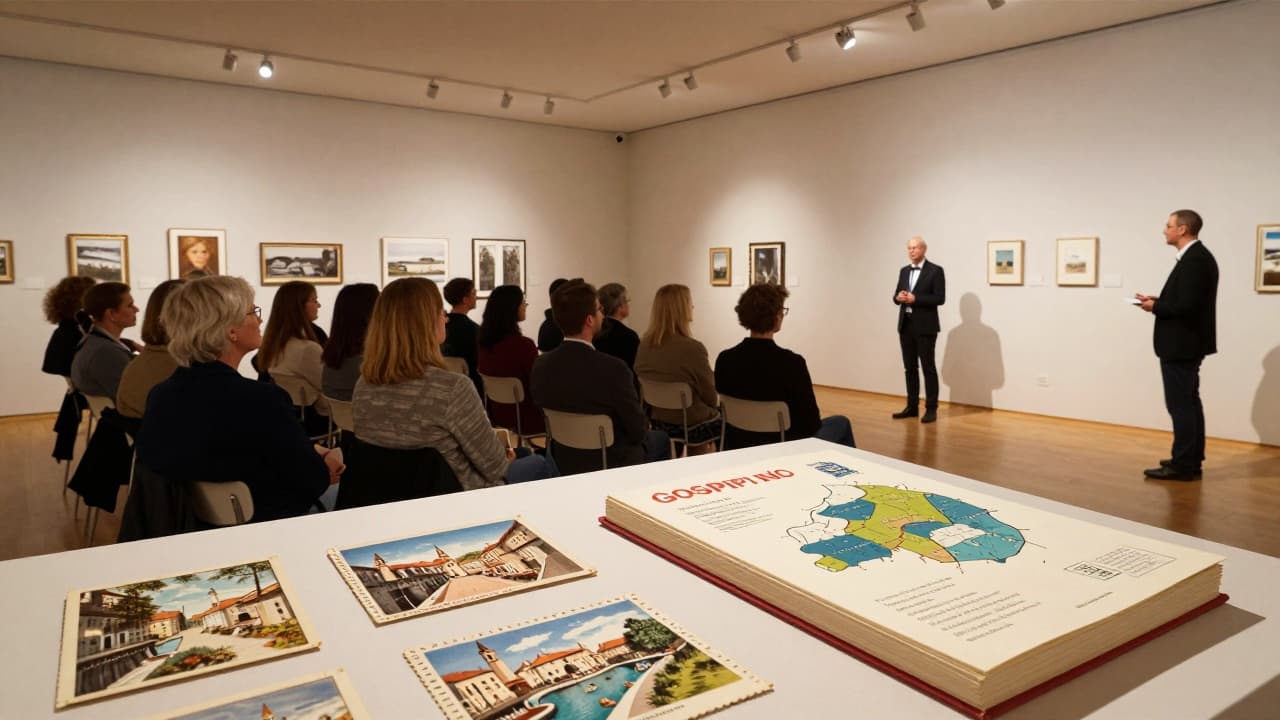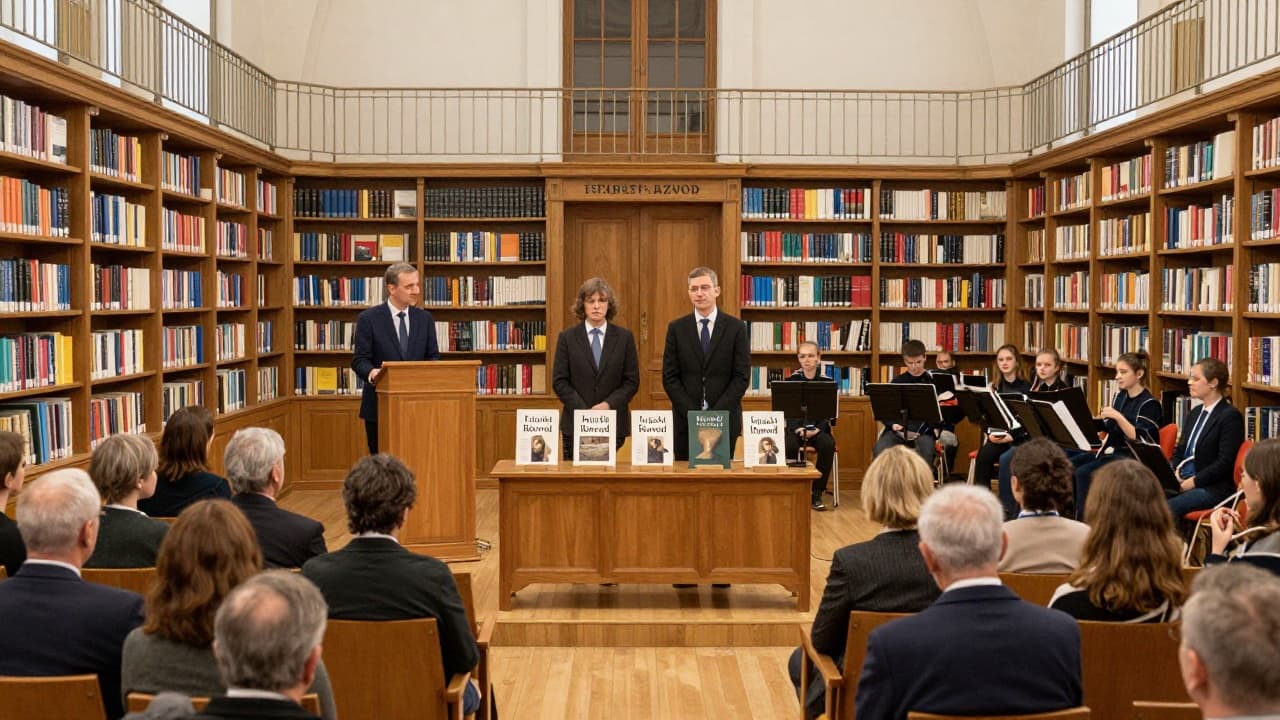
The 38th volume of the Pazin Memorial, titled "Istrian Charter: Glagolitic. Border. Middle Ages", was presented at the State Archive in Pazin. The volume is dedicated to the 700th anniversary of the Istrian Charter, and was discussed by Mirela Mrak Kliman, director of the State Archive in Pazin, academician Robert Matijašić, and Josip Šiklić, the volume's editors.
Mirela Mrak Kliman emphasised that the archive's task is not only to preserve material but to make it known and accessible to the wider public. She stated that the Istrian Charter speaks to the language, script and law of the region, as well as the Glagolitic tradition rooted in Istria. The published volume will remain available in libraries and serve researchers, schools and faculties, while archival and scientific research will bring the subject closer to those who are not specialists. She thanked the authors, editors, reviewers and collaborators, as well as the institutions that supported the publication of the book.
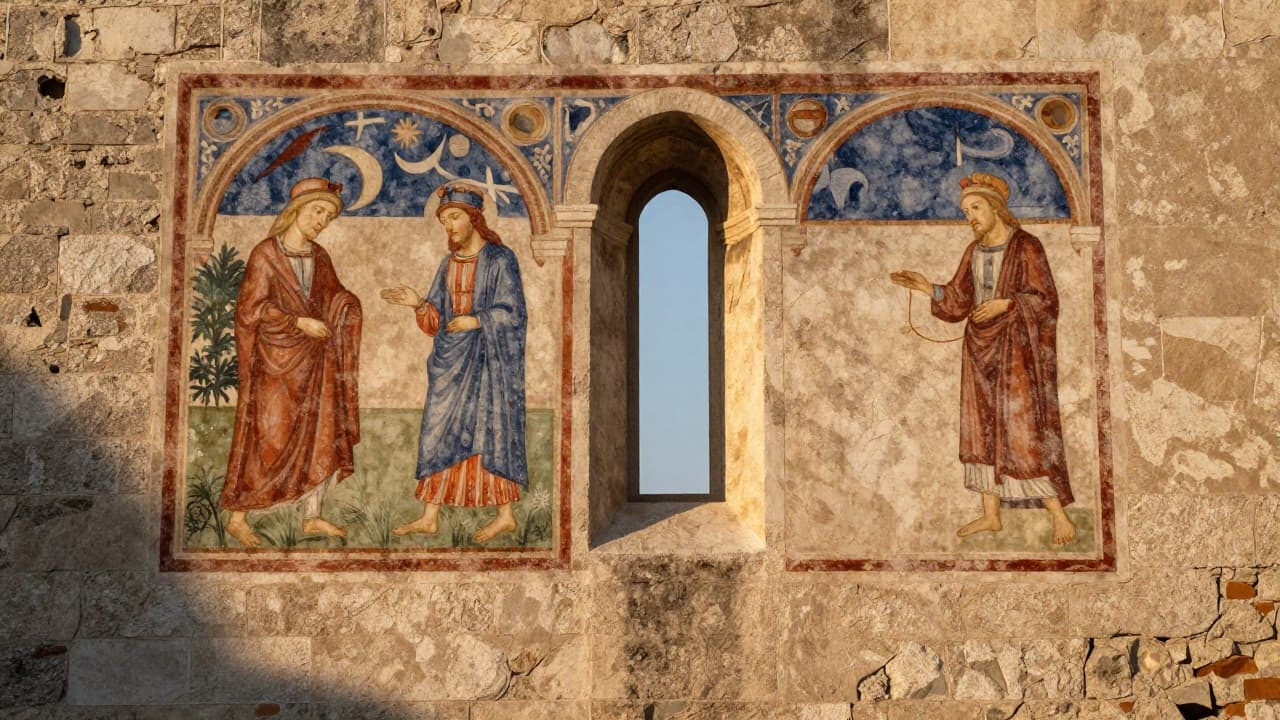
Robert Matijašić stressed that the Istrian Charter volume is viewed not only as a historical document but also as a philological monument and a starting point for understanding the broader cultural, linguistic and social context in which it was created. The 11 papers connect researchers of different generations, and new approaches and archival discoveries allow known sources to be viewed from new perspectives. He recalled the continuity of the Pazin Memorial, which the Chair of the Čakavian Assembly for the History of Istria in Pazin has maintained since 1970, and highlighted that the 38th volume is proof that a local publication can attract a wider scientific and cultural readership.
Josip Šiklić presented the papers published in the volume. A contribution by Darko Komša, Đena Gobić Bravar and Markus Leideck provides an analysis of Carl De Franceschi's correspondence on the Glagolitic script and the Istrian Charter from the second half of the 19th century, including debates on the document's authenticity and Slavic liturgy. Anton Bozanić investigates the work of Bishop Antun Mahnić and the affirmation of Old Slavic liturgy and the Glagolitic script, while Kristijan Žgaljardić examines boundary demarcations, dispute resolution and the importance of witnesses, old documents and local legal practice through the examples of Šumber and Šumberščina. Gordana Čupković compares the readings of the Istrian Charter by Ante Starčević and Josip Bratulić, while Amir Kapetanović analyses the language of the Istrian Charter, its Čakavian substrate and narrative features. Josip Mihaljević presents the creation of a digital timeline of the Glagolitic script and Glagolitism, Milica Mikecin investigates the origin and semantic development of legal terms in the document, Mateo Žagar compares the Glagolitic cursive of the Istrian Charter and the Vinodol Law, Milan Mihaljević presents new findings on Beram Glagolitism, and Vera Blažević Krezić and Milica Lukić examine the more recent history of Istrian Glagolitism and Slavic liturgy.
The volume concludes with a paper by Darko Komša on newly discovered Glagolitic manuscripts in the archive of the Istrian Society for Archaeology and Homeland History in Trieste. The author presents 558 previously unknown documents and records from the 16th and 17th centuries, of which 170 relate to Istria and 378 to Lošinj. Wills, contracts and other records provide new data on legal transactions, family relations, property and daily life.
Josip Šiklić assessed the volume as content-rich, scientifically valuable and thematically coherent. He highlighted that the special value of the volume lies in connecting historical, linguistic, palaeographic, church historical and archival research, and in bringing new insights and previously unknown material. The volume is not just a commemorative edition for the anniversary, but a lasting contribution to the study of Istrian and Croatian cultural heritage and an incentive for new research.
The musical part of the programme was completed by students from the music school. Ivona Luk performed a composition by Gustav Gurlitt, while Filip Erik performed Mozart's Rondo alla turca. The volume was published by the Chair of the Čakavian Assembly for the History of Istria in Pazin and the State Archive in Pazin, edited by academician Robert Matijašić and Josip Šiklić, and supported by the Ministry of Culture and Media, the Istria County and the City of Pazin.