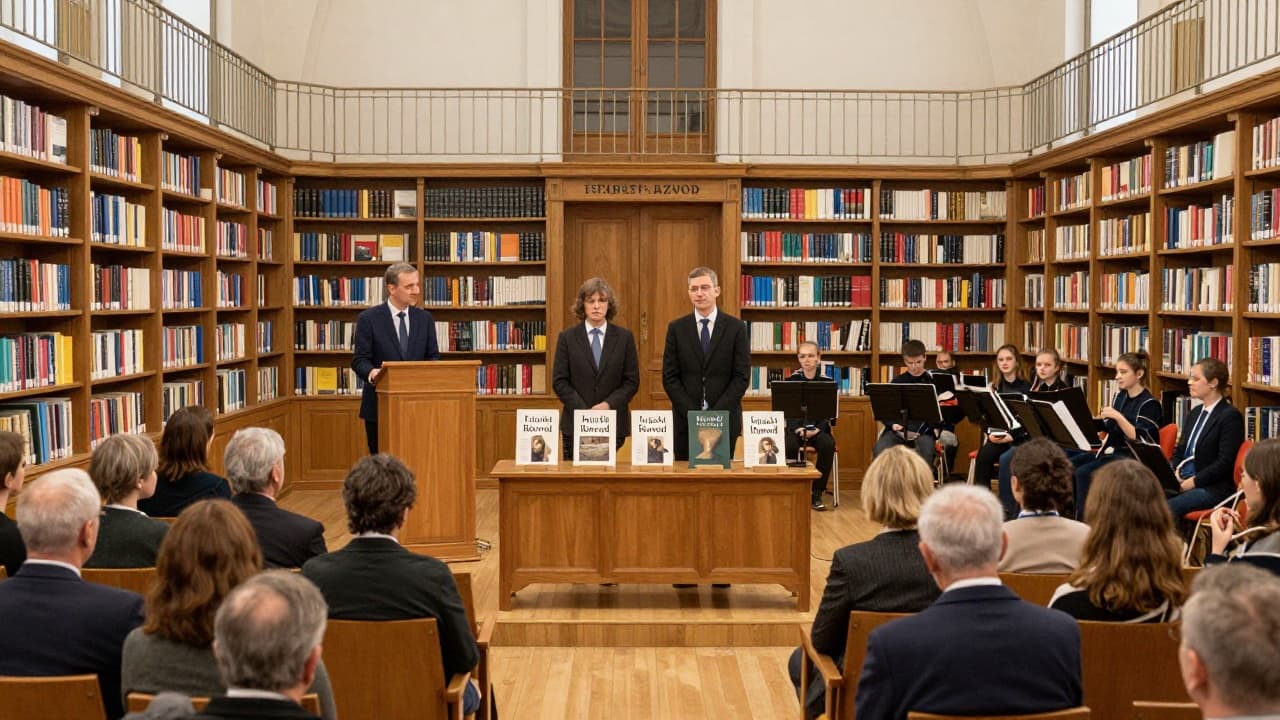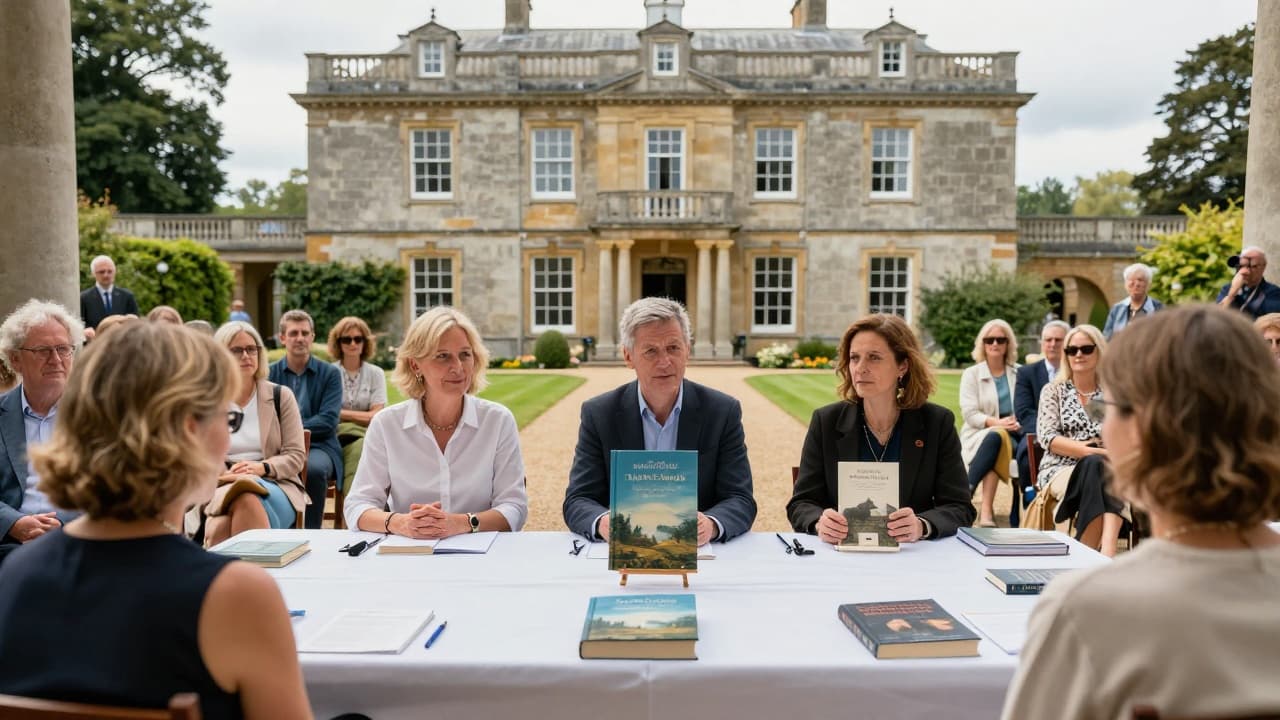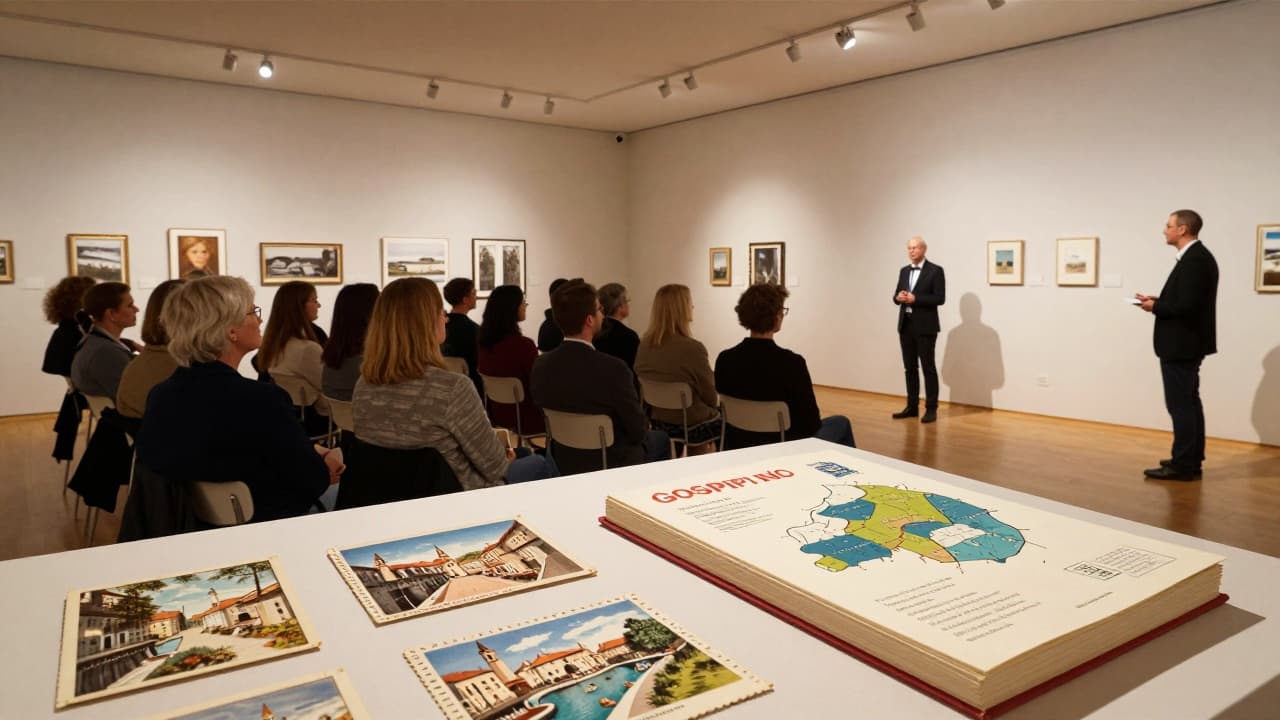
In a packed MUO Gallery at the Museum of Arts and Crafts in Zagreb, the scientific book Postcard of Historical Gospić was presented. The event was organised in cooperation with the Museum of Arts and Crafts Library as part of Croatian Book Month, with the State Archive in Gospić (Državni arhiv u Gospiću) as the publisher.
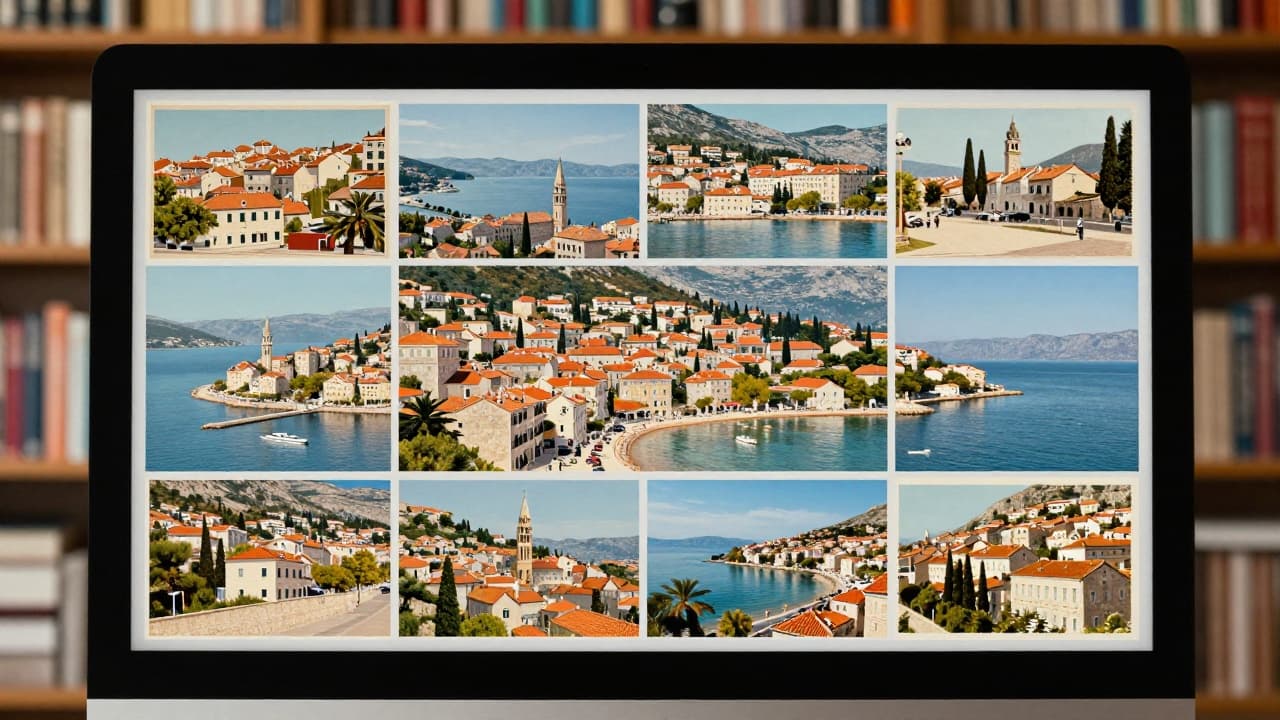
The book offers a multi-layered account of Gospić's development during the second half of the 19th and 20th centuries. Through old postcards, photographs and archival records, it reveals how the city looked over the past century, how its streets, squares and promenades changed, and which buildings marked its history. The authors reconstructed the city's former life using old postcards, photographs, manuscripts and other archival records. The research utilised postcards from the State Archive in Gospić, photographs from the Museum of Arts and Crafts' Collection of Older Photography, and materials from other institutions and private collections.
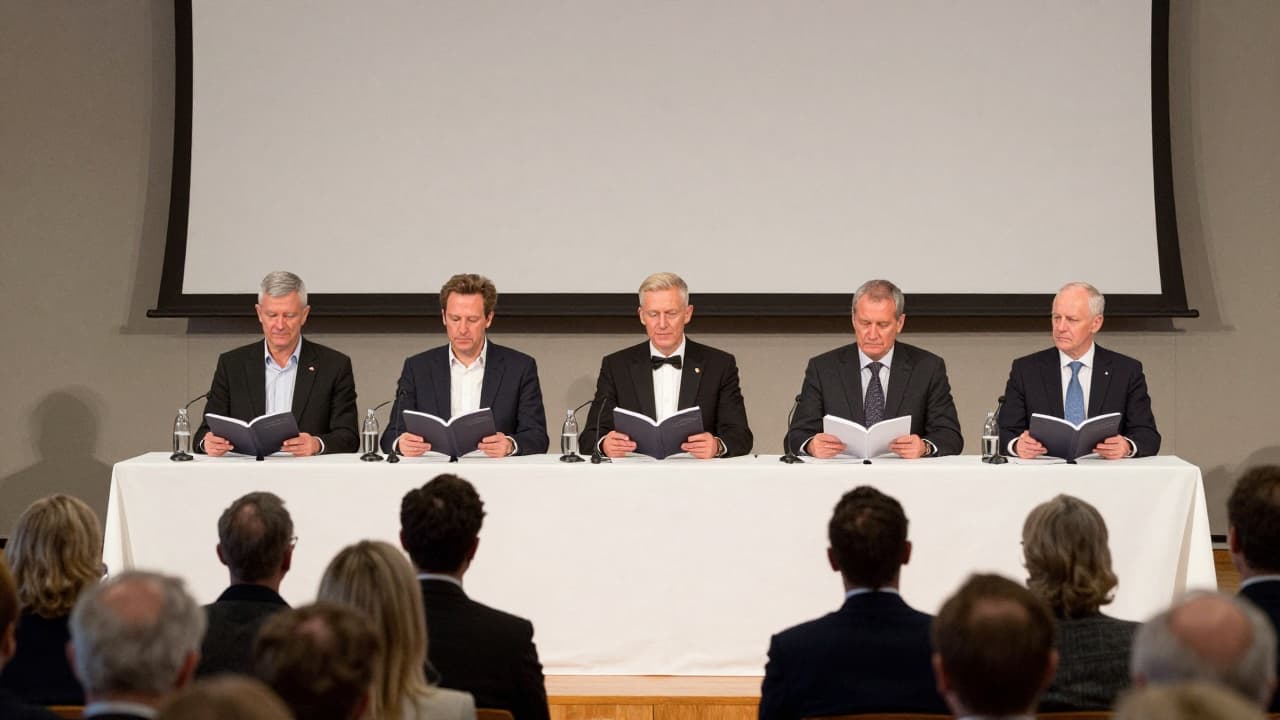
The book was presented by its authors, Dr sc. Ivica Mataija and Dr sc. Antonia Došen. The book's reviewer was Dr sc. Tihana Rubić, while the review by the second reviewer, Dr sc. Ante Gverić, was read by programme director Martina Jurišić Herceg in his absence. Dr sc. Ivica Mataija, co-author and director of the State Archive in Gospić, thanked the large audience and emphasised that the book approaches the postcards from an interdisciplinary perspective, with several connected and interdependent viewpoints. One of these is philological and onomastic, involving the analysis of the motivation, structural formation and linguistic analysis of Gospić's toponymy. The philological context also includes an examination of the relationship between the city's visual representation at the level of the printed illustration and travelogue, reportage or literary-artistic text as objects of imagological studies of the phenomena of representation and self-representation. Mataija expressed hope that the book would fill the space of interest in Lika and its regional identity with new, stimulating content.
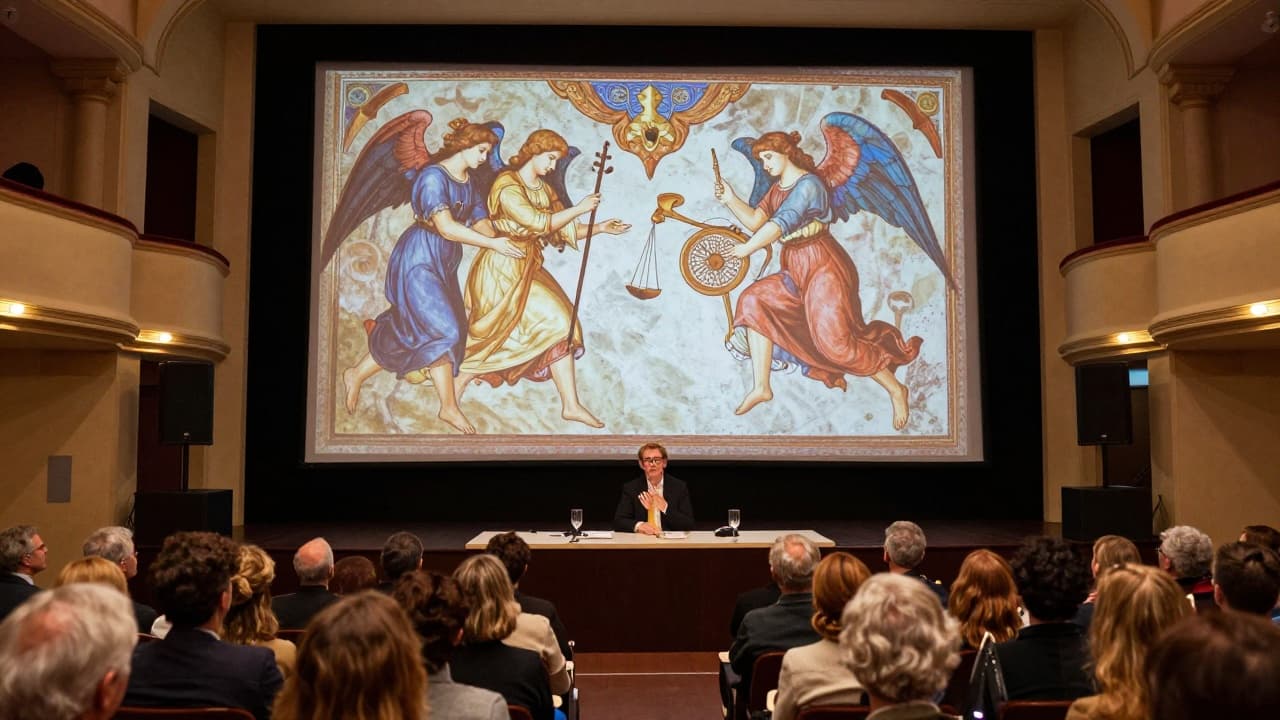
Co-author Dr sc. Antonia Došen highlighted that postcards functioned like open letters whose content could be read by anyone in postal traffic. She anecdotally described the reception of postcards in the local press at the turn of the 19th and 20th centuries and emphasised that for collectors, the question of the earliest issued postcard is almost fateful, as primacy can affect the value of the specimen. In this book, Gospić postcards are not viewed as collector's trophies, but primarily as historical traces. It was not enough simply to collect and publish the postcards; they had to be classified, dated, compared and interpreted.
Dr sc. Antonia Došen concluded her presentation by stating that postcards are precious precisely because they do not only show what we have decided to remember, but sometimes preserve what no one considered worthy of memory at the moment of their creation.