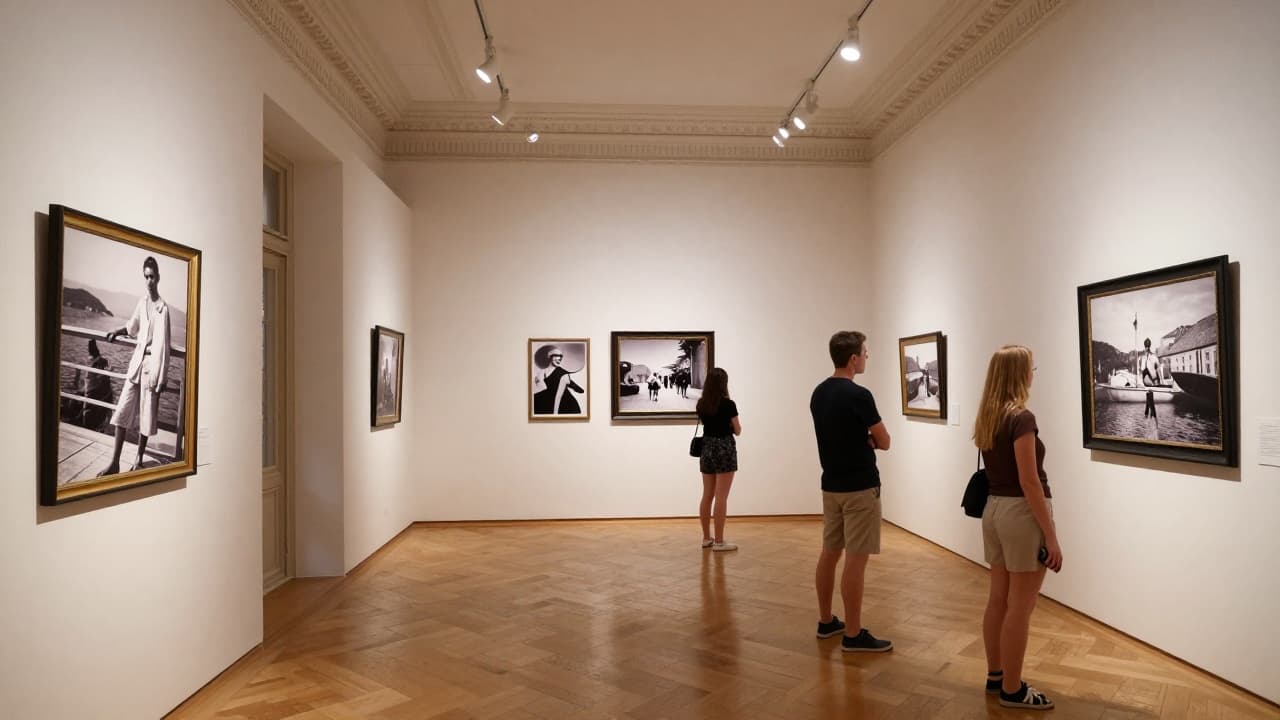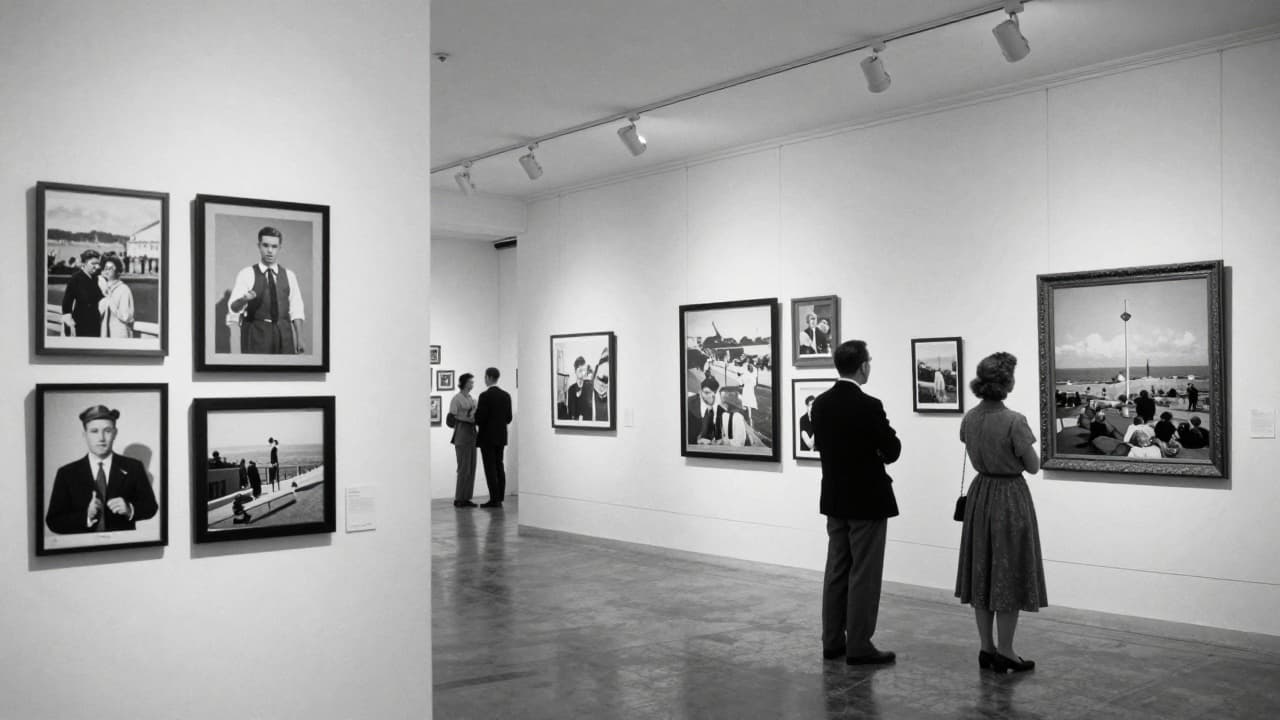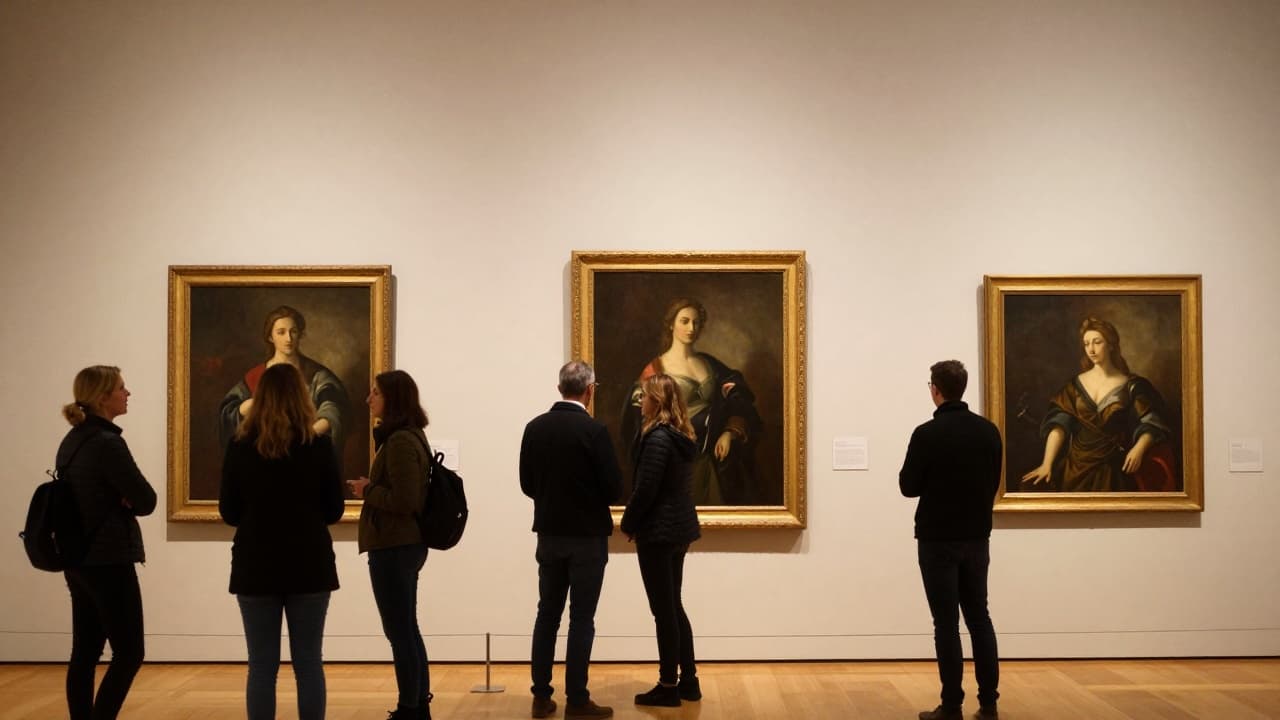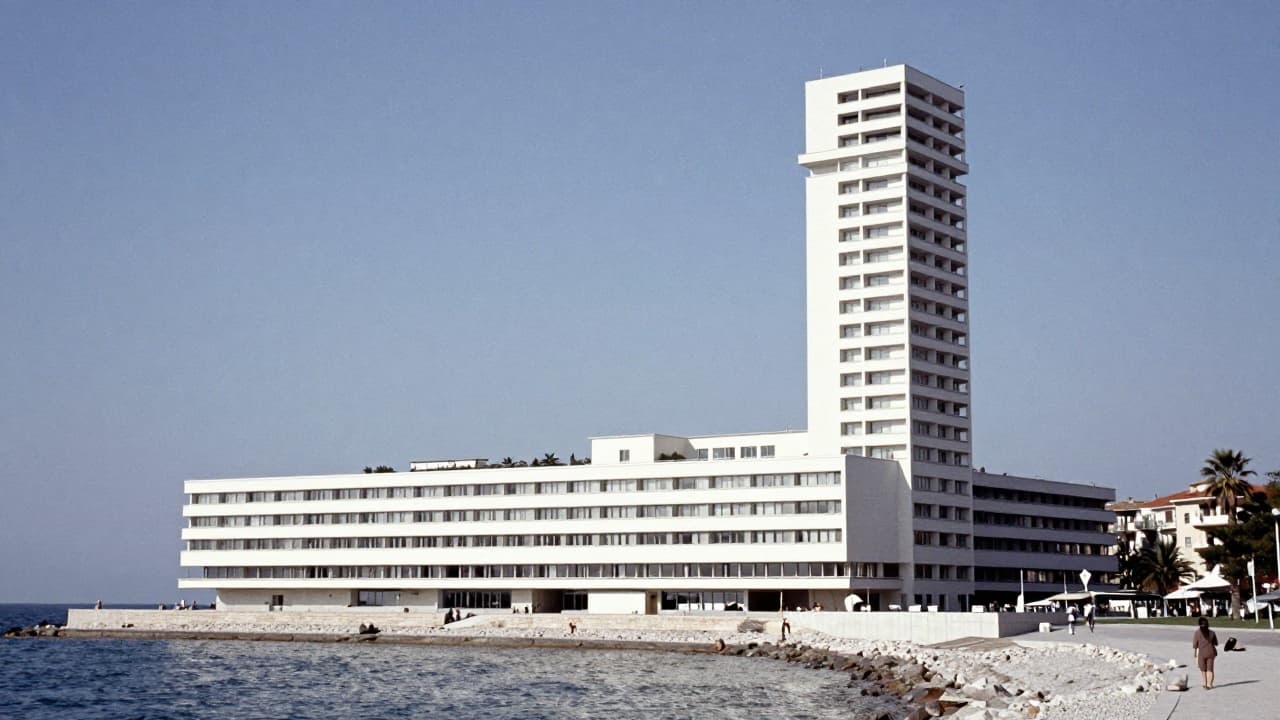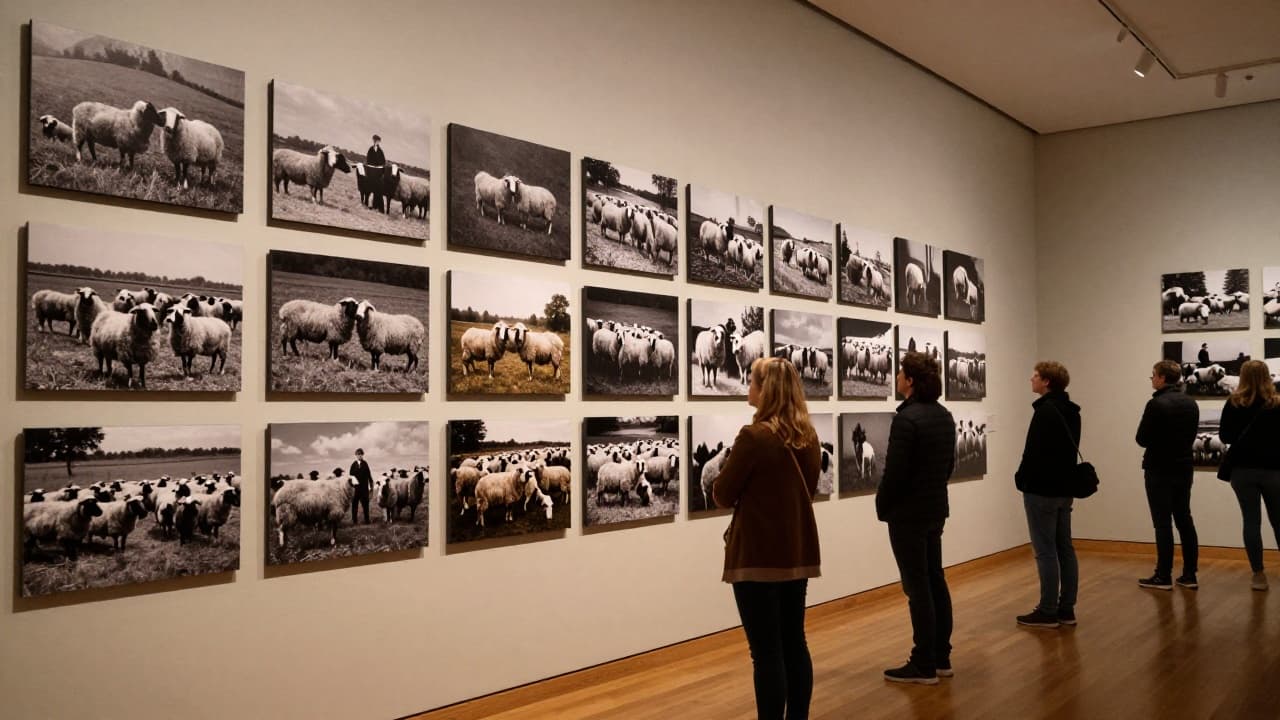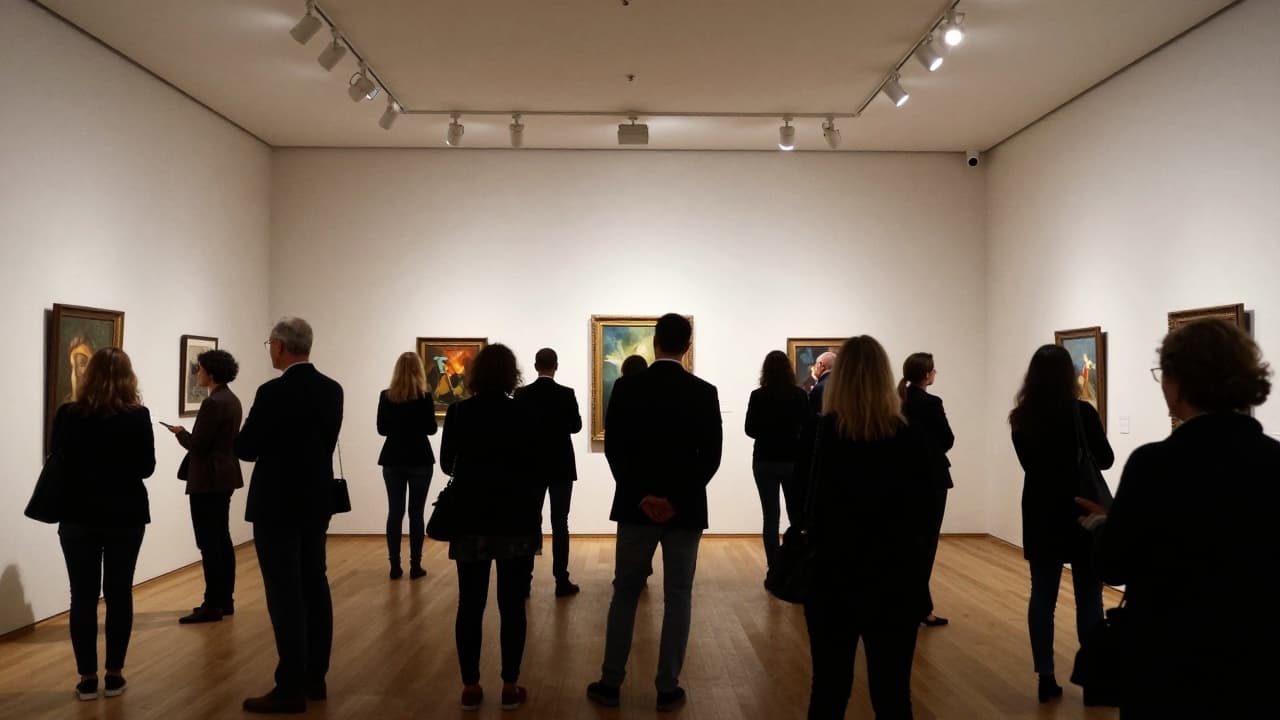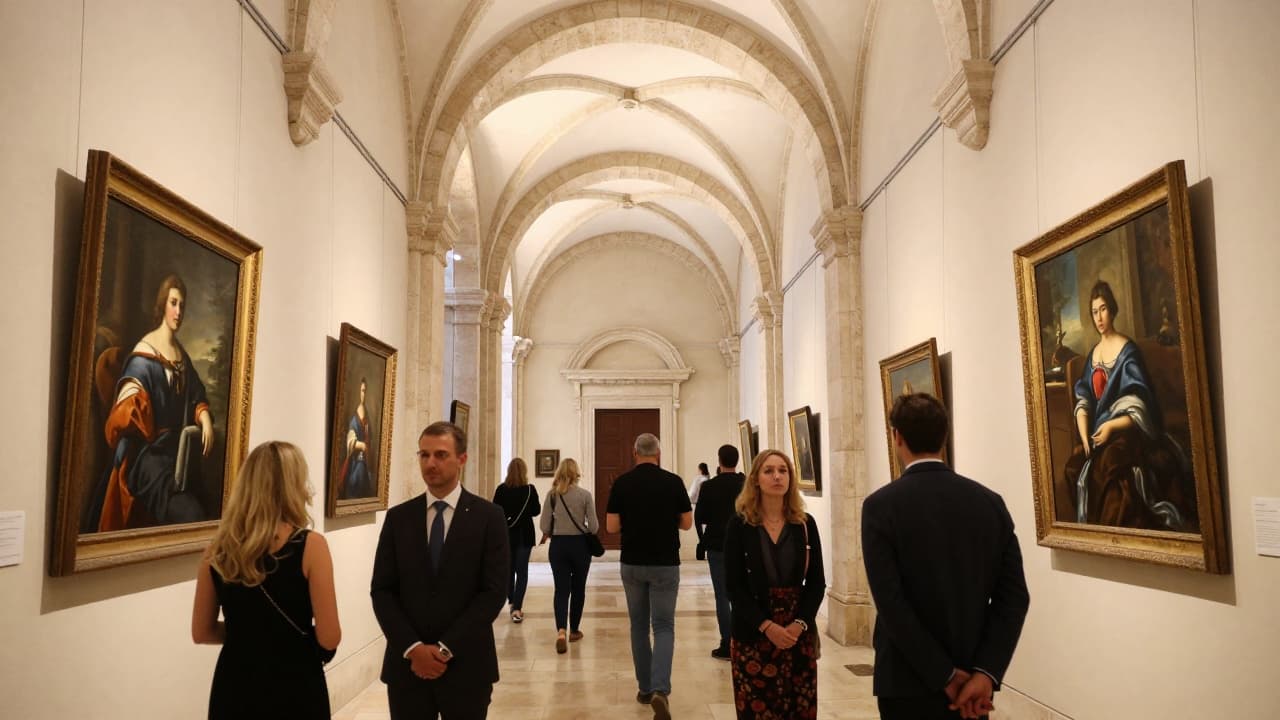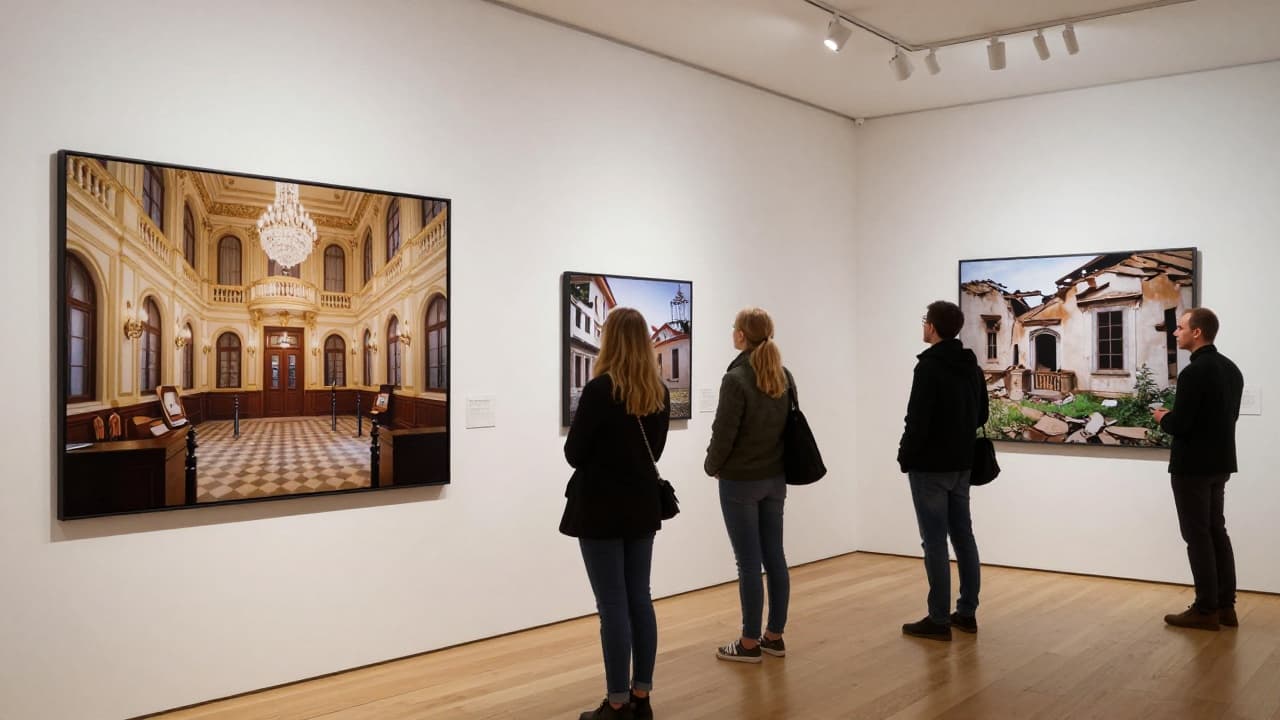
Photographer Damir Fabijanić opened an exhibition titled “Trilogy – Brijuni, Haludism, T-Galeb” at the Split Gallery of Arts on 19 November. The exhibition is dedicated to former symbols of socialist luxury, their legacy and fate after the breakup of Yugoslavia.
The display features Fabijanić’s photographs of Brijuni, the ship Galeb and the Haludovo tourist complex on Krk, taken over a period of about three decades. According to curator Božo Majstorović, it is one of the more provocative contributions to the culture of memory.
A special part of the exhibition consists of photographic pairs created at Haludovo. Fabijanić first photographed the interiors and exteriors of the hotel complex in 1987 at the request of the then management, and returned to the same location 31 years later. He then shot identical frames, using the same camera and the same type of film. This resulted in pairs of photographs that bear witness to the changes and decay of the once-luxurious tourist complex.
Brijuni, Galeb and Haludovo once represented the economic prosperity and international prestige of socialist Yugoslavia. World leaders and film stars stayed at Brijuni, Galeb sailed the world promoting the policy of non-alignment, and Haludovo attracted wealthy foreign tourists with its luxurious hotel facilities. After Tito’s death and the collapse of the political system, a rich material and symbolic legacy remained at these places.
Through his lens, Fabijanić explores what remains of that legacy, while simultaneously questioning how society relates to its own past. Each of the three photographic cycles functions as a standalone entity, and together they form a story of collective forgetting and what the curator calls “the disease of short-term memory”.