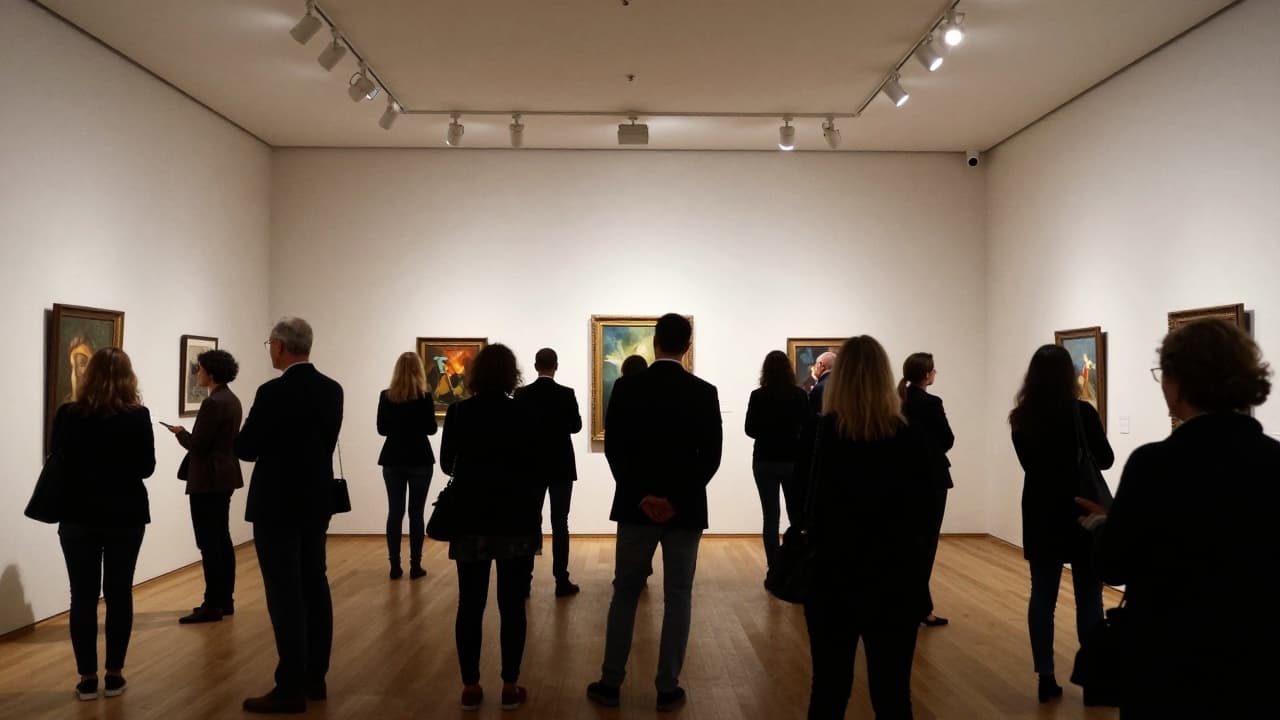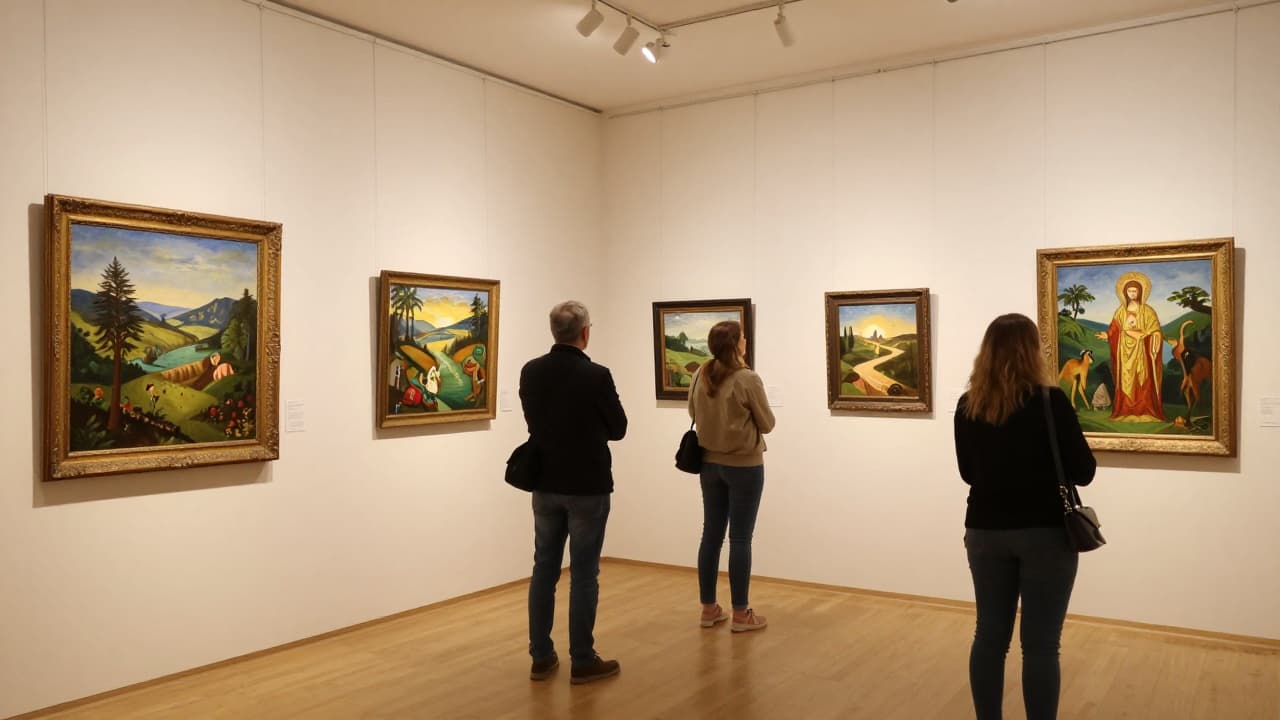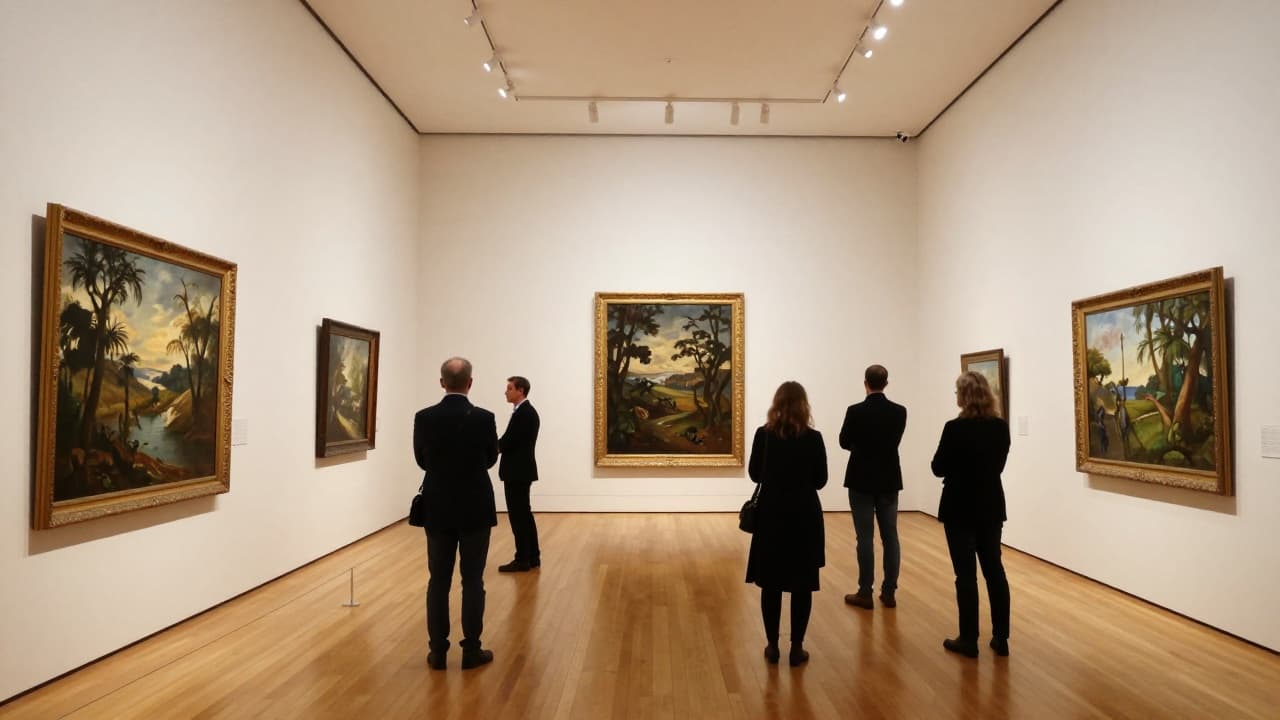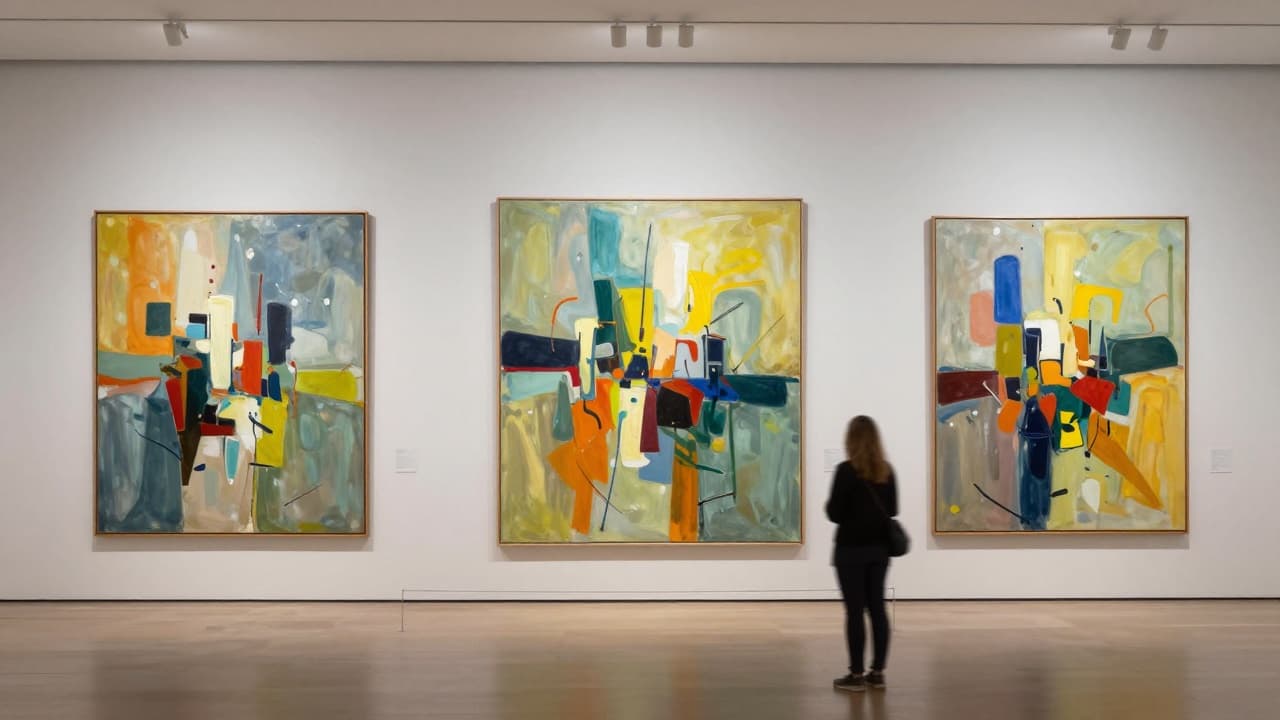
Zagreb-based artist and professor at the Academy of Fine Arts in Zagreb, Danko Frišćić, has returned to exhibit at the Labin City Gallery after ten years. The exhibition, featuring new works under the title Slikoidi 2: Slikenstein (Slikoid 2: Slikenstein), remains open until 25 October.
Frišić, a frequent visitor to the region, has exhibited several times in the area, but this marks his first exhibition in the Lamparn gallery. The artist, who has a home in the nearby town of Šibenik, has frequently exhibited throughout Istria.
The works, he said, are paintings created over the last few years. He highlighted that the paintings complement one another and are never truly finished. "All the paintings have a life of their own that is constantly evolving," said Frišć, adding that the works are oil on canvas and that there are just over 20 of them. According to him, the paintings cannot exist without one another, yet each can stand alone individually.
Frišić explained that the paintings represent what we can see within them, reflecting his personal need to create his own worlds. He reflected on the context of his creation, noting that we live in a world where 90 percent is already generated and complete, with artificial intelligence and various systems developing solutions. "All my paintings are without a message," he said, adding that the paintings are not tied to current political issues such as sexuality, nationality, or ecology. He emphasized that the paintings create their own worlds and invite the viewer to form their own opinions, describing them as beautiful, in excellent colours, and positive, yet not conveying any specific message because he is wary of messages. "There is no apocalypse, no skeletons, no explosions," said Frišić. He added that the paintings function like a comic strip or the framing of a film, resembling a director's vision in one's own film, and that everyone can find something for themselves. He concluded that these paintings fight against this.
The curator of the gallery, Stephanie Peršić, author of the foreword and organiser of the exhibition, noted that related phrases float through his linguistic pool, while the author extracts and loosely connects them into new, transformable concepts and forms of clear association. Her conclusion is that his method of coining terms can be equally applied to his painting oeuvre. She described a gestural and energetic approach based on chromatic relationships and created synergies in continuous change, with Frišić leaving open the space for the possibility of upgrading and modifying the works as a work in progress.
Peršić highlighted that the evolution of the image through its execution phases and metamorphoses brings it closer to a living being that is never identical, formed, or finished, and is in constant change, searching, and finding perceptions, peeling layers, and changing skin from being to being. She added that his painting indirectly mirrors his search for the unclear and elusive, grounding these ideas in a contemporary package of visual language through colour compositions that offer new worlds, new spaces, and the taste of freedom, wandering, and searching for the yet unconscious and hidden.
According to the curator, abstract gestures sometimes take on figurative characteristics, but by avoiding complete and defined forms, they leave the viewer with the freedom to interpret through their own readings. She noted that his 'analogous slikensteins', as the artist calls them, resist definitive definition. Through the vibrant dynamics of created relationships and structural connections of strokes and vivid colours, each painting becomes a specific molecule composed of a series of atoms, and through their connection into larger wholes, diptychs, friezes, and polyptychs, a relationship of temporary duration is created. By shifting, changing the order or position, rotating, and sometimes mirroring, the structure changes and acquires new properties, with different readings.
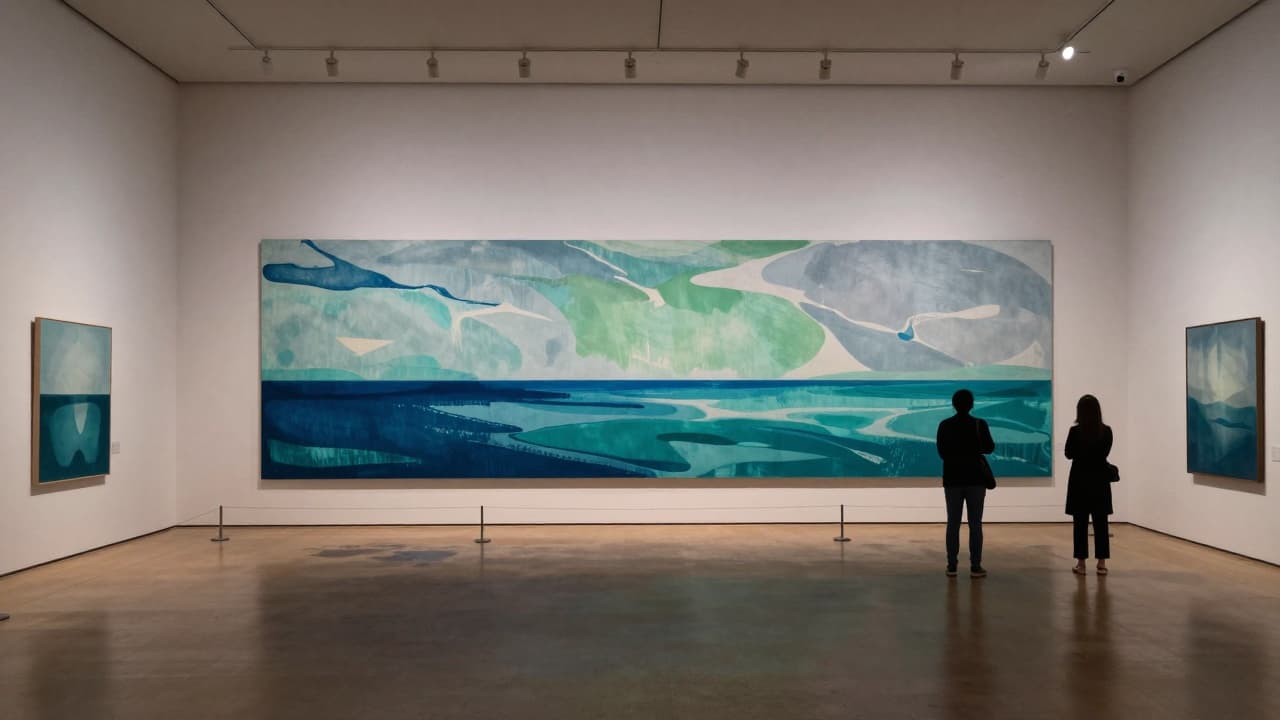
Peršić concluded that the artist builds and dismantles, continuously creating fresh perspectives and visions based on contrasts and contradictions, the everyday, the banal, the urban and the rural, pop culture, and memory records, sketches, drawings, photographs, the universe, iconic horror, and friesian props. She added that by observing the works, we briefly glimpse the Zagreb landscape of Zelengrad, then a view at dawn in Šibenik where the sea and sky merge, and the dreamy romantic-natural landscapes are interrupted by the view of monstrous beings emerging from the colour compositions.