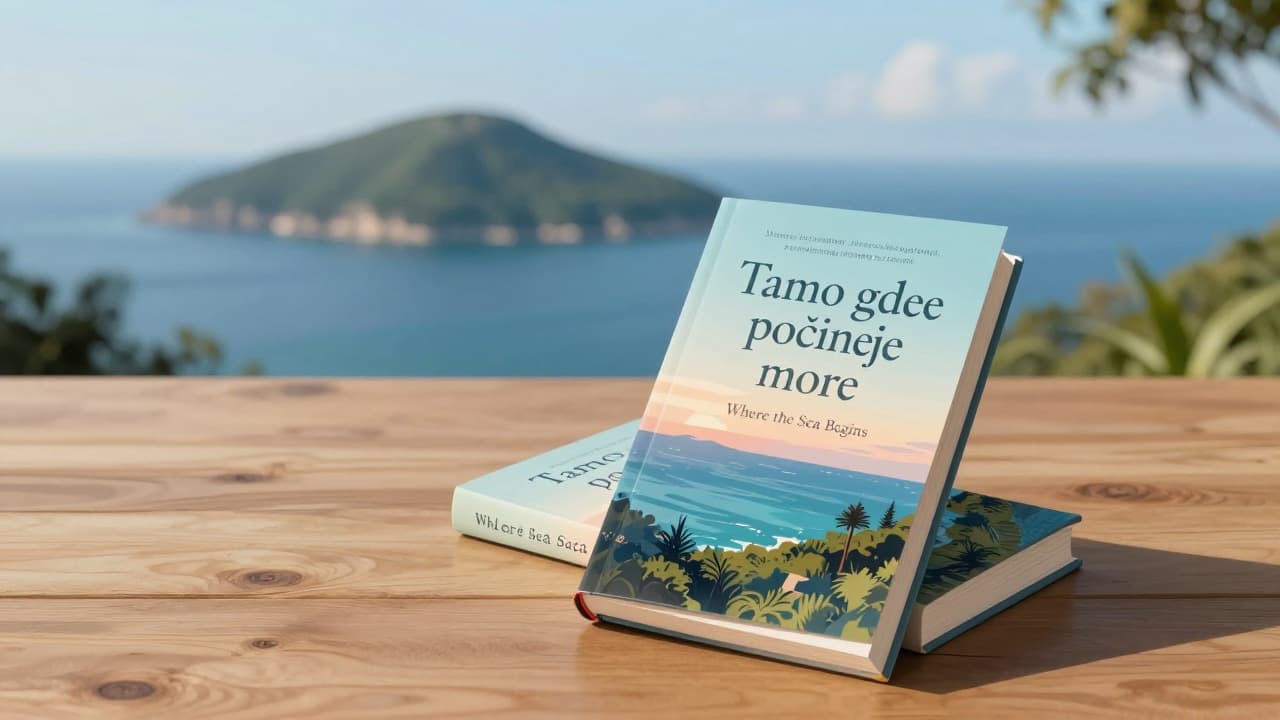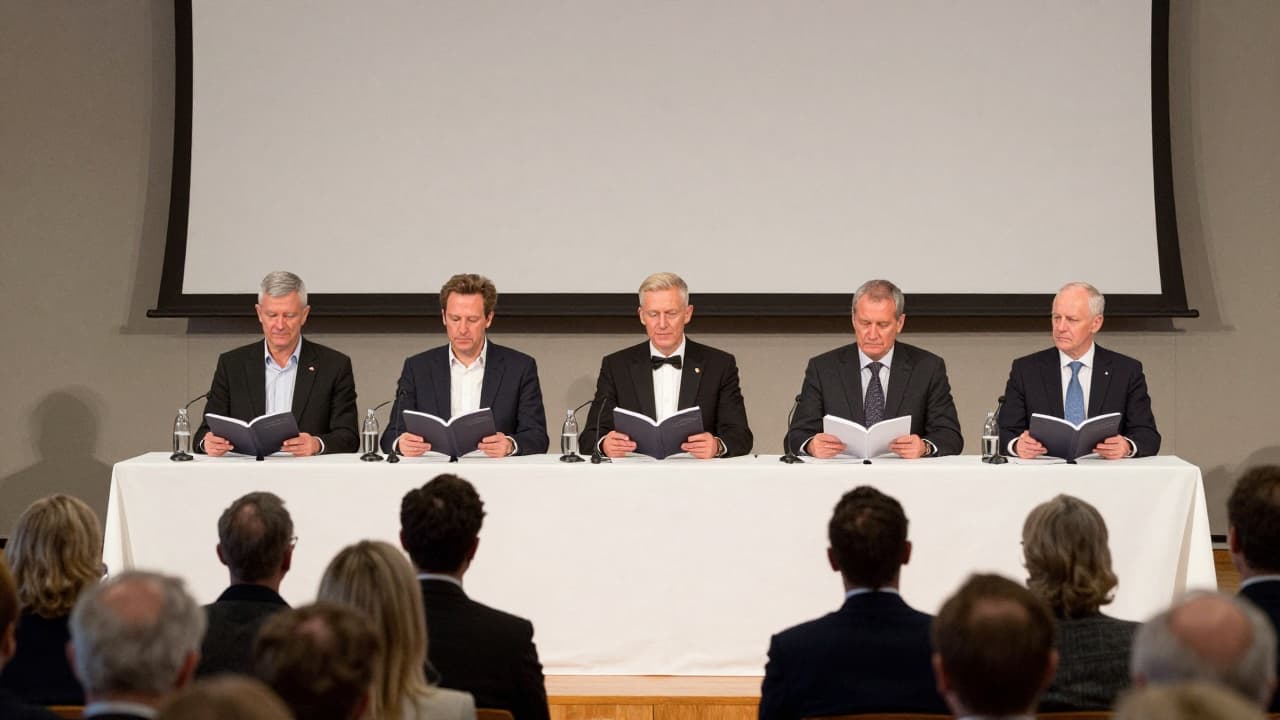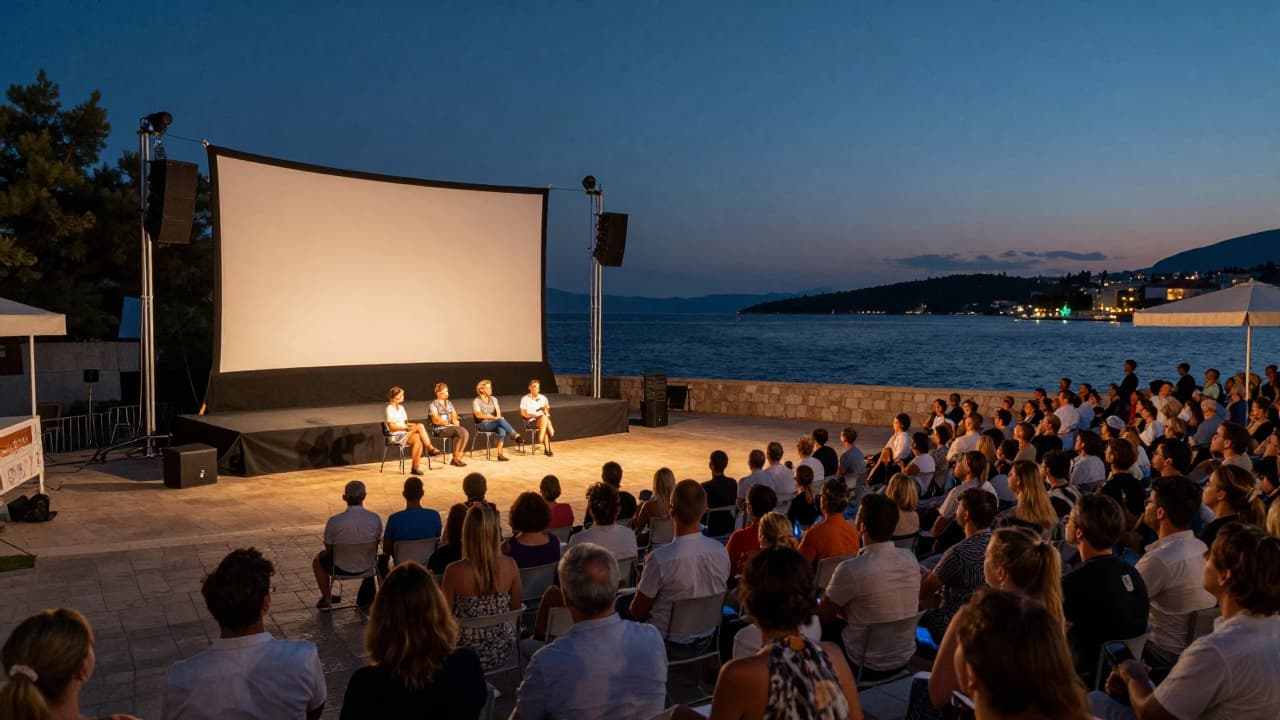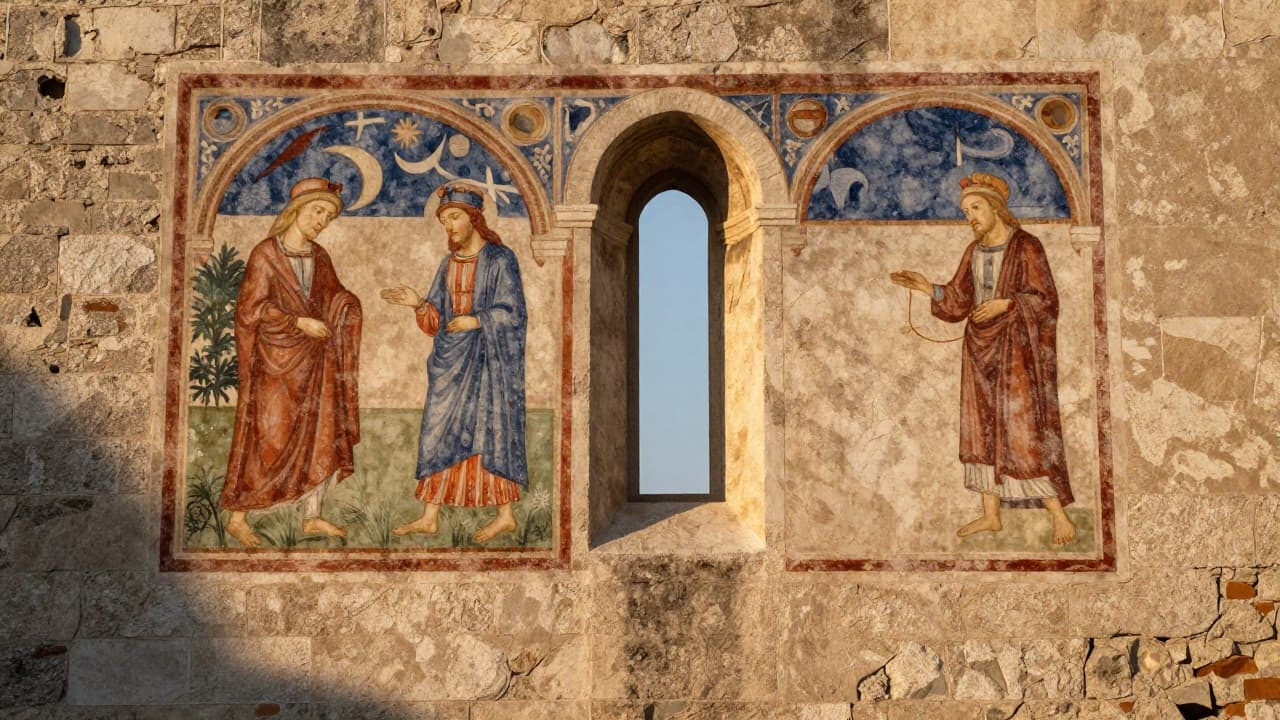
The volume titled 'Where the Sea Begins: Essays on the History of Lastovo' was presented on the island of Lastovo in late September, on the occasion of the Municipality of Lastovo Day and the feast of Saints Cosmas and Damian. The presentation of the volume took place at the Institute for Social Sciences of the Croatian Academy of Sciences and Arts (HAZU) in Zagreb.
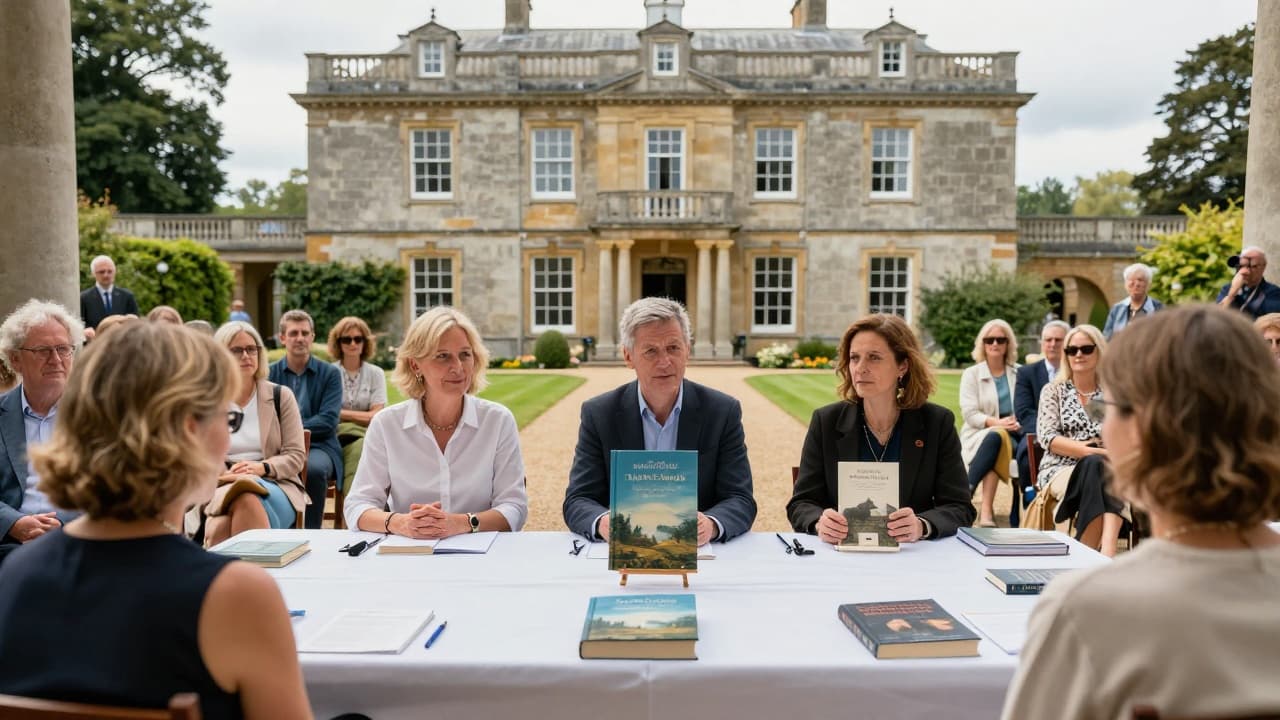
The volume brings together 10 scholarly papers, with the book presented by its editor, Vedran Stojanović, and historian Lovro Kunčević. The presentation was moderated by historian Relja Seferović, while those gathered in the Sorkočević summer house were greeted by the director of the Institute, Vesna Miović. Miovi highlighted that Lastovo is very significant to the Institute, noting that the volume represents a beautiful shared experience.
Seferović added that Lastovo is the island of modest but conscientious people who, through skill, have been able to defend their freedom and dignity against the Dubrovnik Senate, the count, and the authorities over centuries of testing. He noted that Kunčević was the driving force behind the Little History Festival on Last Island, within the framework of which the papers in the volume were created. He praised the graphic design by Boris Jović, noting that the approach is not strictly academic but more relaxed, even having literary nuances.
Kunčević spoke about the background of the Little History Festival, which is primarily intended for island residents and has been held continuously since 2022. The idea is that the festival is an informal, 'guerrilla' event, which islanders have embraced, while an increasing number of people from Dubrovnik attend. The aim was to draw the attention of experts to the island, which has been achieved, with one of the proofs of the festival's success being this volume. Kunčević commented that the focus is on social history, with very little traditional political history.
The range of topics in the volume is diverse. Medieval Lastovo is the central theme of two papers: Zdenko Janeković Römer presents a synthetic overview of 'Lastovo, the Lastovians, traditions, and changes in island life in the turbulent Middle Ages', while Nelja Lonza reconstructs daily life and social relations through 'Medieval Lastovan testaments in nine images'. Works by Vedran Stojanović ('Last seen through the eyes of foreigners (from the 15th to 18th centuries)'), Lovro Kunčević ('The conspiracy of Ivan Luke Ante against the Republic of Dubrovnik in 1635'), and Vesna Miović ('Defense against the plague in the Republic: the example of Lastovo') are dedicated to the early modern period and the Republic. A work by Iva Ipšić, 'Property structure and social relations on the island of Lastovo according to the 1660 census', is also dedicated to social relations.
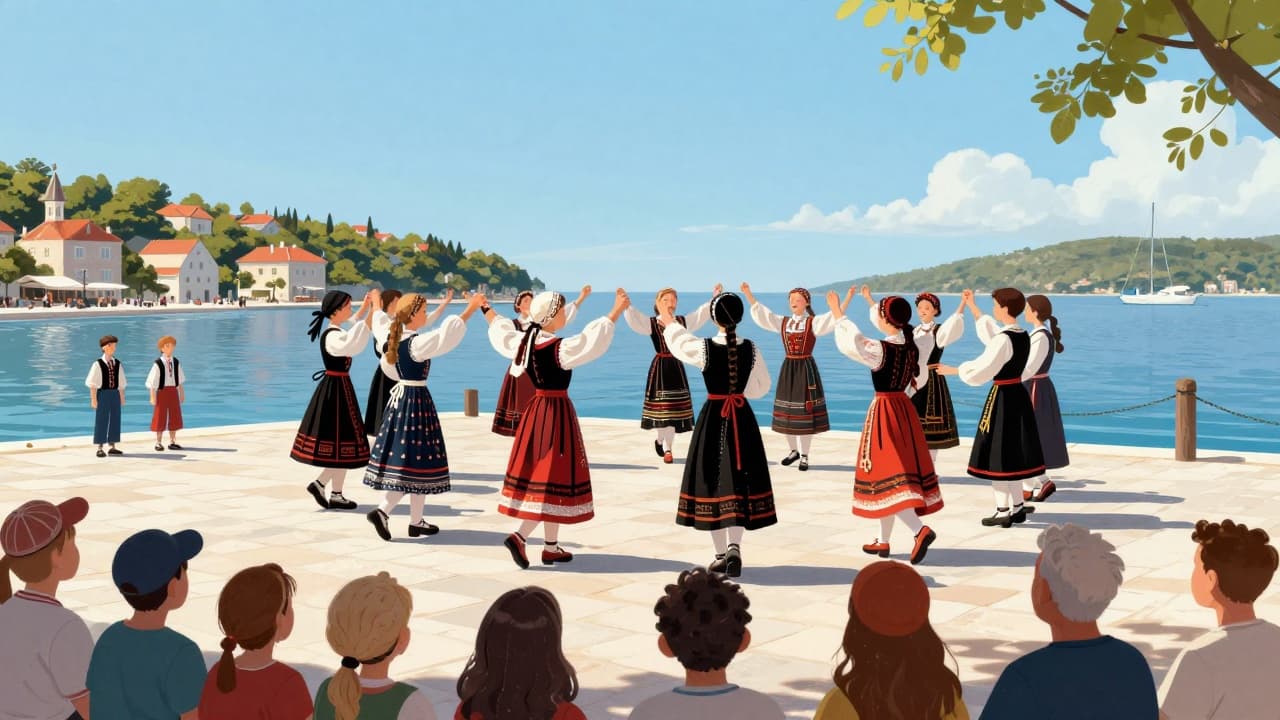
The ethnological and anthropological dimension is presented by Jelena Obrad Moja with her study on the Lastovan kolenda 'The Lastovan kolenda: Deep in the soul is that joy...', and by Marko Rašić and Ljiljana Mark with their work 'Godparenthood on the island of Lastovo in the 19th and 20th centuries'. The volume concludes with a study by Jagna Čapo, 'House as a pledge for the future: emigrants, returnees, and transnational connections', which brings the history of Lastovo to the present through the prism of emigration and transnational connections.
Kunčević stated that this book is important, noting that it consists of three hundred pages of new, high-quality scientific studies. He highlighted that while Lastovo has a rich and interesting history, it is not sufficiently researched, and that the ten authors in the text deal with themes from various disciplines. Kunčević stated that one knows dramatically more about Lastovo because of this book, and announced the sixth Little History Festival in September of the following year.
Stojanović spoke about the book by starting with the concept of an island in general. He stated that on the surface, this book speaks about the history of the island, but the deeper question is what an island is. What makes a place an island is not just physical separation by sea; insularity is not just a physical fact, but a social skeleton, Stojanović said. He added that the island stands out from the usual pattern, having developed a high culture of practical literacy. Foreign travelers experienced it through fear and awe, while the island, located at the 'end of the world', is simultaneously a desirable place for travel. The island is not a land lacking something, but a place with its own logic, he emphasized.
Stojanović said that this book aims to complement the island perspective, revealing how history unfolds on the margins. The book is tense, and it is in that tension that the book exists and has meaning, he said. He emphasized that this is not a monograph following the history of the island, but rather that the island is the subject of serious, systematic, and multidisciplinary research. This book represents a significant leap in understanding the island, he concluded. The island is not a definition, but an experience; it cannot be understood solely from the mainland, from archives, as the island reminds us that history always has a dimension of place, he concluded. Finally, he thanked all the authors and all those who contributed to the realisation of the volume and the festival.