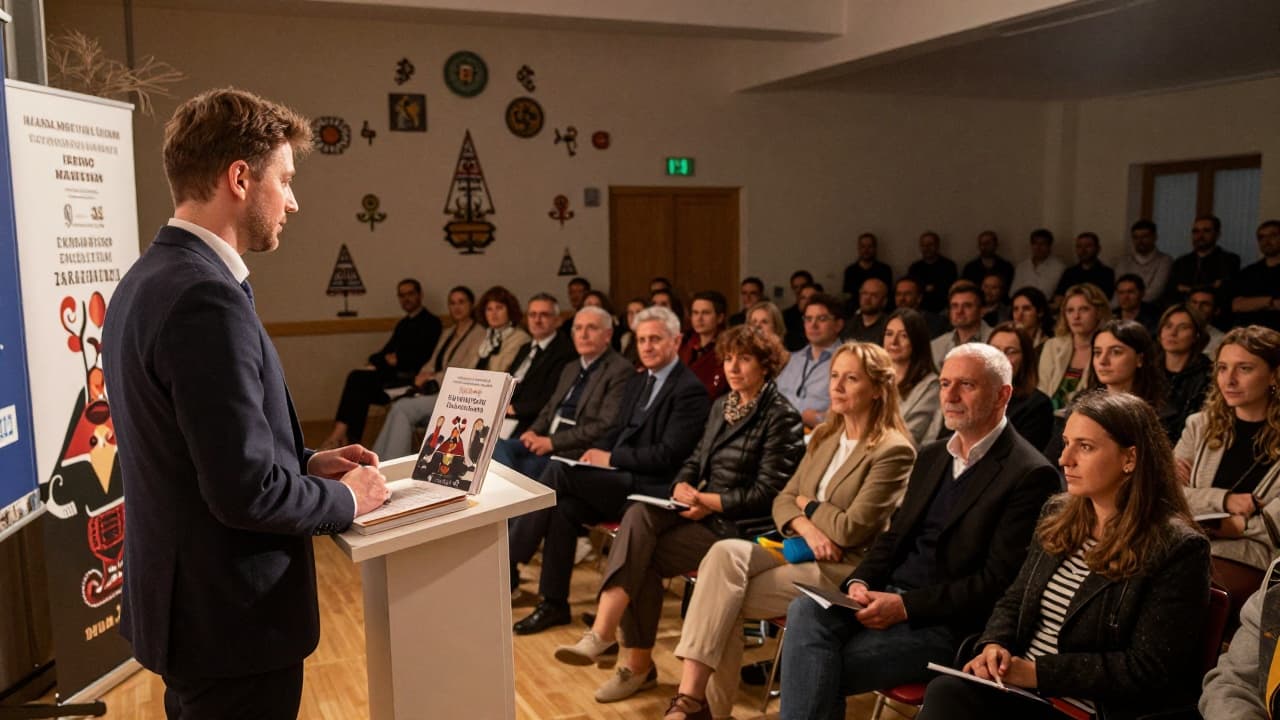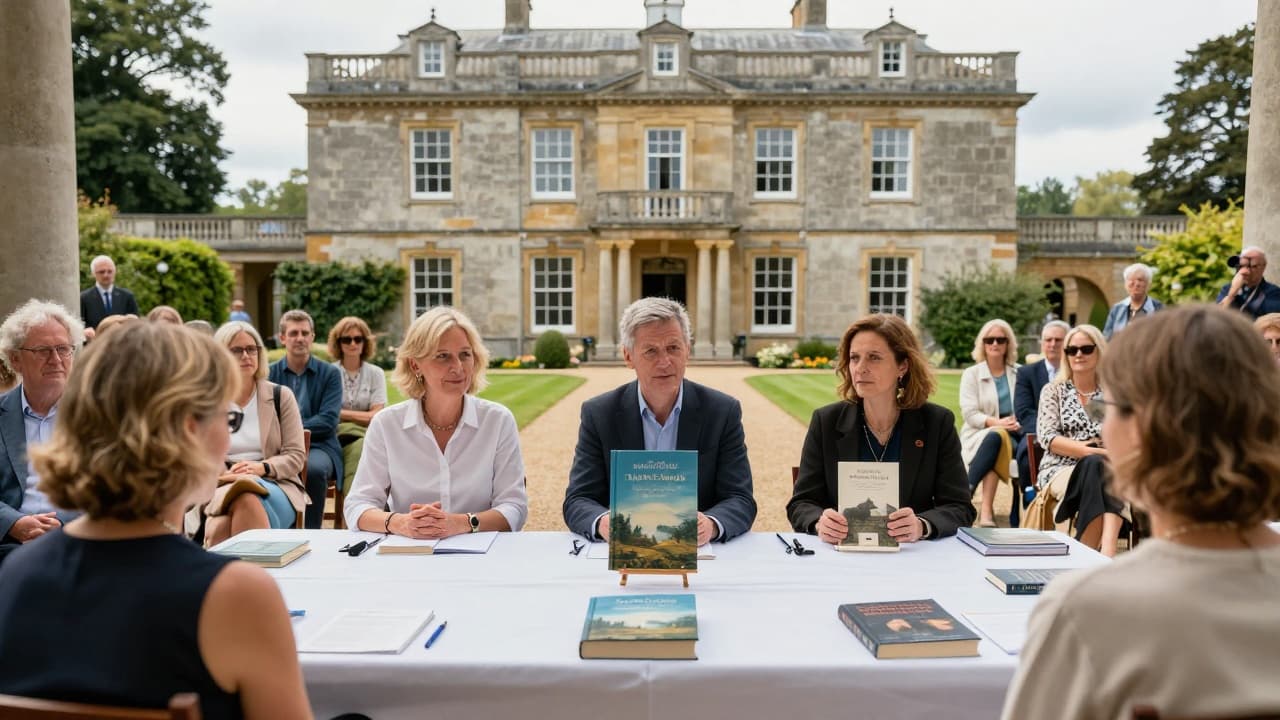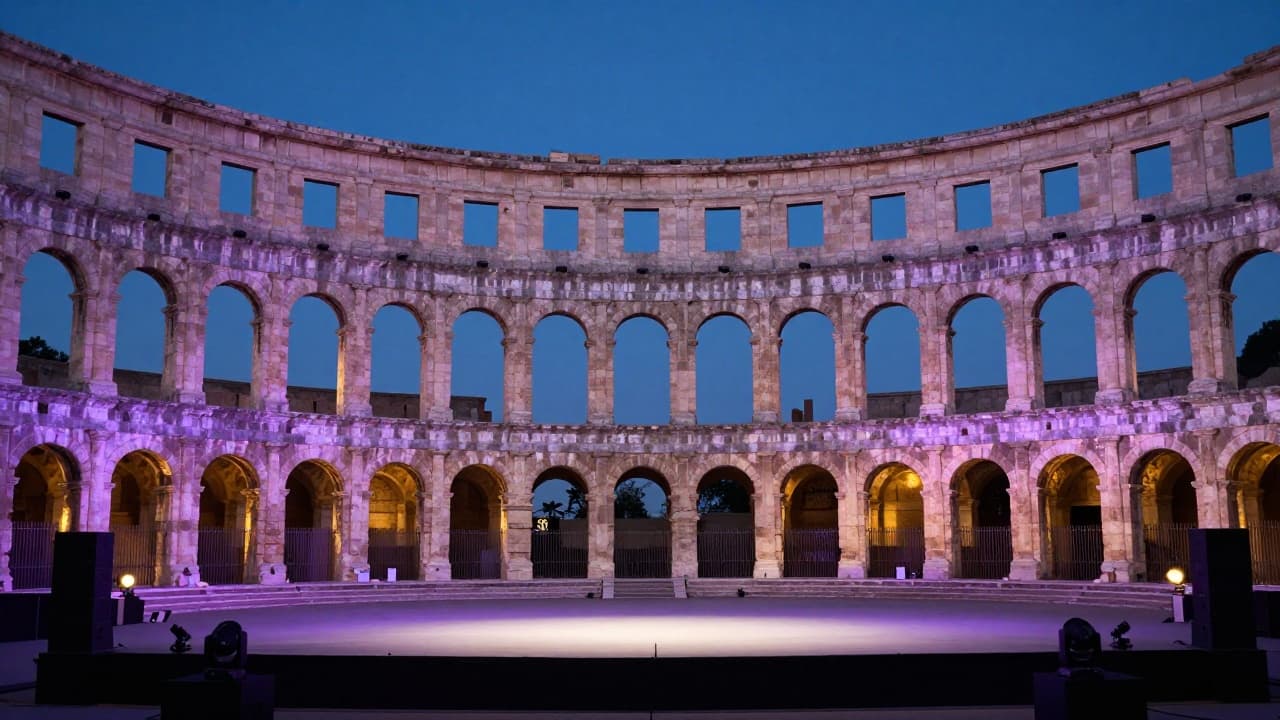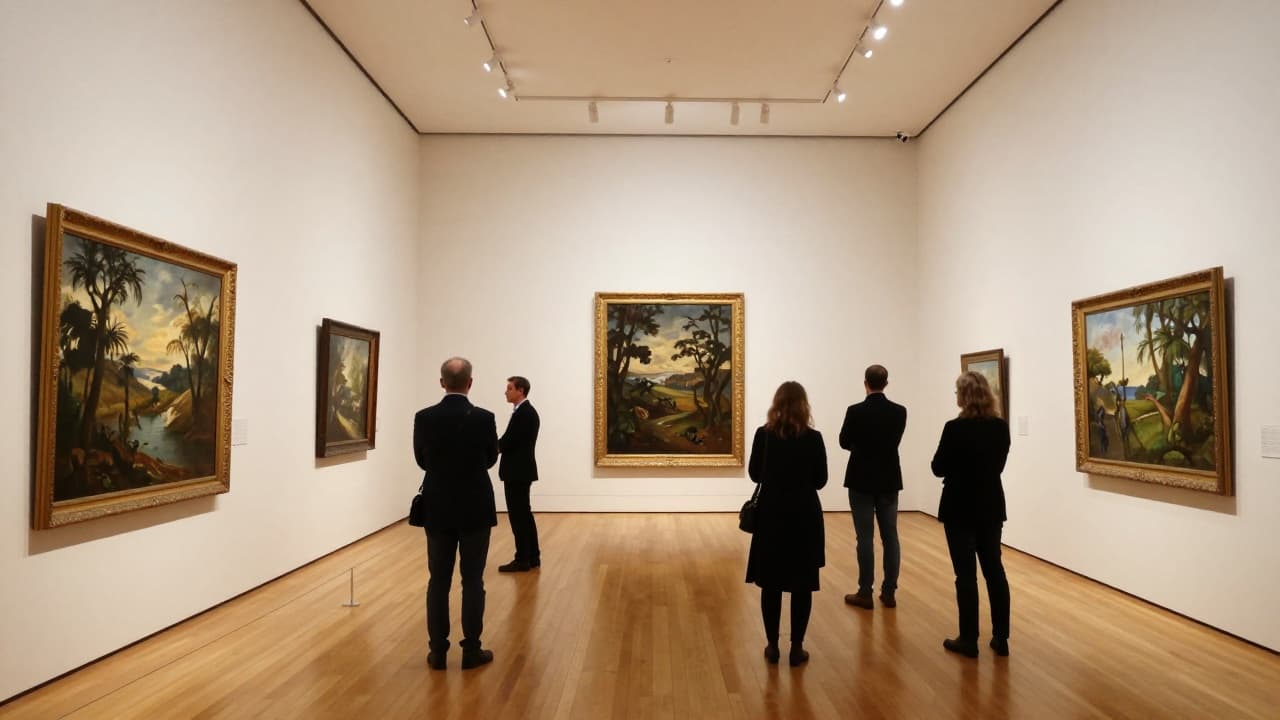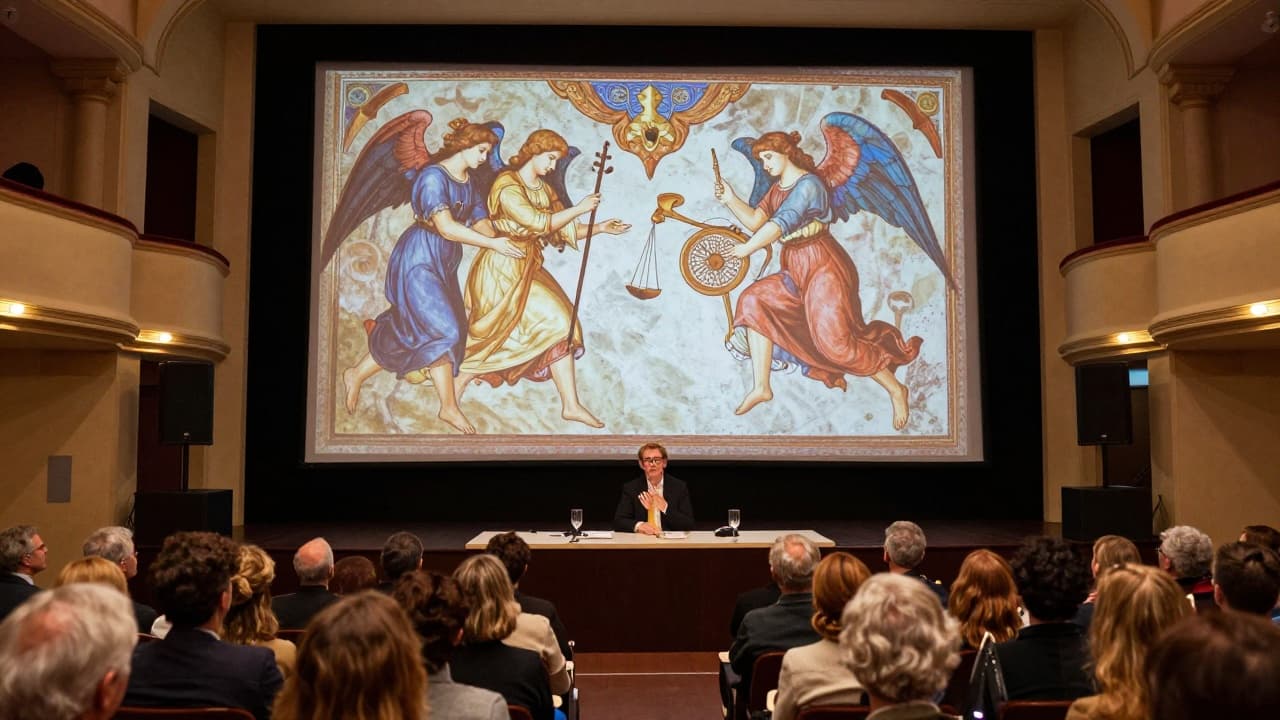
The publication "Musica Affrescata" by author Dario Marušić, published by the Historical and Maritime Museum of Istria (Povijesni i pomorski muzej Istre), was presented at the Vincent Gallery in Kastav at the Istrian National Theatre – Pula City Theatre. In addition to the author and editors Sunčica Mustač and Katarina Marić, ethnologist and cultural anthropologist Noel Šuran spoke about the edition. The attendees were welcomed by the county head of the department for culture and regional affairs, Vladimir Torbica, and the director of the Historical and Maritime Museum of Istria, Gracijano Kešac.
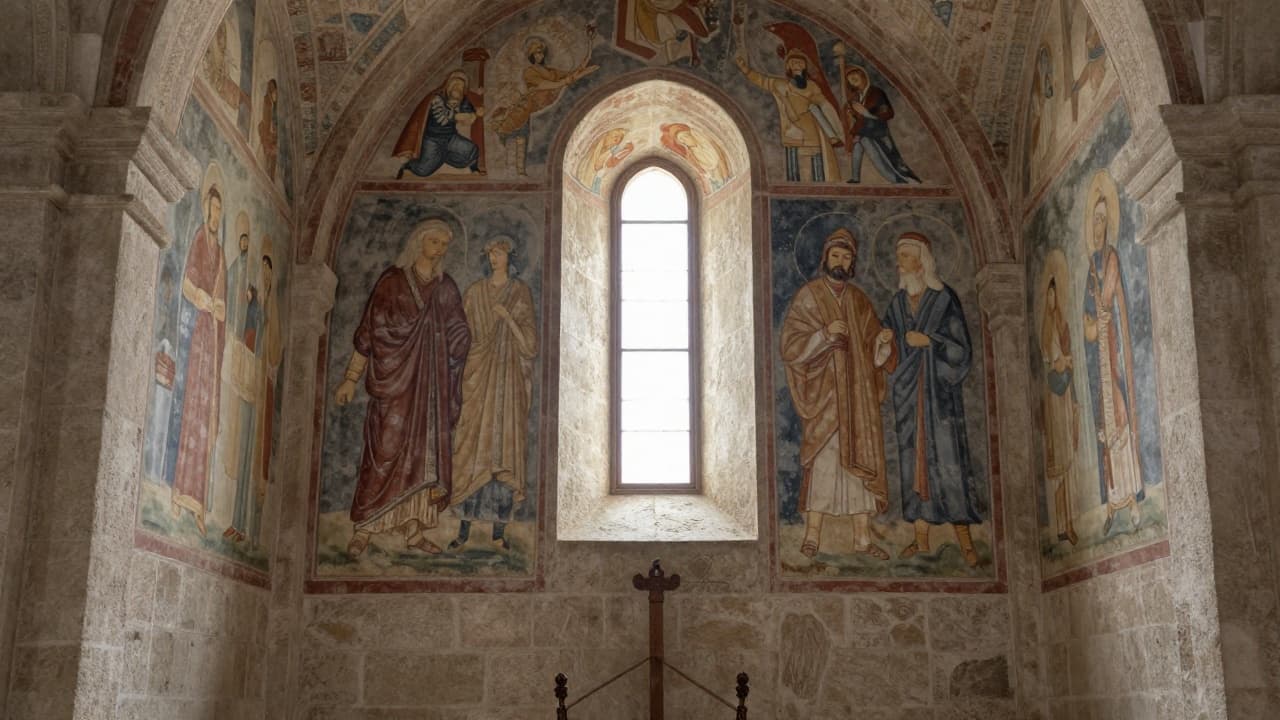
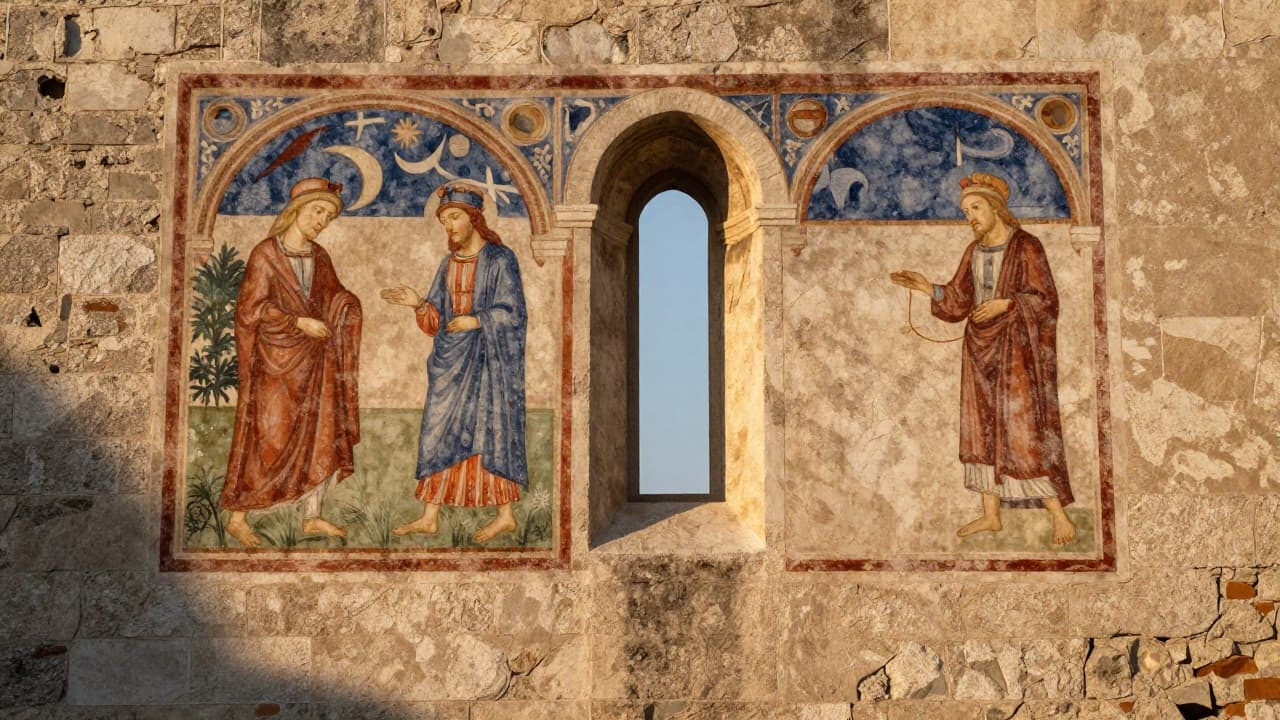
The publication is dedicated to musical instruments depicted on medieval frescoes in Istria and the surrounding area, with these wall painting depictions dating from the 14th and 15th centuries. It features depictions of heavenly orchestras, angels playing music, processions and dancing. The edition was created within the framework of the international project Terra Gothica Incognita, which is co-financed by the European Union through the INTERREG Slovenia – Croatia (2021 – 2027) programme, and deals with the research, interpretation and presentation of Gothic period heritage in the geographical area of Istria.
Katarina Marić said that a series of concerts recently held in churches led to the realisation of this publication, noting that it was intended to be a brochure, but grew from about ten cards to 110. Sunčica Mustač called the work a guide for navigating churches with frescoes, recalling that TV Nova had filmed an eight-episode series on wall paintings. She had visited churches with cameraman Zoran Burazerović and contacted Marušić regarding the instruments and their significance.
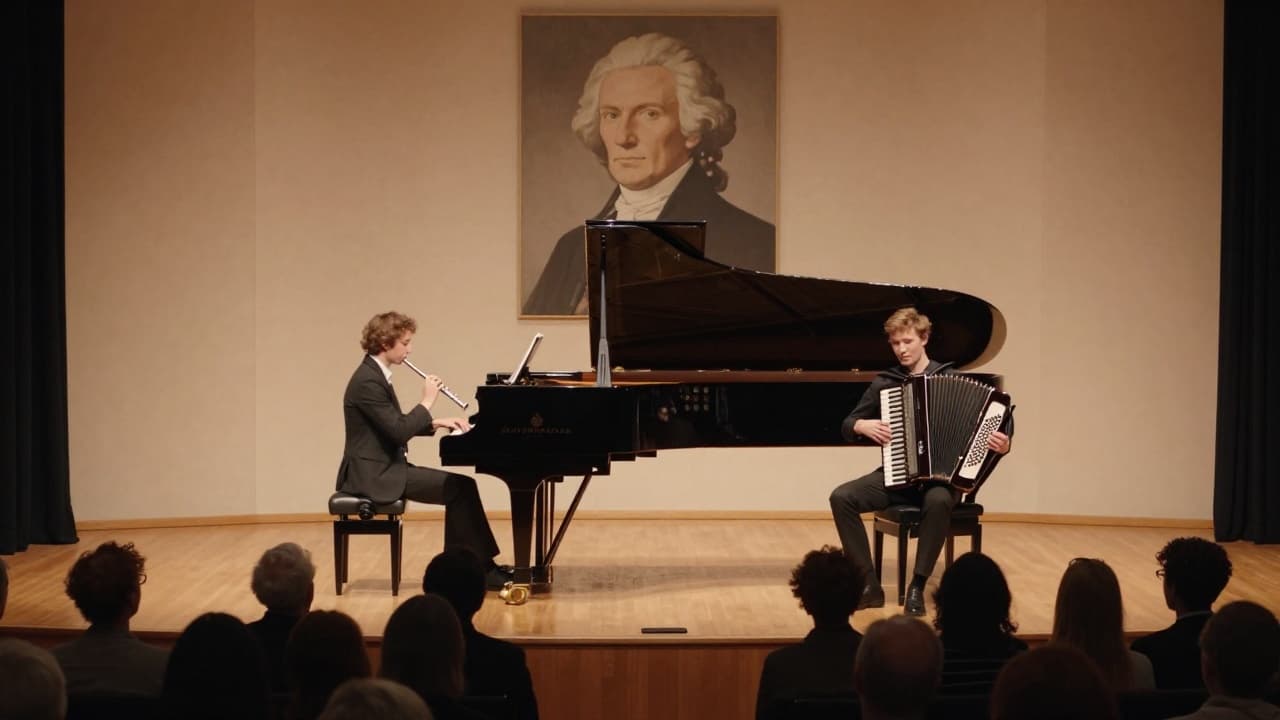
Noel Šuran said that Marušić works on instruments, replicas and reconstructions and conducts research, highlighting that expert Koraljka Kos had focused most on this area in history. Dario Marušić spoke about the importance of visuality, the perception of frescoes, the connection with the musical component, and numerous instruments that are insufficiently known or almost unknown. He emphasised that many instruments in the past came from the Persian region via Africa, were transformed and became what they are today, and he demonstrated how certain instruments sound. Edna Strenja and Goran Farkaš performed with song and music.
Attendees learned that we distinguish between early (6th–10th century), high (11th–13th century) and late (14th–15th century) medieval music, and that medieval music is divided into secular and church music according to content. The publication analyses the drum, cymbal, bagpipes, gittern, harp, harpsichord, clavichord, kololira, wheel with bells, lute, portative, praporci, natural trumpets, psaltery, rebec, horn, flute, shalmey, tambourine, timpan, triangle, vielle and viola da gamba. The drum as a standalone instrument is painted only in the church of St Mary on Škrilina in Beram.
The editors of the book are Katarina Marić and Sunčica Mustač, the photographs are by Jovan Kliska, Ivo Puniš and Renco Kosinožić, the linguistic advisors are Vito Paoletić, Ines Vrenko Peruško and Duška Palibrk, and the graphic design was done by Matko Plovanić.