Scientists published their findings on 10 August in the journal iScience, revealing that dogs' brains react differently to human expressions of happiness, anger, fear and sadness. The study provides new insights into the cognitive abilities of dogs and the way they perceive the emotional states of their owners.
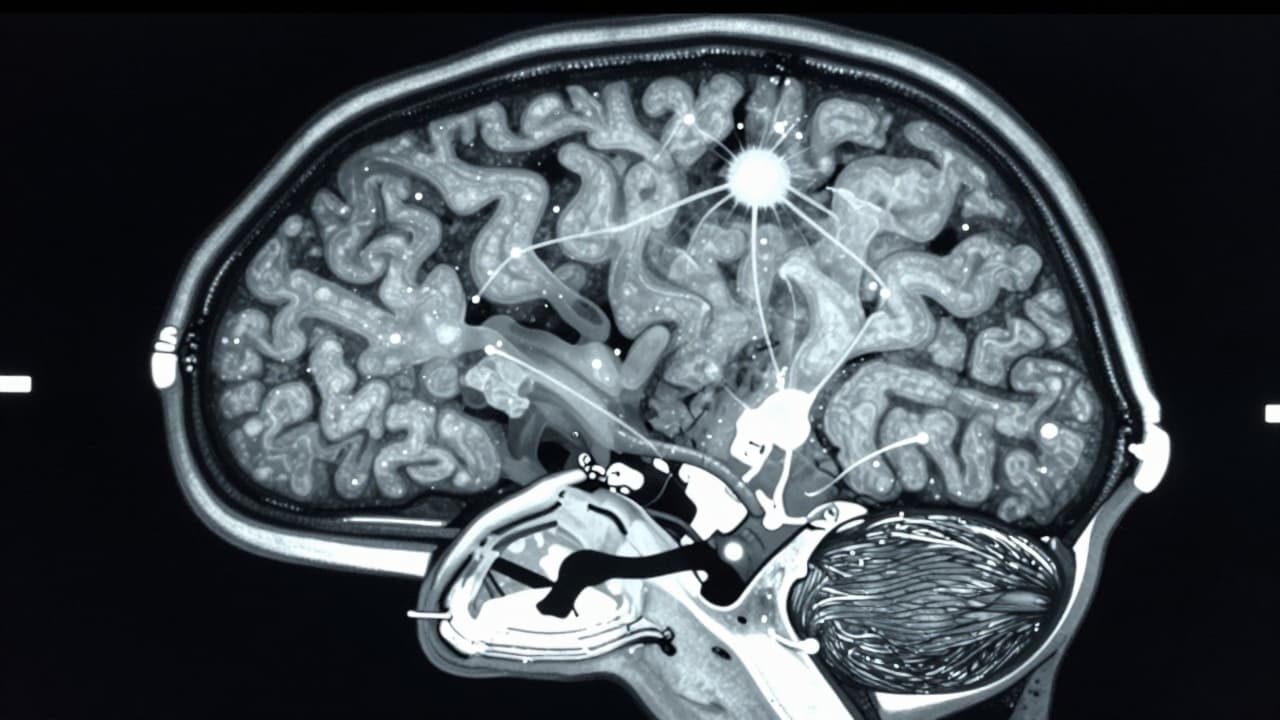
To reach these conclusions, scientists recorded the brain activity of dogs while they were shown photographs of people displaying various emotions. The results showed that the dogs' brain responses differed significantly depending on the facial expression in the photographs, indicating a high level of perception.
The discovery confirms that dogs do not categorise human faces merely into simple positive and negative groups. Instead, they conduct a more complex analysis, processing each emotion in a specific way. This is the first evidence that dogs distinguish between specific negative expressions, rather than treating them as a homogeneous set.
The ability to distinguish fear from other negative emotions such as anger and sadness is particularly notable. While viewing frightened faces, dogs exhibited specific patterns of brain activity that did not appear when viewing angry or sad faces. These unique neurological responses suggest that dogs can detect subtle differences between different types of negative feelings in humans.