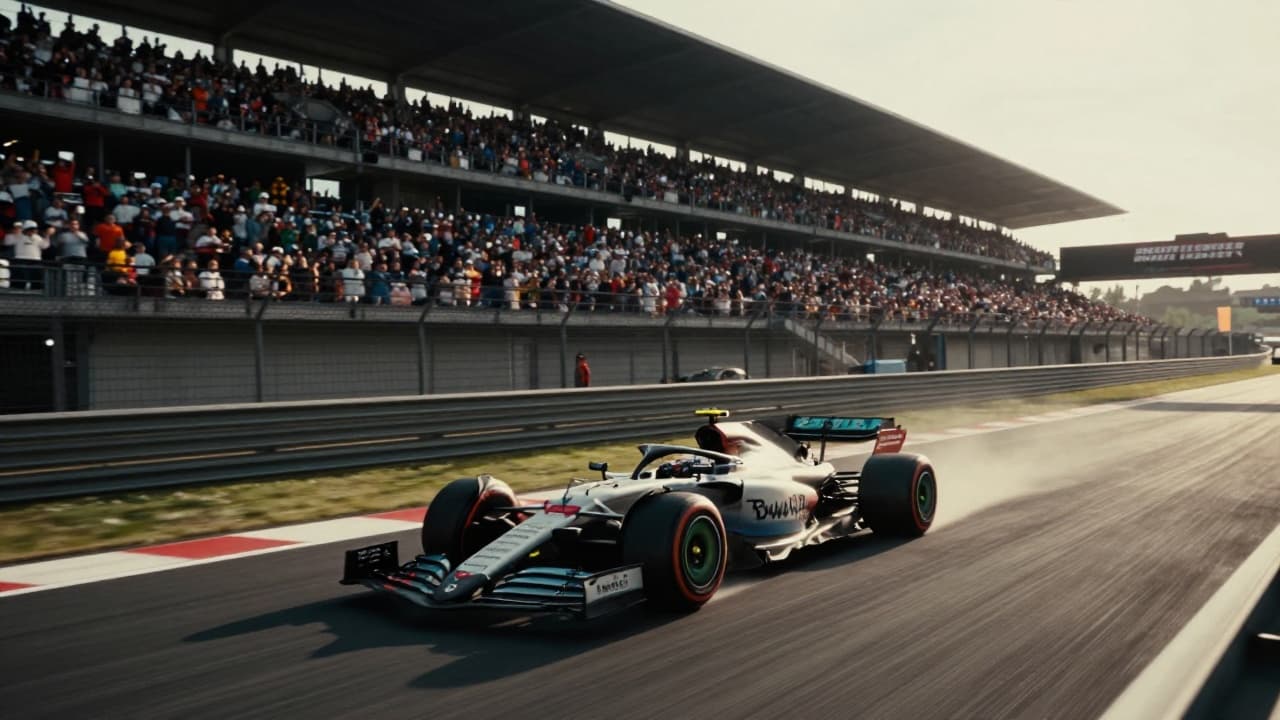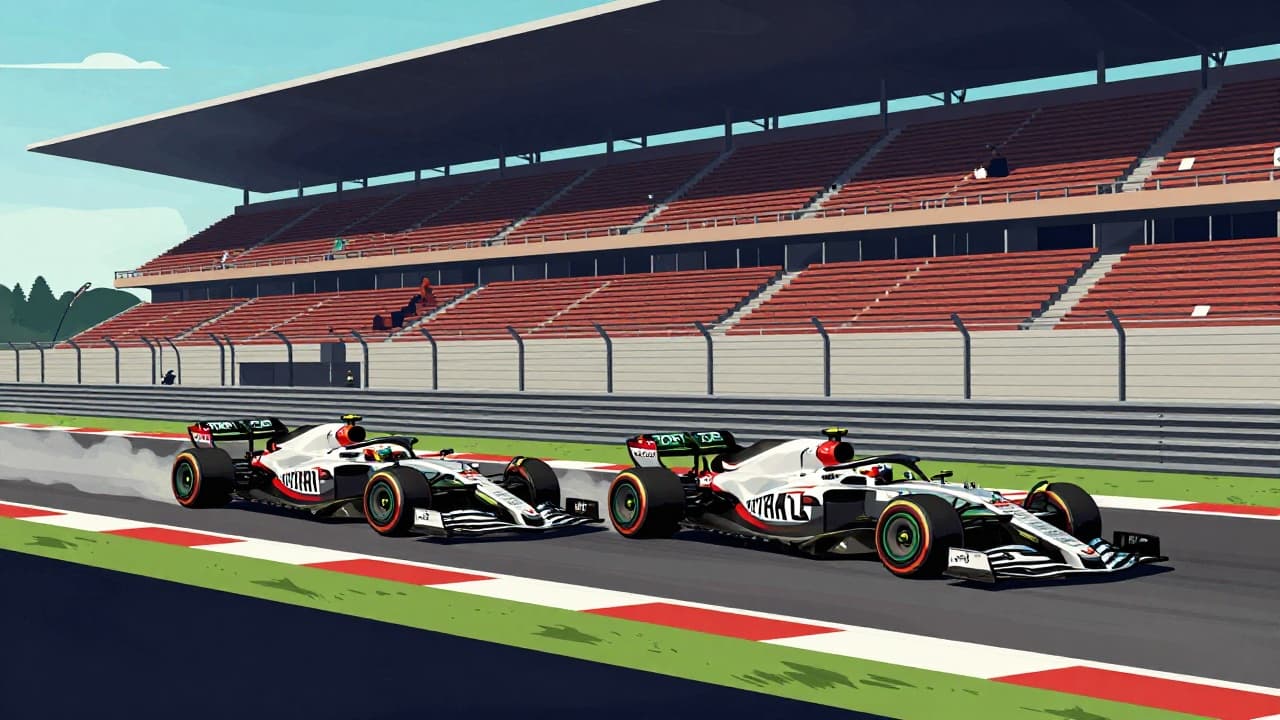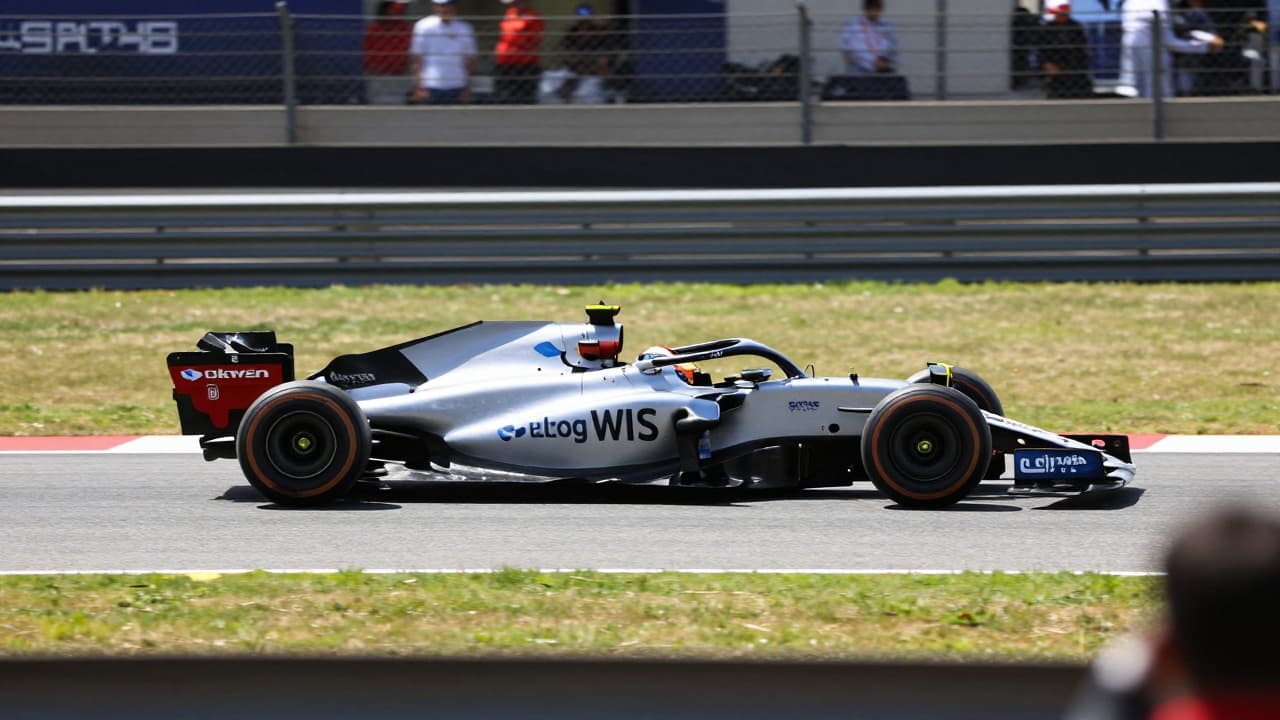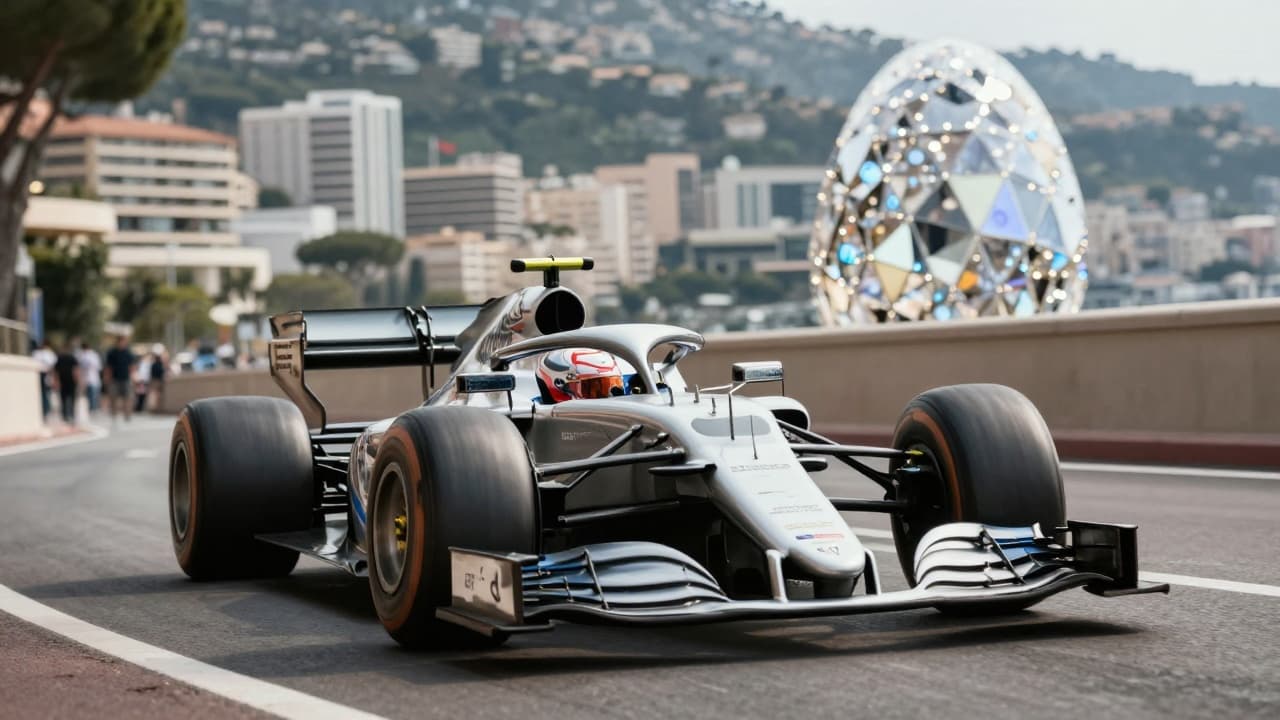
A diamond worth $300,000 was last seen glued to the front of a Formula 1 car before it crashed in the first lap of the Grand Prix. The gem has not been found even 22 years later.
The 1.4-carat diamond was attached to the most sensitive part of a car that reaches speeds of 200 miles per hour during a race. The reason for the diamond’s presence was purely promotional.
Jaguar Racing had mediocre results on the track since becoming an F1 team in 2000. By 2004, parent company Ford decided to pull the team from the sport. Former team principal Tony Purnell says his job shifted from primarily leading the team to primarily selling the team and finding a new owner, or else it would be shut down. Purnell says it was probably the worst year of his life. He also notes that he was bound by confidentiality for the first few months.
Jaguar Racing had enjoyed a successful promotional weekend at Silverstone the previous season thanks to a collaboration with the film Terminator 3. Communications director Nav Sidhu sought a way to replicate that success with another film. Sidhu says he heard 'over the phone' somewhere in the winter of 2003 that Ocean's Twelve was being filmed. He says they discovered that some scenes were being shot in Monte Carlo. Sidhu notes that they arranged a deal with George Clooney, Brad Pitt and Matt Damon. Sidhu agreed with Hollywood producer Jerry Weintraub that the team would take on the film's branding and stars for the weekend in Monaco.
The film's plot revolved around a daring theft of a diamond-encrusted Fabergé egg. Sidhu decided he wanted a bit of sparkle on his cars at the most glamorous race on the F1 calendar. He negotiated with diamond company Steinmetz to attach gems to two Jaguar cars. These gems would be worth around $1 million in total today. The diamonds were hand-delivered to the garages. There were two diamonds to be mounted on the cars and one larger gem for photographs only. The car diamonds were steel-backed and fixed to the nose cones.
One diamond was on the car of experienced driver Mark Webber, and one on the car of debutant Christian Klien. Webber started from 11th place on the grid, while Klien started from 14th in his only sixth race. They were not expected to fight for the podium, but they were expected to return the diamonds.
The Monaco street circuit is demanding, with narrow roads, tight corners and a tunnel. Overtaking is difficult, and collisions are common. In a chaotic first lap, Klien made contact with one of the Jordan cars on the exit of the Mirabeau corner. This damaged the front of Klien's car where the diamond was located. The damage led to a slow collision with the barriers at the famous Loews corner. Klien emerged uninjured, but the front of the car was smashed.
Shortly afterwards, Sidhu had the diamond company on the phone asking if they would get their diamond back. Sidhu says he does not remember what he answered, but it certainly was not 'yes'. Sidhu could not even go to the track to look because the race still had 76 laps to go. Only after the race would the car return to the garage. The car was lifted off the track by a crane and left behind the barriers. Sidhu says he was preoccupied with getting to that spot as quickly as possible. He says that hour and a half of waiting for the end of the race felt like a day and a half. By the time Sidhu had the chance to look, the diamond was nowhere to be seen.
Sidhu completely denies rumours of a fake diamond. He says no diamond company would go out there, especially in the public domain, and use fake diamonds because there is obviously a great risk of being caught. Sidhu says that if they had used a fake diamond in that car and what happened had happened, the obvious shame and disrepute it would bring to Jaguar, and to Formula 1, would have been too great a risk. Sidhu says there are numerous conspiracy theories about whether the diamond was real or whether Christian was told to crash his car.
Purnell supports the authenticity of the diamond. He recalls a conversation he had with team chief executive David Pitchforth. Purnell says David Pitchforth said the diamond was certainly real because when they came to the office with it, he picked it up, went to the window and scratched the glass. Purnell says that, having heard that from Dave, there is no doubt that the real thing was put on the car. Purnell says he does not know if any of their mechanics were resourceful enough to make a fake, but he thinks not. Purnell says he thinks someone probably just picked up the diamond, put it in their pocket and is probably smiling and thinking: 'It is in my drawer.' Purnell says he also thinks that a fairly large diamond travelling at 100 miles per hour was probably shattered. He says someone has a small piece, someone else has another small piece.