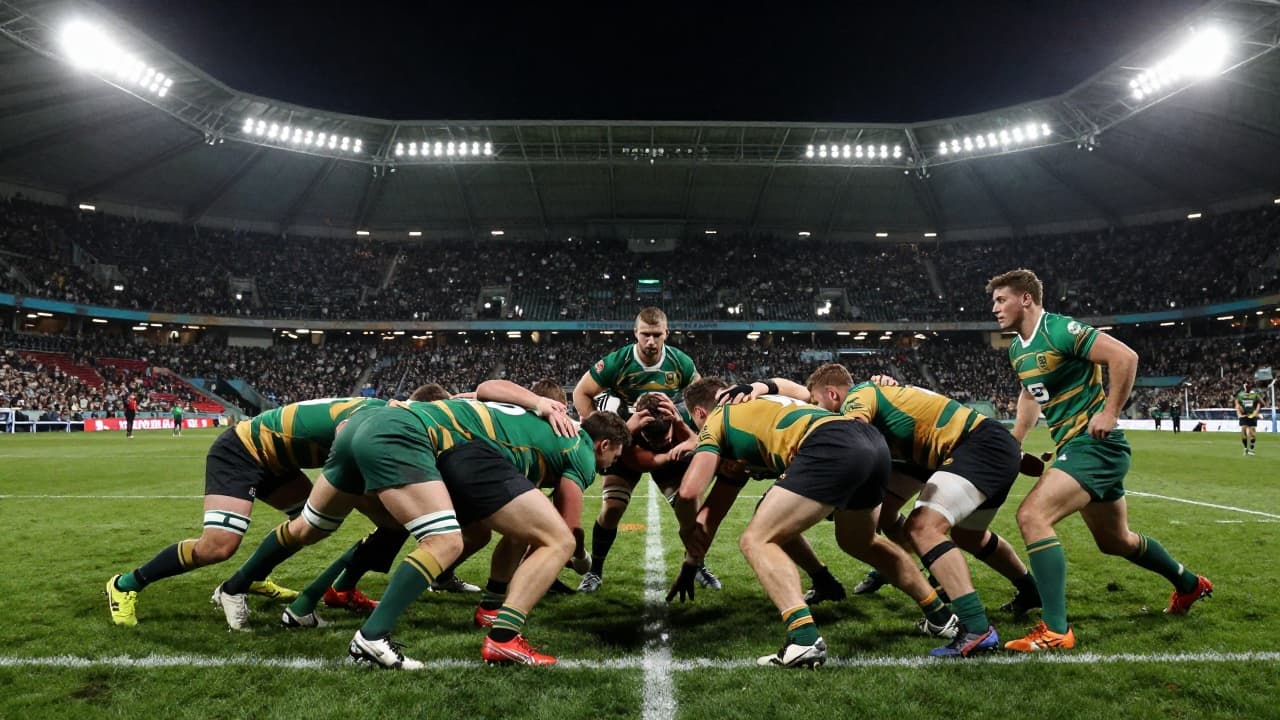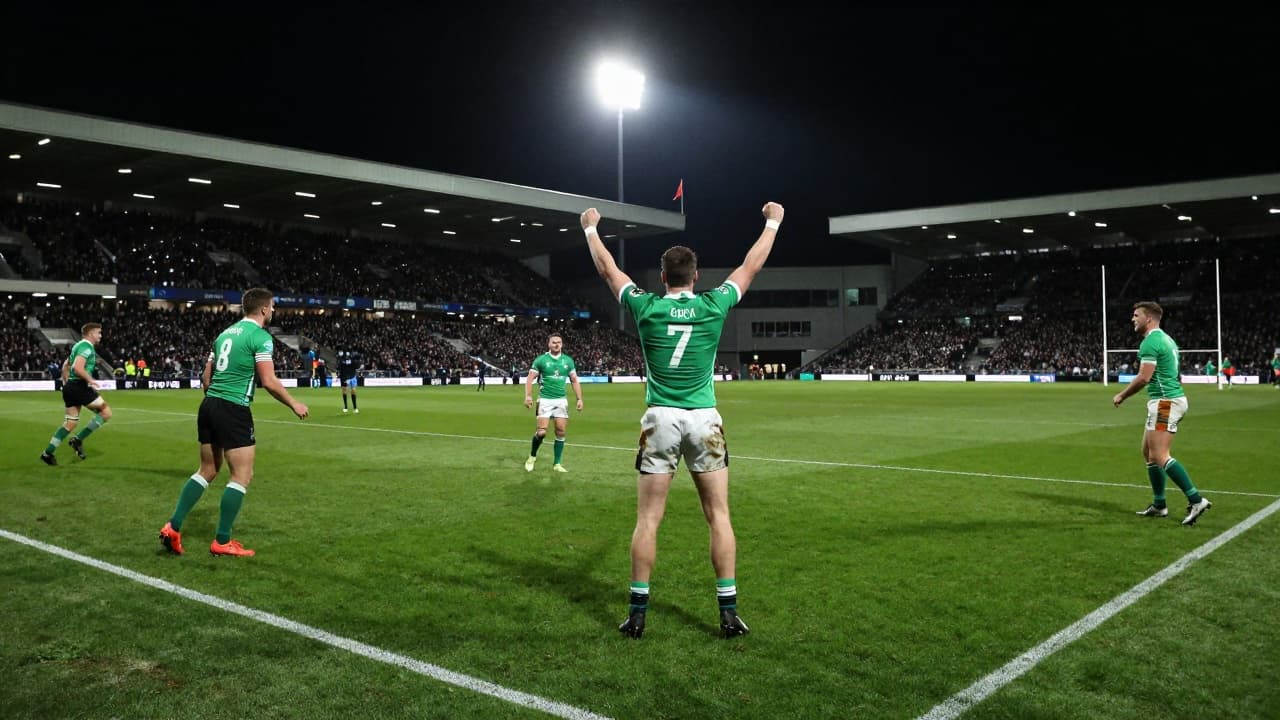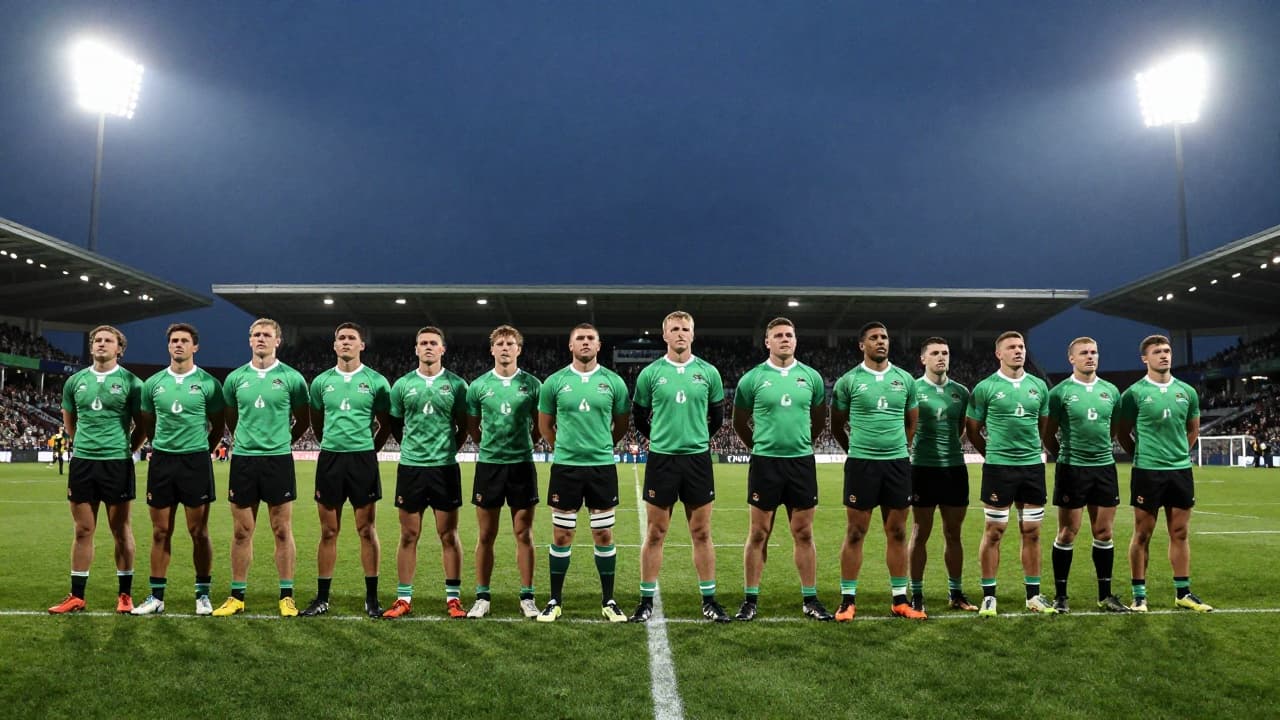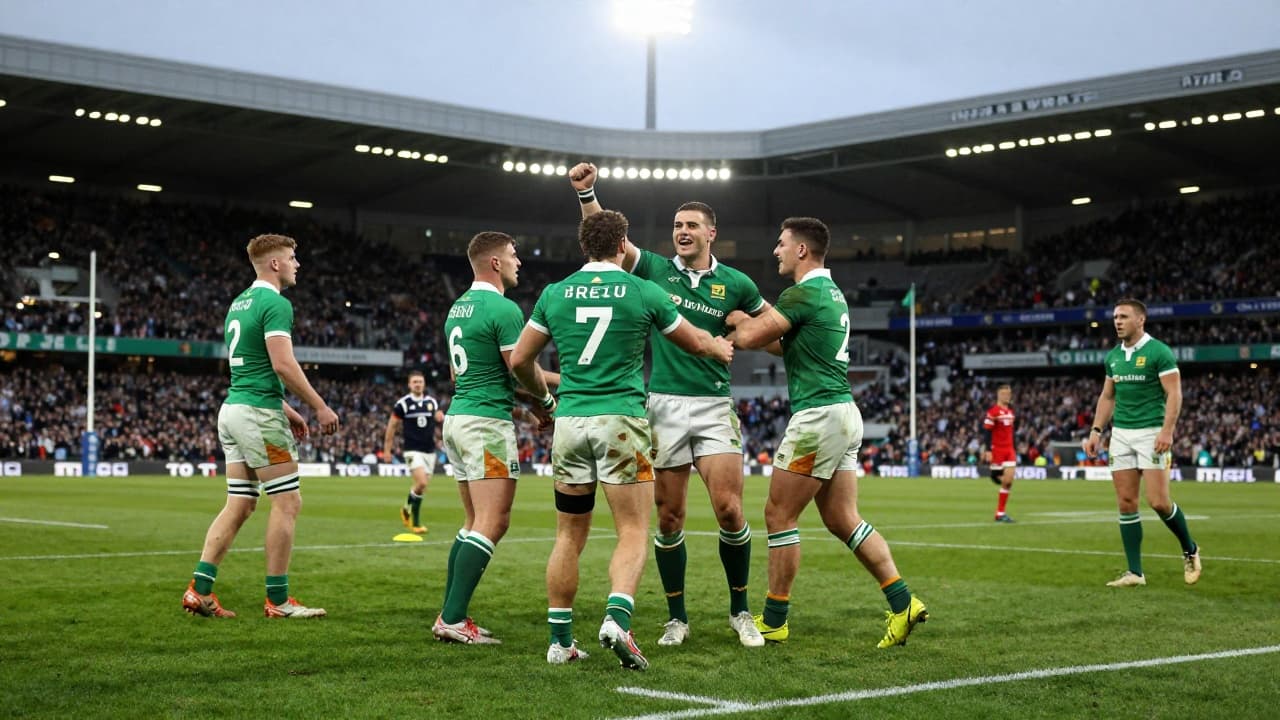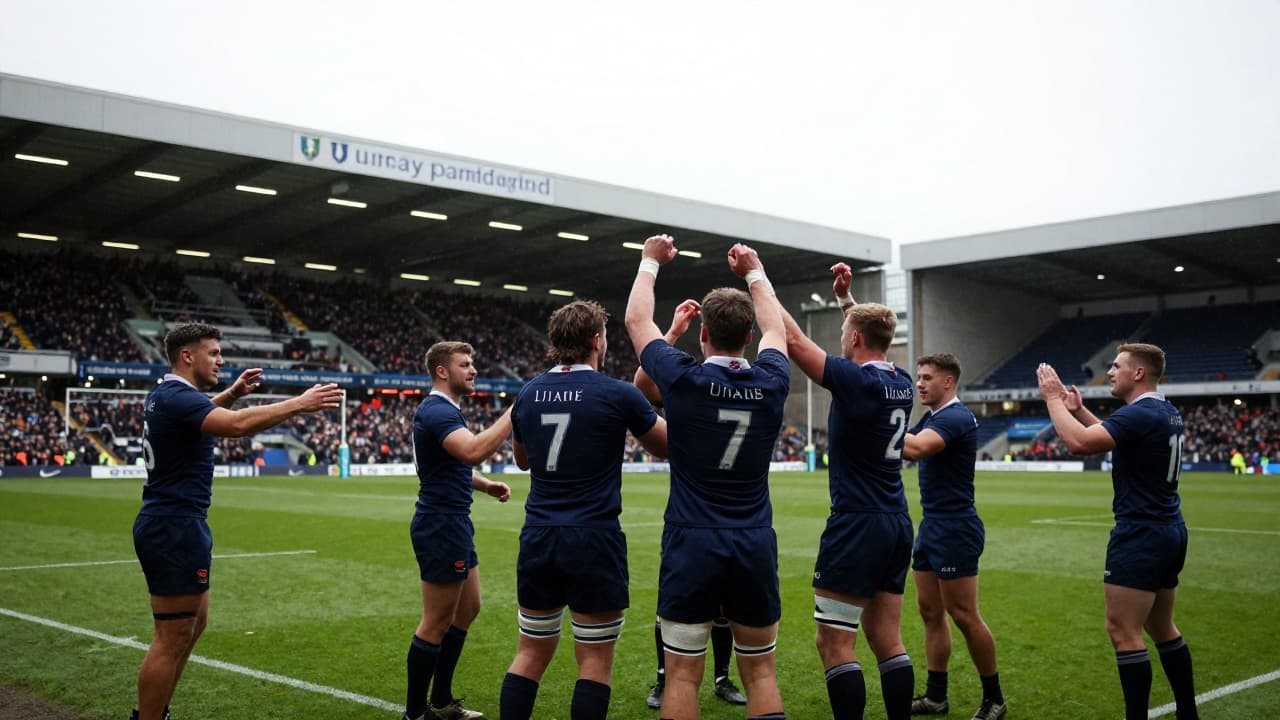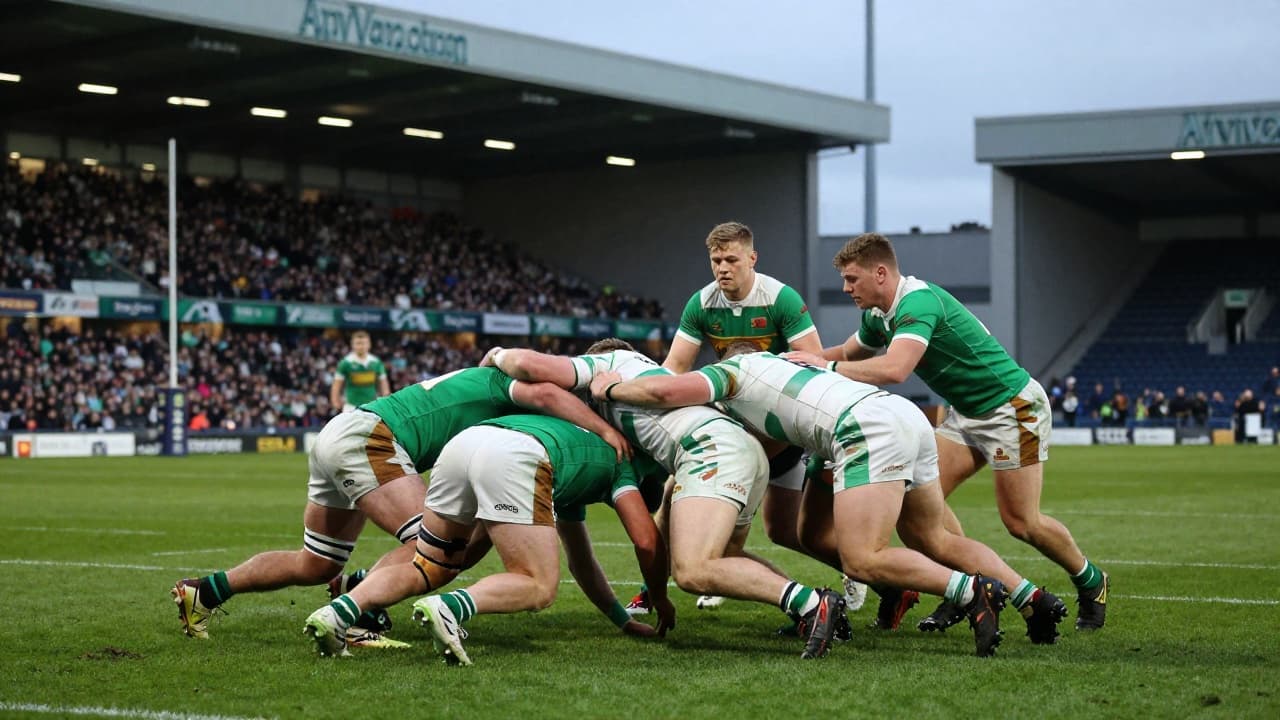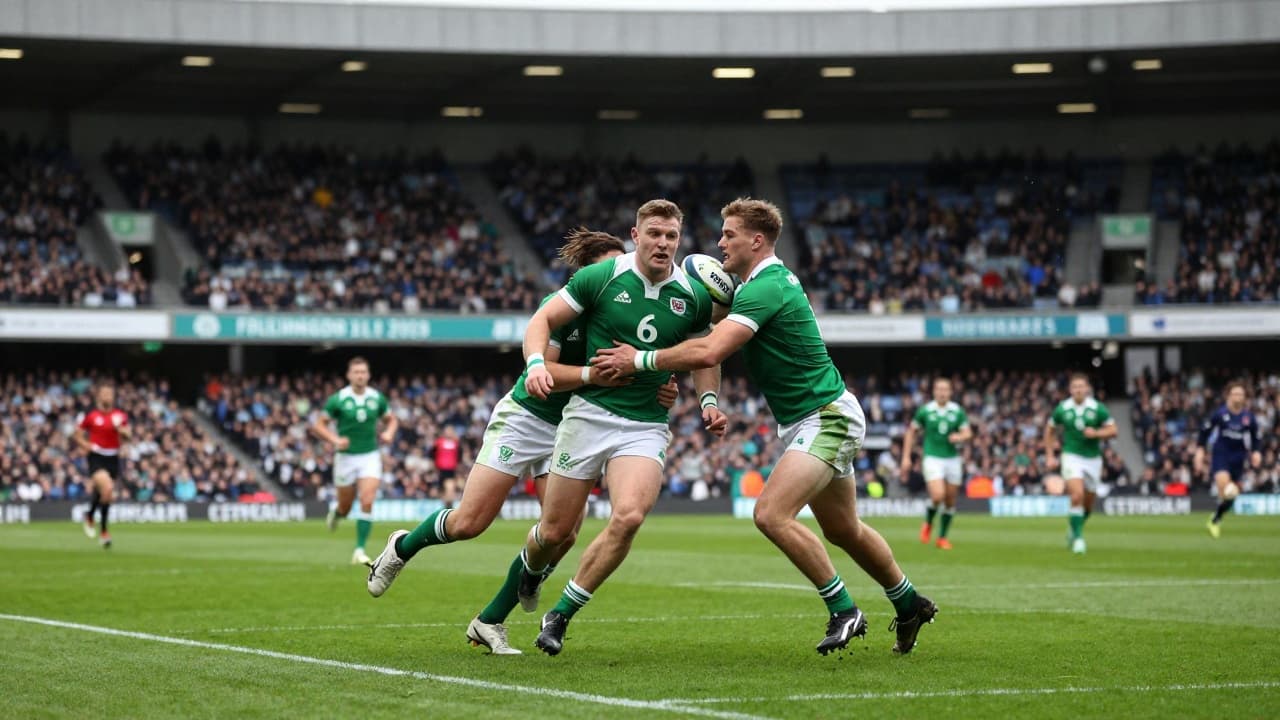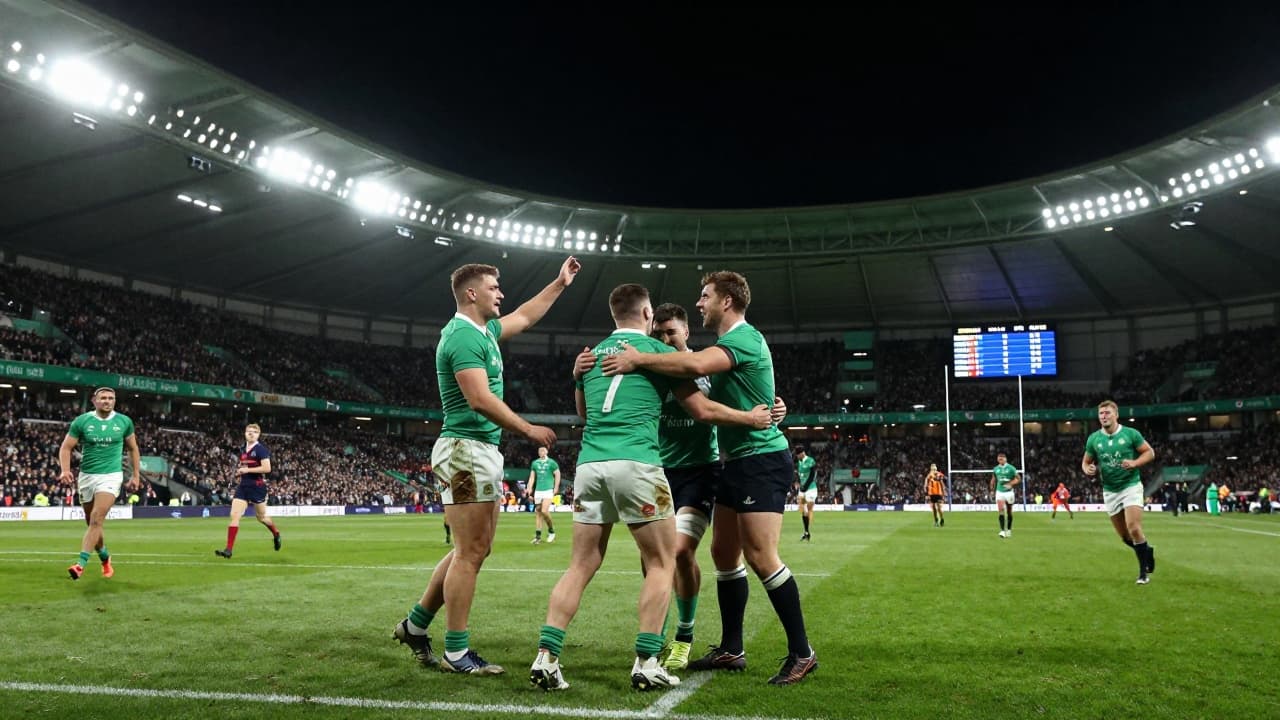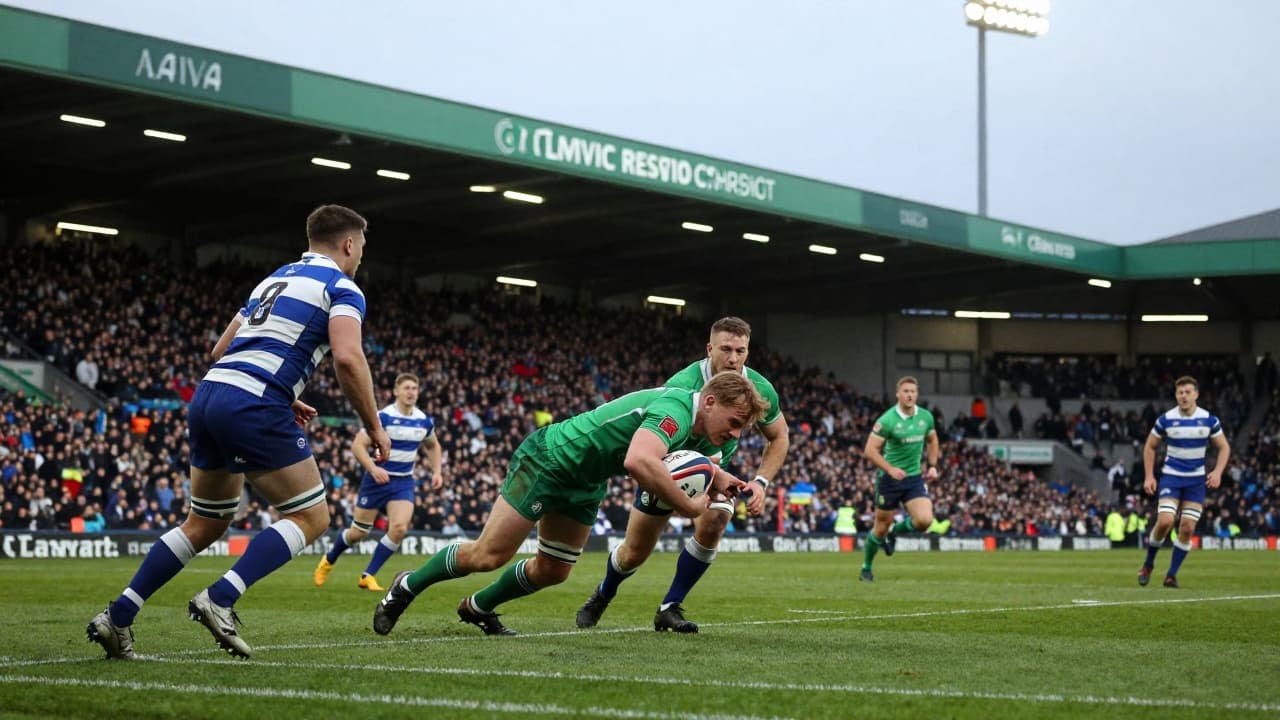
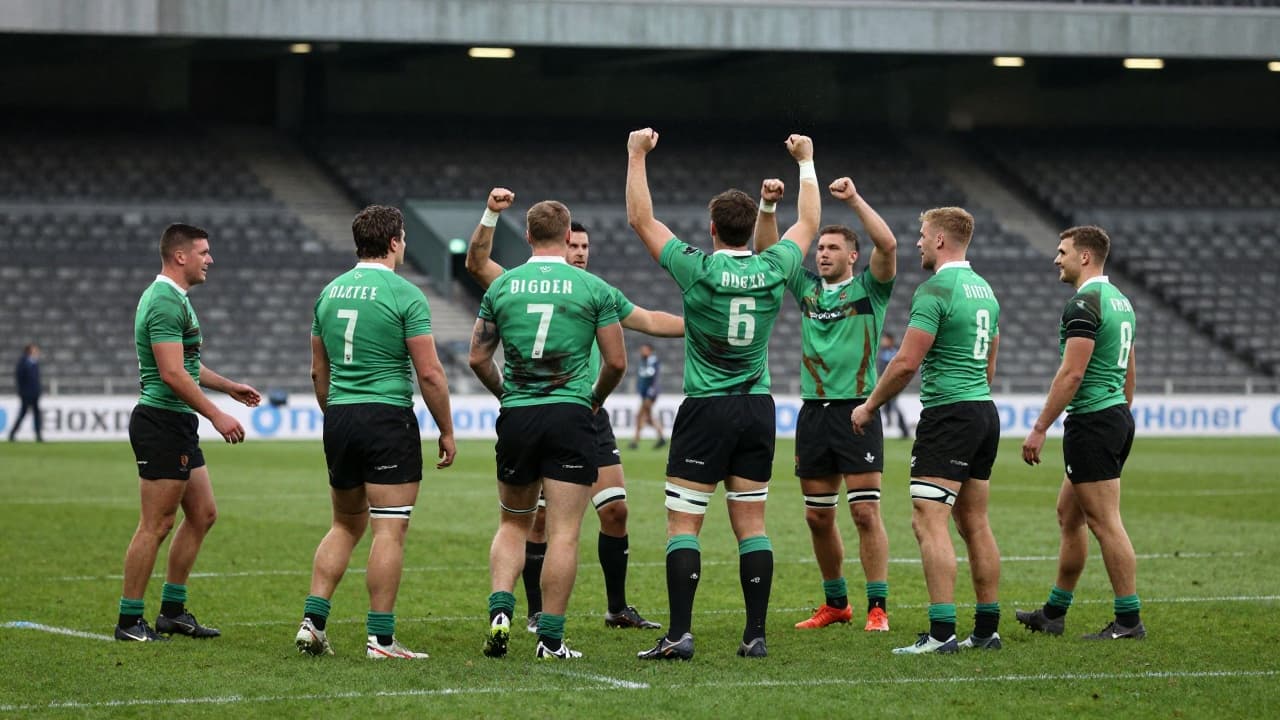
Ireland rounded off 2026 with a fourth consecutive victory, defeating Australia 38-14 to secure fifth place in the inaugural Nations Championship. The fifth-place play-off match was played on Friday at a half-empty Allianz Stadium, and coach Andy Farrell did not hide his satisfaction afterwards.
Farrell had been clear from the start that he intended to use the autumn window as a test ahead of the World Cup. It consisted of four weekends, four matches, tough opponents and six-day gaps between games. "We have certainly seen a shift in our appetite to want to grow and be better," Farrell said. "That was very evident in the camp. Sometimes it translates to the matches, sometimes it doesn't, but we saw a step forward in that regard." He added that this alone makes it a very successful campaign, but that the trend needs to continue and make big strides forward.
The encounter with Australia was not straightforward. Ireland looked tired and clumsy in the first half, and a more precise Australian team would have punished them. However, they went to the break with a 10-point lead. "It was a stop-start game where things weren't going our way," Farrell said. "It was similar to the game against South Africa in that we didn't have territorial position, we didn't have the ball, largely because of Australia, but mostly because of ourselves, as we were giving away penalties and not winning the balls we wanted." He emphasised that they did find a way to be clinical when the opportunity arose in their 22-metre area.
Improved play in the second half allowed Ireland to beat Australia for the seventh time in a row. Try scorers included Robbie Henshaw, Nick Timoney, Rob Baloucoune and double try-scorer James McNabney, who emerged as a new force in the back three. This brought Ireland to 10 wins in 12 matches in 2026.
This victory followed a disappointing 40-21 defeat by New Zealand at the end of the summer window. That painful night in Auckland was the sixth consecutive defeat by a double-digit margin against New Zealand, South Africa or France. After three months of "simmering" over that match, the team was talking about maintaining "new standards" at the start of the month. Although they would quickly point out how far they are still from their best form, the results have been largely satisfactory.
Ireland beat Argentina and Fiji without their best performances, and then dealt a blow to the world champions ten months before boarding the plane for the World Cup. The four consecutive wins were achieved without influential players such as Caelan Doris, Jack Conan, Garry Ringrose and Jack Crowley. Farrell managed to give valuable minutes to Ryan Baird and Andrew Porter, who had missed a significant part of the international calendar in the last 12 months. Rob Baloucoune further cemented his status as an international-level winger with five tries in four appearances this month.
Sam Prendergast, Leinster fly-half, stood out in particular. He had been omitted for the triumph at Twickenham against England, but crowned his best campaign in the green jersey with a man of the match performance against Australia. "When he came into camp, I saw a shift in how he demands from himself and others," Farrell said. "It seemed that in this campaign he was the one pushing his team forward, which is a big step in the right direction. We all know that when you are comfortable in that, you can pull your game out of it." He added: "You can see the confidence in him, not just in the passing game, but in the running, he believes in himself and is certainly gaining confidence."
Farrell was left without viral moments like Stuart McCloskey shoving Marcus Smith into touch, but the return to Twickenham brought the victory needed to round off a year he considers successful.