The umbrella association of German technical supervision bodies, TÜV-Verband, presented the TÜV-Report 2027 in Berlin on Wednesday, 18 November 2026. The printed edition, AutoBild TÜV-Report, is available for sale from Thursday, 19 November.
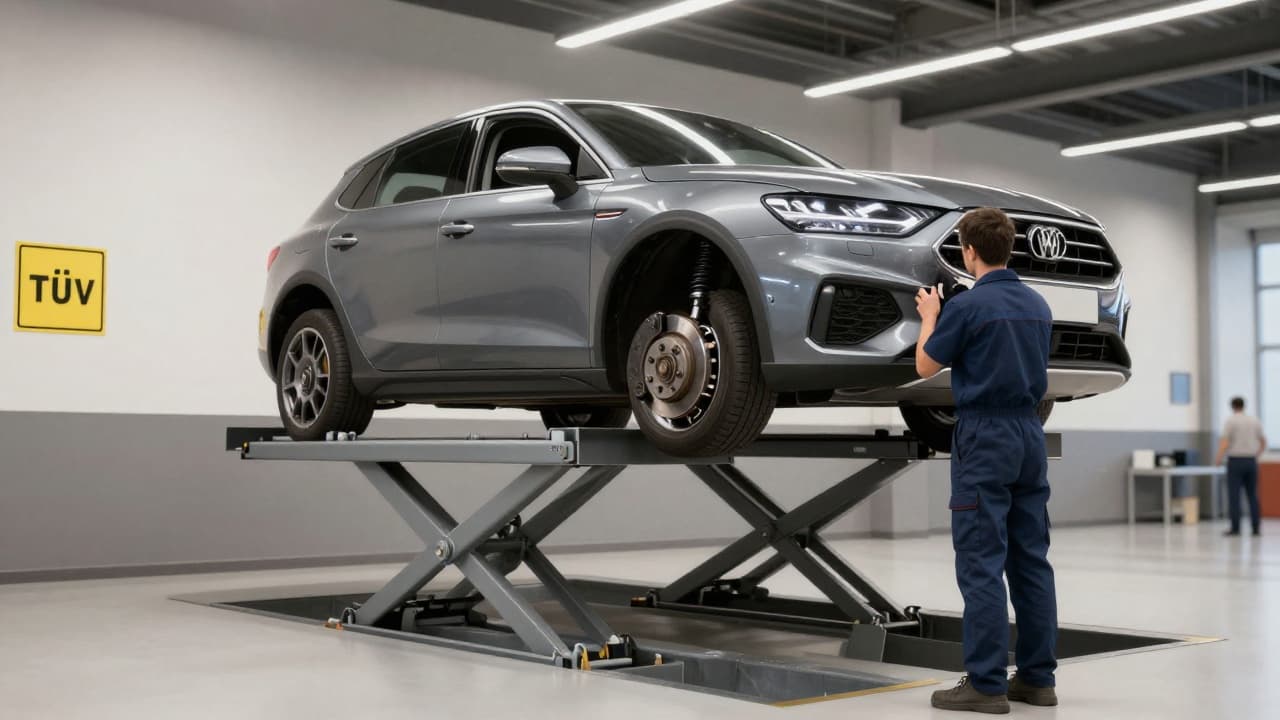
The report is based on approximately 9.7 million periodic technical inspections (Hauptuntersuchung, HU) carried out in Germany between 1 July 2025 and 30 June 2026. It covers 200 models of passenger cars, of which 26 are fully electric. The ranking does not measure breakdowns on the road or maintenance costs, but rather the proportion of cars of a specific model and age that have 'significant' or 'dangerous' defects during the technical inspection, meaning they do not receive a sticker and must undergo a re-inspection after repair. A new car in Germany undergoes its first inspection after three years, and then every two years, with models categorised into age groups from 2–3 to 20–21 years.
A total of 20.9 per cent of cars failed the inspection, down from 21.5 per cent the previous year. 66.7 per cent of cars passed without any defects, while 12.4 per cent had only minor defects. The average passenger car in Germany is 10.9 years old, compared with nine years in 2015. Among cars aged two to three years, an average of 6.4 per cent fail; at the second inspection (4–5 years), 10.2 per cent fail; in the 10 to 11-year group, 21.9 per cent fail; for cars aged 14 to 15 years, nearly one in three fails; and for cars aged 20 to 21 years, 38.7 per cent fail. The most common causes in older cars are oil leaks from the engine or gearbox, faulty lights, and suspension defects.
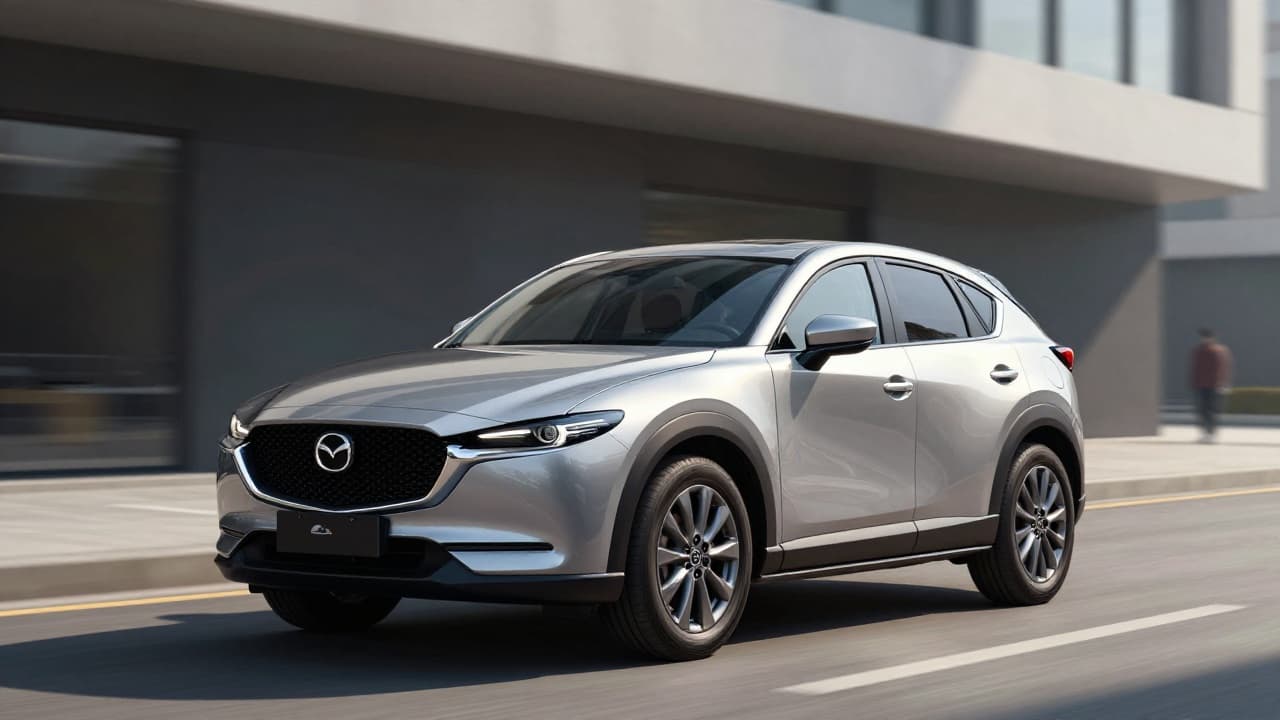
Mazda has produced the overall winner for the second year in a row. Last year, the overall winner was the small Mazda 2, while this year the overall winner is the Mazda CX-60 SUV. Only 2.3 per cent of Mazda CX-60 examples aged two to three years had significant defects at their first inspection. Second place went to the Mercedes GLA with 2.9 per cent, and third to the electric Mazda MX-30 with 3.0 per cent, which is also the best electric car in the report. The Mini class winner among cars aged 2–3 years is the Smart Fortwo EQ (electric) with 4.3 per cent significant defects, the small car class winner is the Mini Cooper SE (electric) with 3.3 per cent, the compact car class winner is the BMW Series 1/2 with 3.6 per cent, the mid-size class winner is the Hyundai Ioniq 5 (electric) with 4.2 per cent, the monovolume class winner is the Mercedes B-Class with 3.6 per cent, and the SUV class winner is the Mazda CX-60 with 2.3 per cent. The average for the 2–3-year age group (109 models) is 6.4 per cent, and three of the six class winners are electric cars.
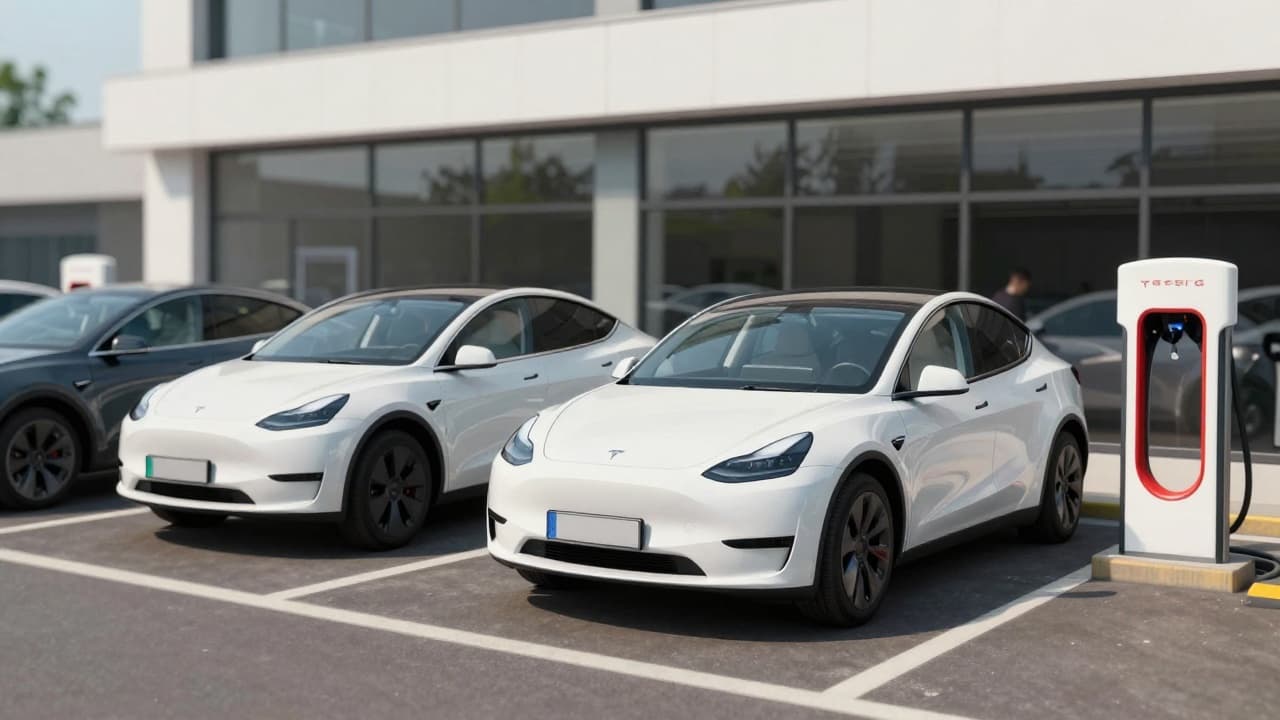
The last three places among the 109 models aged two to three years are occupied by electric cars. 107th place is taken by the Tesla Model 3 with 12.5 per cent significant defects, 108th place by the MG4 with 16.0 per cent, and 109th place by the Tesla Model Y with 18.5 per cent. The Tesla Model Y has almost three times more defects than the average, which is the worst result in this age group since the TÜV-Report 2015. The Model Y is 1.2 percentage points worse than last year, when it was also last with 17.3 per cent. Worn suspension joints on the Model Y appear 24 times more frequently than on comparable cars, brake disc problems affect 3.4 per cent of Tesla Model Y cars compared with an average of 1.0 per cent, and the Model Y covers an average of 58,000 kilometres before its first inspection, while the group average is 47,000. The MG4 is the first car from a Chinese manufacturer in the report, with faulty brake discs found in 10.3 per cent of examples.
The best in the 2–3-year age group is the Mazda CX-60 (2.3 per cent), and the worst is the Tesla Model Y (18.5 per cent). In the 4–5-year group, the best is the Audi Q8 e-tron (3.3 per cent), and the worst is the BMW Series 1/2 (21.8 per cent). In the 6–7-year group, the best is the VW T-Roc (6.1 per cent), and the worst is the Tesla Model 3 (27.9 per cent), while in the 8–9-year group, the best is the VW T-Roc (9.4 per cent), and the worst is the Dacia Duster (28.3 per cent). In the 10–11-year group, the best are the Mercedes GLA and VW Golf Sportsvan (13.5 per cent), and the worst is the Dacia Sandero (32.2 per cent), while in the 12–13-year group, the best is the Mercedes GLE/ML (17.2 per cent), and the worst is the Nissan Qashqai (35.5 per cent). In long-term quality, measured on cars aged 10 to 11 years, Mercedes stands best (18.0 per cent), ahead of Toyota (18.7 per cent) and Audi (19.6 per cent).
Weak points for electric cars at inspection are brakes, suspension, and lights. Due to regenerative braking, drivers rarely use mechanical brakes, so brake discs corrode, and the greater mass of the battery further strains the suspension. For Tesla, the manufacturer does not prescribe fixed service intervals, so defects are often only discovered at the technical inspection. Among young electric cars up to five years old, according to a special analysis by TÜV SÜD, the Peugeot e-2008 performs best.
Germany is the largest source of used cars imported into Croatia, and tens of thousands of used cars are registered in Croatia every year, the vast majority from imports. Croatian buyers rarely import cars three years old, so age groups from 6 to 13 years are more useful for most. At the top of these groups are the VW T-Roc, Mercedes GLA, VW Golf Sportsvan, and Mercedes GLE/ML.