Volkswagen has announced plans for a comprehensive restructuring that includes the elimination of 100,000 jobs, representing one of the most drastic moves in the history of the German automotive sector. This decision comes as the company faces serious financial and operational challenges, forcing it to make fundamental changes to its business operations to maintain competitiveness in the global market.
Although most workers have already agreed to the elimination of around 50,000 jobs through voluntary departure programmes, the remaining 50,000 positions represent a more complex part of the restructuring. Management has stressed that the situation is critical, with chief executive Oliver Blume stating that the company is in a "multiple critical state". This assessment stems from the fact that Volkswagen has, over the past decades, become significantly more cumbersome compared to its competitors, partly due to the decision to control a larger number of production stages.
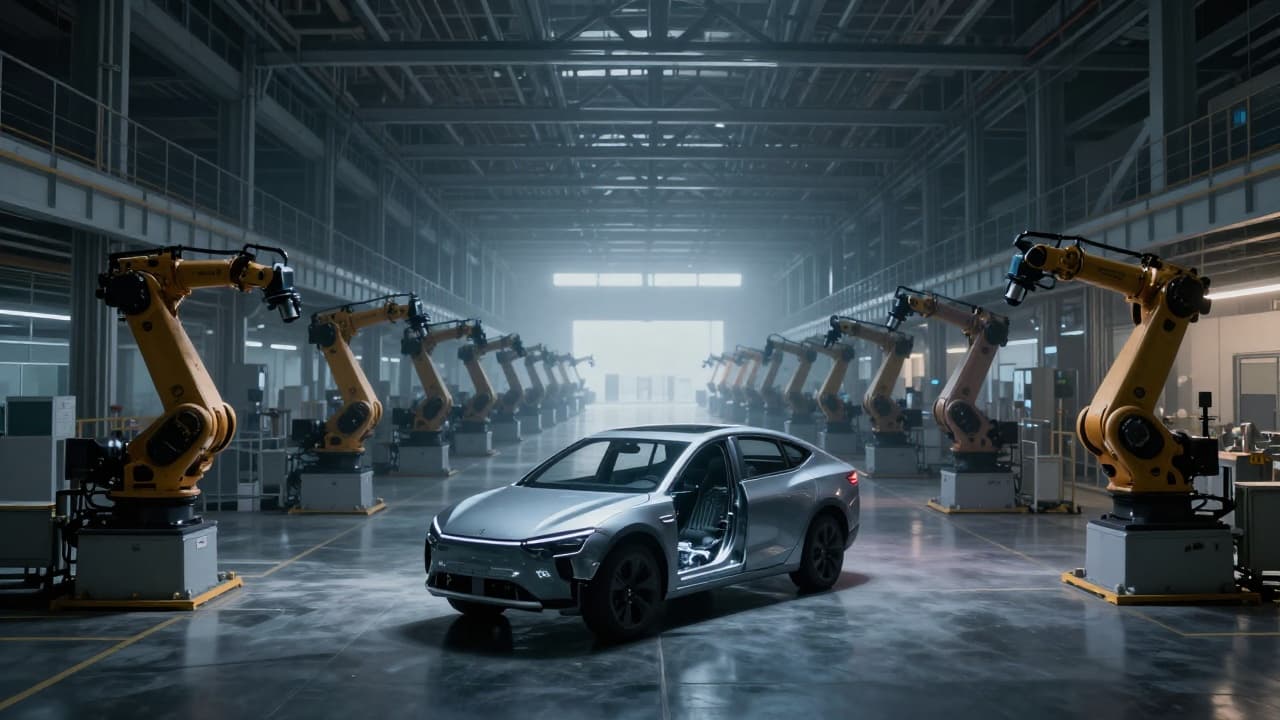
One of the key problems Volkswagen faces is overproduction. The company currently produces around half a million vehicles more than it can sell, creating pressure on inventory and profits. In response, Volkswagen plans to reduce the number of models on offer, halving them, to focus on the most profitable products. Additionally, plans are in place to reduce overhead costs, particularly in Germany, where labour costs are traditionally higher.
The company's financial situation is further complicated by the fact that profits do not exceed the need for investment in new technologies and products. Although Volkswagen achieved an operating margin of 3.8 per cent, this level is insufficient to sustain current investment levels and maintain factory operations. Therefore, the company plans to reduce its global production target, lowering it from 11 to 9 million vehicles annually, to align supply with demand.
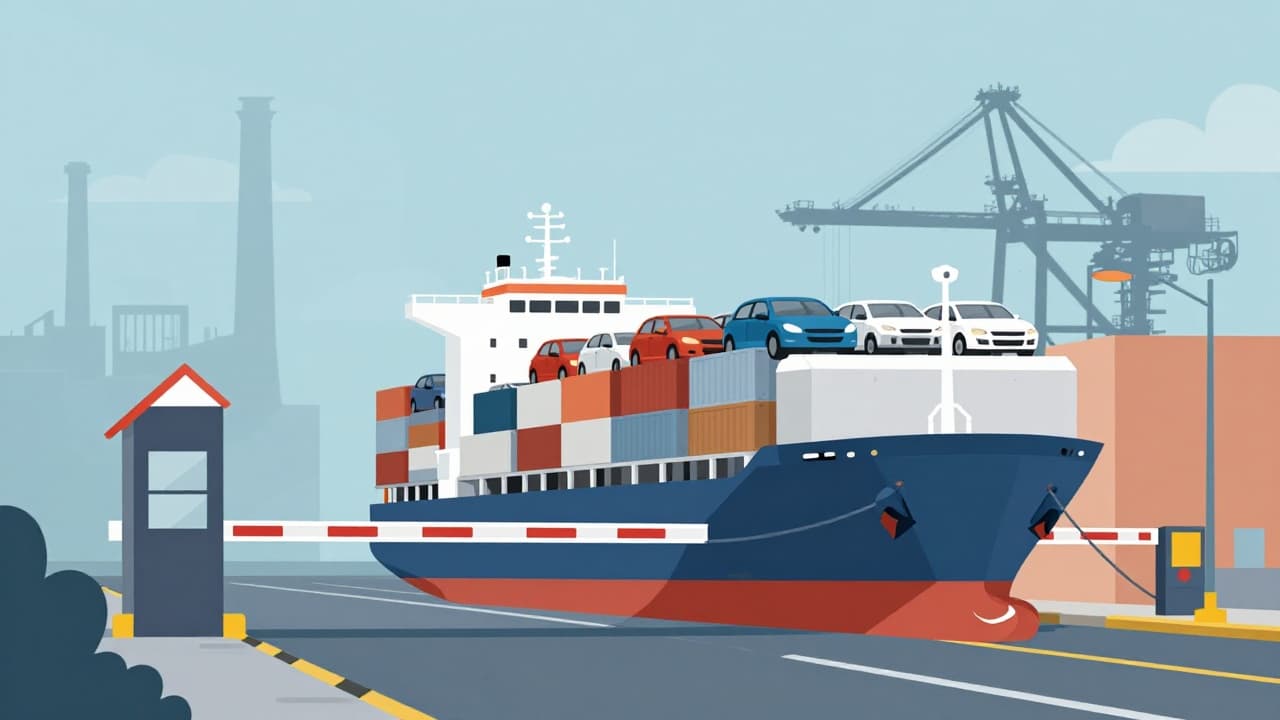
Beyond internal challenges, Volkswagen faces external pressures, including increasing competition from China, US tariffs, geopolitical risks, and bureaucratic obstacles. These factors further complicate business operations and require urgent measures to stabilise the business.
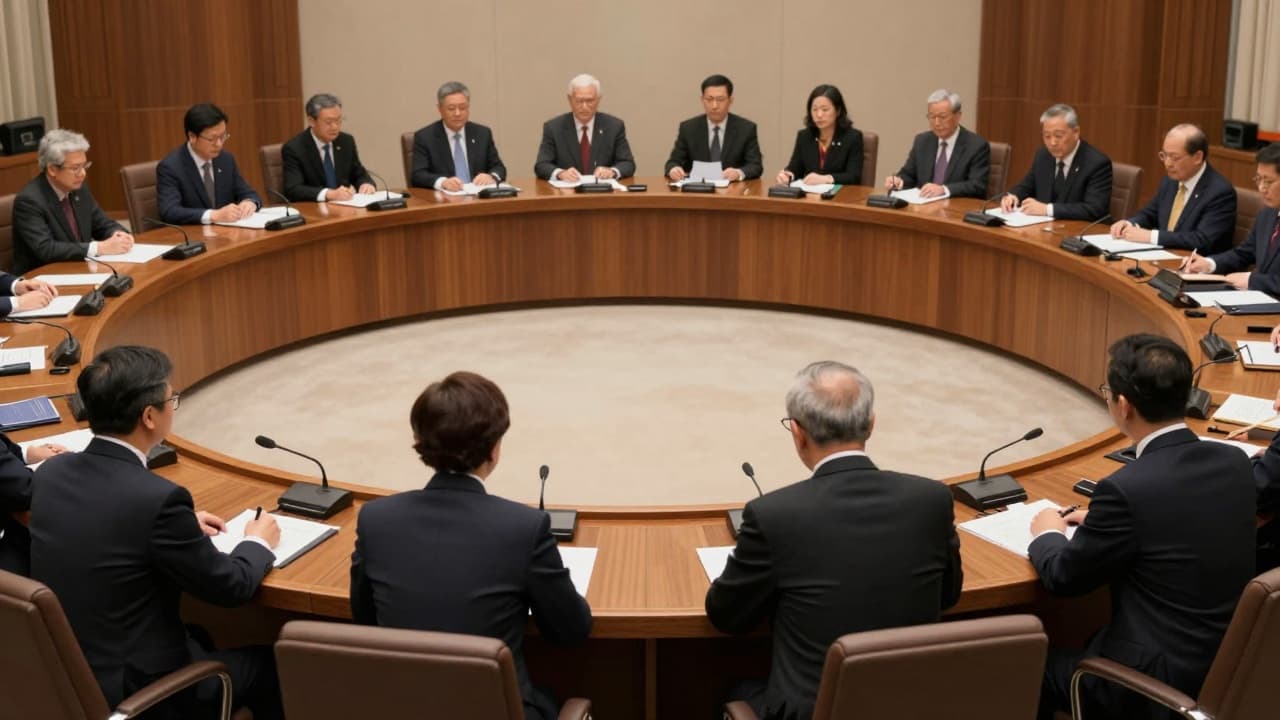
Despite these challenges, the federal state of Lower Saxony, which holds 20 per cent of voting rights in Volkswagen, has expressed concern. The state government has refused to approve the cost-cutting plans, citing concerns about potential social consequences, including job losses. This divergence of opinion between management and local authorities further complicates the restructuring process, highlighting the complexity of balancing economic needs with social responsibilities.