Many citizens feel that they suddenly use more electricity after their old meters are replaced with digital ones, and suspicions that the new meters are stealing power are being shared on social media. Jozo Cikojević addressed this issue in a post that attracted attention and sparked a large debate.
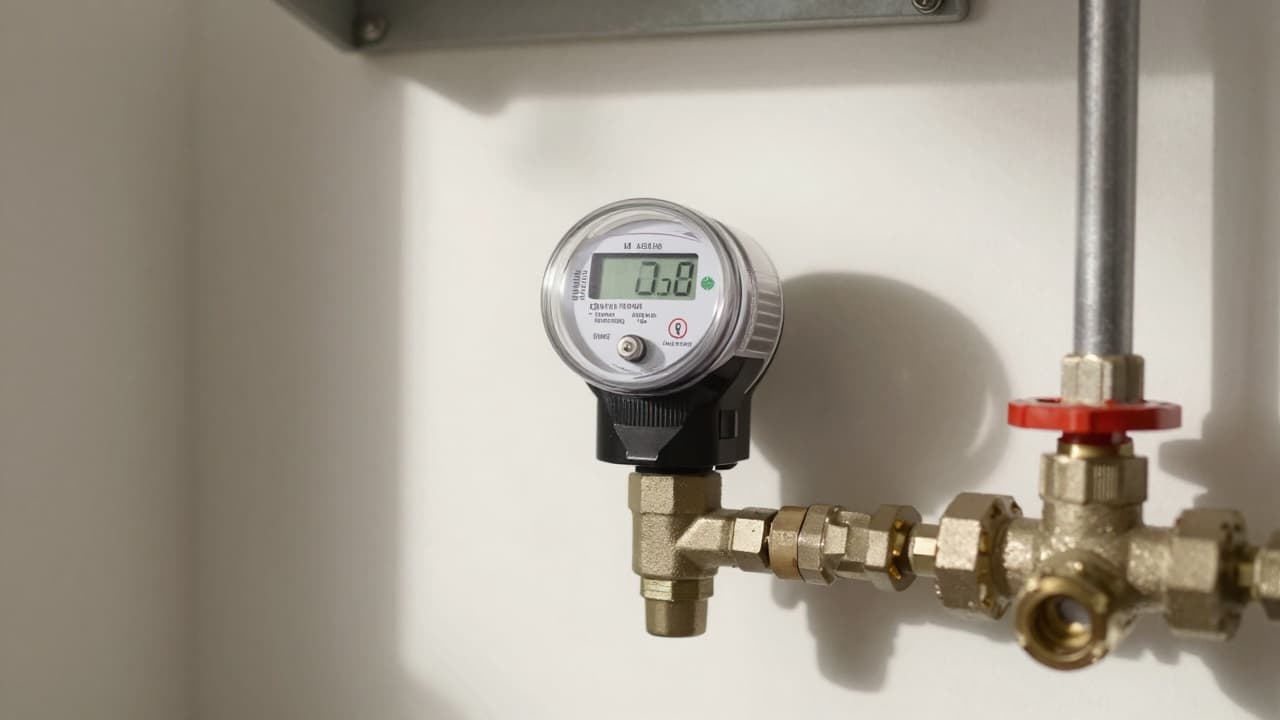
As he notes, the impression that new meters "steal electricity" is usually not the result of a fault or incorrect billing, but rather the difference in how consumption is measured between old mechanical and new digital devices. Old mechanical meters could become less precise over the years due to the wear of parts, and in some cases recorded lower consumption than the actual amount.
Mechanical meters have moving parts that wear, get dirty and lose magnetism over decades. Due to friction, the disc rotates more slowly, meaning many people paid for less electricity than they actually used for years. A new digital meter simply starts measuring the true state of affairs.
An old meter did not have enough induction to start the disc when only a mobile phone charger, a television in standby mode or an internet router was connected. A digital meter registers even very small consumers and adds up all these minor users 24 hours a day, which can add several tens of kilowatt-hours (kWh) on a monthly basis.
Additional differences can be created by more precise tariffs and billing based on actual rather than estimated consumption. In old systems, clock switches were known to lag or rush by one or two hours, so people unknowingly used cheaper (night) electricity during the more expensive (day) tariff or vice versa, while digital meters have precisely synchronised clocks. With mechanical meters, bills were often based on six-month estimates, whereas smart meters enable billing based on actual monthly consumption. If the replacement happened before the heating or cooling season, the jump in the bill is immediately visible.
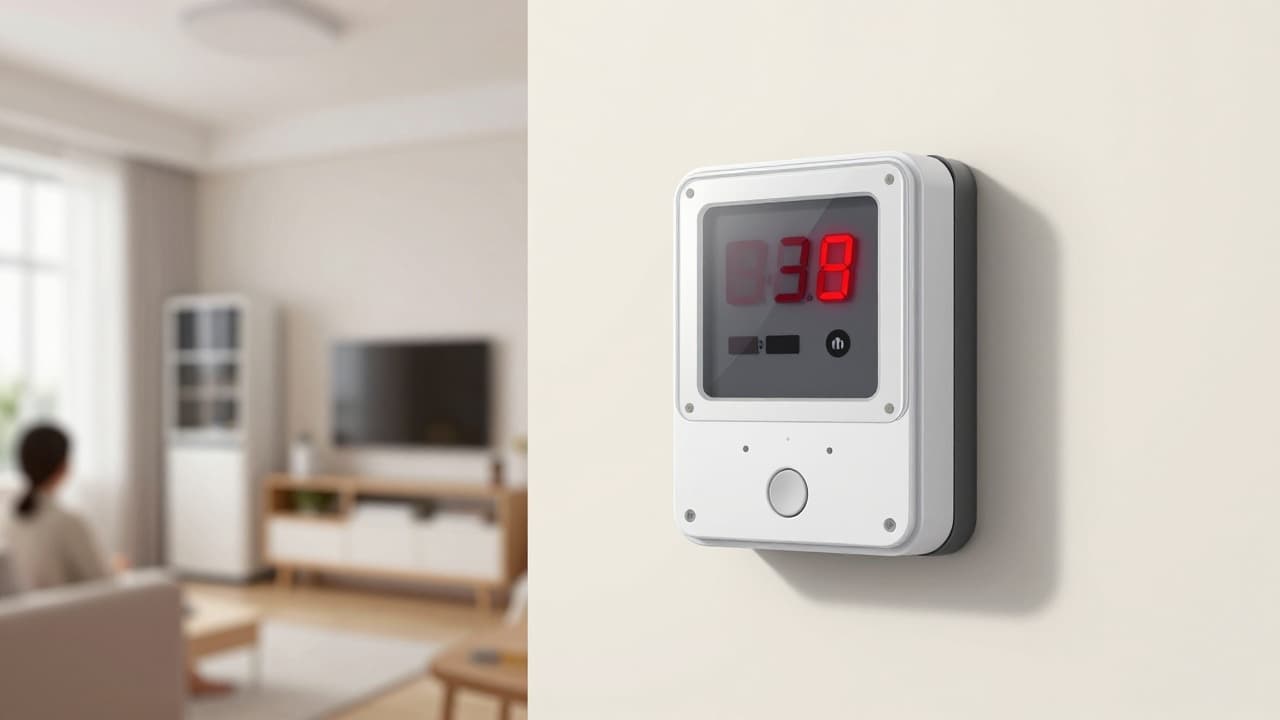
Many users are also confused by the rapid flashing of the LED light on the meter, which creates the impression that the meter is running faster than the old mechanical system. Digital meters have a red light that flashes in proportion to current consumption. When a water heater or oven is switched on, the light flashes very quickly, which visually gives people the impression that the meter is "rushing" much faster than the old disc.