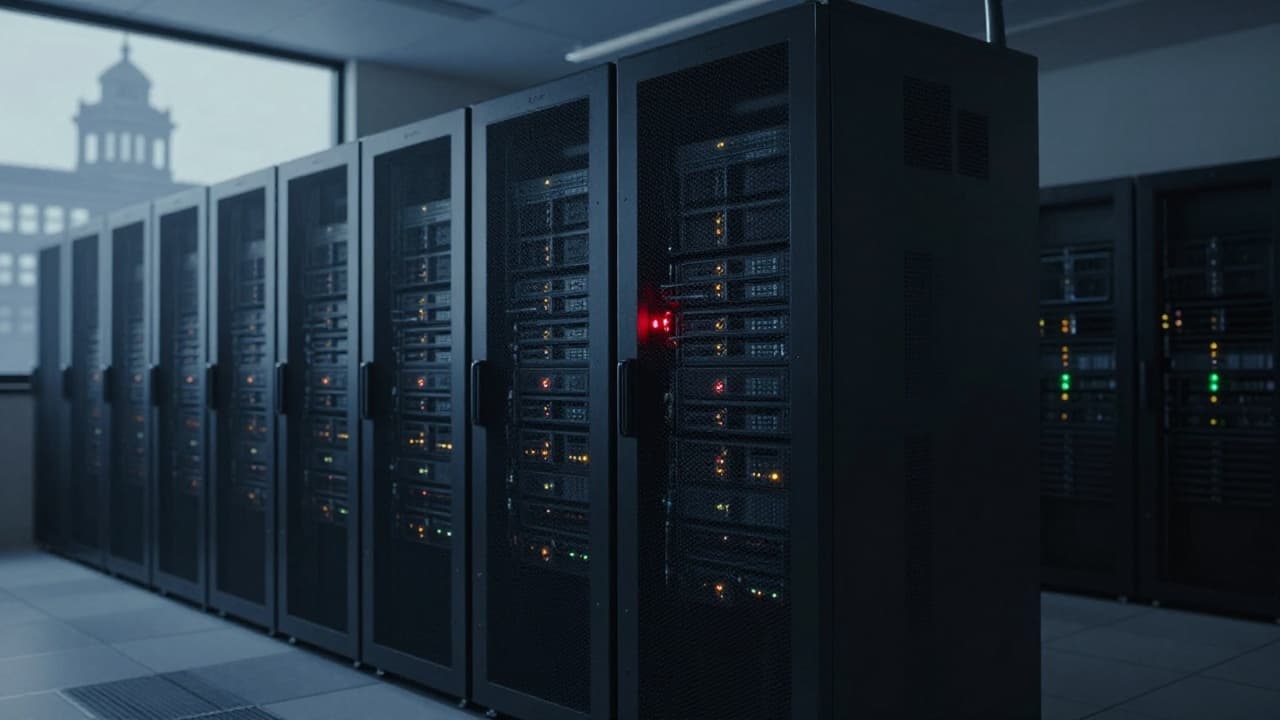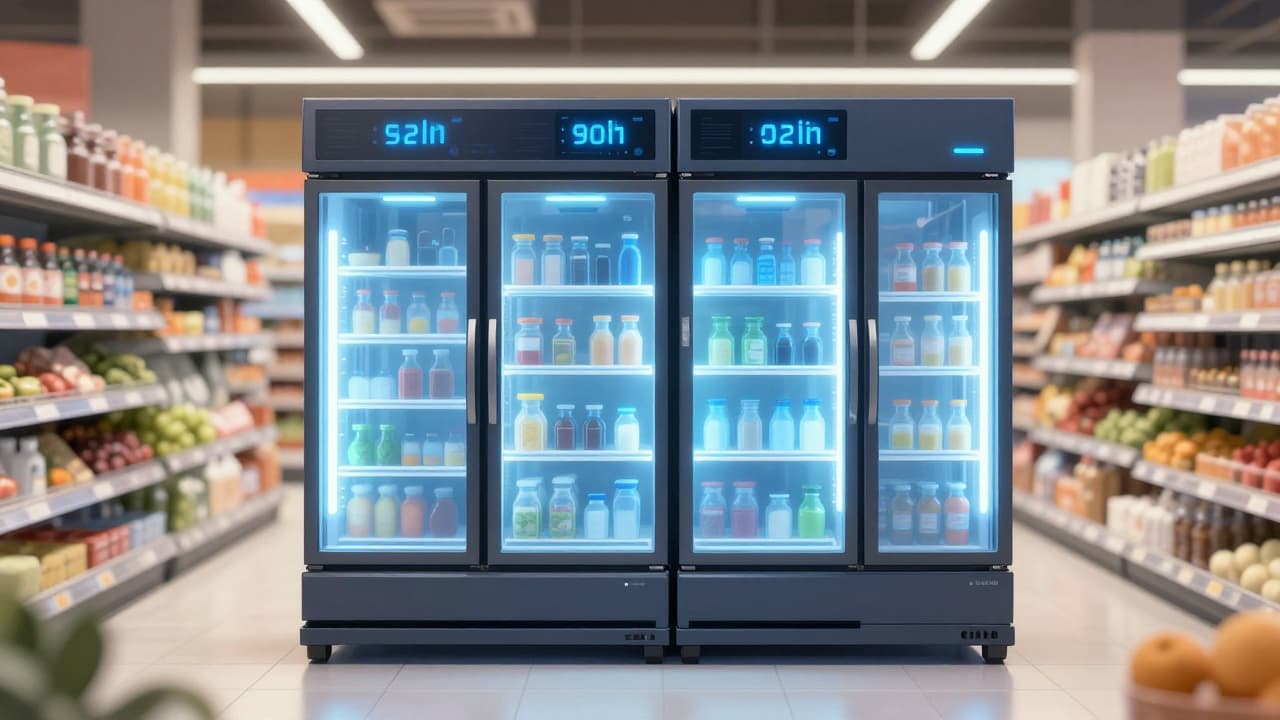
Dozens of shops in European countries have been hit by a cyberattack that affected their fridges and freezers, with suspicion of a targeted attack on supermarkets. According to available information, freezers in shops in seven European countries were exposed to the attack.
Internet-connected smart devices include fridges, central heating systems, and even washing machines. As early as 2015, researchers demonstrated how a vulnerability in a Samsung smart fridge could allow internet traffic to be intercepted. Nevertheless, there is no evidence that household appliances were the target of the attacks that hit supermarkets in November.
Ciaran Martin, former chief executive of the UK's National Cyber Security Centre (NCSC), stated that manufacturers must do more to secure connected devices. He advised consumers to regularly update their devices and, where possible, enable multi-factor authentication. From April 2024, UK law obliges manufacturers of certain consumer smart devices to meet minimum cybersecurity standards, including requirements for passwords and security updates.
The NCSC stated that it is working with international partners and industry to understand the supermarket incidents and that it is not aware of any impact on the United Kingdom. Researchers at UK Cyber Defence identified more than 800 cooling and building management interfaces connected to UK retailers, which are accessible via the public internet. The government has already held talks with senior representatives of food retailers on cyber resilience, following previous attacks on supermarkets.
Helen Dickinson, chief executive of the British Retail Consortium, stated that cyber incidents are a major problem for retailers and that companies are working with the NCSC on intelligence sharing and strengthening defences. When UK supermarkets M&S and Co-op were targeted by ransomware hackers in May 2025, retailers faced difficulties in stocking shelves with fresh deliveries, and customers across the United Kingdom complained about empty shelves for days after the attack.
Tom Hegel, a researcher at cybersecurity firm SentinelOne, said that retailers must be clearer about responsibility. He highlighted that internet connectivity can make everyday technology more convenient, but security must keep pace. Ken Munro, a cybersecurity expert, reminded of a 2015 demonstration in which researchers remotely hacked a Jeep via its internet-connected entertainment system, which prompted improvements in vehicle security. Mobile connections are widely used to monitor equipment in power plants and water networks, allowing engineers to control systems remotely. Munro said that UK utility companies are generally good at securing these connections, but that standards vary around the world. His greatest concern is smaller, underfunded utility companies that may still rely on older, vulnerable equipment.
Olivier Daloy, a cybersecurity expert at Zscaler, warned that without appropriate protection, any factory or equipment connected to the internet could be exposed to similar risks.