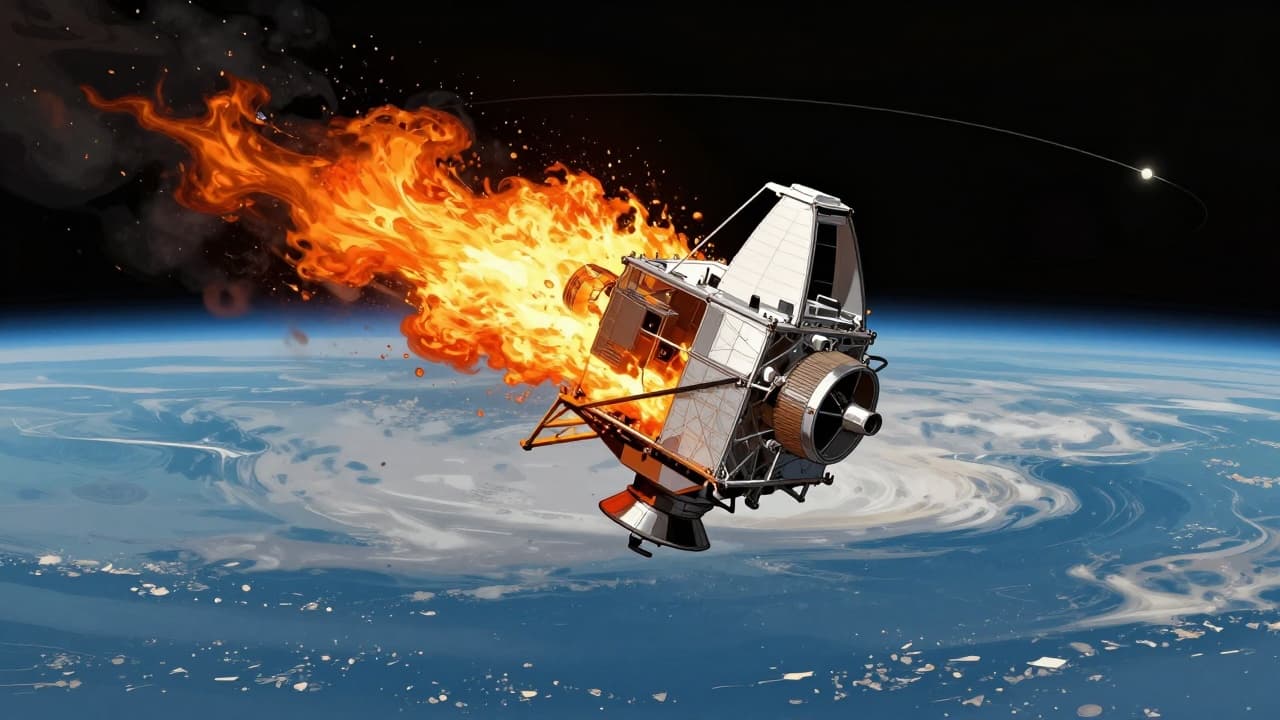
The Neil Gehrels Swift space observatory will enter Earth's atmosphere this Wednesday, 4 November, after 22 years in orbit. The spacecraft will re-enter uncontrolled and will likely burn up completely.
According to estimates by the US Space Force, the spacecraft, weighing approximately 1,450 kilograms, will enter the atmosphere at 09:30 Central European Time. This estimate is given with a possible deviation of plus or minus 11 hours. Experts expect that most of the satellite will break apart and burn up during its passage through the atmosphere, while a smaller portion of components may survive the descent.
The exact locations of the debris fall will depend on the moment of atmospheric entry. Due to the low inclination of the orbital path, debris can fall exclusively in the band between 20.6 degrees south and 20.6 degrees north latitude. NASA highlights that the risk of injury to people on Earth is extremely low and is estimated at approximately 1:2100. The Space Force and NASA continue to monitor the deorbiting process.
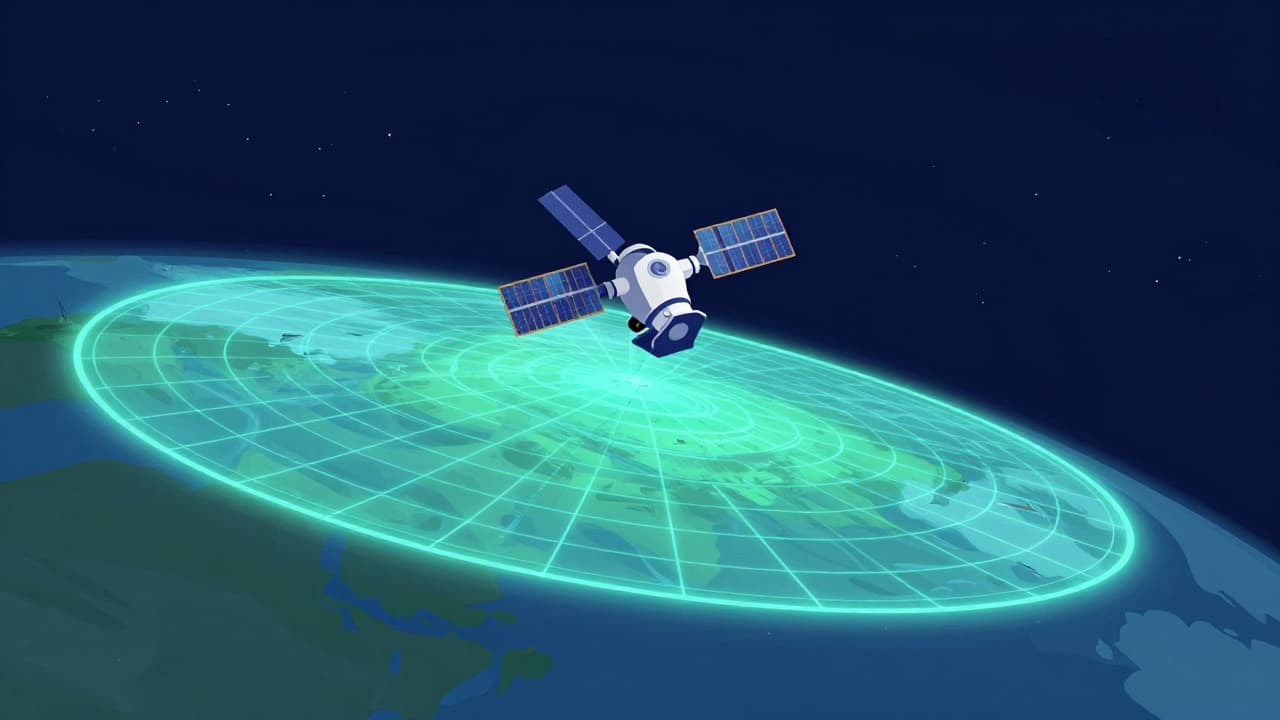
Swift was launched in 2004 with the primary mission of studying gamma-ray bursts, and was originally designed for a mission lasting only two years. The observatory is equipped with three telescopes. It was directed towards short-lived space explosions and sent alerts to other observatories. Its observations have expanded knowledge of galaxies, supermassive black holes, stars with X-ray flashes, supernovae, and comets and asteroids in the Solar System.
In early July, NASA attempted to save the satellite by financing the private Swift Boost mission. The rescue mission plan involved using a robotic spacecraft, LINK, from the company Katalyst Space, which was to dock with Swift and pull it into a higher orbit. The LINK spacecraft experienced a failure in its attitude control system, causing it to rotate uncontrollably. The LINK spacecraft failure caused communication interruptions. Several weeks later, NASA decided to terminate the Swift rescue mission.