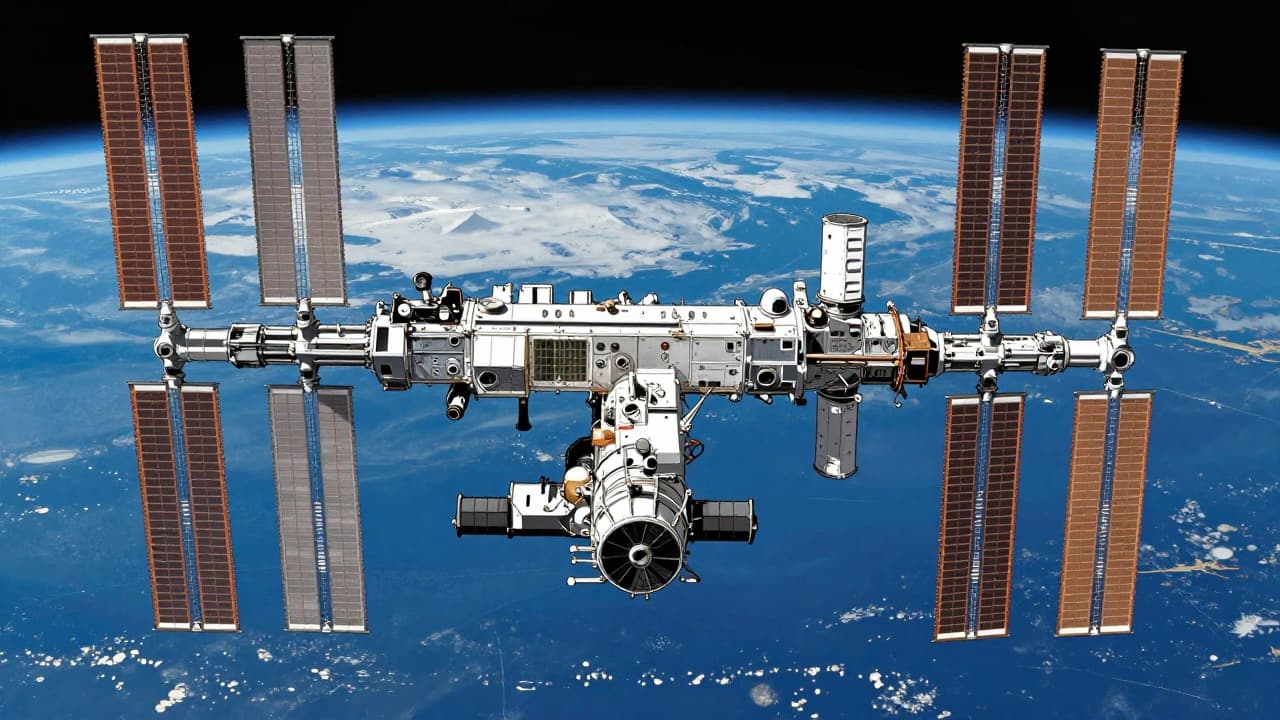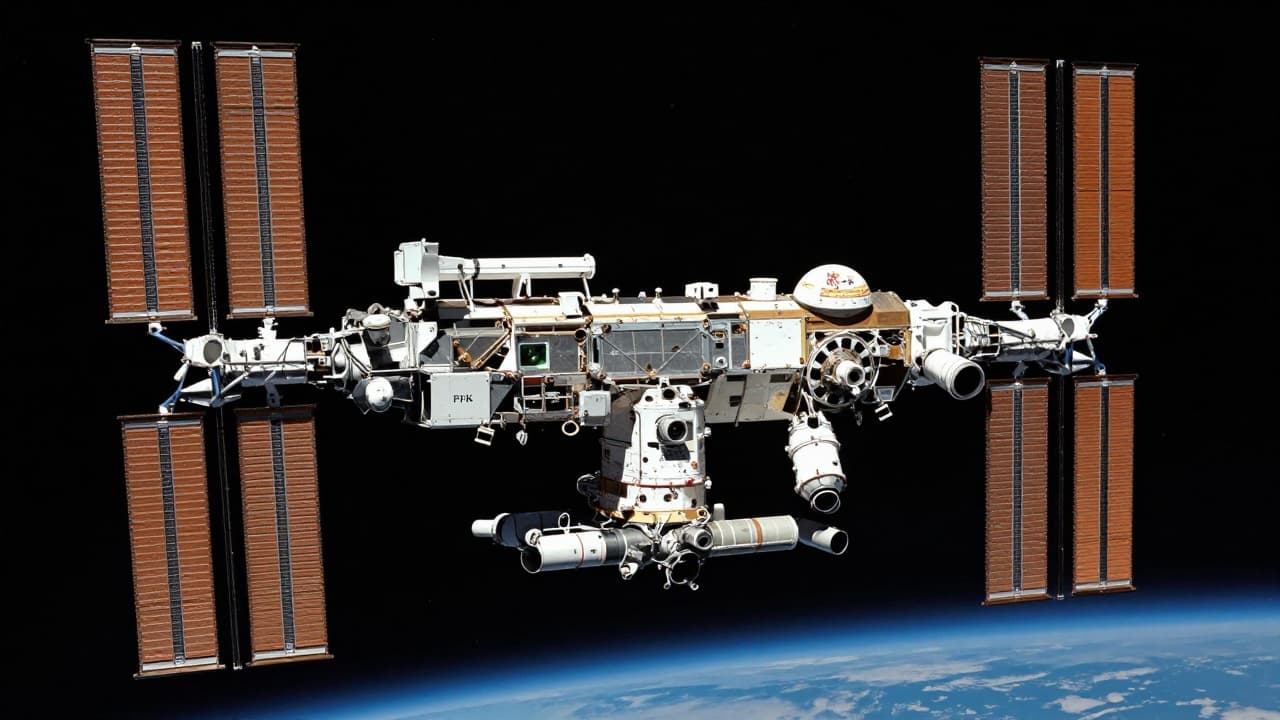
An air leak on the International Space Station (ISS) was first detected in 2019 in the PrK transition tunnel, which connects the docking port to the Russian Zvezda module. NASA and Roscosmos have since made several attempts to repair the leak, but all have been unsuccessful.
According to reports, Roscosmos is now reportedly preparing to permanently close the opening between the Zvezda module and the PrK tunnel to isolate the leak site from the rest of the space station. NASA is reportedly pressuring the Russian agency to take this step. The two space agencies disagreed on the root cause of the leak, as well as its severity.
Tensions peaked earlier this year when five astronauts had to take shelter in safe parts of the station while Roscosmos prepared a risky plan to repair the leak site. After new suspected leak points were identified in the PrK tunnel, Roscosmos ordered two of its cosmonauts to use a saw to gain better access to the area that may have caused the leak. NASA opposed the use of the saw, believing that the new strategy could lead to increased risk to the structure in that area.
The rate of air leakage from the service module doubled in February 2024 from about half a kilogram per day to nearly one kilogram. In April 2024, the leakage rate peaked at about 1.68 kg per day. In June 2025, the situation improved slightly.
Less than a year later, Russian cosmonauts noticed a slow drop in pressure in the PrK tunnel during the unloading of cargo from the Progress 95 spacecraft. Russia abandoned the plan to cut the support structure inside the tunnel, and Roscosmos agreed to take the PrK tunnel out of service. Russian cosmonauts will no longer have access to the PrK tunnel, and Roscosmos will have to use other docking ports for resupply.
Next month, Russia will launch the Progress MS-36 cargo spacecraft to deliver supplies to the International Space Station. Cargo from the Progress MS-36 spacecraft will be unloaded through the Poisk module rather than the Zvezda module.