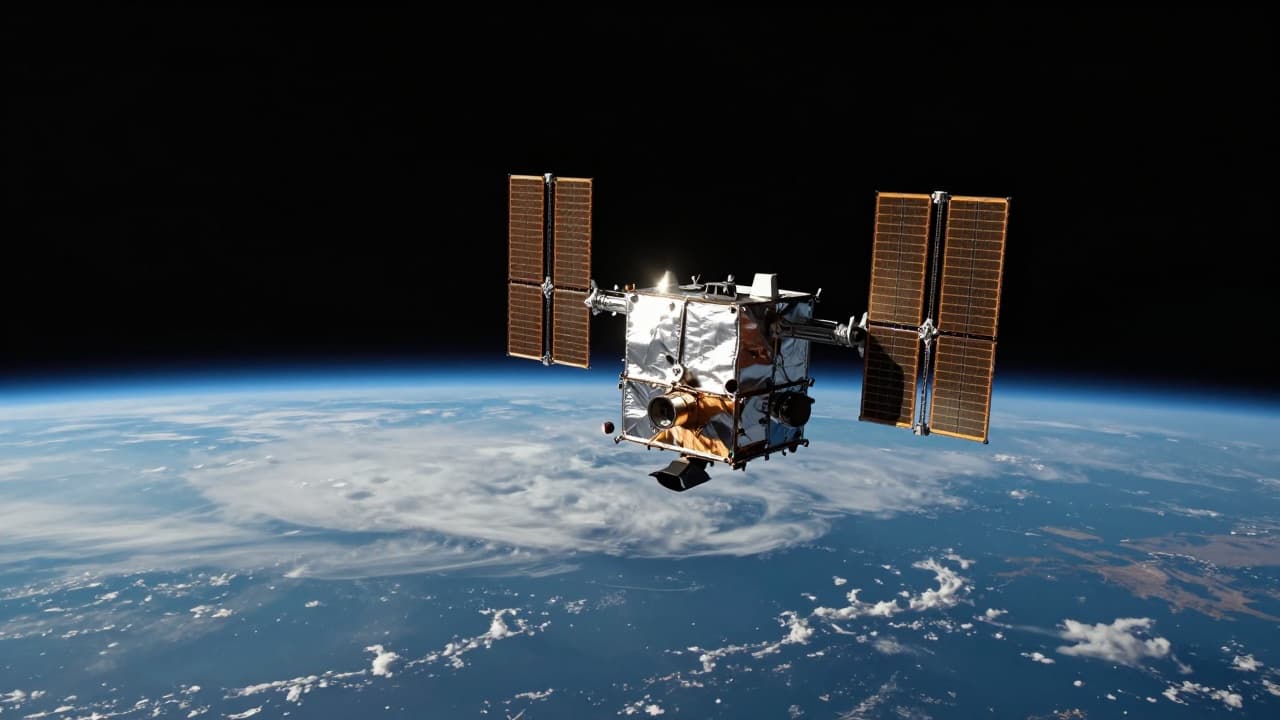
Numerous governments and companies in Europe no longer wish to rely on Starlink, the technology of Elon Musk’s SpaceX. European Commission President Ursula von der Leyen has supported an agreement between Airbus, Leonardo and Thales to merge their satellite and space businesses into a single company codenamed Bromo. The new company is intended to compete with SpaceX, although the merger still requires regulatory approval.
The joint investment aims to replicate part of SpaceX’s success formula by bringing satellite manufacturing, ground systems and space services under one roof. The European Commission began reserving critical parts of satellite frequencies for European players earlier this year. The spectrum segments Europe seeks are highly suitable for providing mobile connectivity directly to phones without a base station or additional antenna. European governments are seeking to make it easier for European telecom giants to secure the desired airwaves.
SpaceX has warned that the proposal creates a significant probability that Europeans will be left without direct-to-device satellite service, or that new European operations will cause global interference problems, including for emergency services such as those in Ukraine. In recent weeks, Ukrainian forces faced Starlink speed limits that hampered efforts to intercept Russian attack drones and carry out medium-range strikes. Starlink services have been restored, and Musk posted on X that Ukraine is violating Starlink’s terms of service by using it for offensive drone attacks.
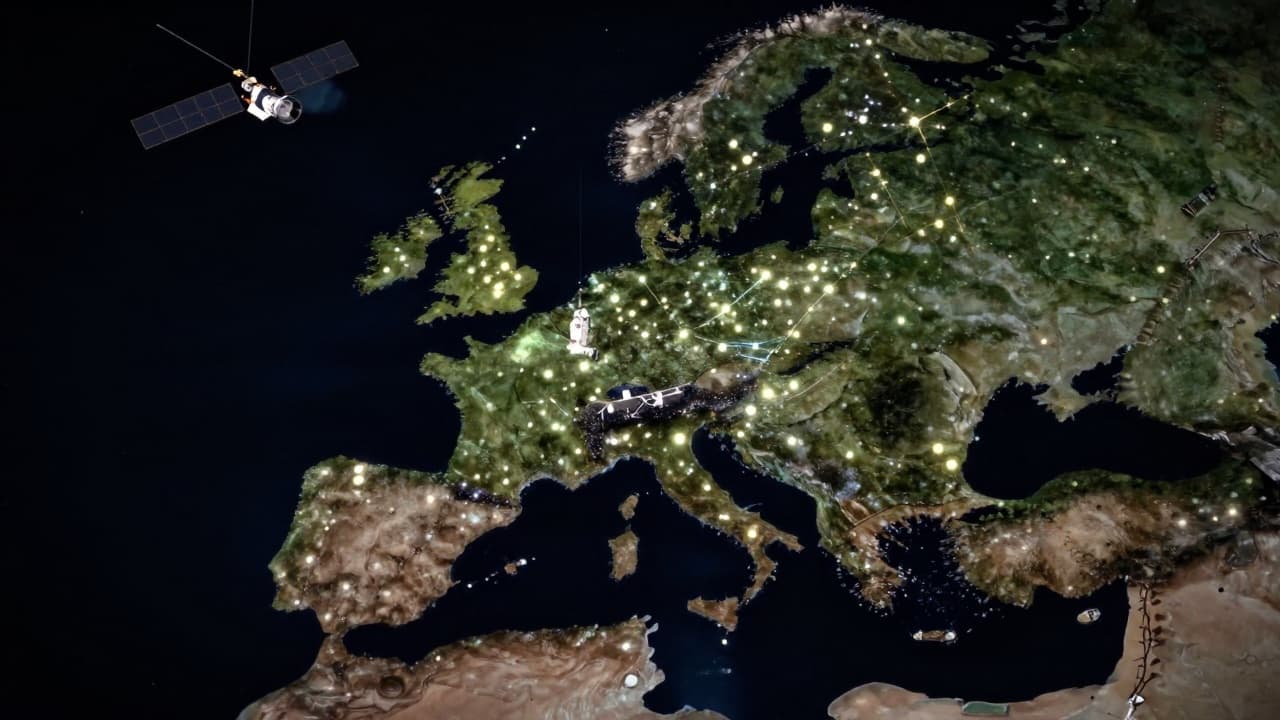
The Union is working on developing its own satellite constellation called IRIS². IRIS² is intended to provide governments with secure communications and citizens with reliable broadband internet access. IRIS² services were originally scheduled to begin in 2024, with full capacity to be reached by 2027. The first of the constellation’s 348 satellites is now expected to be launched in 2029, with initial services planned for no earlier than 2030. Starlink currently has more than 11,000 satellites in orbit.
Pressure has increased on the Union’s executive to allow Kyiv to use the existing Govsatcom project, which is managed by several member states. The Govsatcom system went into operation in early 2026 and is designed to support critical government communication services until the IRIS² constellation becomes operational. Negotiations between Brussels and Kyiv officially began in March 2026, but have yet to yield progress.
Legislators in Brussels are currently working on at least three legislative proposals and regulatory initiatives that could make it harder, slower or more complicated to expand Starlink in Europe. It is envisaged that SpaceX must comply with new supply chain security rules when applying for approval of Starlink services in the Union. Stricter obligations are required regarding data retention, lawful interception of communications and the appointment of legal representatives. The Union’s first space law, currently under discussion, provides for the introduction of new rules for Starlink and other satellite operators, relating to cybersecurity, space debris and environmental protection.
The US State Department has characterised these rules as “unacceptable regulatory burdens”, aimed “specifically at American companies”. The State Department has announced retaliation in the form of restrictions on European services.