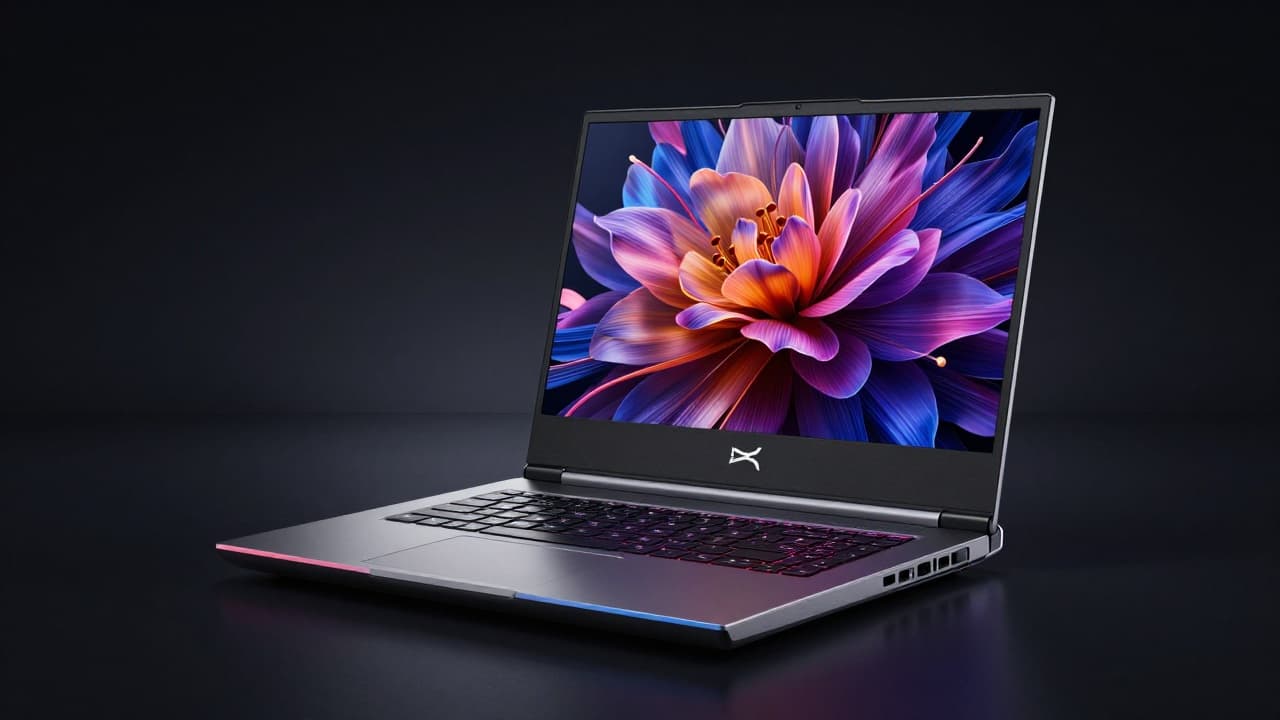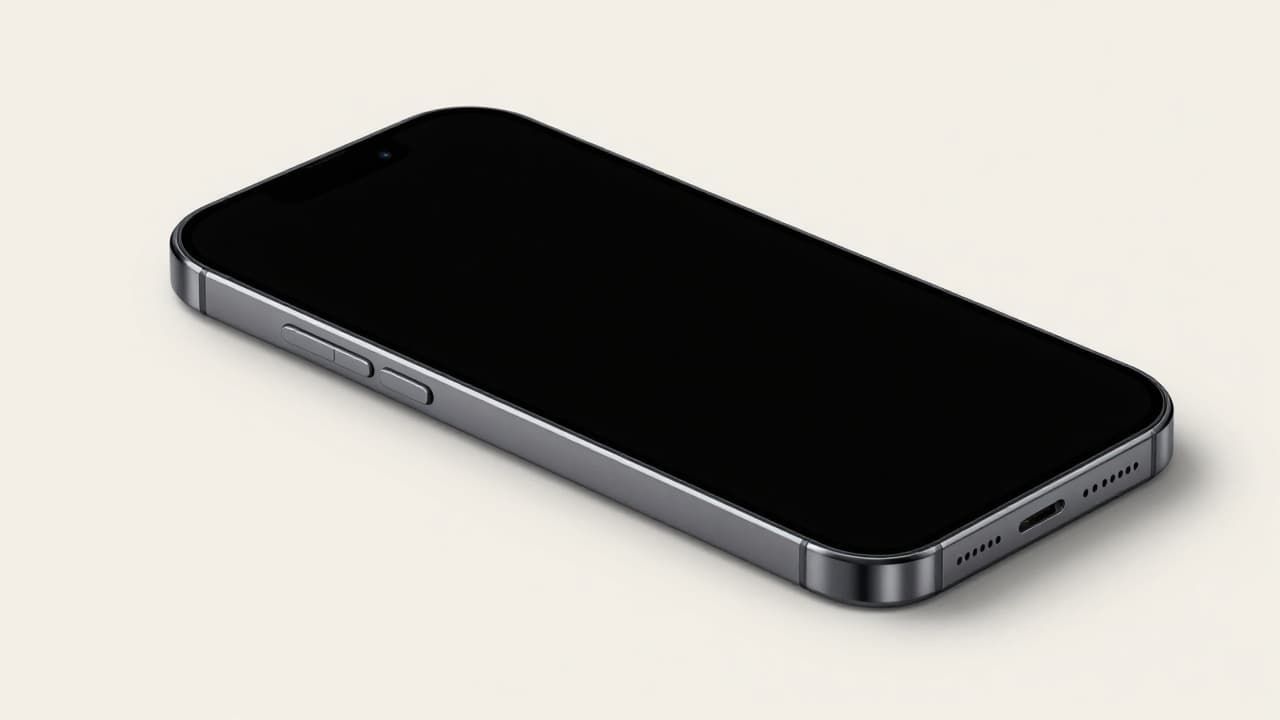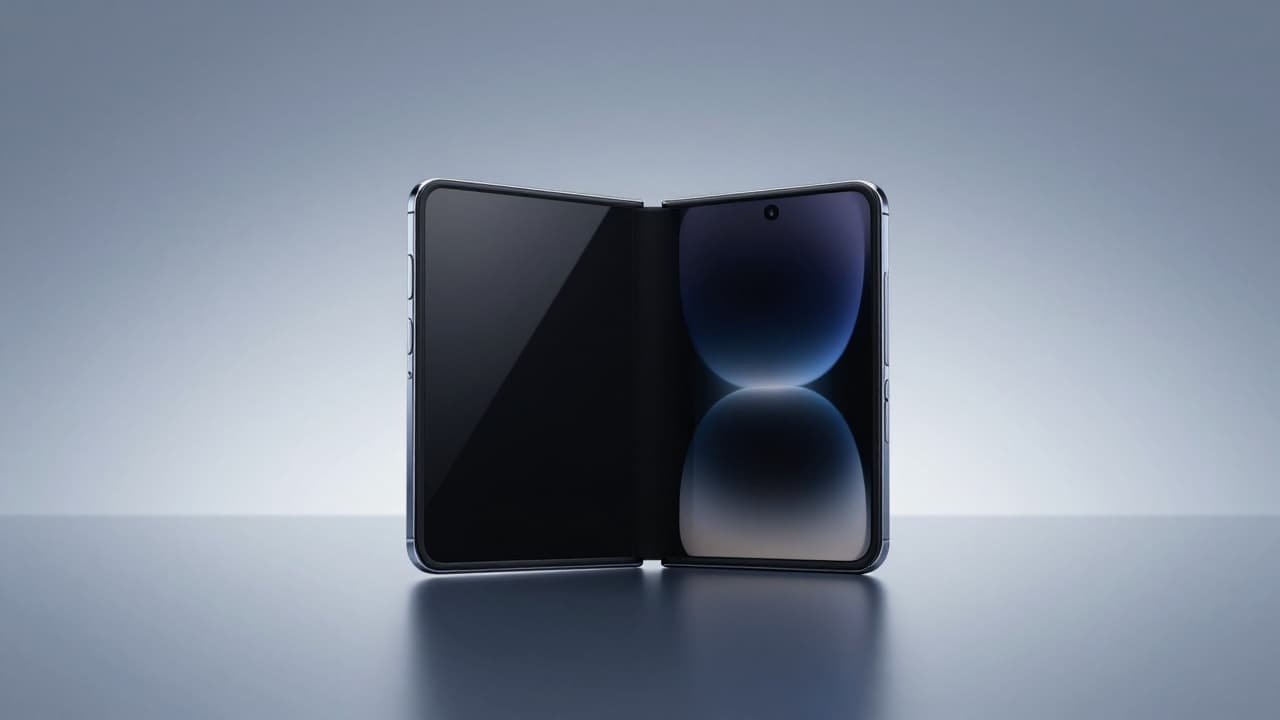
Apple officially unveiled a completely new MacBook Pro on Wednesday, marking the first MacBook to feature a touch-sensitive display. The company has thereby changed its philosophy after years of opposition to the idea.
The screen, named PROLED XDR, uses a tandem OLED panel with two layers of self-emitting pixels instead of the previous Mini-LED technology. It achieves a peak brightness of 2,000 nits for SDR and HDR content, with a contrast ratio of 10,000,000:1. It supports an adaptive refresh rate up to 120 Hz, and the expanded colour range covers P3 and Adobe RGB.
The touch-sensitive display allows the MacBook to be controlled using gestures, including swiping content with a finger, zooming in on photos and moving windows. The touch sensor is built directly into the screen panel, rather than being installed as an additional layer on top of it. Thanks to this, graphic designers can draw directly on the screen, and developers can test touch controls for their iOS and iPadOS applications. Apple has adapted its own applications and enabled developers to implement such capabilities in their software solutions.
Dynamic Island replaces the previous notch at the top of the screen. It allows for the live display of some application activities, music control, call acceptance and interaction with other notifications.
The smaller model now weighs 1.38 kilograms, or about 230 grams less than its predecessor. The weight of the 16-inch version has been reduced to 1.82 kilograms, representing a saving of approximately 320 grams. The screen diagonals are 14.2 and 16.3 inches.
Performance is handled by the M5 Pro and M5 Max chips, which are already used in MacBook Pro models introduced in March. Apple did not include the new M6 SoC in the more expensive touch-screen models. The new laptops can be configured with up to 128 GB of RAM and up to 16 TB of SSD storage space.
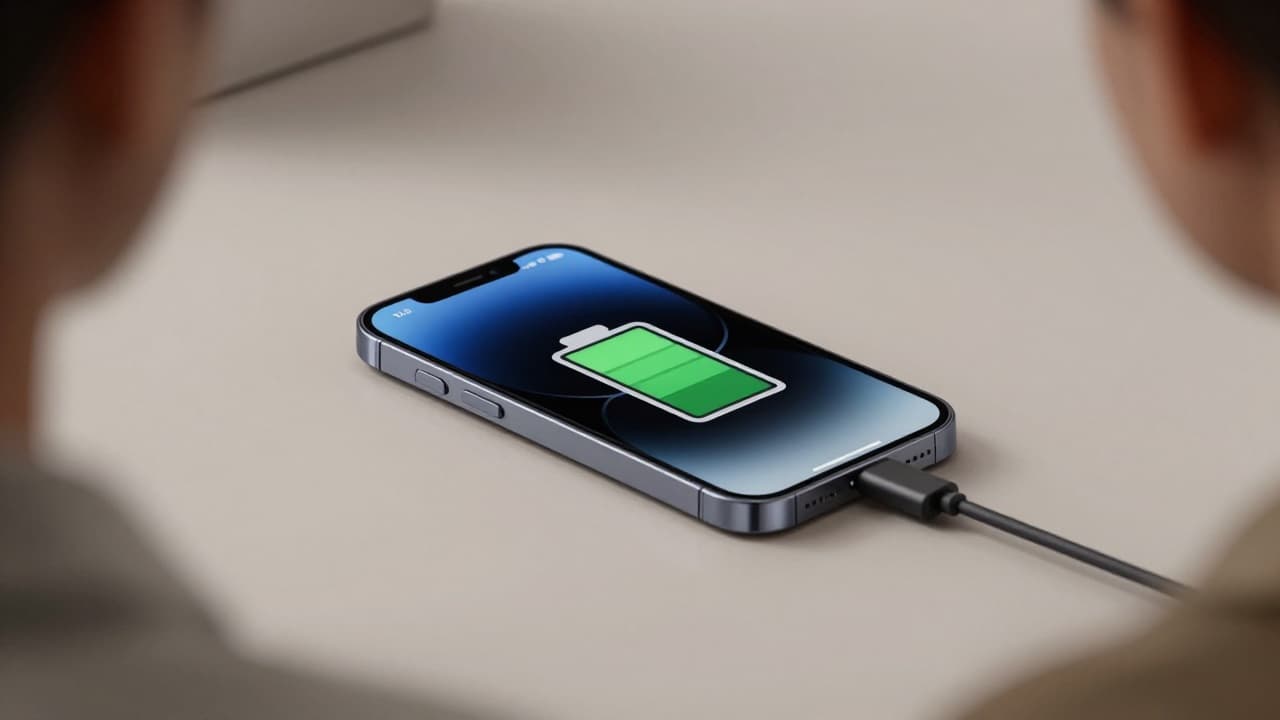
Apple promises up to 24 hours of battery life, depending on the model, with support for fast charging to 50 per cent capacity in approximately 30 minutes. Available ports include three Thunderbolt 5 ports, HDMI, an SDXC card reader, MagSafe 3 and a 3.5-millimetre headphone jack. Configurations with the M5 Pro SoC support up to three external displays, while the M5 Max enables the connection of up to four external displays. There is also Wi-Fi 7, Bluetooth 6, a 12-megapixel Center Stage camera and an improved six-speaker system that, according to Apple, provides 50 per cent deeper bass.
Pre-orders for the new MacBook Pro open on 28 October, with sales and first deliveries beginning on 6 November. In Germany, the starting price for the 14-inch MacBook Pro with M5 Pro is 3,299 euros, while the 16-inch with M5 Pro costs 3,899 euros. Models with the M5 Max start from 5,119 euros for the 14-inch version, or 5,599 euros for the 16-inch version.