Apple has announced it will replace iPhone Duo units that have developed screen problems. The issues emerged just days after the smartphone went on sale.
Photos posted on social media show lines appearing on the screens of Apple's first foldable device. Some Duo owners have also shared videos showing cracks along the central crease of the screen, while others reported a cracking sound when opening the device.
Apple stated it is aware of a "problem affecting the inner screen of a small number" of these phones and has asked affected users to contact the company for a replacement. The firm has not published how many devices are affected, leaving the scale of the issue unclear. Some photos of faulty devices may have been created with the help of artificial intelligence.
One Duo user, Justin Lokos, posted a picture of a device with lines across the right side of the screen. He later uploaded a photo of a new unit next to the faulty one and thanked an Apple store in New York for its assistance.
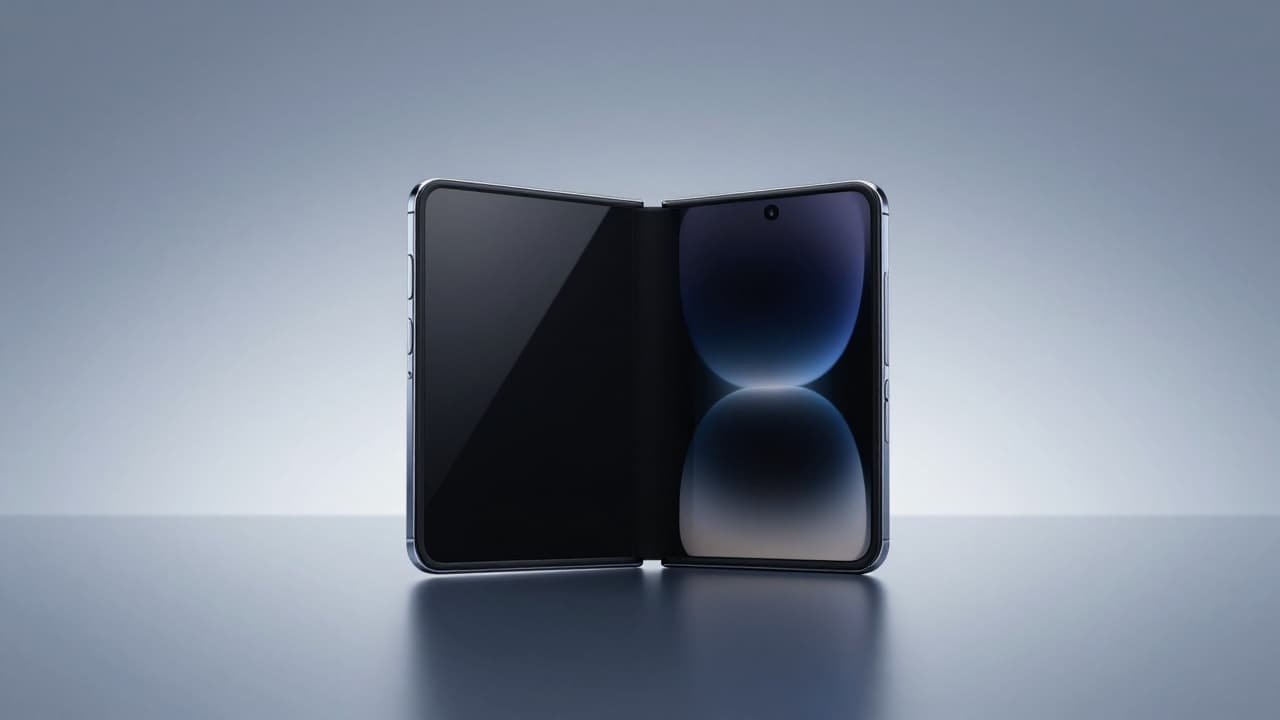
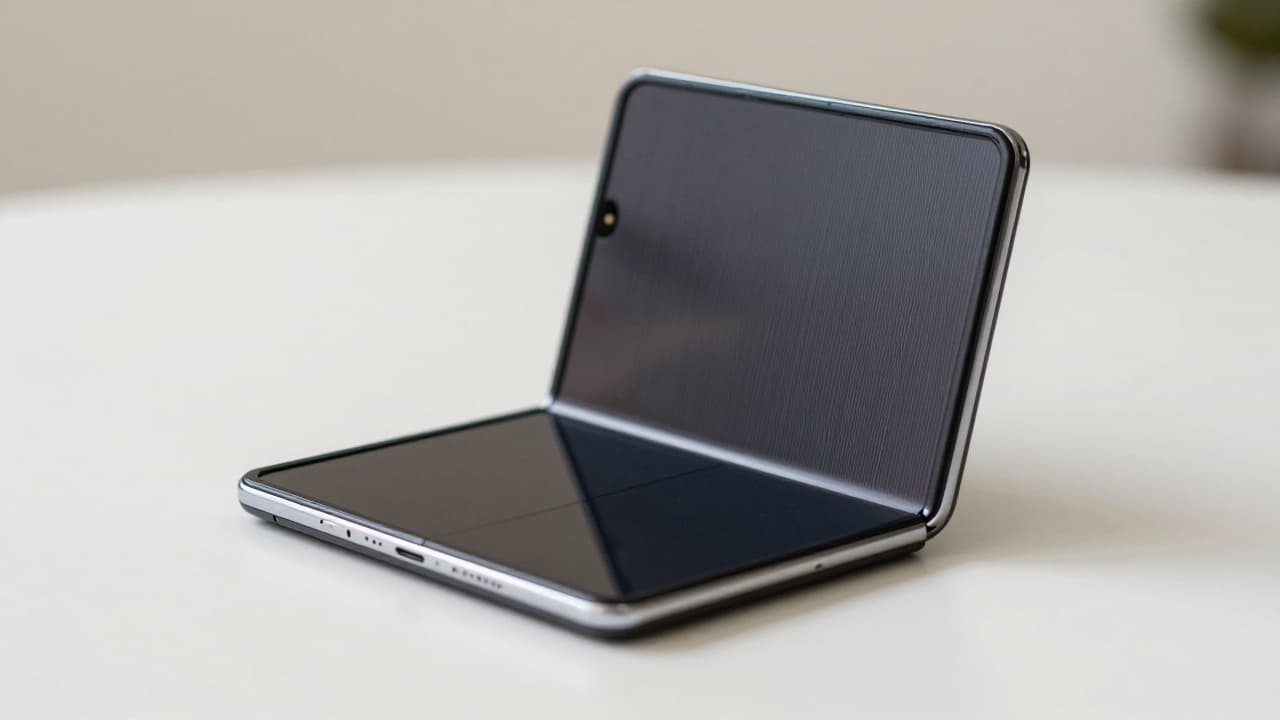
The Duo's inner screen has a diagonal of 7.6 inches (19.3 centimetres) and is held by a central folding hinge. Folded, the Duo looks like a wider version of the iPhone, while open it resembles a small tablet. It is Apple's most expensive iPhone to date, with a starting price of £1,999 ($2,668) in the United Kingdom, while the most fully equipped models cost up to £3,199. The Duo is also the first major redesign of the iPhone in nearly two decades.
The device was unveiled by new chief executive John Ternus, who took over from Tim Cook in September. Last month, at Apple's headquarters in California, Ternus told the audience that "others have created foldable devices that act like two phones clumsily joined" and that the Duo would "redefine the foldable phone experience". The Duo's launch last week drew queues to Apple stores around the world.
A similar early problem has already been recorded in the industry: Samsung's first foldable phone, the Galaxy Fold, suffered an early setback in 2019 when reviewers reported broken screens on the devices.