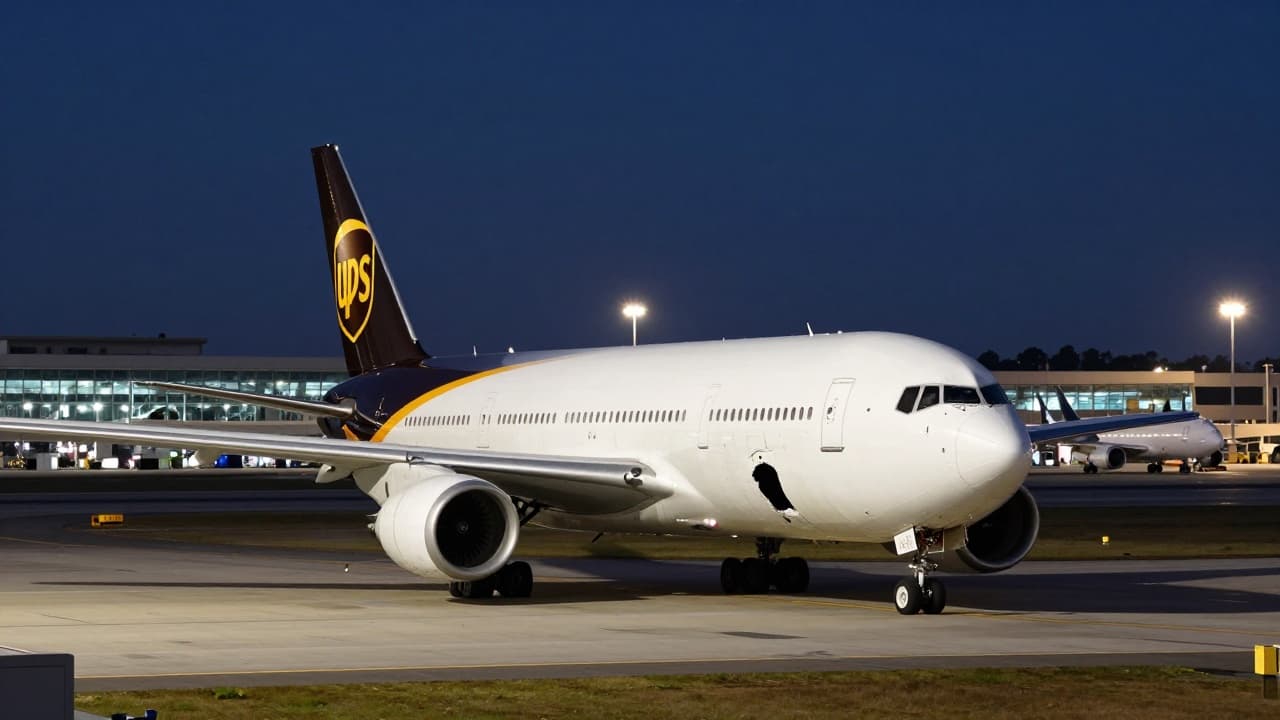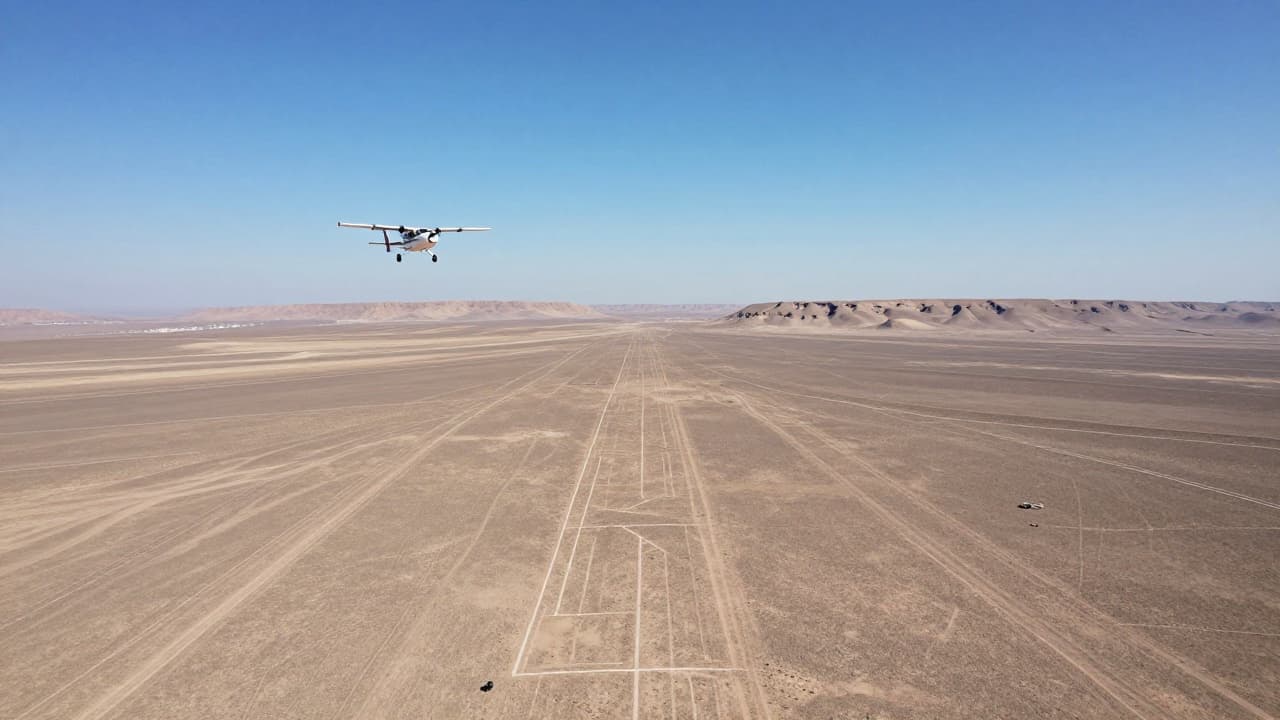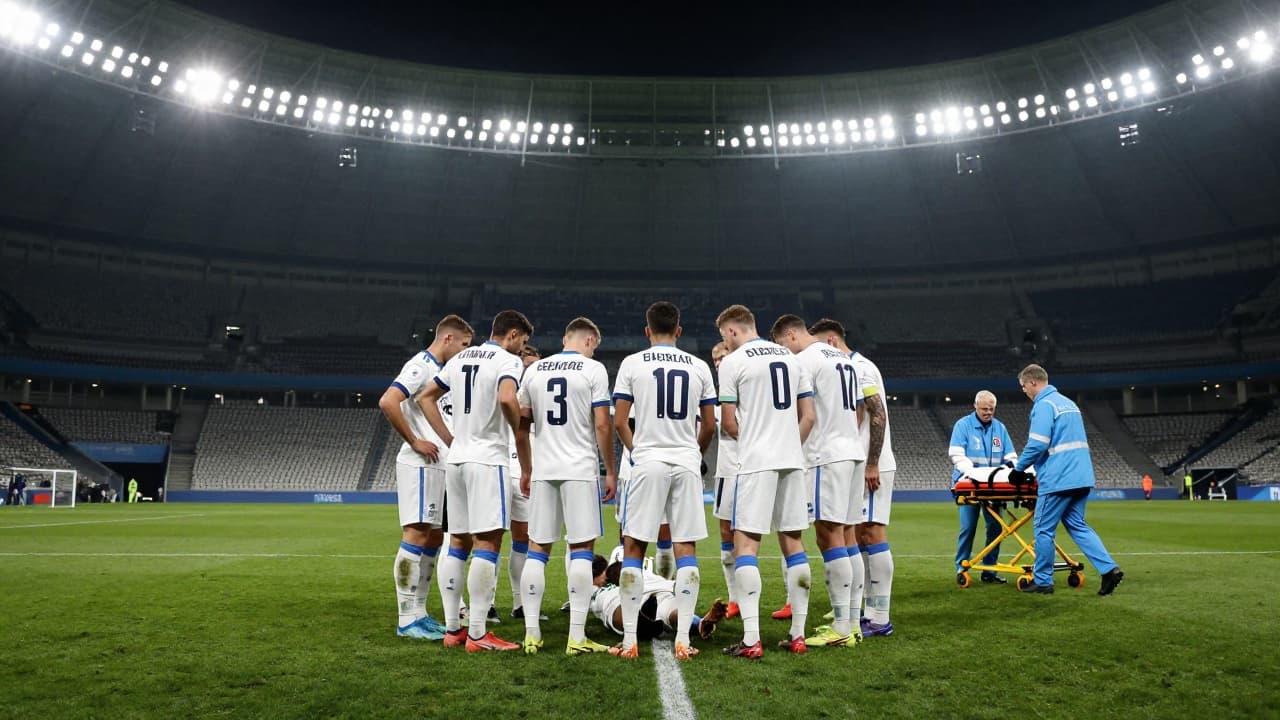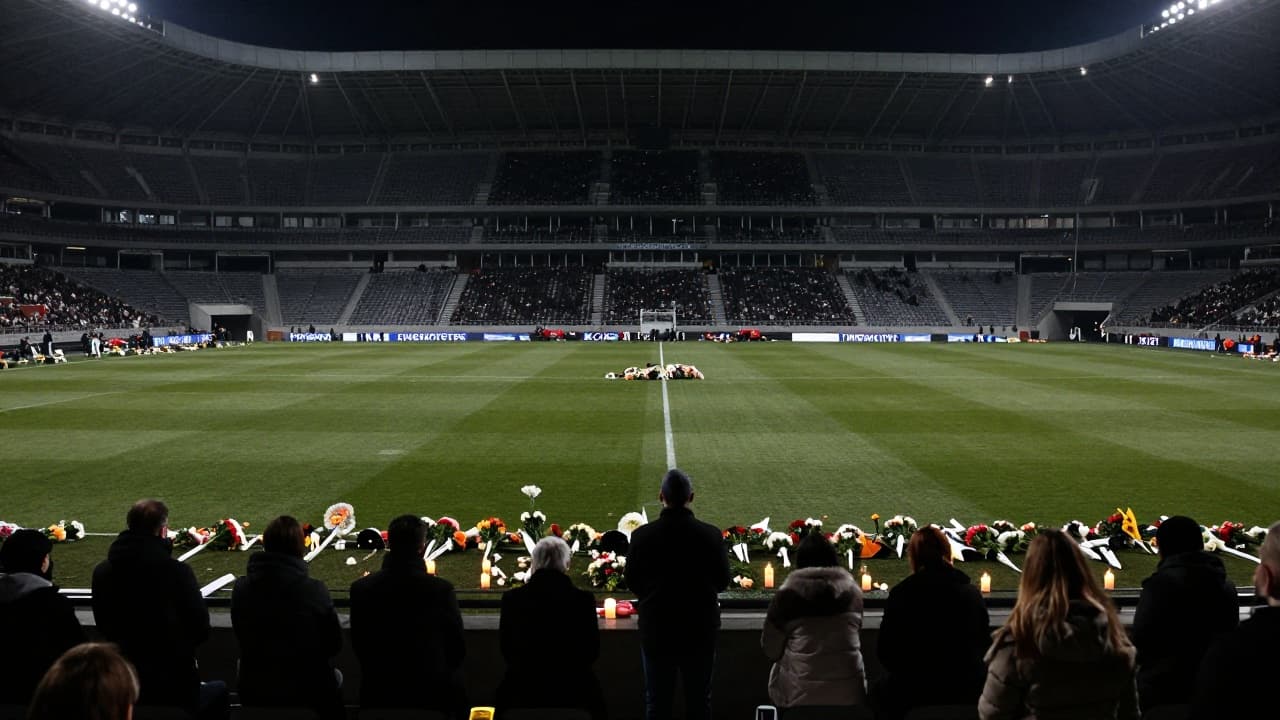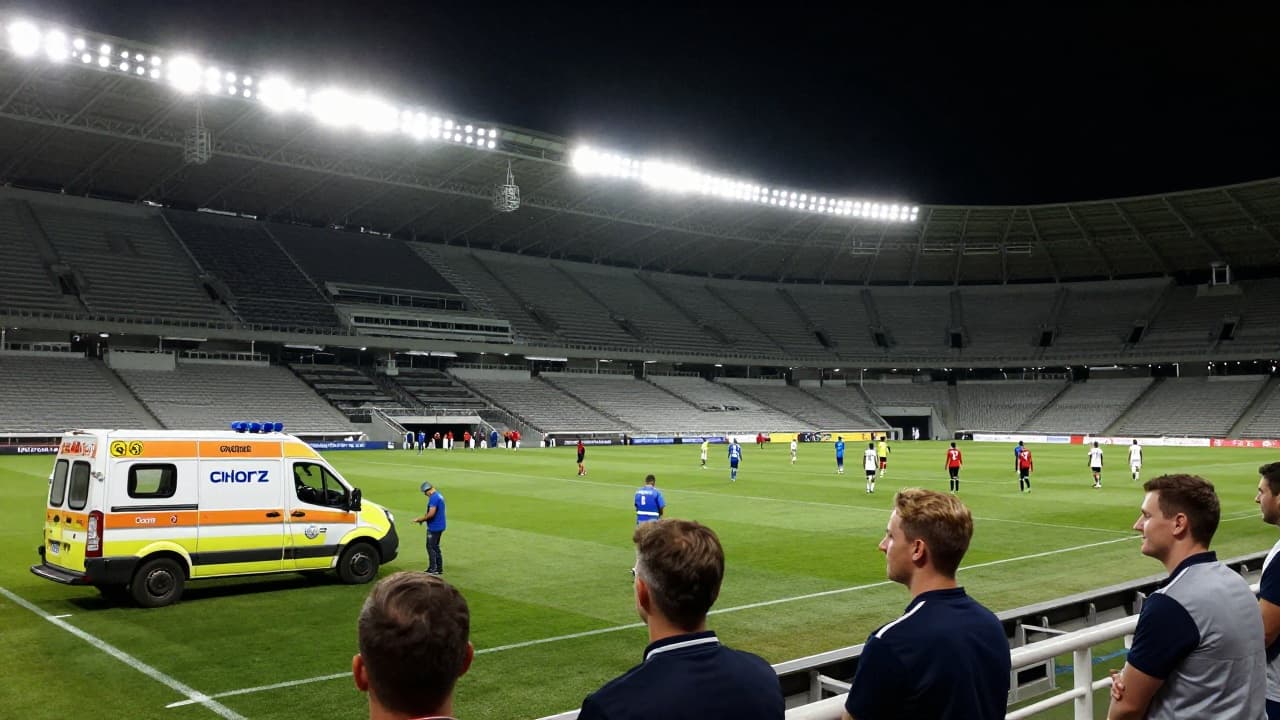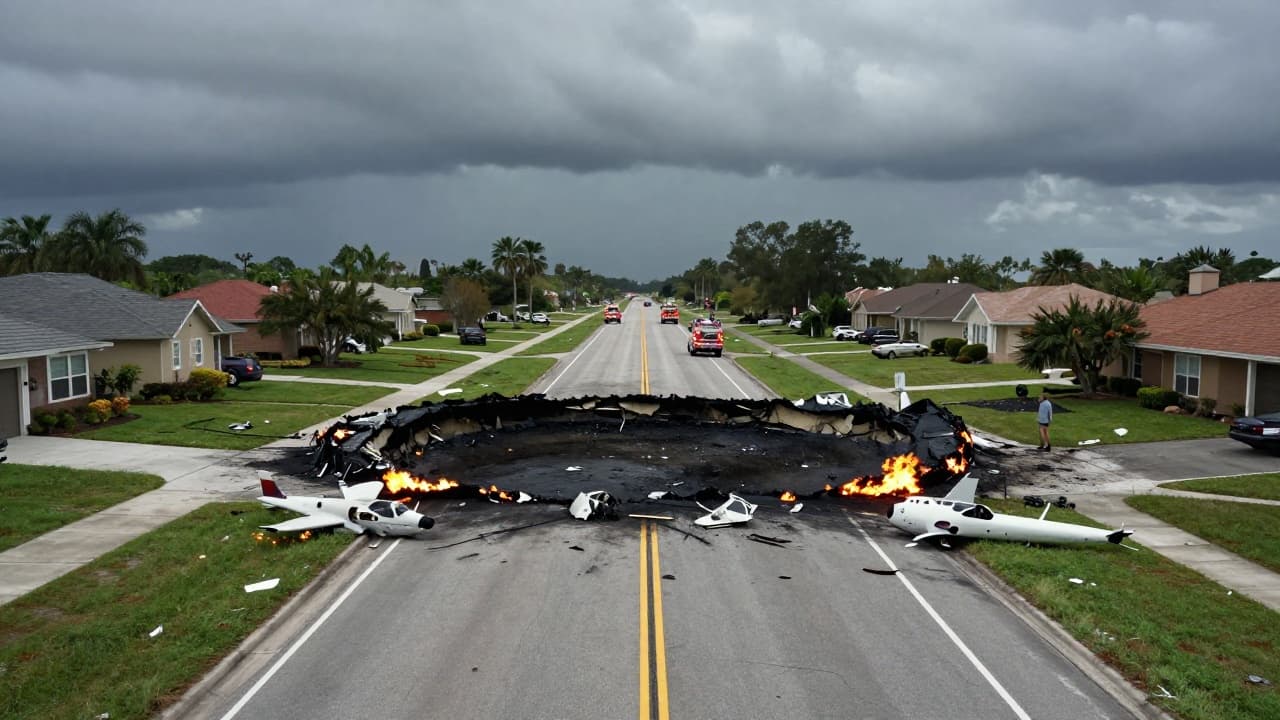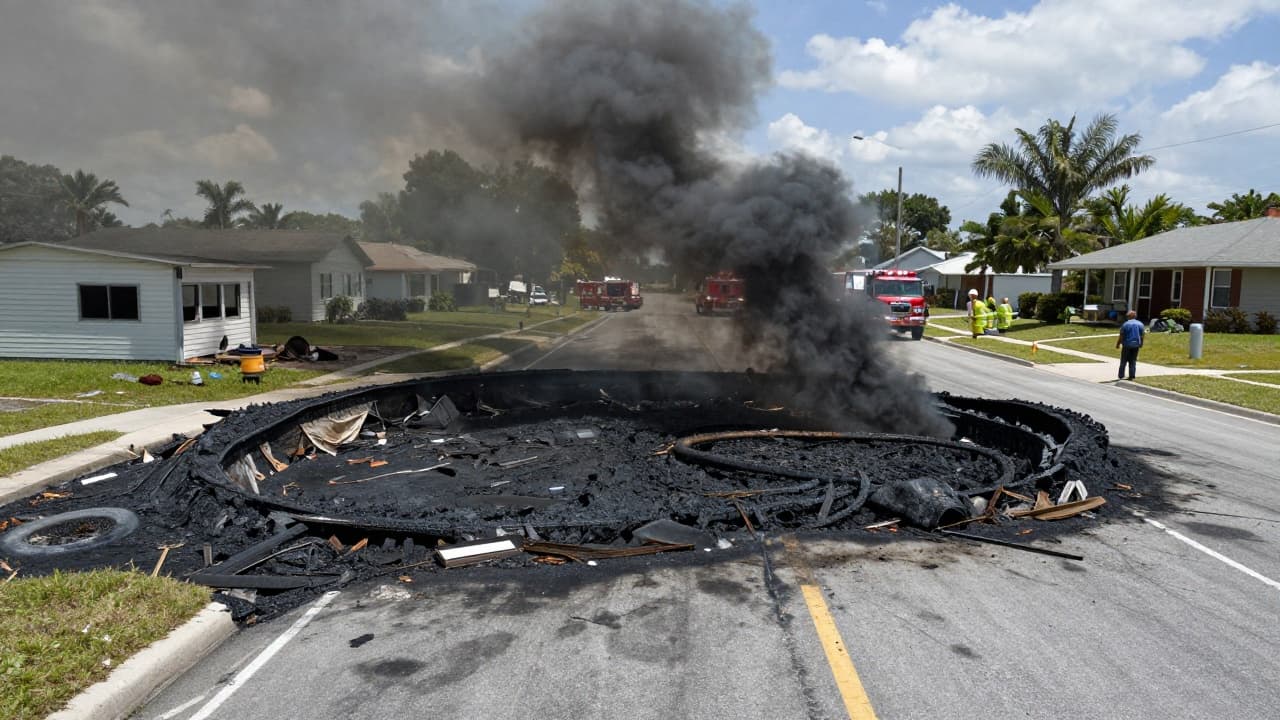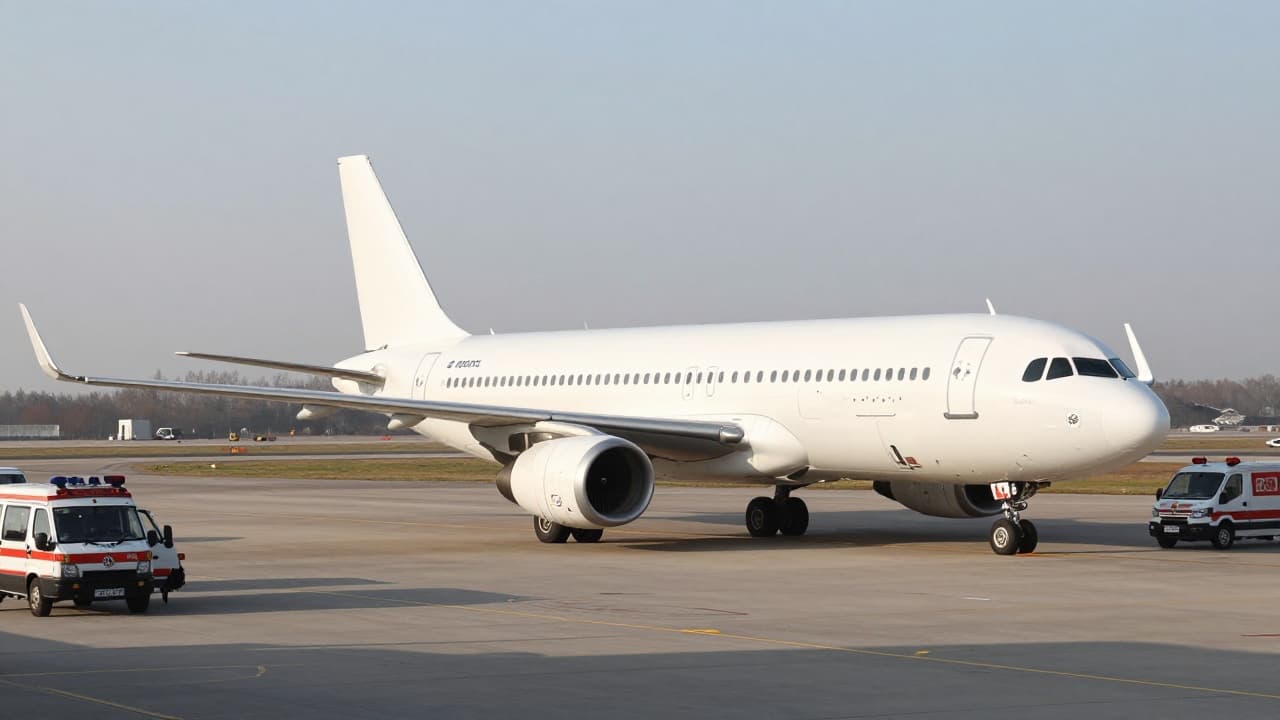
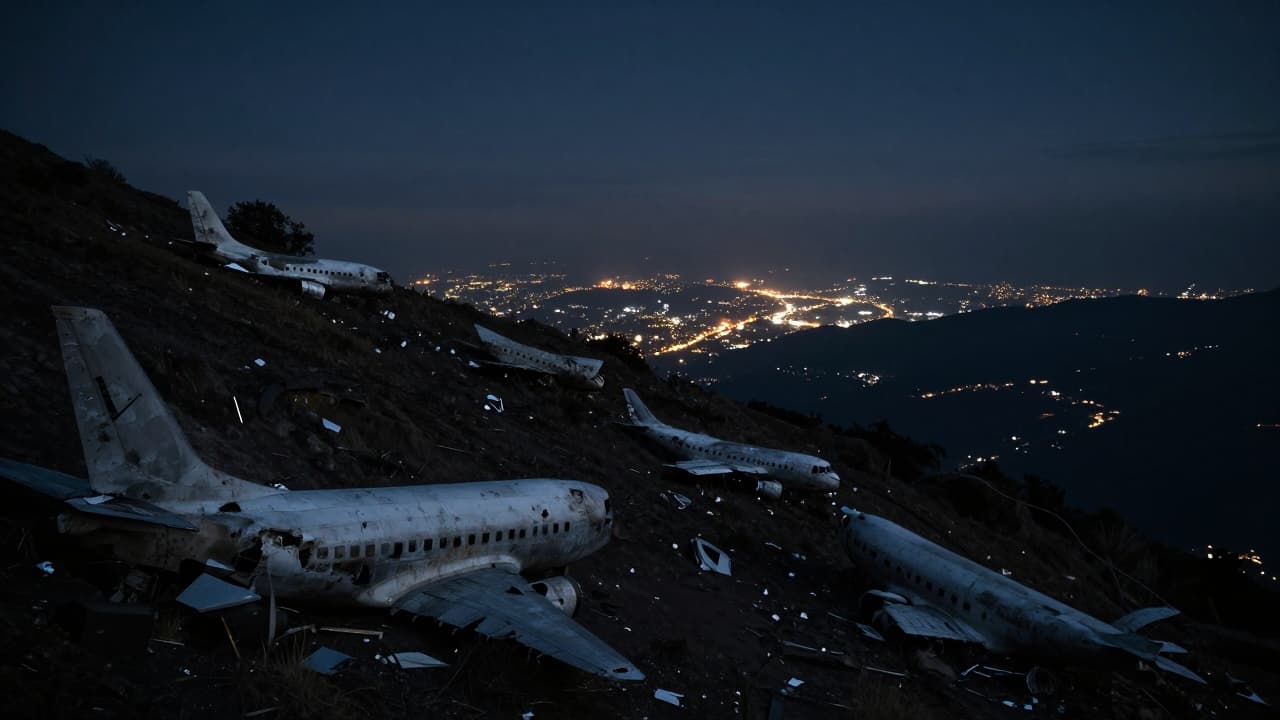
A plane carrying the Chapecoense football team crashed into a mountain on 28 November 2016, killing 71 people, including 19 of the 22 players from the Brazilian club. LaMia Flight 2933 had departed from Santa Cruz in Bolivia bound for Medellín in Colombia, striking a mountain just 18 kilometres from its destination.
Chapecoense had travelled to Colombia for the first leg of the Copa Sudamericana final against Medellín’s Atlético Nacional. The competition is the second most prestigious club tournament in South America, and it was the first continental final for the Brazilians. Commentator Rafael Henzel, one of the six survivors of the crash, described the Copa Sudamericana as a "World Cup" for the team. In 2017, Henzel said that "if anyone ever died happy, it was the people on that plane". He died in 2019 following a heart attack.
The investigation determined that the aircraft ran out of fuel. The Bolivian investigation concluded that the pilot and the airline were directly responsible for the crash, while the Colombian investigation stated there was no technical failure and attributed liability to the pilot, the company and Bolivian regulators. The flight distance was similar to the aircraft’s range, but it did not stop to refuel. Pilot Miguel Quiroga, who was also a co-owner of the company, died in the crash. On a leaked recording, he can be heard warning of a "total electrical failure" and "lack of fuel", but he did not issue a formal distress call.
According to flight data, at 21:16 local time the aircraft displayed a low fuel warning, but continued flying, and the crew did not notify local authorities. Fourteen minutes later, the aircraft began its descent towards Medellín airport but was put into a holding pattern. At 21:49, the crew requested priority landing clearance, vaguely citing "fuel problems". Within five minutes, all engines, having run out of fuel, failed.
Among the three surviving players was goalkeeper Jakson Follmann, then 24 years old, who was looking forward to his upcoming wedding. He spent two months in hospital, and his right leg had to be partially amputated to save his life. Defender Neto was the last of the survivors to be found.
At the club, the news of the crash was followed from the dressing room. Ivan Tozzo, then vice-president of the club, watched television news in the dressing room at the club’s stadium as the scale of the catastrophe unfolded on screens in the middle of the night. At 5am, the players’ wives began to arrive. Two days earlier, Tozzo had felt such discomfort about the trip that he changed his mind about going to Medellín and called the finance director, Decio, who organised all the travel, to tell him he would not go. After the funerals, he sat alone in the club’s boardroom as the only remaining director, and then assumed the role of interim president. This was followed by a sleepless week in which he organised flights to Colombia for doctors, relatives and priests to identify and collect the remains and be with the survivors.
To this day, no one has been found guilty of the crash. At the time of the accident, Bolivia did not have a system for prosecuting companies, and when such a mechanism was introduced in 2021, it did not cover negligent homicide or causing an aviation accident. Indictments were brought against individuals from LaMia’s management, who denied guilt. In 2020, the trial was postponed due to jurisdictional disputes and difficulties with defendants located abroad.