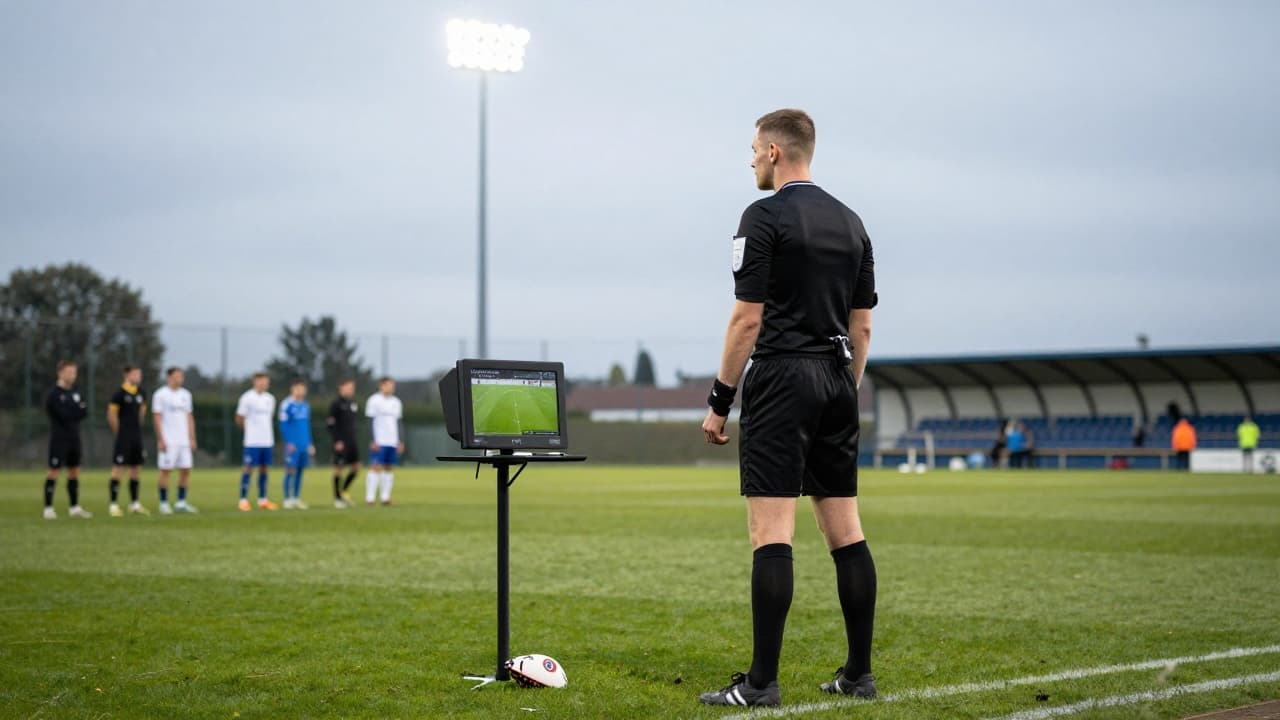
The refereeing committee of the Croatian Football Federation (Hrvatski nogometni savez), led by Bertrand Layec, published an analysis of six controversial situations from the 13th round of the SuperSport HNL. The most attention was drawn to the 16th minute of the Osijek vs Hajduk match, in which referee Ante Čulina, following a VAR intervention, overturned a red card shown to an Osijek player and instead showed him a yellow card. The committee considers that the initial decision to send off the player was correct and that VAR had no reason to intervene.
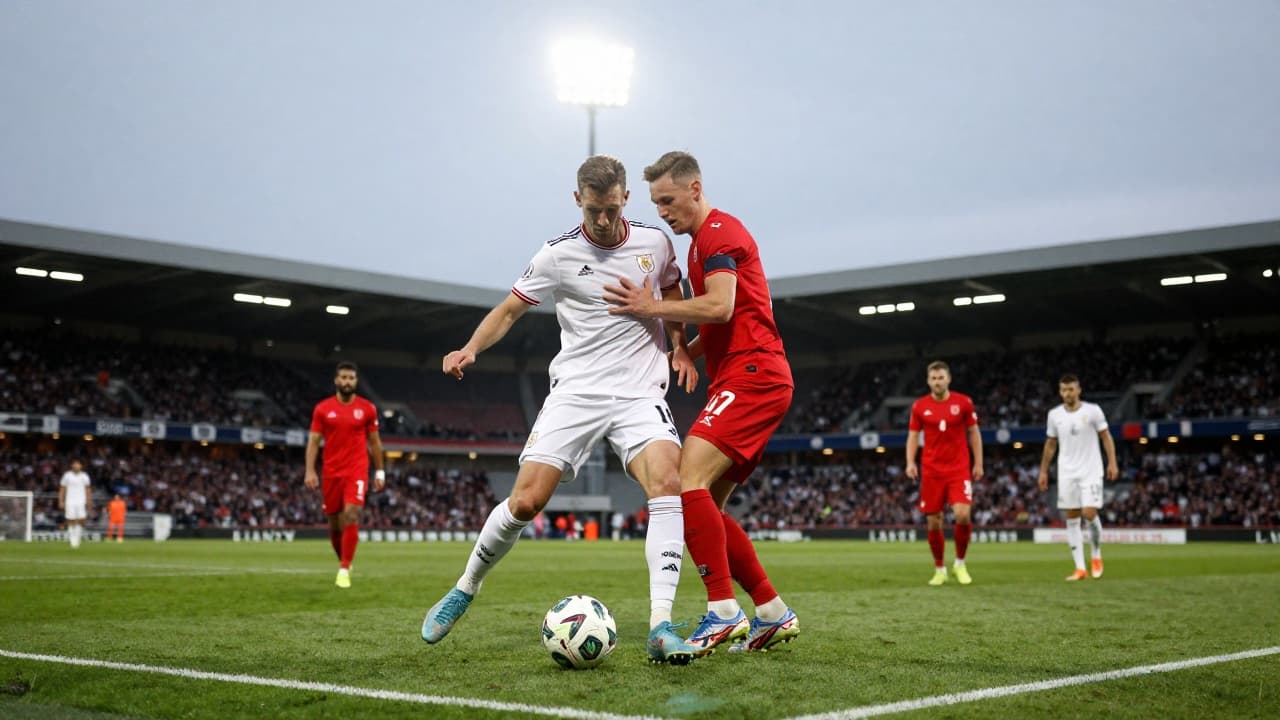
Luka Jelenić made a boot-to-boot challenge on Anđel Šutal near the technical areas, failing to touch the ball. Referee Čulina, who was positioned behind the spot of the foul, immediately showed a red card for serious foul play. VAR called him to review the footage due to a potential clear and obvious error, after which Čulina changed his decision following a lengthy review, overturning the red card and showing the Osijek player a yellow card. The committee believes there was no justification for changing the decision and supports the on-field red card ruling. According to the committee, given the speed and intensity of the challenge to the foot or ankle of the Hajduk player, the red card decision cannot be considered a clear and obvious error. The Osijek player thus avoided a sending-off after the referee changed a decision the committee deems correct.
The committee confirmed the correctness of the penalty kick and the second yellow card for a Varaždin player in the match against Dinamo. In the 73rd minute, a penalty was awarded to the Zagreb side, and the home player received his second yellow card. Roberto Punčec stepped on the left foot of Dinamo striker Dion Drène Belje with his right foot, thereby preventing him from moving. Referee Mateo Erceg, although close to the incident, did not spot the foul and allowed play to continue, but VAR reviewed the entire attacking move and the disputed contact, recommending the referee to review the footage. Erceg then awarded the penalty and showed the Varaždin player a second yellow card. The committee considers both decisions to be completely correct, that the referee correctly cautioned the defender for a harsh challenge and sent him off for the second caution, and correctly awarded the penalty to Dinamo. The contact, the committee notes, was clear enough and significantly affected the movement of the Dinamo striker.
In the match between Istra 1961 and Rijeka, two Rijeka players were sent off, and the committee confirmed the correctness of both sendings-off. The first situation occurred in the 25th minute, when Jakov Puljić elbowed Mohamed Nasraoui while play was taking place in the middle of the pitch. Referee Ivan Vukančić did not see the incident because he was following the ball, but the assistant referee alerted him to the inappropriate behaviour. The main referee initially showed a yellow card, after which VAR called him to review the footage due to potential violent conduct. After the review, the referee sent off the Rijeka player, and the committee confirmed that such a decision was correct, supporting both the VAR intervention and the red card decision.
The second incident occurred in the 79th minute. After an Istra corner, Rijeka players moved towards the centre of the pitch, and the visiting defender Ante Majstorović elbowed an opponent inside his own penalty area. The referee did not see the strike and allowed play to continue, but VAR alerted him to potential violent conduct. After reviewing the footage, Vukančić showed a red card and awarded a penalty to Istra. The committee confirmed both decisions, explaining that violent conduct towards an opponent is punished with a direct free kick or a penalty if the foul is committed inside the penalty area. It also emphasised that all physical incidents occurring far from the ball must be reviewed in detail to protect players and sanction violent behaviour.
The committee also supported the decision of referee Ante Terzić in the 77th minute of the Lokomotiva vs Rudeš match. Rudeš striker Saad El Haddad broke through the left side of the penalty area, where he was tripped by Lokomotiva defender Feta Fetai. The referee was only a few metres from the incident and immediately awarded a penalty. The committee assessed that the contact was clear and significantly affected the striker's movement, fully supporting the referee's decision.
The last analysed situation occurred in the 60th minute of the Gorica vs Slaven Belupo match. After a cross from the left, Slaven Belupo striker Lovro Banovec fell in the penalty area while battling for position with an opposing player. Referee Patrik Pavlešić, who was following the ball's trajectory, did not notice the striker being pulled and allowed play to continue, while VAR called him to review the footage due to a potential penalty. According to the criteria cited by the committee, pulling a shirt or holding an opponent constitutes a foul that requires VAR intervention if it is intentional, lasts longer, affects the ability to play the ball, and occurs at the moment the ball is coming towards players. The committee supported the final decisions of the referees in that match.