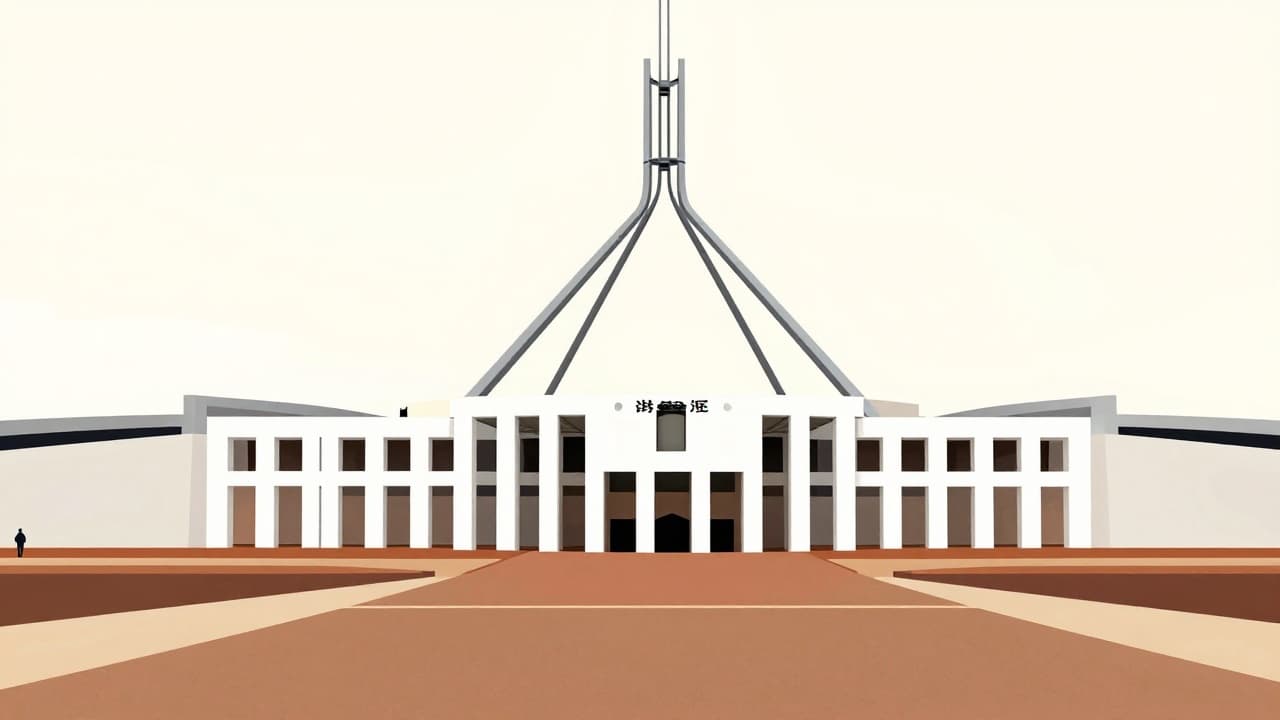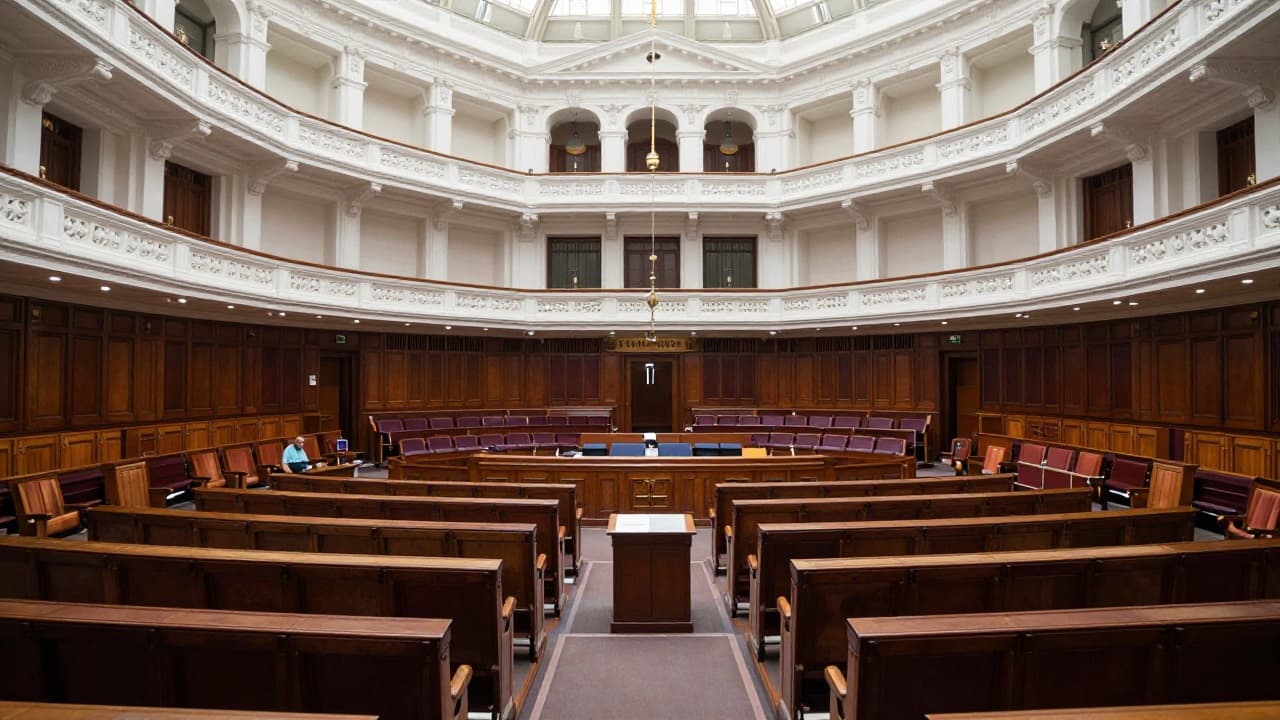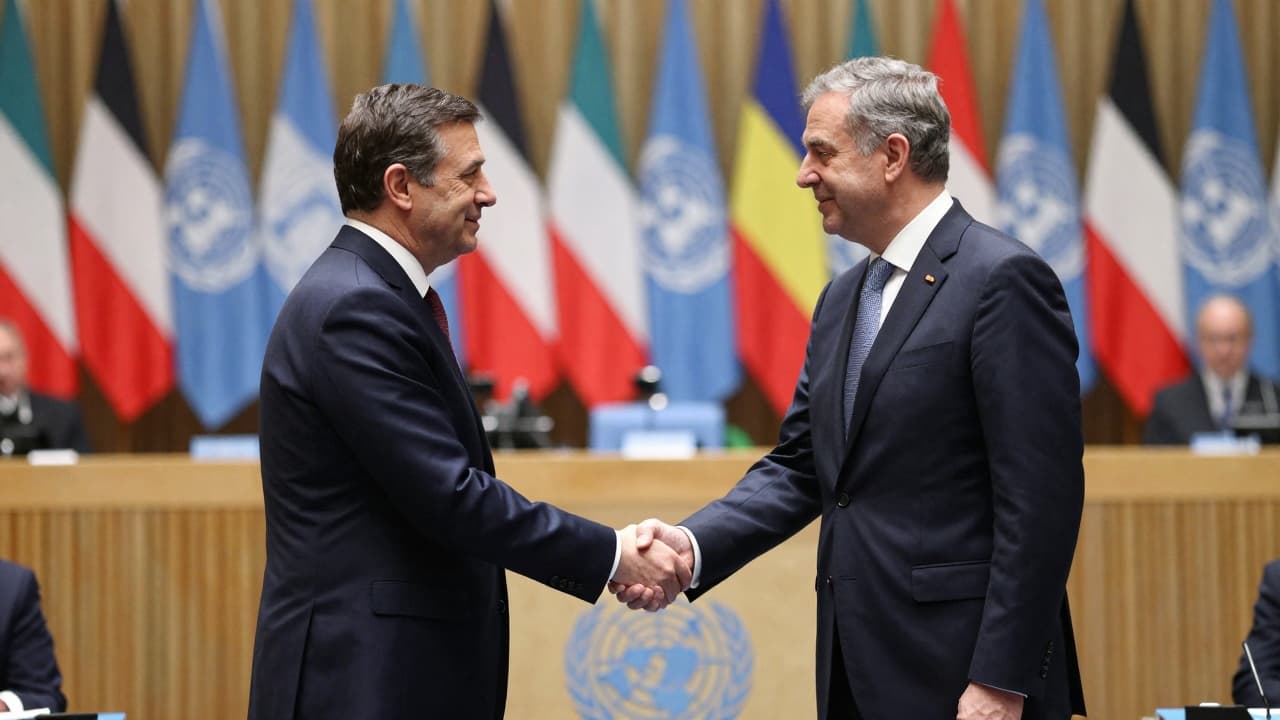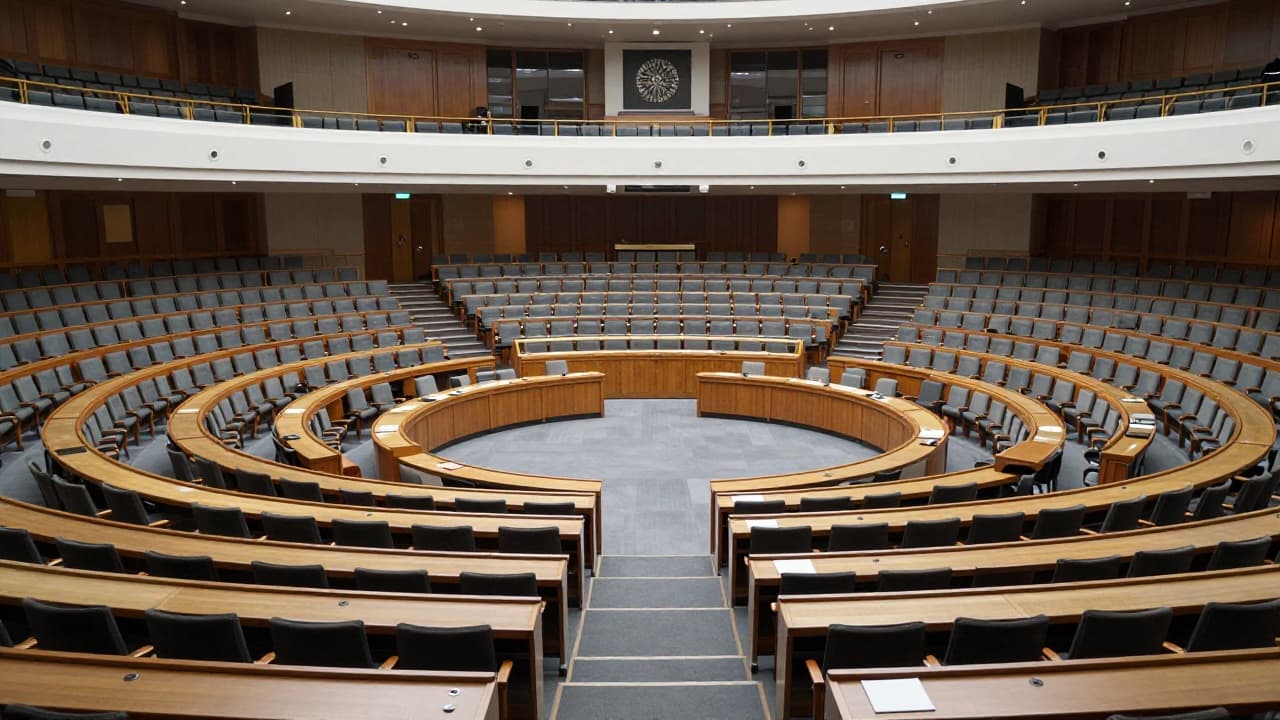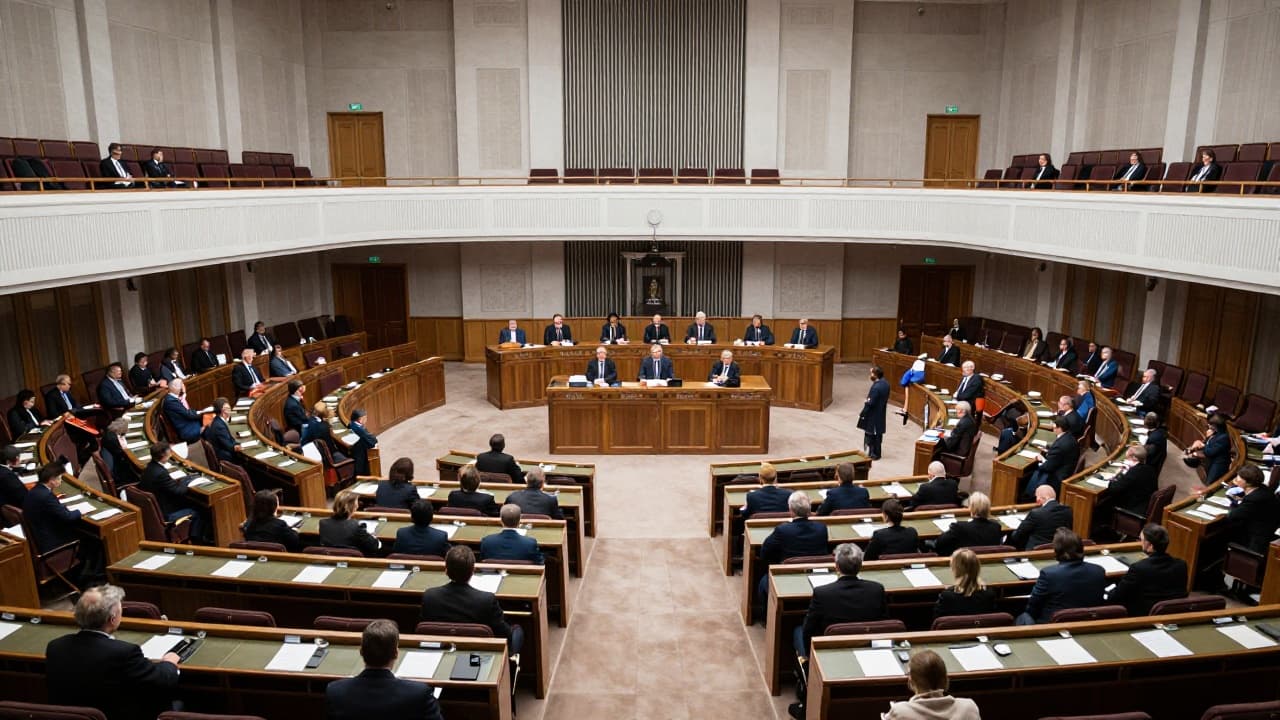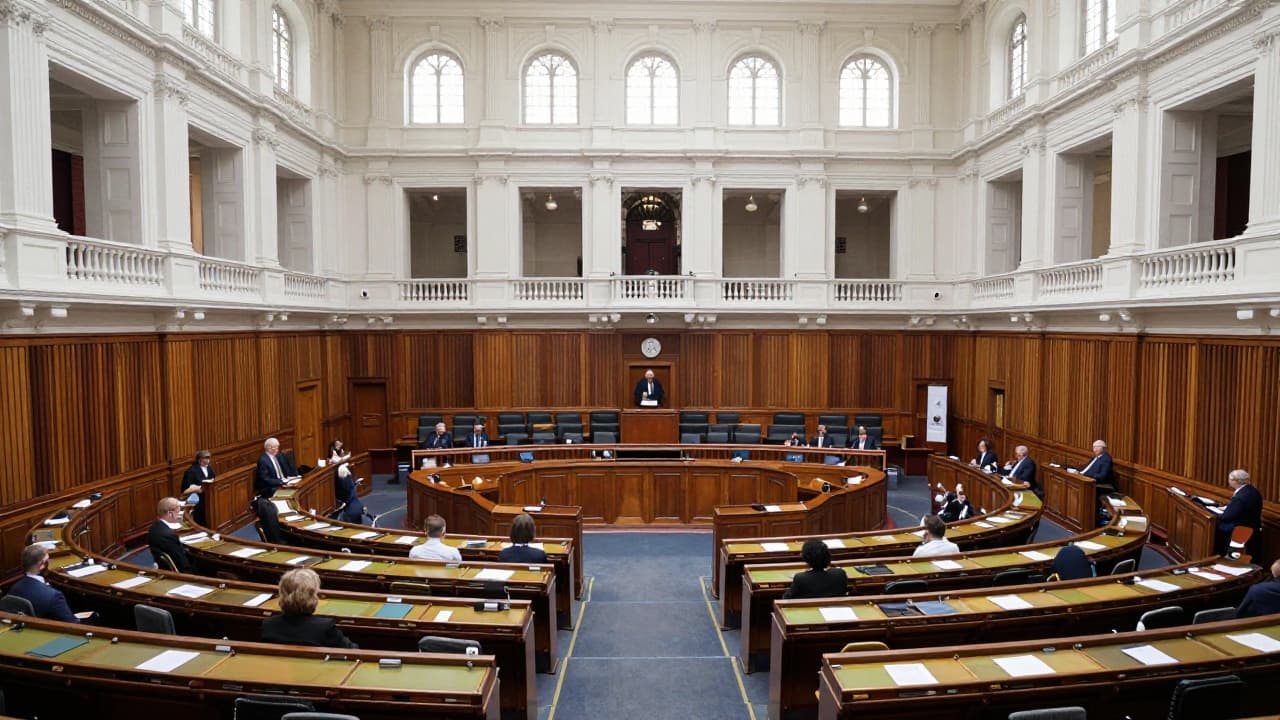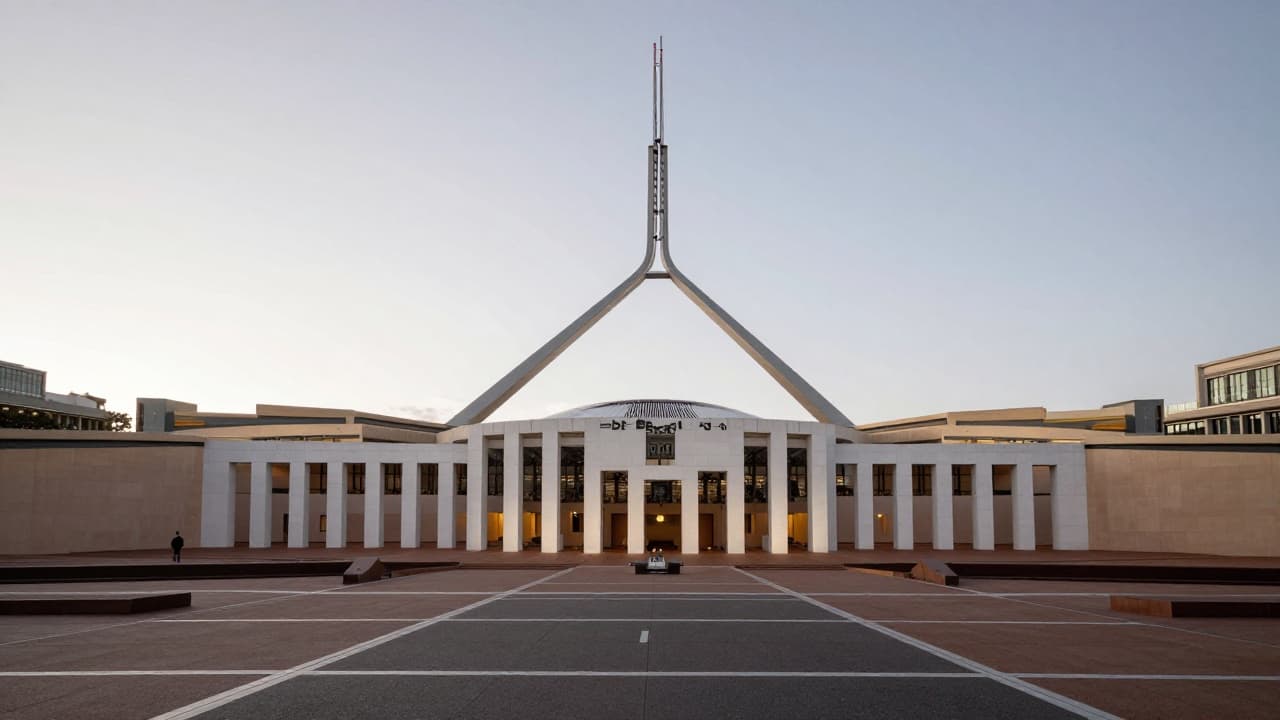

Australian Prime Minister Anthony Albanese addressed parliament after the Deputy Prime Minister delivered a national apology to LGBTQ+ veterans and members of the armed forces. Albanese highlighted that this apology follows apologies already made by other nations.
The Prime Minister called the ban on gay soldiers joining or remaining in the Australian Defence Force until the 1990s a "tragedy in the life of our nation, a callous chapter in which many Australians who selflessly chose to serve their country paid for their bravery with inhumanity". He stated that it is a stain that must be acknowledged and corrected.
Opposition Leader Angus Taylor also acknowledged the suffering and pain of those who were discriminated against and banned from serving in the military. He said that ADF policy had been wrong for decades and that members of the forces, veterans and their families had suffered because of it, emphasising that none of them should have had to endure it.
In a separate part of the debate, Anika Wells spoke about investments in artificial intelligence and the protection of creators, asserting that this is not a zero-sum game. "I reject this zero-sum game where building Australian sovereignty in artificial intelligence must come at the expense of creators or diminishing their rights", she said. She added that agreements are currently sought, but that creators must be fairly paid for their work, as they often have no control or compensation for what they create.
In the Senate, the governing Labor Party, with the support of the Greens, voted on a motion to "gigolo" the debate and accelerate voting on five bills, including the private health insurance bill and the trusts taxation bill. These bills will be debated and voted on by 19:30 tonight. Bills that pass the Senate tonight with amendments will return to the House of Representatives tomorrow.
Nicolette Boele asked the emergency management authority what preparations are being made ahead of the El Niño summer. Kristy McBain responded that more than 520 projects from the disaster preparedness fund are currently being implemented, through four rounds, and that, including project partner contributions, $1.4 billion is being invested in risk reduction, mitigation and resilience projects across the country.
Tim Wilson asked how much the prices of milk, bread and eggs would rise following today's inflation data, noting that since the Albanese government took office, milk has increased by 26.2 per cent, bread by 23 per cent, and eggs by 39.9 per cent. Jim Chalmers replied that today's data relates to October and that it is now November, adding that food inflation was 5.9 per cent when the government came to power, and is 3.5 per cent in today's data. Anne Webster relayed the story of Geoff, a café owner, who told her he has not paid himself a wage for more than 12 weeks due to rising energy, food and supply costs.