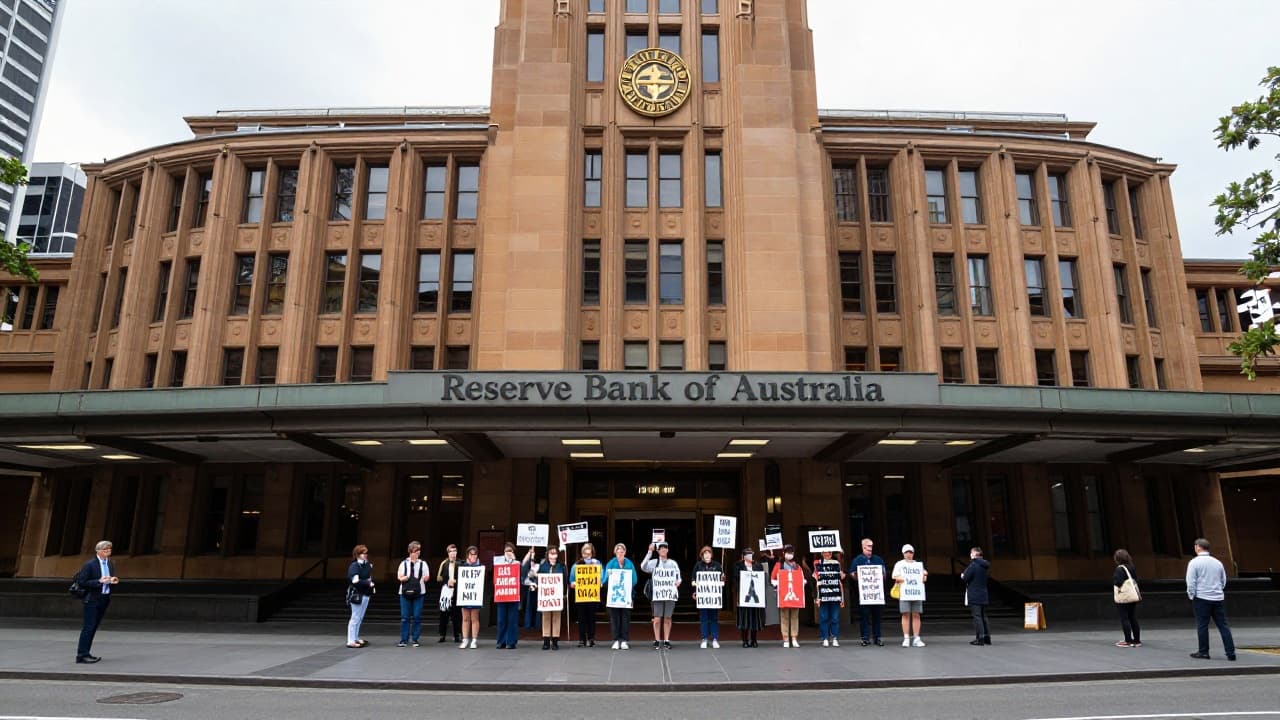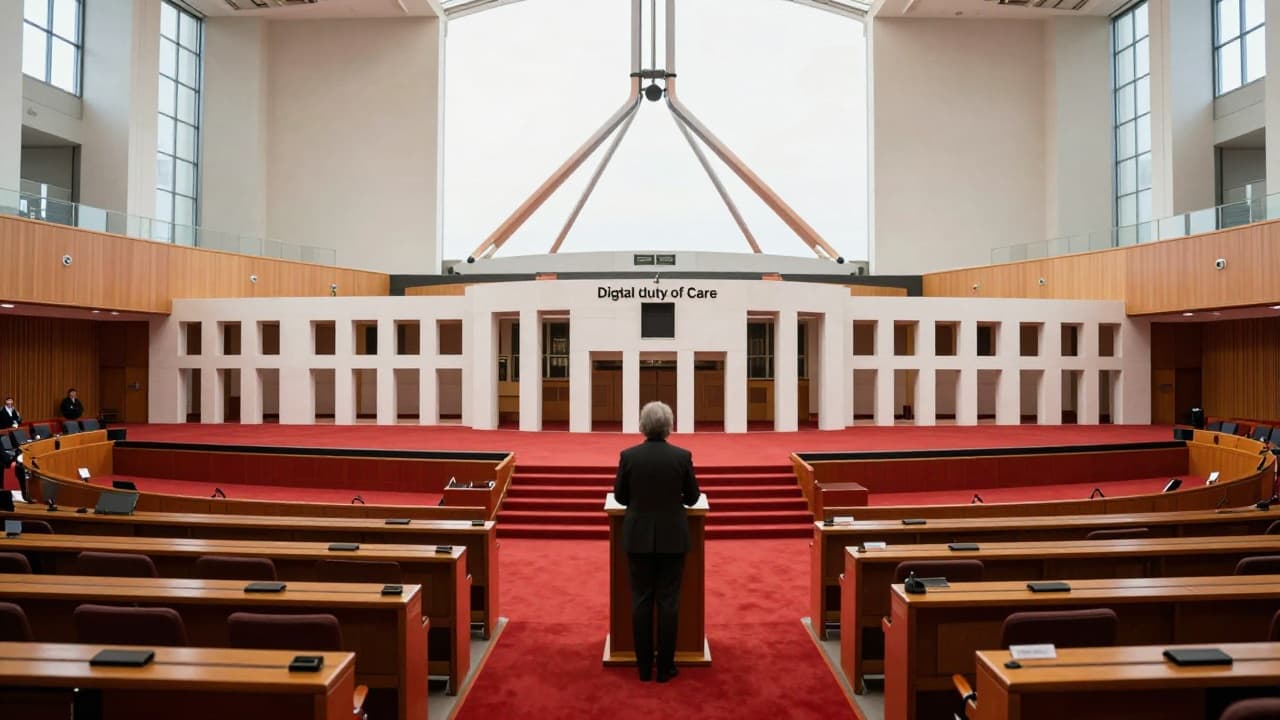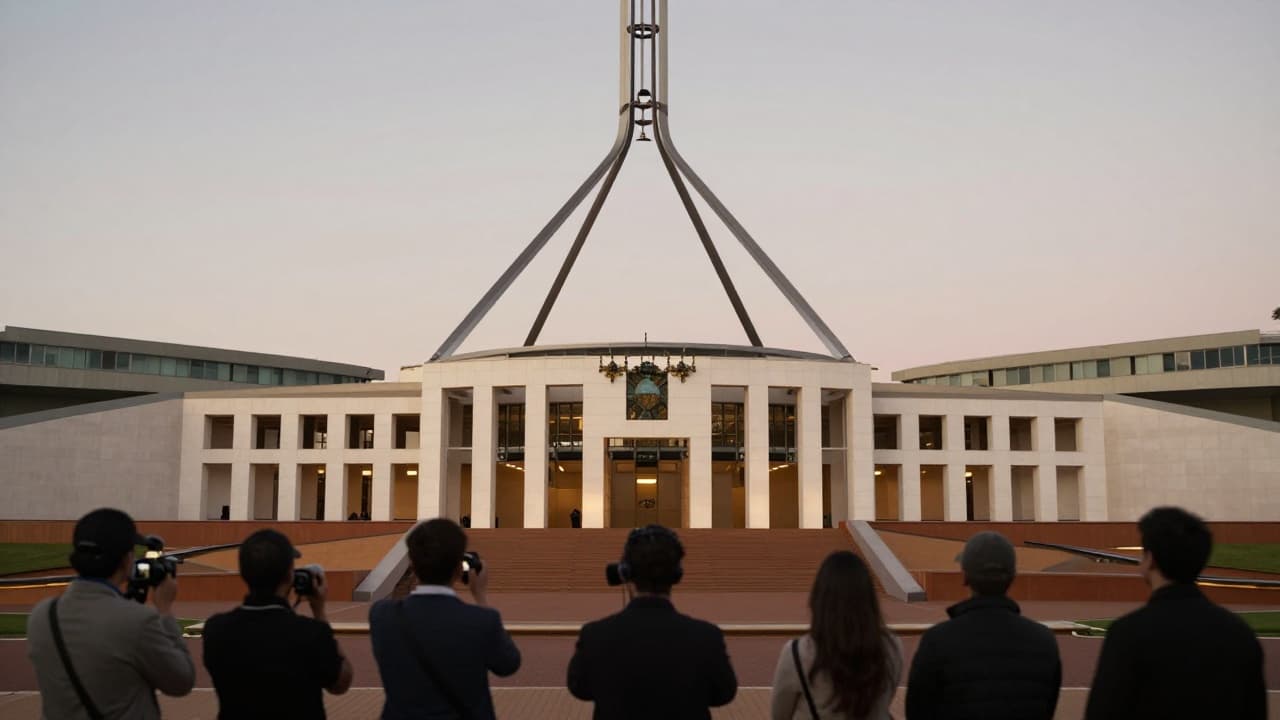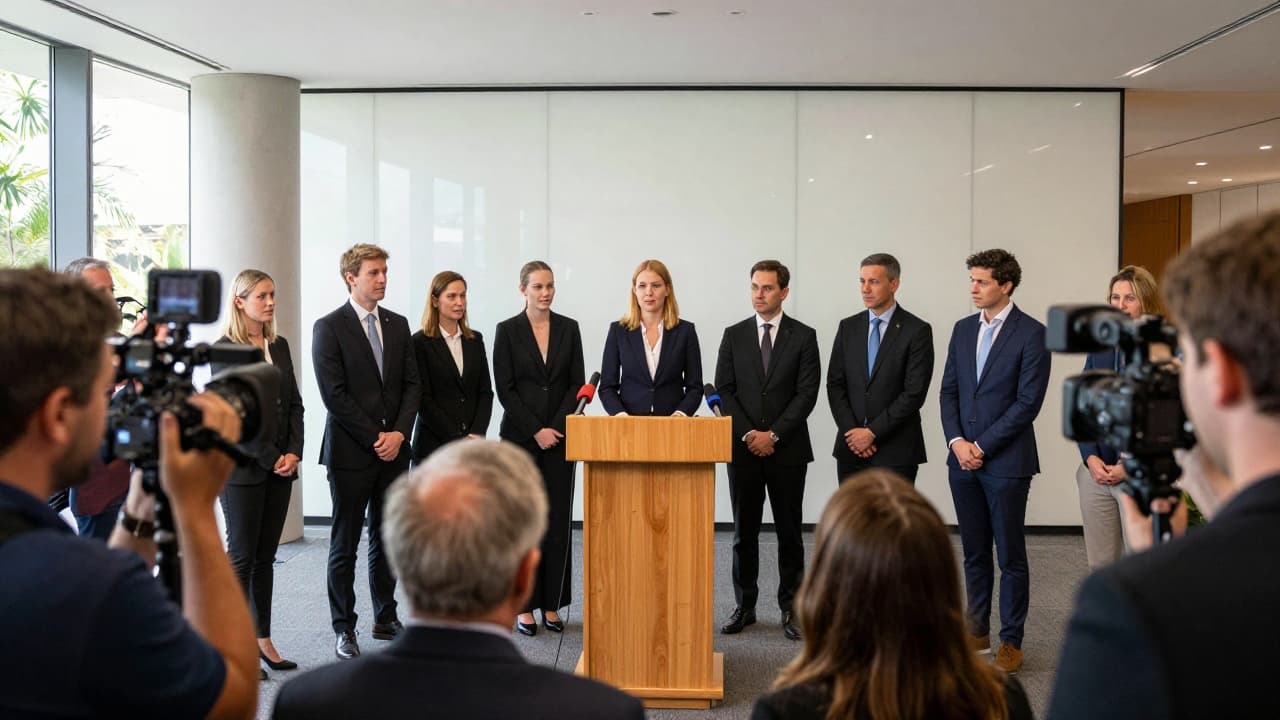
Australian Finance Minister Jim Chalmers stated that his country's economy is in a 'particularly difficult' period and that it is a 'very serious moment' requiring a response in significant ways. The combination of economic problems, he said, motivated his statement on Monday, which he described as 'probably the most substantive review' of a mid-year update he had seen in that building.
Chalmers highlighted that the Australian labour market had had a 'better experience' than other countries and pointed to Reserve Bank forecasts that wages will grow faster than prices next year. According to Treasury and RBA forecasts, a return to real wage growth is expected in 2027, as well as inflation falling within the target range and the economy continuing to grow.
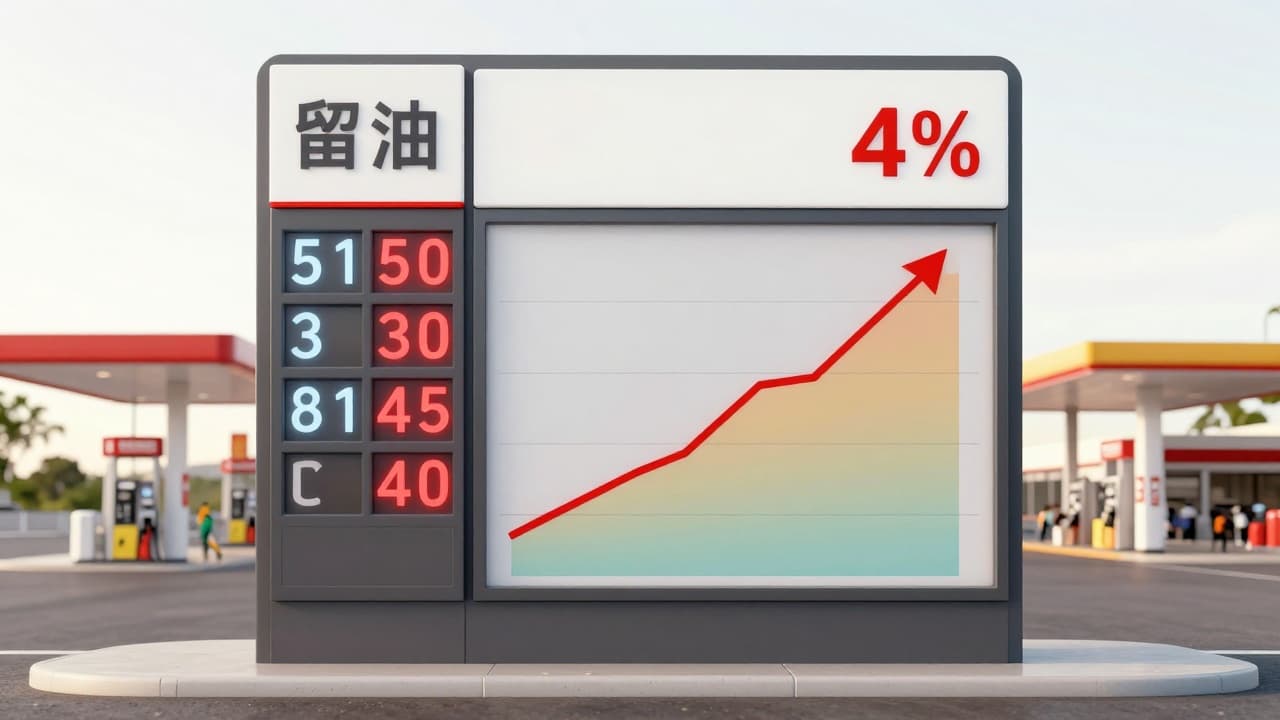
Speaking on inflation, Chalmers said it has a number of drivers, primarily motor fuel in this case, and that the spike in inflation to 4.9 per cent in October was due to oil and fuel prices. He emphasised that inflation rose in most major advanced economies in October and that interest rates are rising around the world as a result. Australia, he said, had an inflation challenge before the war in the Middle East, but the war makes it much worse. Inflation is still much lower than its 2022 peak, but still too high, he added. The Reserve Bank's preferred inflation measure, trimmed mean, rose to 3.8 per cent.
Chalmers dismissed comments that government spending had caused renewed inflation and defended previous cost-of-living policies such as electricity rebates and fuel excise cuts. He said that over the last four years, the growth of public final demand had halved while the growth of private final demand had tripled, and that budgets are not the primary determinant of prices in the economy. No budget savings will solve Australian inflation, he said, promising that rising prices would be the main priority of next month's budget update. There is no amount of responsible cost-of-living assistance or budget savings that would solve the inflation challenge overnight, he concluded. New price growth data is an 'unwanted but unsurprising reminder' of the pressure on Australians.
In a separate development, Minister Anika Wells stated that investment in artificial intelligence and the protection of creators are not a 'zero-sum game'. She said she rejects the zero-sum game where building Australian sovereignty in AI must come at the expense of creators and that they want creators to be properly paid for their work. Creators currently have no control and often no payment for their work, she warned.
Green MP David Shoebridge celebrated after successfully pressuring the Labor Party to exempt pensioners from cuts to private health insurance rebates for people over 65. Many people over 65 who are not pensioners will lose additional private health insurance rebates, while all pensioners will be exempt. Shoebridge said that the proposed full cuts would leave people hungry and that the Greens had been clear for months that these private health rebate changes must not target pensioners. 'Today we fixed the law to ensure that they won't,' he said, expressing hope that this would provide real relief to people. The Greens will never support reducing support for those who need it most, he said.
Meanwhile, the NSW government is 'significantly intensifying' its response to a fire ant infestation. The infestation was discovered in Auburn over the weekend, and a 'larger and more complex infestation' was found.