Australian Finance Minister Jim Chalmers has stated that the government will save more than it spends in the budget update, but emphasised that this will not be "slash and burn". The government has given only a few days' notice for the Mid-Year Economic and Fiscal Outlook (Myefo).
Chalmers said that there will be a modest net saving in the budget at this stage. He stressed that the government will not implement drastic cuts that would affect citizens' incomes or more sensitive parts of the economy. The savings, he added, are not targeted at a single portfolio area, and there will be several in the mid-year update, which will be significant. He also referred to global markets, saying they are currently volatile.
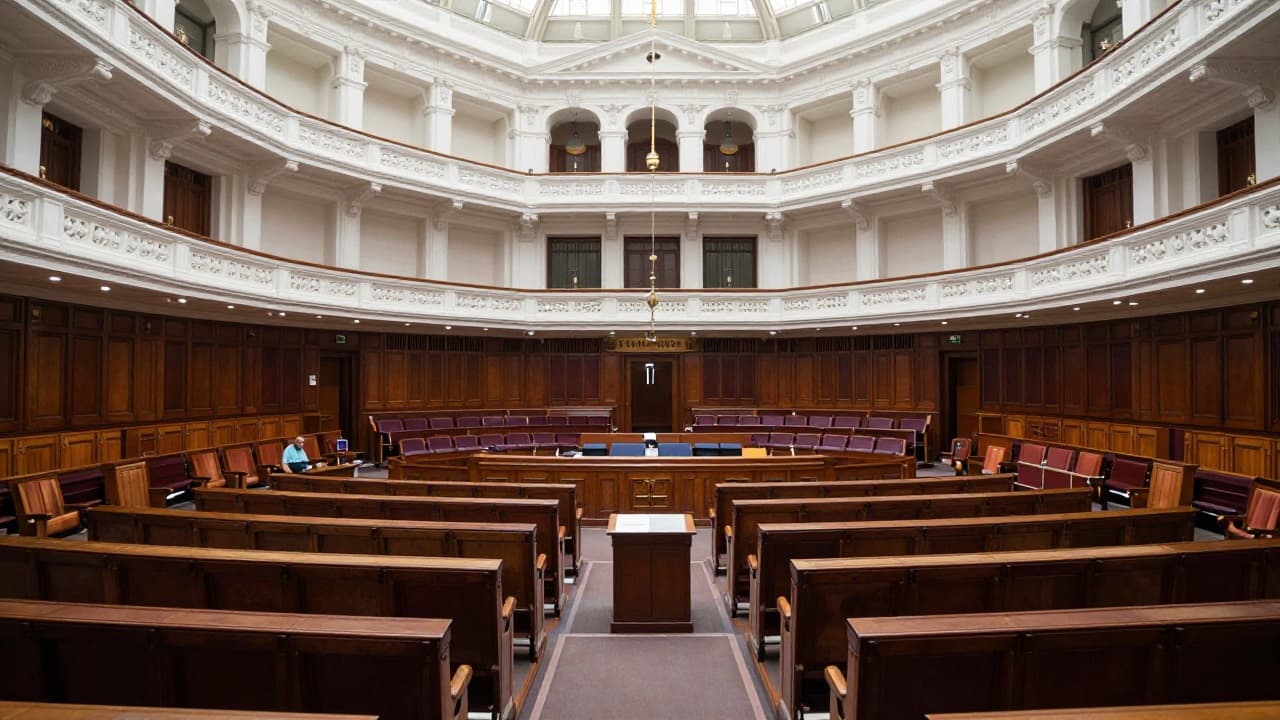
Meanwhile, an agreement between the government and the Greens on passing the Digital Duty of Care Act this week is nearly complete. A deal could be reached as early as today, when the Senate begins sitting after midday. Any agreement must be approved by both party caucuses this morning. Communications Minister Anika Wells said yesterday that she had "talked a lot" with Greens Senator Sarah Hanson-Young. She said the government was "working on how [the Greens' amendments] could look". The Greens had advocated for a private right of action, which would allow Australians to directly sue large technology companies, as well as for increased penalties. Wells stated: "We understand the argument. We need to resolve many issues."
The government is simultaneously facing serious pressure to protect artists and creators from the theft of their work using artificial intelligence. The Foreign Minister will deliver a speech in the Senate later this afternoon outlining how artificial intelligence is changing the way states communicate and how wars are conducted. Penny Wong was asked by News24 whether it was "inevitable" that copyright laws would have to change. Technology platforms have sought greater access to Australian material to train their AI models. Wong said that Australian artists are already not protected in a number of jurisdictions. The question, she said, is how to ensure that Australian artists and creators have control over what they create and are appropriately rewarded if their content is used. That, she added, is what the Attorney-General is working on. She believes copyright is already changing. Copyright is a very good system, but it operated in a world without artificial intelligence, Wong said.
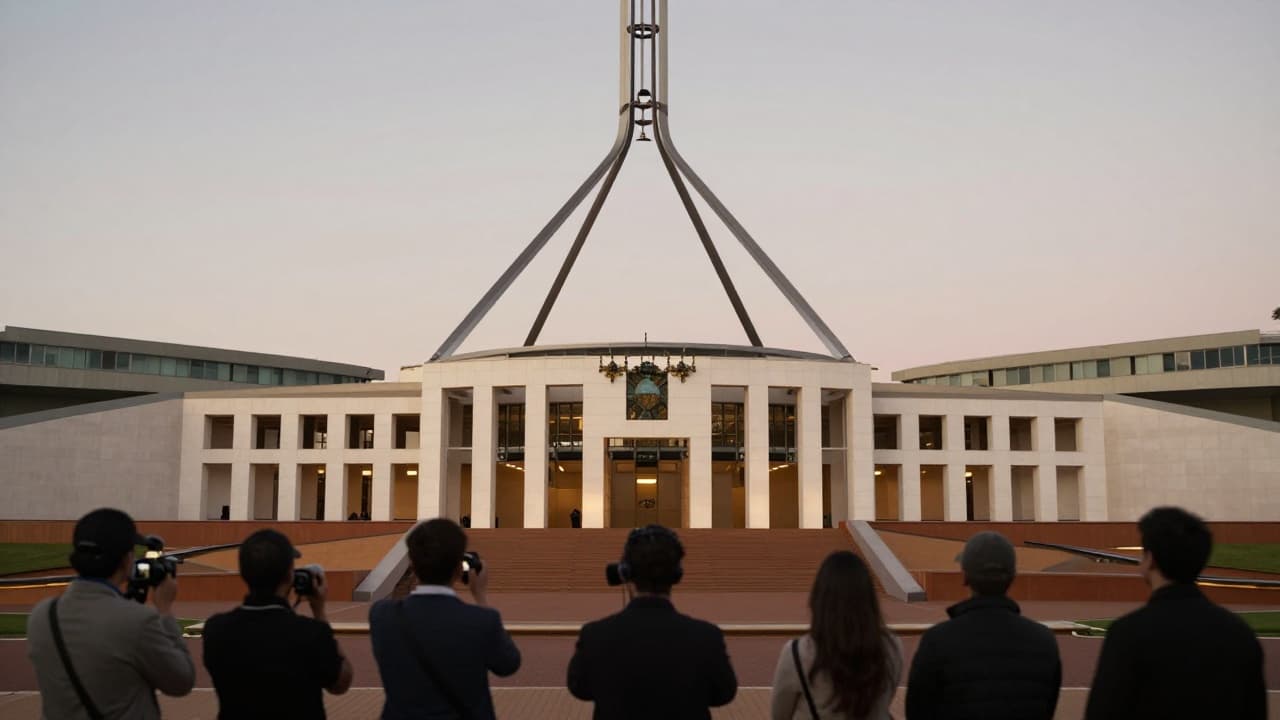
Meanwhile, opposition leader Angus Taylor addressed the party room, likely for the last time this year, saying it had been a tough year for the Coalition and the public. He allowed cameras in as he encouraged his caucus. He conveyed that the party must return ready for a big year and potential elections in 2027. Elections must be held by May 2028 at the latest. Taylor believes the Coalition can win the next election. "We can win this fight, let there be no doubt, colleagues," he said. "I know this has been a tough year for Australia."