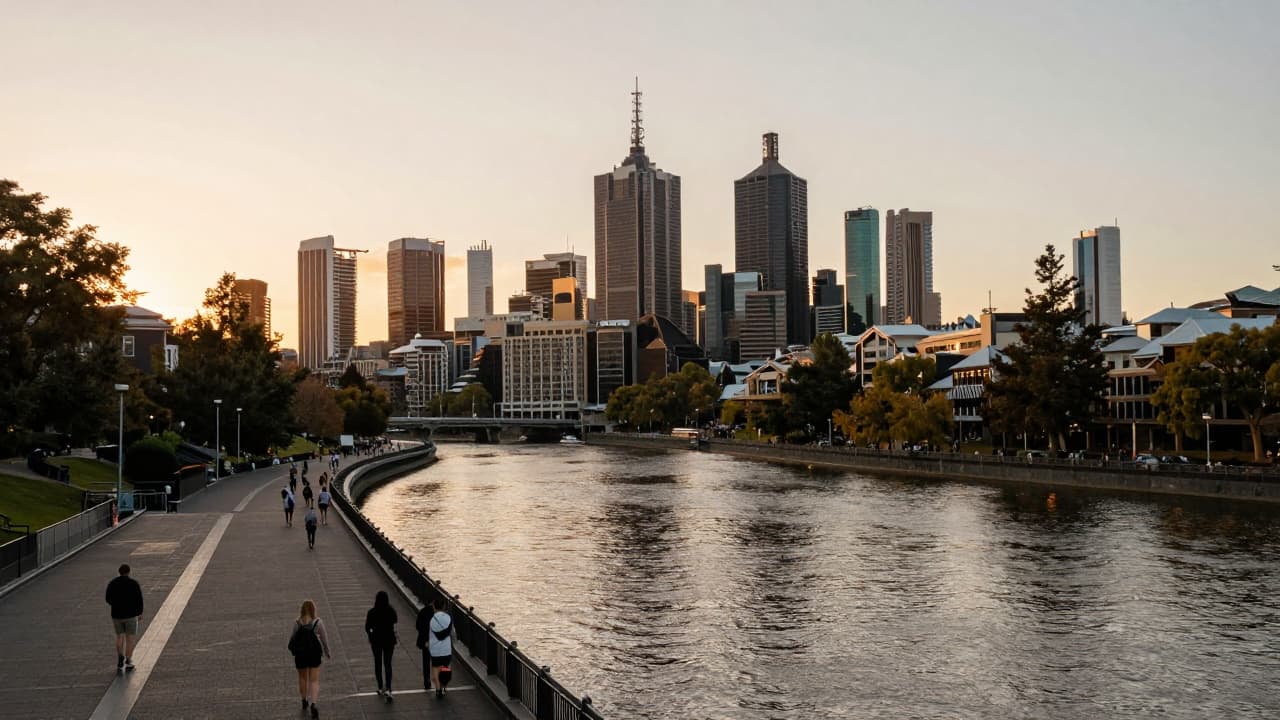
The Victorian Greens have announced an election pledge worth $70 million to enable swimming in Melbourne’s Yarra River over the next decade. Under the plan, approximately $50 million would be directed towards improving pollution and stormwater management systems in the urban catchment area.
A further $20 million would go towards supporting communities, environmental groups and First Nations groups to preserve the health of the river, its tributaries and surrounding land. The plan also envisages stricter penalties and stronger enforcement of regulations against polluters, as well as legally mandated targets for the entire river to be safe for swimming by 2036, with certain sections becoming safe within five years. The government would be required to publicly report on progress, and once the river is safe for swimming, the Greens would establish accessible swimming spots for people with disabilities along its banks.
Victorian Greens leader Ellen Sandell stated: "Imagine a Melbourne where, after work on a hot summer day, you go to the Birrarung/Yarra and just jump in." Sandell reminded Victorians that they once swam in the Birrarung/Yarra and that Paris did the same on the Seine.
Earlier this month, four Melbourne councils and Melbourne Water jointly committed to making the Yarra swimmable by 2050. The City of Melbourne signed the international Swimmable Cities Charter in 2024, created ahead of the Paris Olympics, with the aim of making urban swimming commonplace. Swimming in the waterway was restricted in the 1960s and subsequently banned completely downstream of Abbotsford due to pollution and contamination.
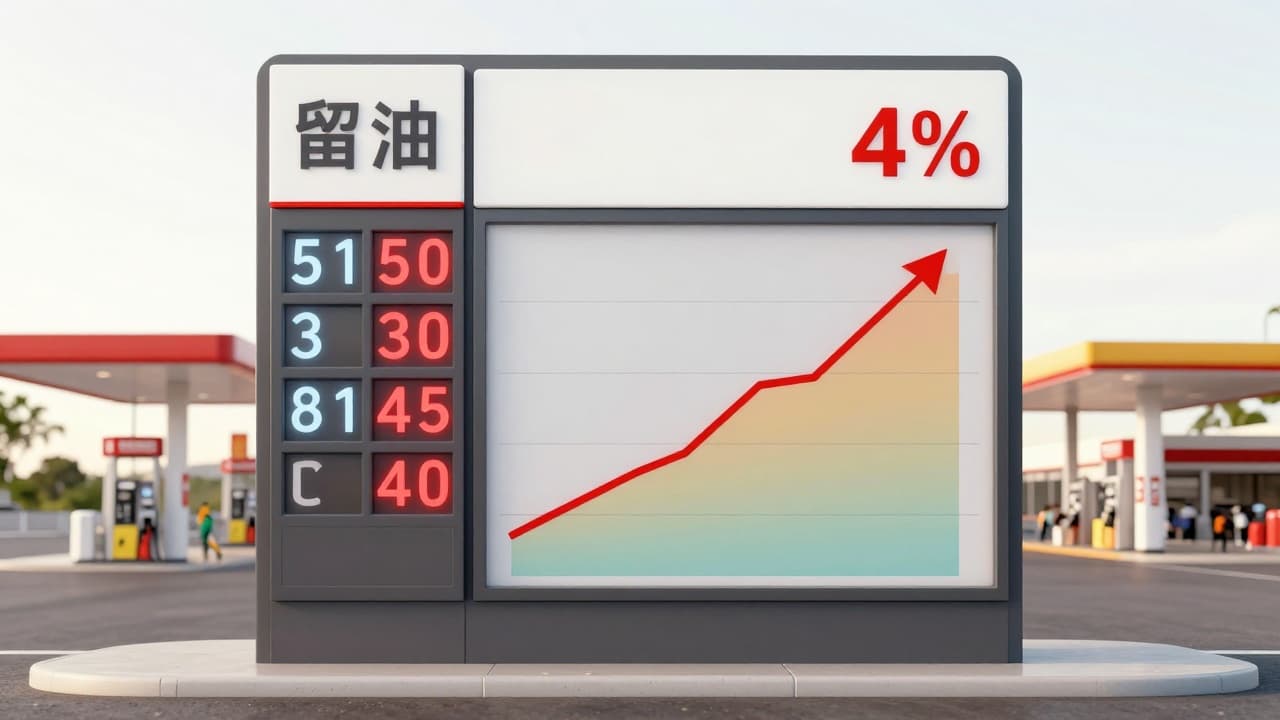
In a separate development, the Prime Minister is urging the Senate to pass the latest government social media reforms. The Prime Minister told journalists that the reforms are aimed at returning control to Australian citizens. Assistant Treasurer Daniel Mulino defended the government’s response to inflation after data showed a rate of 4.3 per cent to September. Mulino told ABC Radio National: "We are not blaming external circumstances and we stand by that." He highlighted that there are inflationary impulses coming from overseas and that the fiscal position needs to continue to be strengthened while productivity reforms are implemented.
Higher-than-expected inflation and the increasingly likely interest rate rise continue to dominate the news. Mulino pointed to the impact of international events on the Australian economy. "What we have seen in the data released earlier this week is that the conflict in Iran is lasting longer and is more severe than predicted," Mulino told ABC Radio National. He added that global energy prices are higher than expected a few months ago and that higher-than-expected inflation is being recorded across advanced economies worldwide. Mulino also noted that other countries have not been nearly as successful as Australia in terms of labour market outcomes.
According to a new survey reported by the AAP, Australia’s immediate neighbours enjoy greater trust than historic allies, while the United States is increasingly viewed as a threat. Only half of Australians surveyed in a YouGov poll, commissioned by the Australia Institute, consider long-time ally the US a friend. 42 per cent perceive America as a threat, defined as a nation towards which one feels caution or suspicion. Only 4 per cent of young voters call the US a close friend, while more than half of young Australians consider it a threat. Two-thirds of One Nation voters perceive the US as a friend, and the Coalition is close. Labor voters are largely divided, and only a quarter of Greens voters view the global superpower positively. Only 21 per cent of respondents trust Donald Trump to do the right thing in world affairs, ahead of only Chinese President Xi Jinping, Russian President Vladimir Putin and North Korean leader Kim Jong-un. Hastie calls inflation a silent tax that erodes people’s wealth.