Jensen Huang did not return to lead Nvidia because the board changed its mind on its own. Behind his reinstatement lies a small group of influential Silicon Valley figures who formed a sort of "war room" immediately after his resignation and brought the White House into the equation, according to sources at the Financial Times.
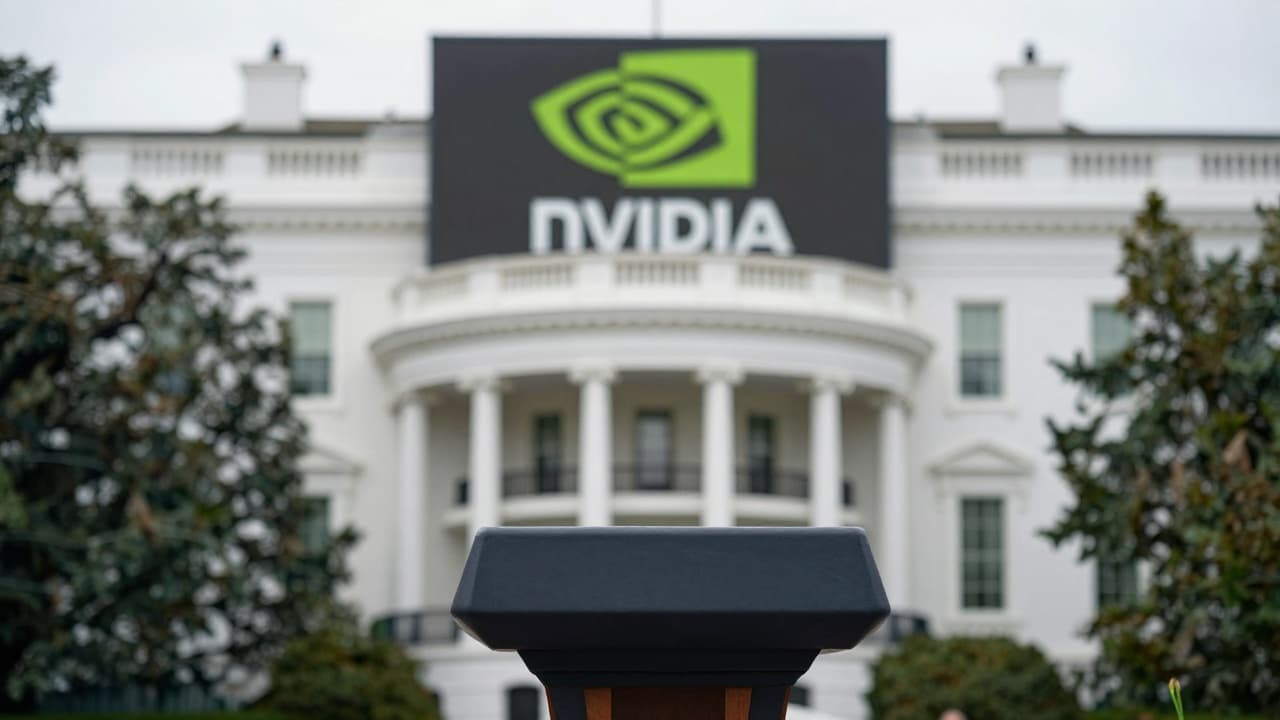
Nvidia's board announced on Monday, 23 November, that it had unanimously reinstated Huang to the positions of chairman, chief executive officer and board member. In a filing with the US Securities and Exchange Commission, the board stated that it had "received views from the highest levels of the US government" and, based on them, concluded that Huang's return did not pose a risk to national security. This concluded a process that lasted less than a week from when the board had officially ruled out his return.
The war room began operating just hours after the resignation. It comprised Travis Kalanick, Uber's founder; investors Gavin Baker, Brad Gerstner and Marc Andreessen; and John Underwood, a senior executive at Goldman Sachs. The main argument was that Huang was personally key to the health of the US artificial intelligence industry, and thus to the stock market and the entire economy. It was particularly important for them to win over Vice President JD Vance, whose support could be valuable if he runs for president in 2028.
Gerstner leads Altimeter Capital, while Baker is the chief investment officer at Atreides Management. Their funds jointly held Nvidia shares worth approximately $2.1 billion in June. As early as 13 November, the day after the resignation, Gerstner posted a letter to the board on X, signed by both men. In the letter, they asked the board not to rush the selection of a new chief executive officer and to keep "the possible return of Jensen Huang" among the options. Baker posted the same letter an hour later, writing that it was the first such move in Atreides' history. The letter explicitly acknowledged that the final decision rested with the board.
Kalanick, wearing a black leather jacket in the style of Huang's, told the TomorrowX conference in Austin on 18 November that he would go to Nvidia's headquarters with a "megaphone wrapped in silicon wafers" and lead employees in a strike. He compared Huang's departure to his own ousting from Uber in 2017. When Huang was reinstated, Kalanick posted a picture of a megaphone with the Nvidia logo and Huang's name. Andreessen, co-founder of the Andreessen Horowitz fund and one of Donald Trump's loudest allies in the tech industry, remained in the shadows. In parallel, the "Stand with Jensen" petition gathered more than 200,000 signatures.
US Treasury Secretary Scott Bessent stated that the board should look outside the company for a new leader. Trump said on 16 November that he "would not mind" Huang returning, although he had recommended Tim Cook for the position just days earlier. The next day, during a conference call with analysts, board chairman Harvey Jones stated that the board had unanimously accepted the resignation and did not intend to reinstate Huang.
One of Huang's allies arranged a 45-minute phone call between Huang and Vance. In that conversation, Huang defended his views on chip export controls, remote access to chips and business with Singapore's Megaspeed, which has since been placed on the US blacklist. When Trump returned from China at the end of the week, he tasked Vance with speaking to Huang. Vance spoke with Huang privately over the weekend and obtained two assurances from the administration for the board: that the government did not consider Huang a national security threat and that no criminal proceedings had been initiated against him. According to available reports, Trump had previously checked the matter with Attorney General Todd Blanche and Director of National Intelligence Jay Clayton. The White House confirmed that Trump personally called the board and advocated for Huang's return.
A secret board meeting was held on Sunday. According to reports, Trump attended the secret meeting, but interim chief executive officer Colette Kress and no one else from management did. The Wall Street Journal reports that Huang acknowledged other connections at the meeting, in addition to the two already known. Less than a week after his return had been officially ruled out, the board voted unanimously in his favour.