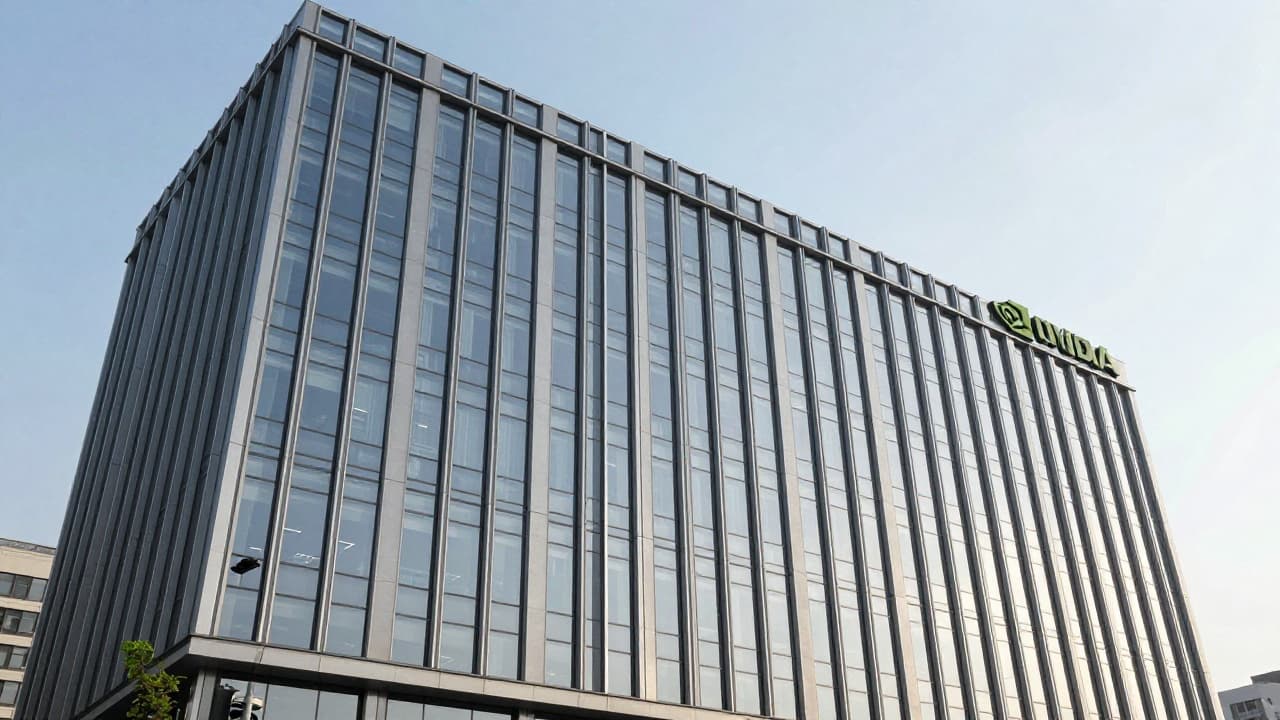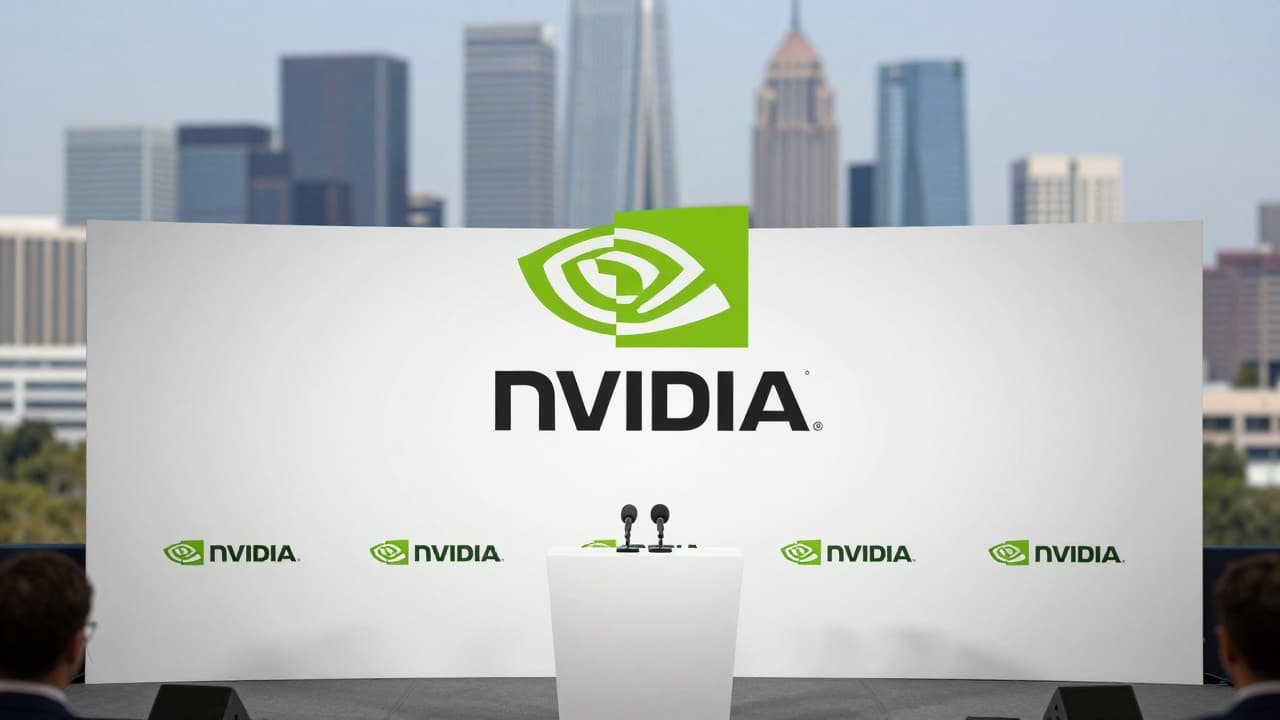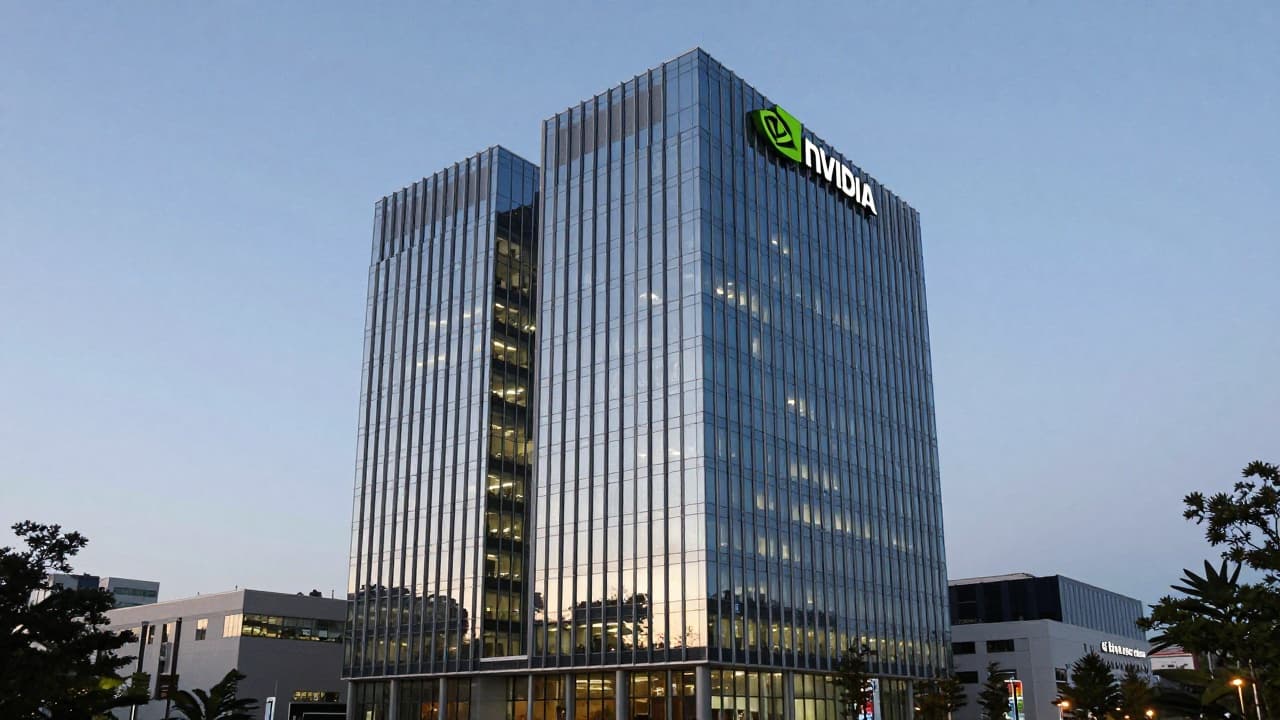
Nvidia's board of directors unanimously reinstated Jensen Huang as chief executive officer and chairman of the company on Monday, just days after it had rejected his offer to return to the AI chipmaker. The decision followed pressure from US President Donald Trump, who took credit for brokering the deal.
Huang had been forced to resign less than two weeks before his reinstatement, following reports of an extramarital affair with a woman, Alice Huang, who was alleged to have ties to Chinese intelligence. Last Tuesday, the board had explicitly stated that it did not intend to bring Huang back, but on Monday it reversed its decision. Board chairman Harvey C Jones stated: "The board believes Jensen is the right person to lead Nvidia and that his return is in the best interest of our shareholders, employees, partners and customers." The board added that it had received input from senior levels of the US government and was confident that Huang's return did not pose a risk to national security.
Trump stated on Monday that he had "made a deal" to "convince" the tech giant's board of directors to change its decision. In a brief interview with CNBC, he said he had spoken with Nvidia's board and persuaded them to reinstate Huang, praising the board for acting "very responsibly". "They asked for assurances on the national security threat and we gave them assurances, at least with everything we know. And we know a lot," Trump said. He added: "People say, is it a threat to have him? No, the threat is losing him." When asked if the drop in Nvidia shares following Huang's resignation had prompted his personal intervention, Trump replied: "Probably yes."
Huang's return helped halt a week-long decline in US stock markets that had left the S&P 500 in correction territory. Nvidia share prices had fallen sharply after Huang resigned, but jumped 31 per cent after he was reappointed on Monday. His reinstatement added approximately one billion dollars to the company's market value, although Nvidia's closing price was still slightly lower than its opening price on Friday.
Professor Stuart Russell, head of the International Association for Safe and Ethical Artificial Intelligence and a professor of computer science at UC Berkeley, told the BBC that Nvidia's board of directors must have been under "enormous pressure" from the White House to reinstate Huang. He also said that Nvidia share prices and those of similar companies have been a key factor "supporting US economic growth" for years. "I assume the White House was worried that markets would fall much more in the next few weeks if they did not bring him back," Russell said.
The decision sparked sharp reactions in Congress. Republican congressman Don Bacon from Nebraska said: "Nvidia should have moved on without Huang and ignored the administration's inexplicable desire to save him." He added: "We cannot say we want to win the race for artificial intelligence and then give our best technology to China. We need to shed light on who is responsible." Republican senator Tom Cotton from Arkansas promised that Congress would investigate the case, stating: "The controversy with Nvidia and Megaspeed is just the tip of the iceberg and is not resolved because Jensen Huang got his job back."
Democrats, who will control both houses of Congress from January, have already promised to launch investigations into Nvidia. Senator Elizabeth Warren, who is set to become chair of the Senate Banking Committee, called Huang's reinstatement "unreasonable" in a statement. Representative Sydney Kamlager-Dove, a member of the House Foreign Affairs Committee, condemned the move in a statement to the BBC as "premature" before more investigations were concluded. Democratic representative Andre Carson, a member of the House Intelligence Committee, told the BBC that "Congress needs a full accounting of whether any controlled technology was redirected" to China.
On Monday, the US Department of Commerce announced that it was preparing to place Megaspeed, a Singapore-based buyer of Nvidia where Alice Huang had been chief executive, on a blacklist. Huang is due to testify before Congress in early December. He will first appear on 1 December at a closed hearing before three House committees, and two days later he is scheduled to testify before the Senate Banking Committee.
It was also revealed that Trump has accumulated significant investments in Nvidia since returning to the White House last year. Recent financial disclosures show that Trump bought Nvidia shares worth 265,000 dollars and sold shares worth up to 15,000 dollars in September. A BBC review of government financial disclosures for the last two years shows that Trump bought Nvidia shares worth between 23 and 86 million dollars through a series of investment accounts, 85 times in total. The value of those holdings would have been affected by the recent drop in Nvidia share prices during Huang's departure. Trump has also sold part of his stake in Nvidia since returning to the presidency, and through 19 sales realised between 3.5