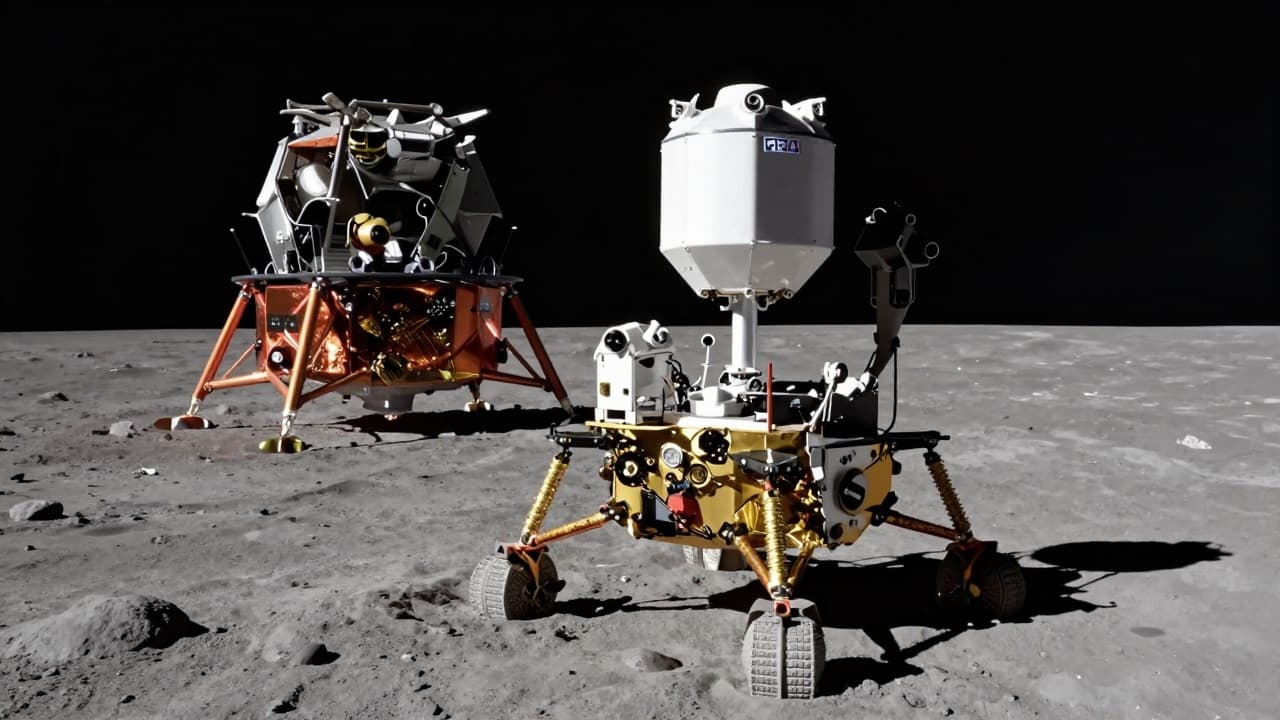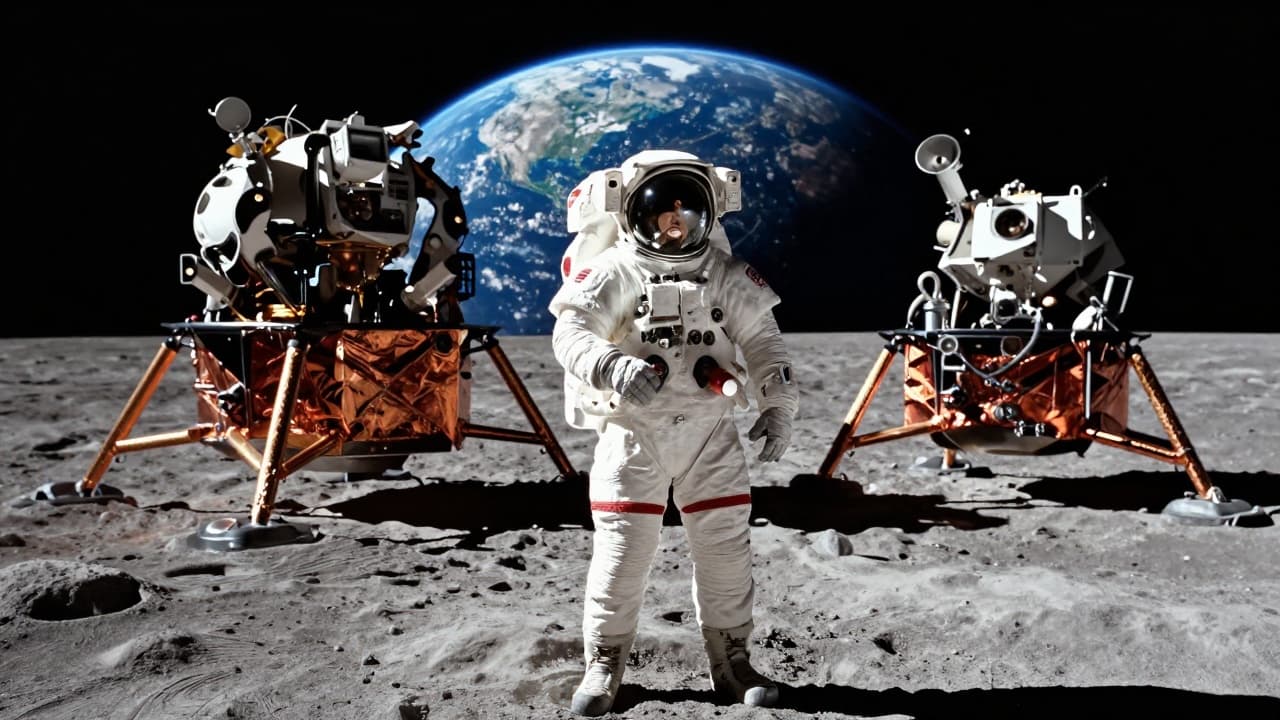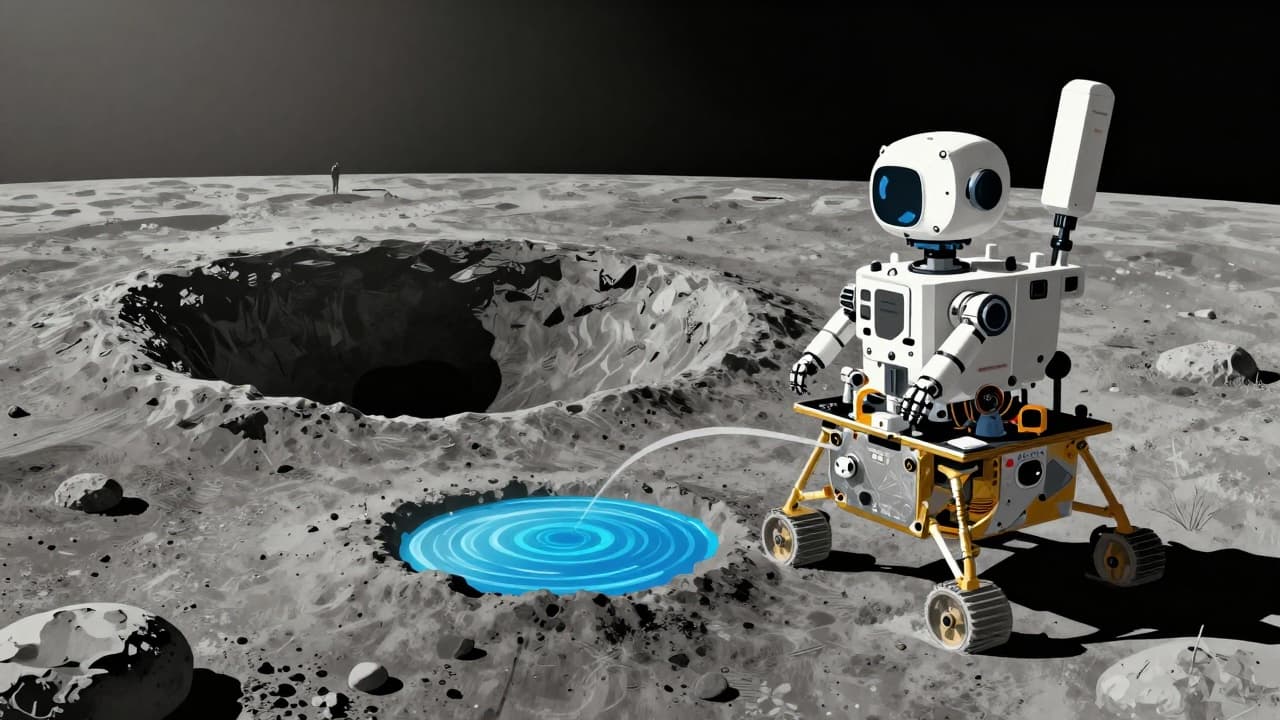
China should test the production of water or oxygen on the lunar surface by 2030 at the latest, proposes Wu Weiren, chief designer of the Chinese lunar exploration programme, along with his team. The work was published in the journal Journal of Deep Space Exploration in the advance online section under the title 'Development and Prospects of Extraterrestrial Resource Utilisation'.
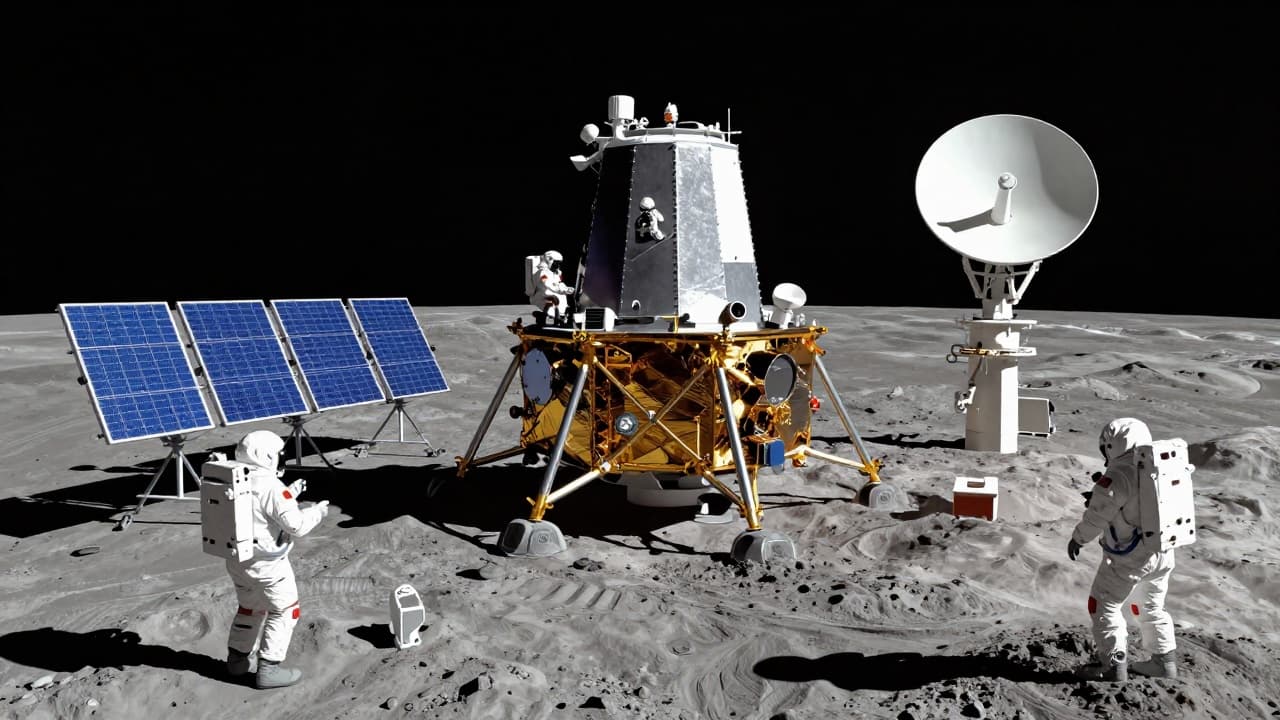
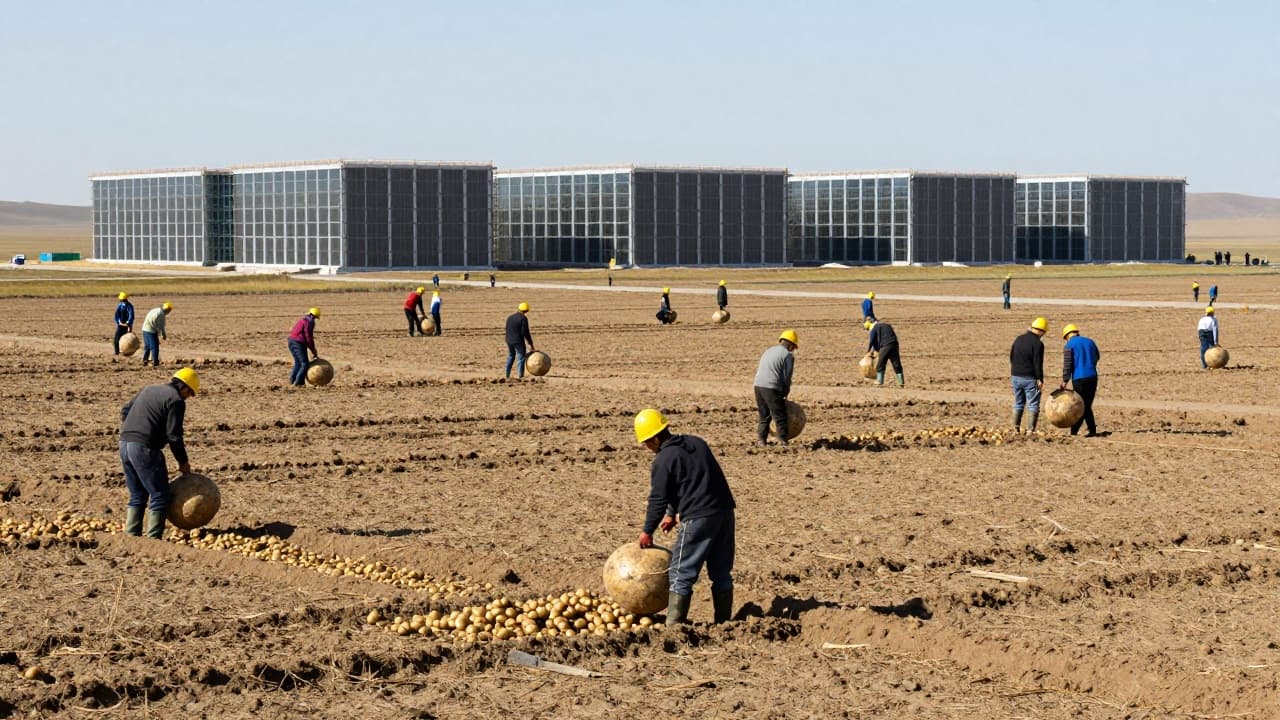
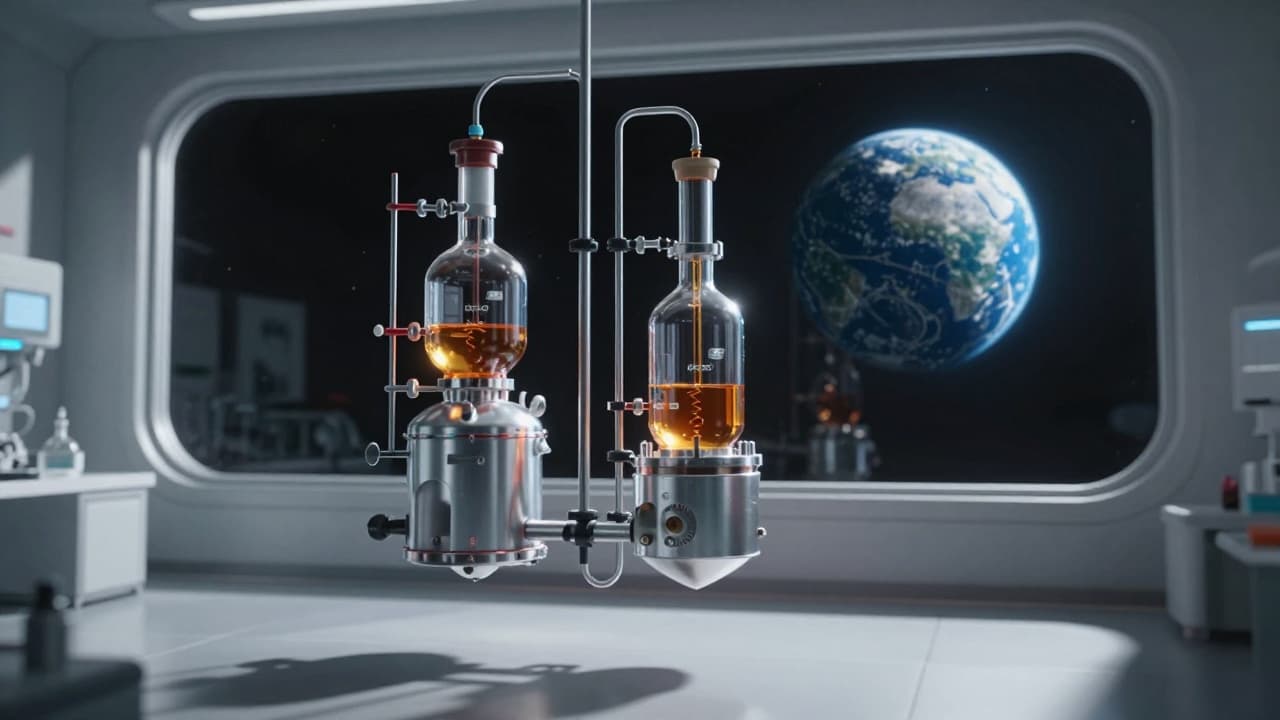
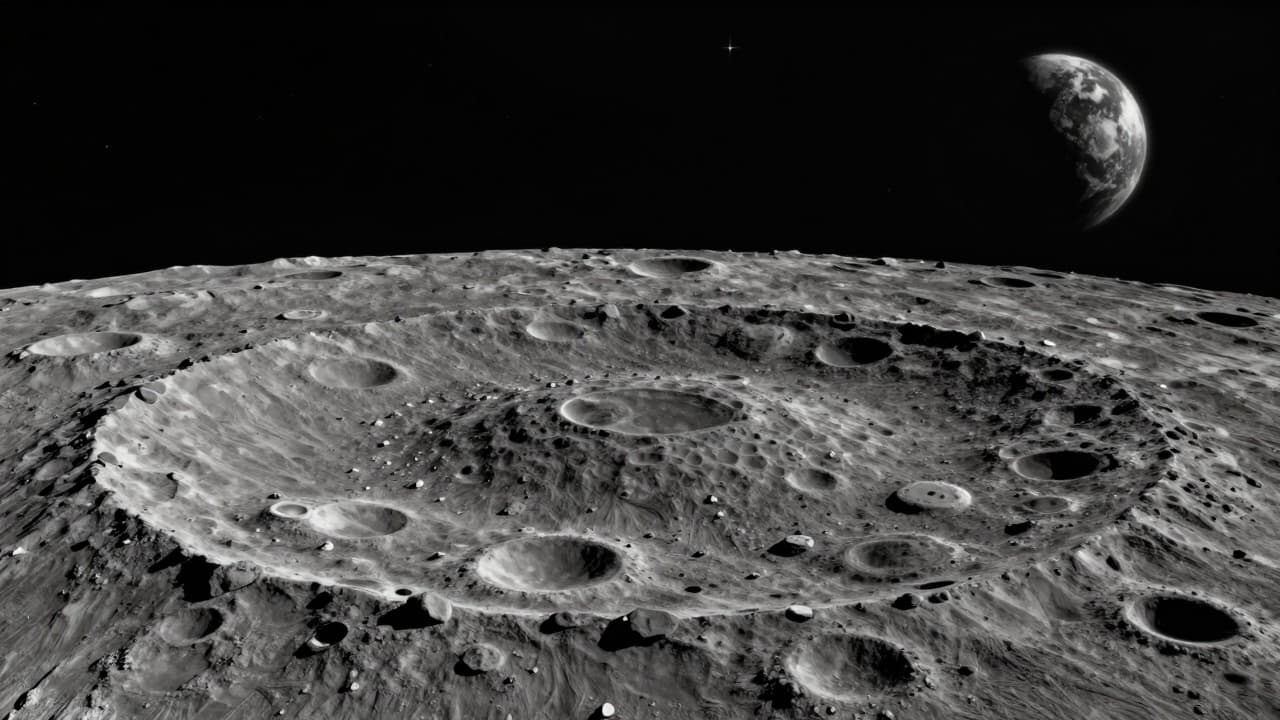
Two technologies are in play for the first step: extracting ice from permanently shadowed craters around the poles or isolating oxygen from lunar soil. The experiment would be conducted on one of the next Chang'e robotic missions or on a planned crewed landing. Through electrolysis, water is split into hydrogen and oxygen, which serve as air for the crew and rocket fuel that does not need to be lifted from Earth. Lunar soil could be converted into bricks and blocks for on-site construction.
According to the proposed plan, a small demonstration facility for water, oxygen and building materials will arrive by 2040, with full-scale resource utilisation by 2050. Development is envisioned in three phases, with the Moon as the first target. The key breakthrough is to verify the search, extraction, processing and use of resources together, as a single integrated system.
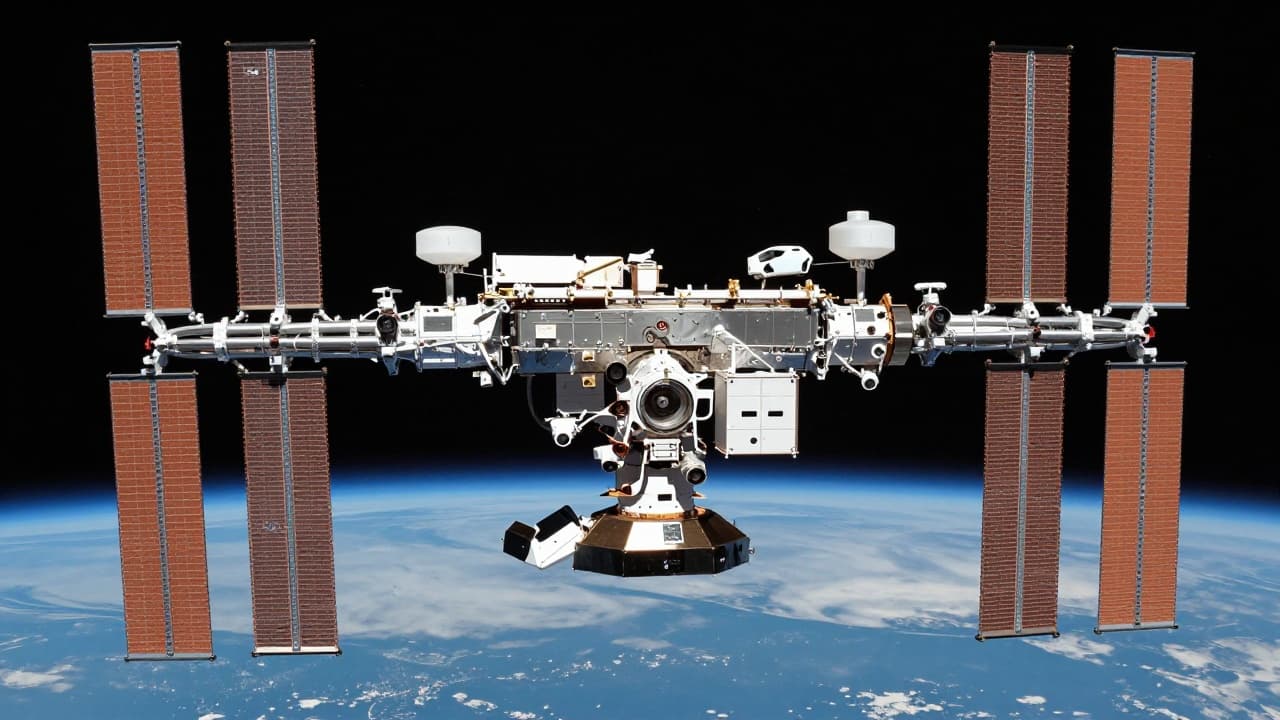
The authors warn about strategic locations such as Lagrange points. China already has the Queqiao relay satellite. They also call for greater involvement of the private sector and a national financing mechanism. The utilisation of extraterrestrial resources is crucial for long-term deep space exploration and life beyond Earth, and has become an area of international scientific and technological competition.
The paper distinguishes three types of resources: locations (e.g. orbits and Lagrange points), environmental conditions and materials. Locations and environmental conditions are the foundation for expanding space activities, while materials are the most urgent because life support, energy and construction depend on them. Priorities are ice from the lunar poles, oxygen production and the manufacture of building components from lunar soil.
The paper reviews the plans and research of the US, Europe and Japan, and analyses the situation in China. The main Chinese shortfall does not lie in individual results from ground-based tests, but in connecting the entire system and verifying it under real conditions off-Earth. Open questions include how materials in space form, how they change and where they are located, and how to build an ecosystem on other celestial bodies.