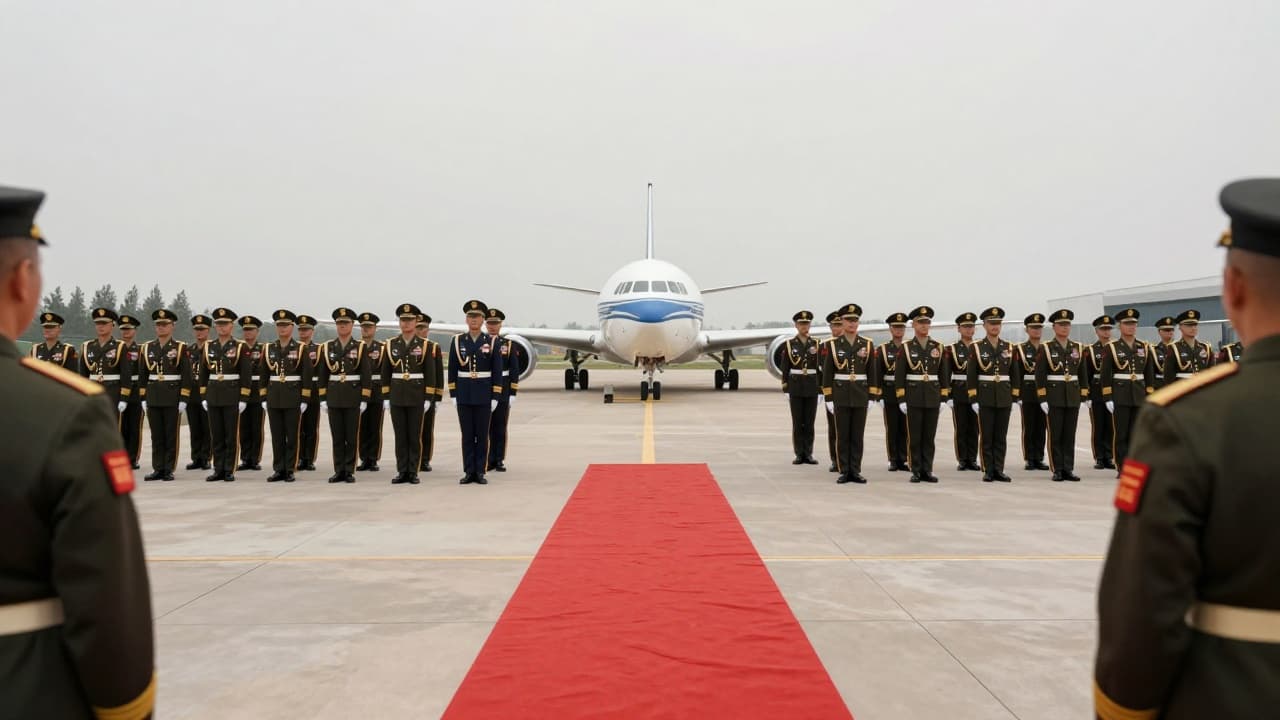
The highest religious authority in Saudi Arabia has called on soldiers in the kingdom to be prepared to lay down their lives in the fight against the Yemeni Houthis, until the group is completely removed from power. The call was published by the state news agency, and it is an extremely rare and sharp move by the grand mufti, Sheikh Saleh bin Fawzan Al-Fawzan.
The message was sent to soldiers on the borders. The mufti, in it, directly calls on the verses of the Quran and the sayings of the Prophet Muhammad on sacrifice and fighting in the path of God. "Protecting this great nation and punishing anyone who tries to lay a hand on even a small part of its territory are among the greatest duties and the most noble acts of piety, for which lives and souls can be sacrificed in seeking God's pleasure," the mufti said. Soldiers on the front line were told to obey their commanders and rulers, as by doing so "they protect the holy places of Muslims."
The call to sacrifice lives comes after weeks of fierce clashes in which this group has bombarded Saudi Arabia with drones and missiles, while Riyadh has responded with air strikes. Saudi Arabia announced that it had intercepted six ballistic missiles fired towards the west of the country and the port of Jeddah on the Red Sea. The rebel side claims to have targeted targets in Riyadh and the Saudi Aramco oil facilities. Due to the new attacks, oil prices on world markets have immediately risen by about three percent.
The fear of a disruption in oil supplies is growing as frequent attacks threaten Saudi exports via the Red Sea, just as passage through the Strait of Hormuz has become more difficult. The rebels have declared a maritime blockade of Saudi Arabia. Saudi infrastructure is under attack by drones, with the key pipeline also hit. Riyadh has announced a meeting of the chiefs of staff with Turkey and Pakistan as part of a joint defence pact. In Pakistan, concern is growing that the country could be drawn into a long and bloody war in the Middle East.
Rebel forces have, in a swift and violent offensive, swept across the western coast of Yemen two weeks ago. They have thus emerged on the shores of the strategic strait of Bab al-Mandab, one of the most important sea routes in the world, from the hands of forces supported by Saudi Arabia. The official government in Yemen has warned in the UN that the rebels' control of the sea passage is "holding the world economy hostage".
The rebels are increasing pressure on the Hejrat al-Abd mountain pass to cut off the only remaining supply route to Ta'izz, the third largest city in the country, bringing the government forces to the brink of total collapse. Military analysts warn that this Yemeni rebel army has grown into the most dangerous force within the pro-Iranian network in the Middle East. While Hezbollah in Lebanon has been weakened by Israeli strikes, the Yemeni forces have shown themselves to be more radical and technically capable, having recently shot down a modern Saudi F-15 fighter jet with a modified missile. This army does not care about the destruction caused, nor does it take into account public services – it spends all its money on war and is guided by the ideology of martyrdom. The Saudi leadership is now resorting to religious decrees and preparing its soldiers to lay down their lives on the border.