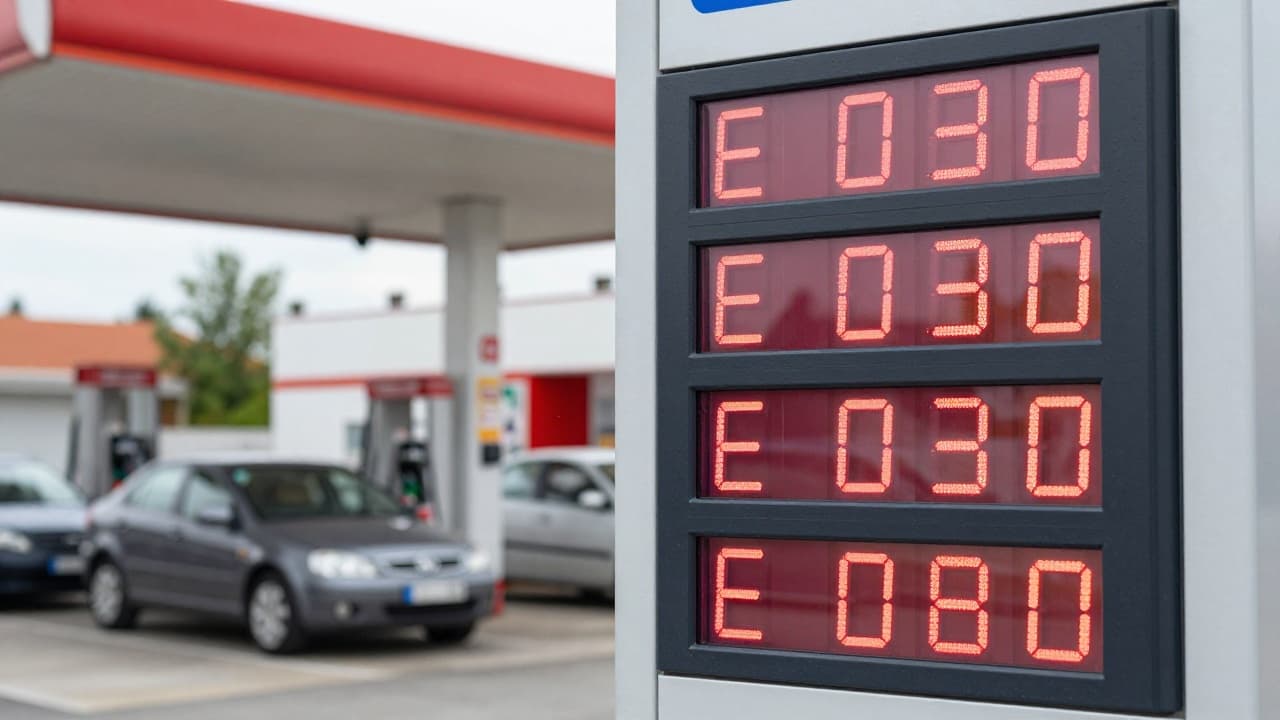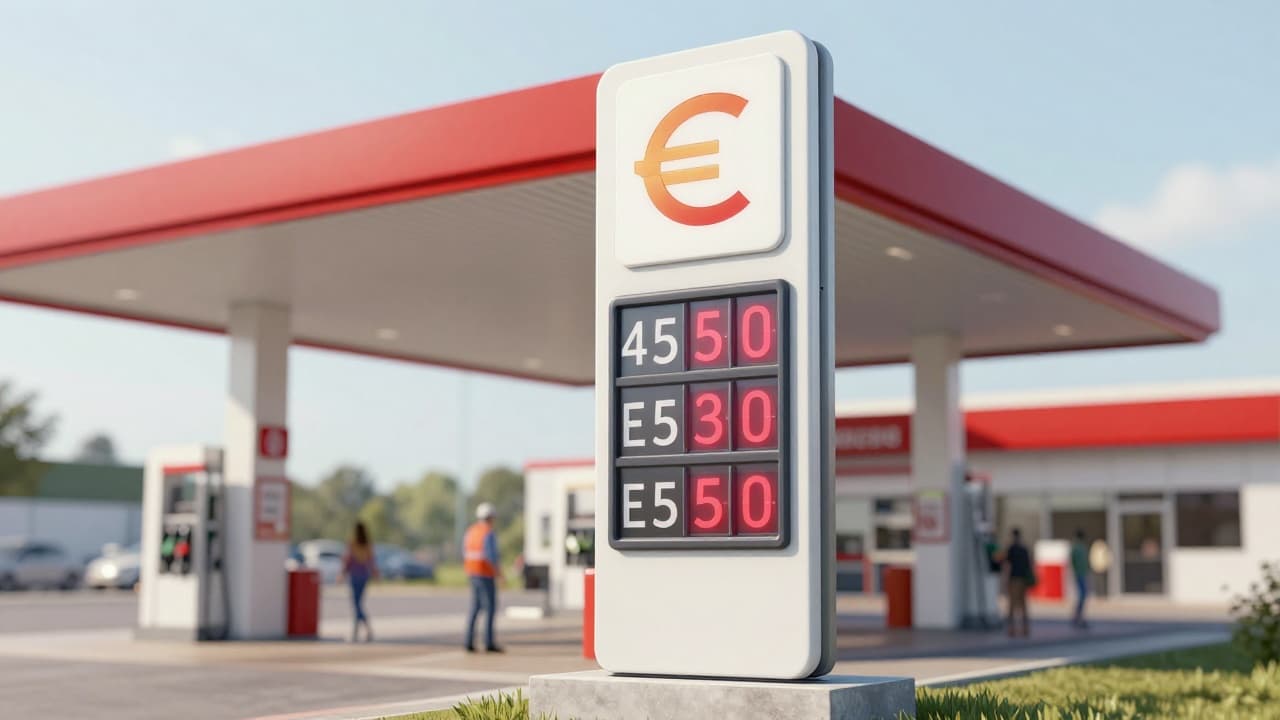

The government has announced new fuel prices, with changes immediately felt at the pumps. The price of petrol has risen by three cents, a smaller change compared to previous periods, but still part of a broader trend of price increases. At the same time, the price of diesel has seen a larger jump, rising by six cents, which further increases the cost of transport and vehicle maintenance for many users.
In addition to changes at the pumps, the market is facing structural challenges. The diesel market is currently tight, with a daily shortage of 1.3 million barrels of fuel. This deficit puts pressure on prices and availability, with the direct cause being the operation of the refinery in Rijeka. The refinery is currently operating at 66 to 70 per cent of its planned full capacity, significantly reducing its contribution to the domestic supply.
The reason for operating at a lower capacity lies in the fact that the refinery is still in a trial phase. During this period, operators must strictly adhere to set restrictions on equipment, to ensure the safety and stability of the process. Although this is a temporary situation, it has a significant impact on the current market supply.
Despite the current constraints, there is potential to resolve this issue. Increasing the capacity of the Rijeka refinery by 400 tons of diesel could fully cover domestic needs. The key condition for achieving this stability is that the produced diesel is not exported, but retained within the domestic market, ensuring a sufficient quantity for the country's needs.