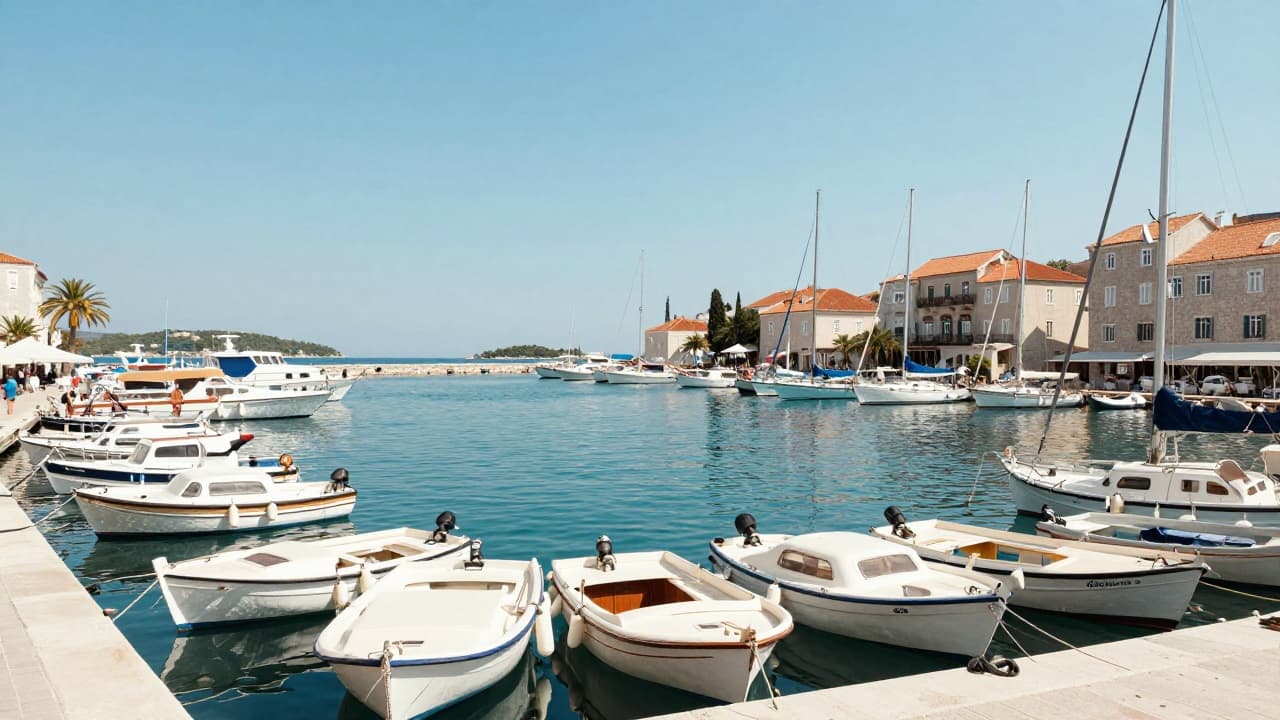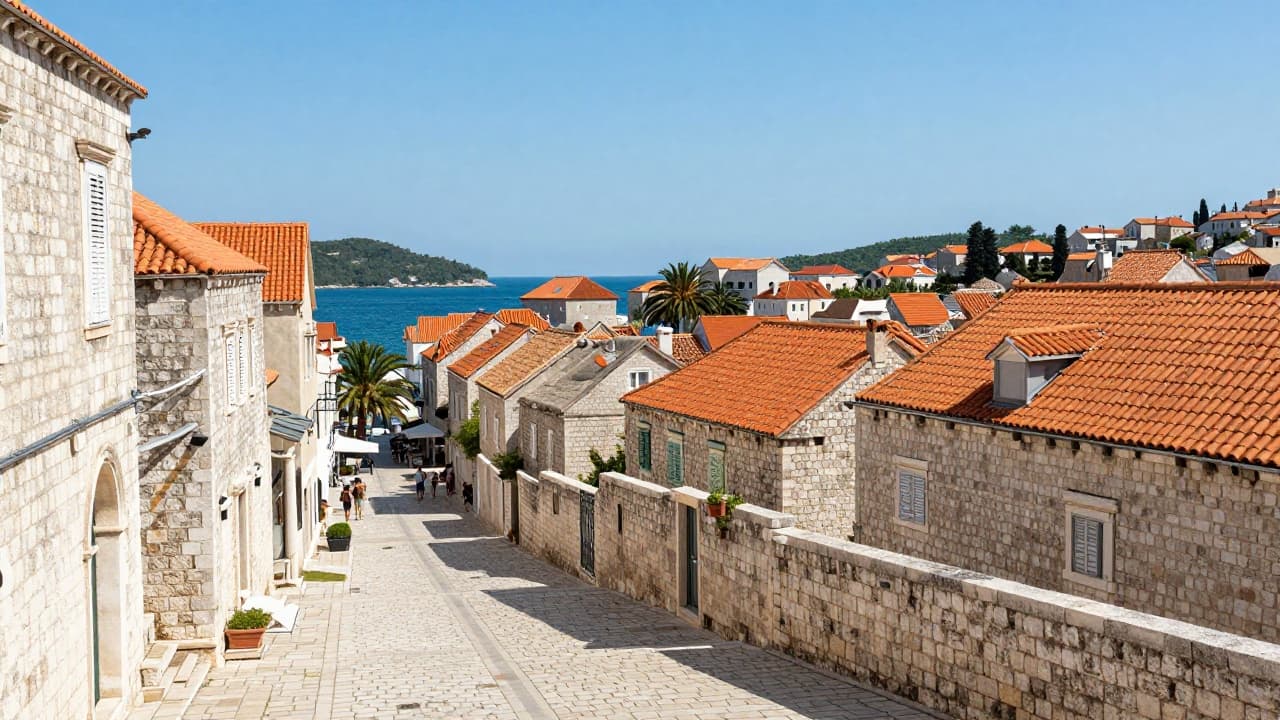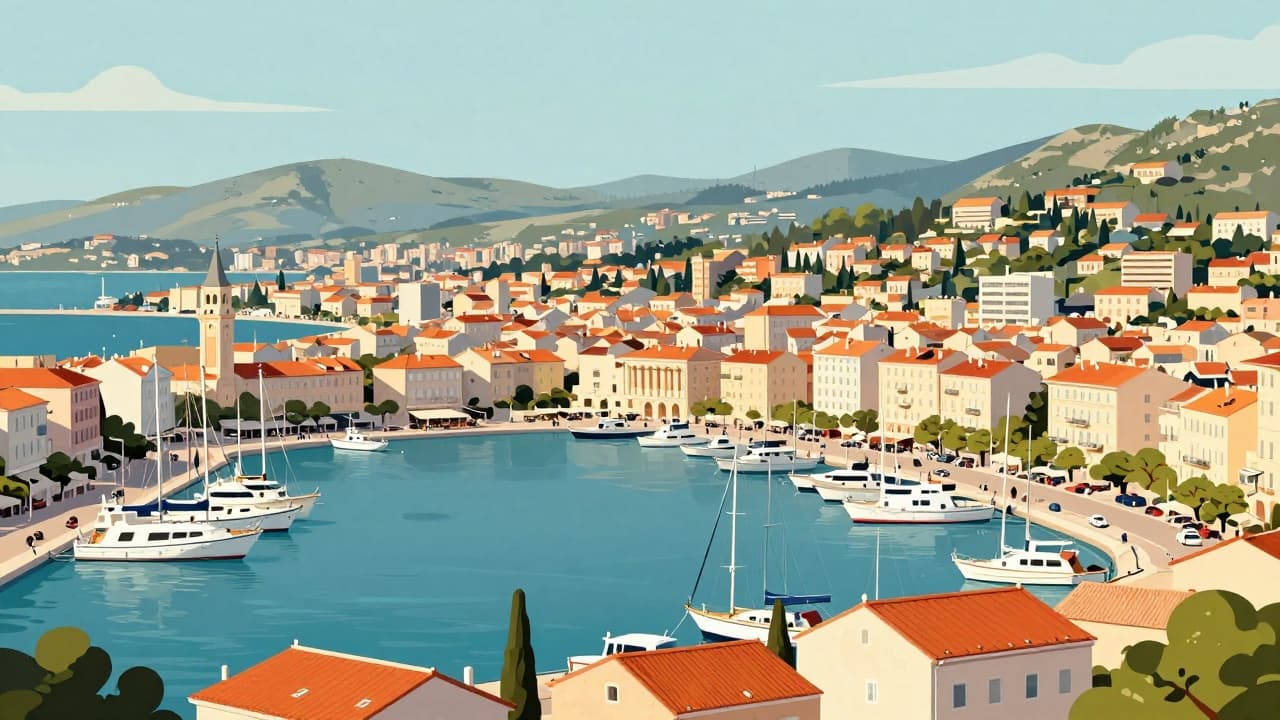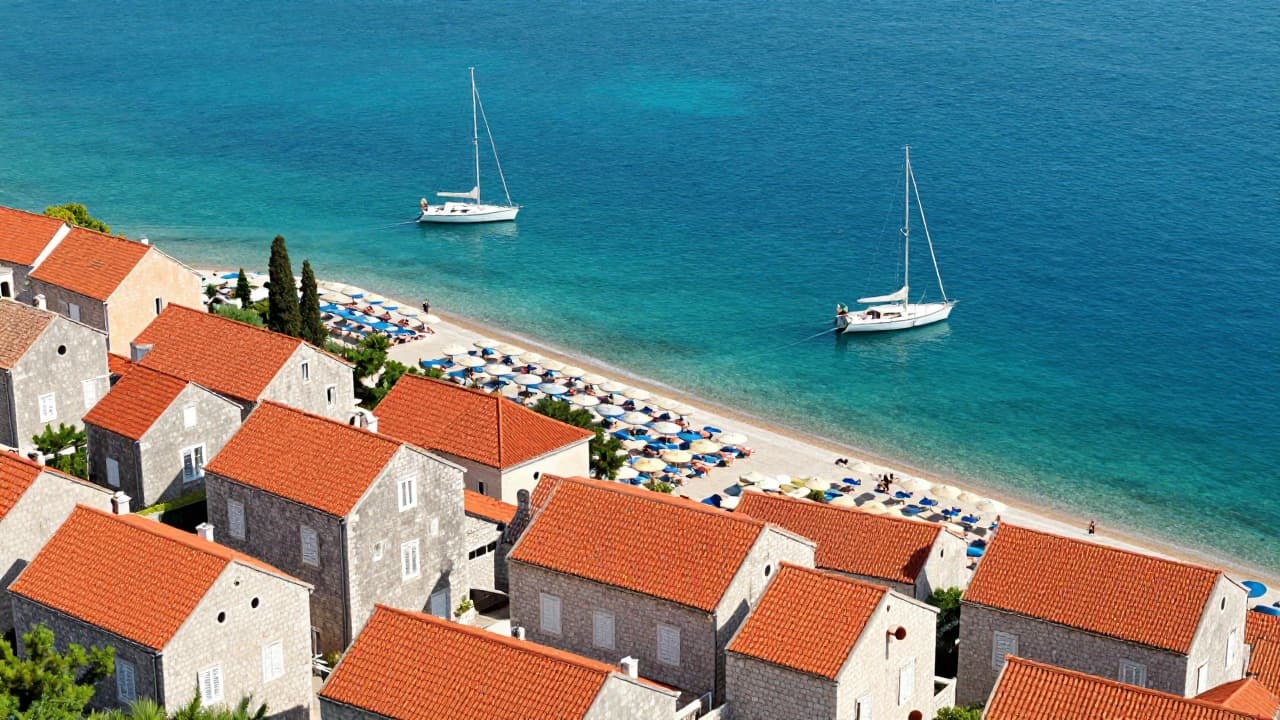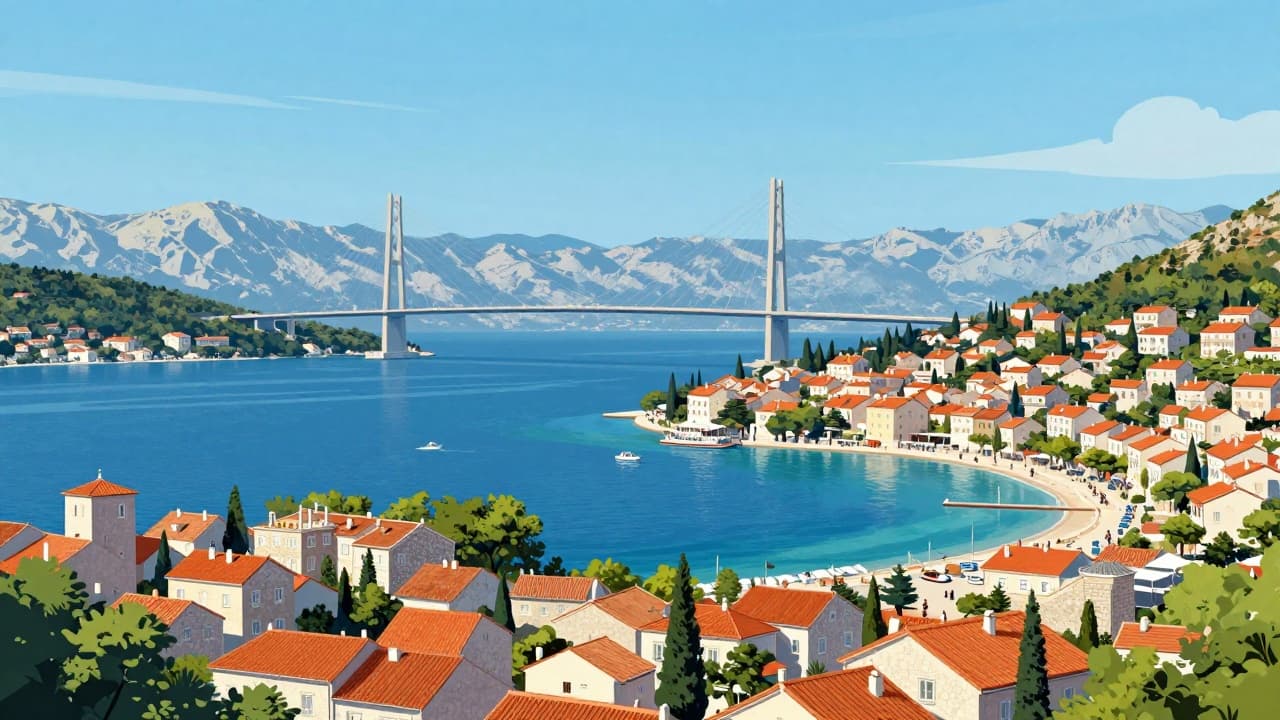
The tourist season on the Pelješac peninsula and surrounding settlements has been marked by significant growth, primarily thanks to the new connectivity provided by the Pelješac Bridge. Small towns in the shadow of the bridge, such as Komarna and Klek on the mainland, and Drače and Orebić on the peninsula, are seeing increasing numbers of visitors. In the municipality of Slivno, which includes Komarna and Klek, more than 110 thousand overnight stays were recorded this year, with guests staying for an average of around a week.
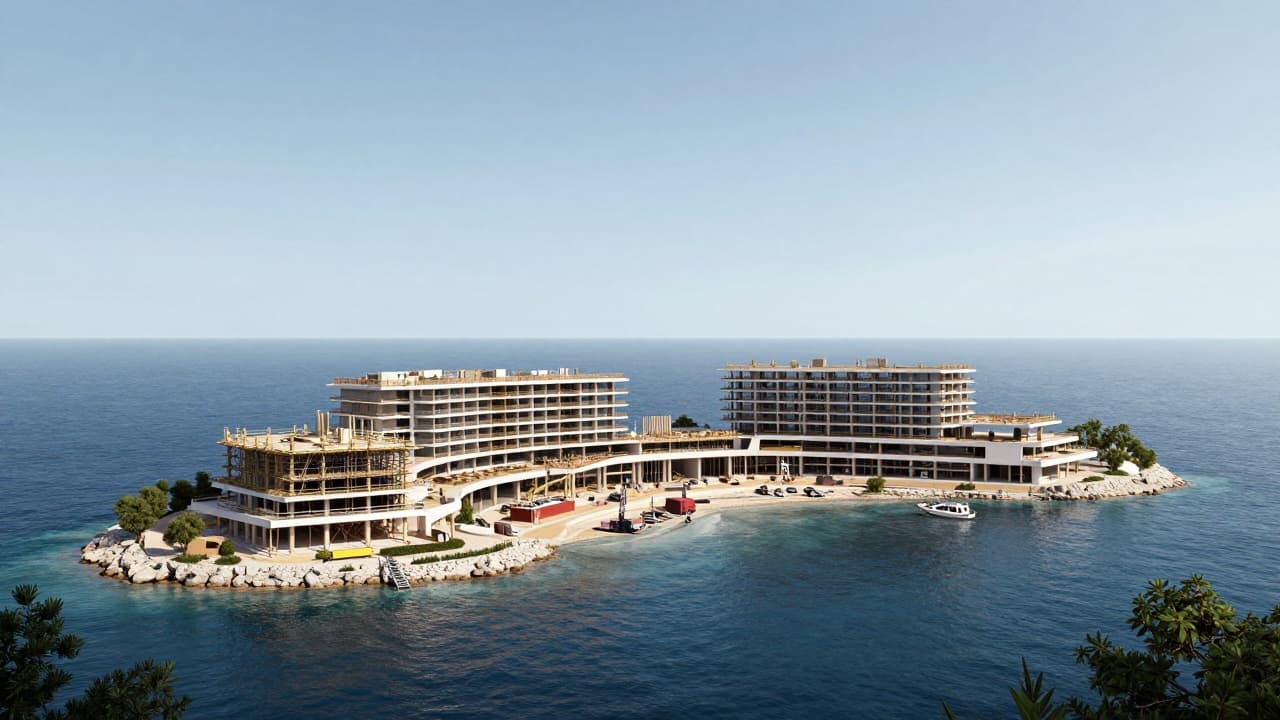
Komarna is transforming from a small coastal town into a serious tourist destination, as evidenced by major investments. Since the construction of the bridge, 16 new building permits have been issued, which Barbara Prović, director of the Tourist Board of the Municipality of Slivno, considers a large number for such a small settlement. The tourist wave is spreading across the entire municipality, with Klek leading in overnight stays compared to neighbouring towns, recording nearly 89 thousand overnight stays last year. Klek is attractive to guests due to its proximity to many other destinations.
On the Pelješac, Drače are also recording growth, building new accommodation capacities for the increasing number of tourists. In the neighbouring municipality of Janjina, the situation is even tighter; Bianca Jasprica, director of the Tourist Board, told HRT that currently every apartment is occupied, and daily inquiries for accommodation are received, always seeking one more bed.
Orebić has remained largely at the same numerical indicators as last season, but there are changes in the national structure of guests. Poles remain standardly first in arrivals, followed by visitors from Bosnia and Herzegovina, Slovenia, Germany and Croatia, while guests from the Czech Republic and the United Kingdom are slowly returning. Mladen Đeldum, director of the Tourist Board of Orebić, revealed these figures to HRT.
Property prices in Orebić are recording the strongest growth on the peninsula, averaging around 3.5 thousand euros per square metre. However, the costs of everyday life remain affordable. Roald Schoutel from the Netherlands, who recently visited Hvar, states that Orebić is 30 to 40 per cent cheaper than that island. On the other hand, Sanjin Rubeša from Rijeka believes that prices have risen with the introduction of the euro and calls for help for those who are trying.
This part of the peninsula is awaiting a new economic and tourist boom, which will also spur infrastructure development. Construction of a new expressway, or the Orebić bypass, and a new ferry port is set to begin soon, further confirming the potential of the region.