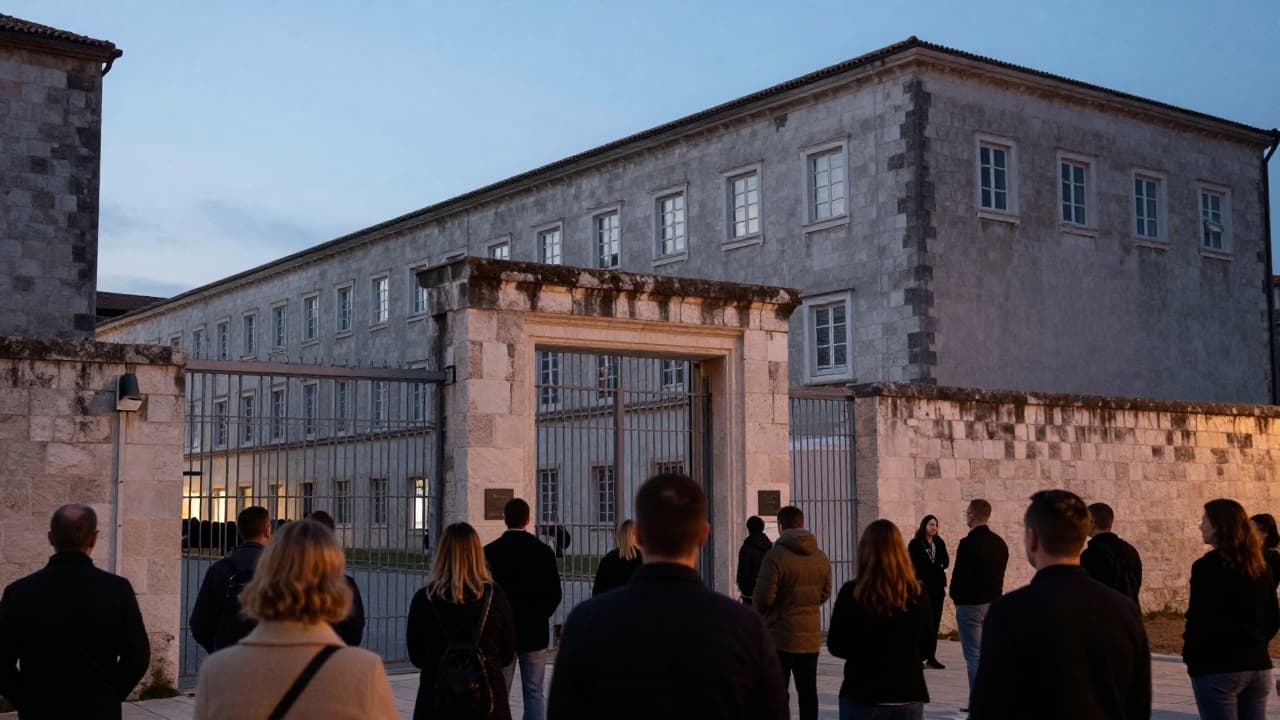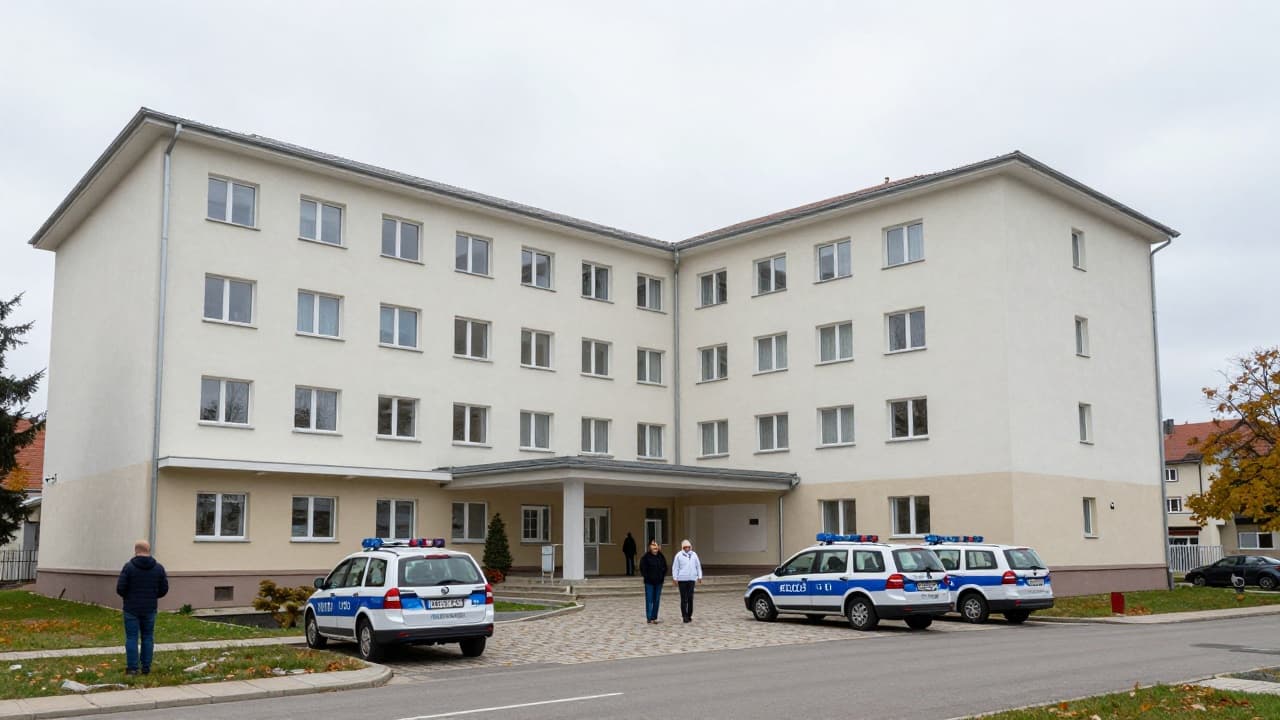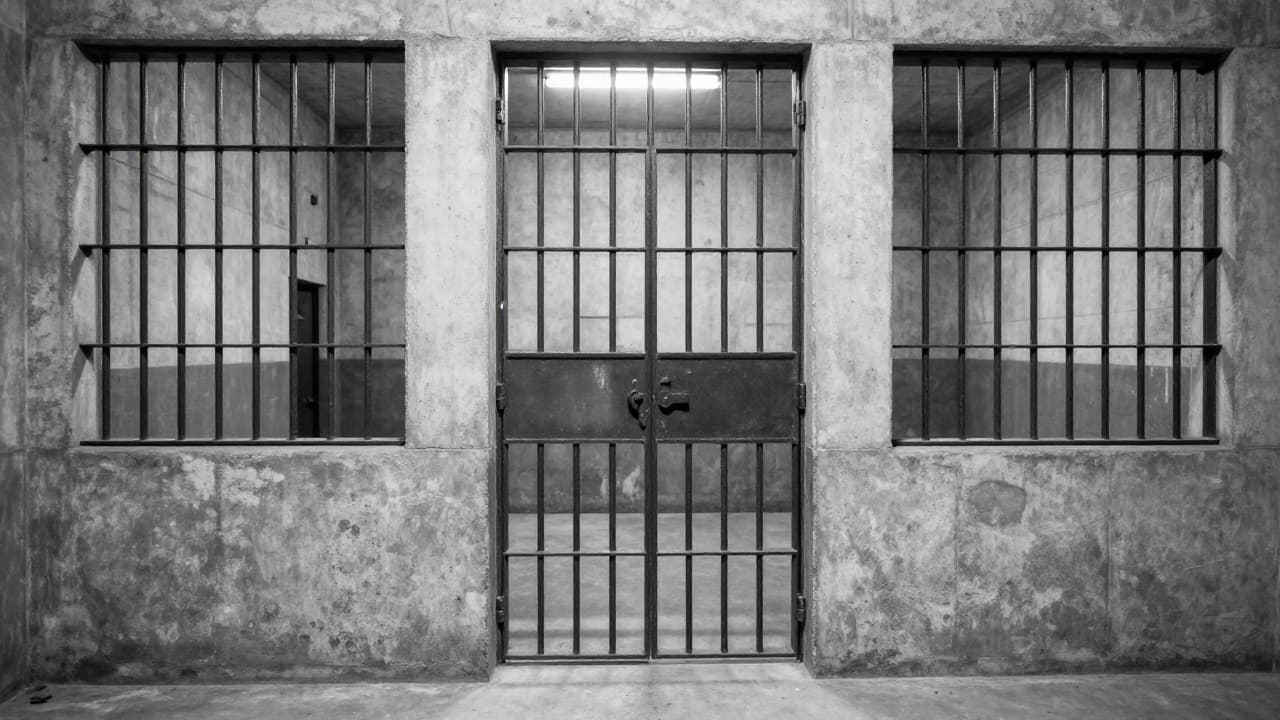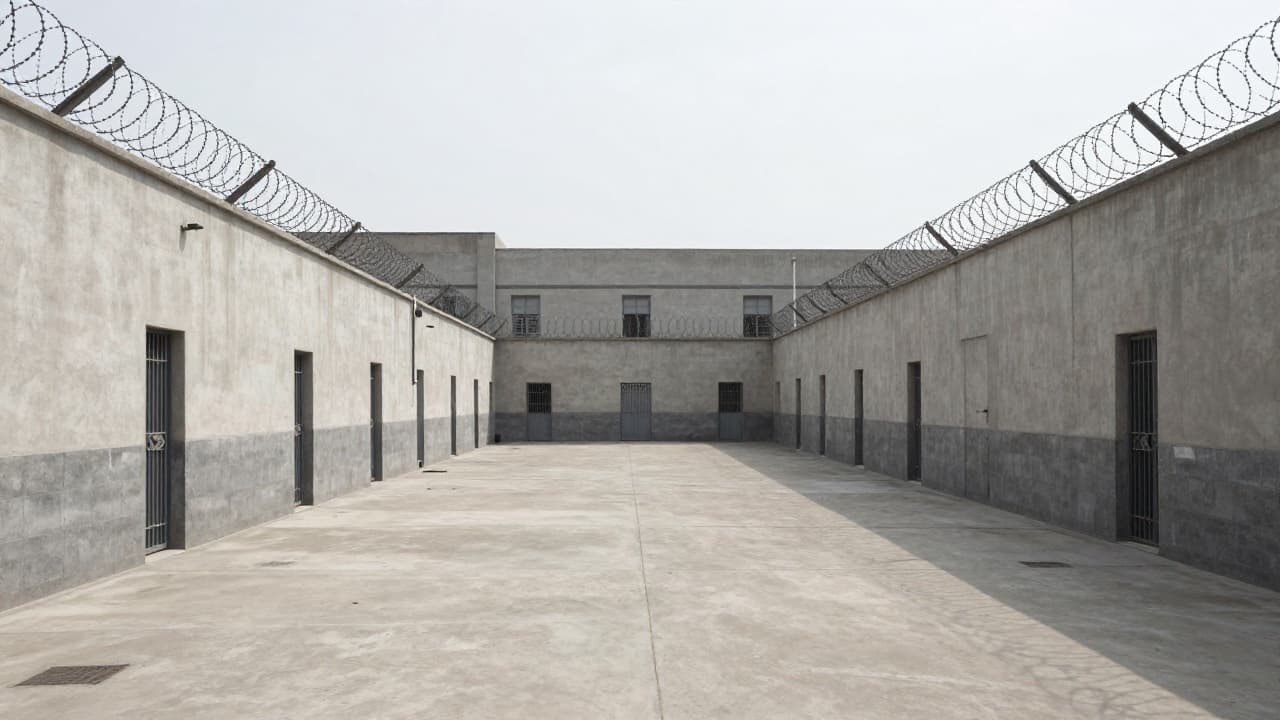
Forty-two inmates and detainees at the Zagreb prison in Remetinec refused to return to their cells this morning after a yard walk, the Ministry of Justice said in a statement. The inmates stated they were protesting against conditions in Remetinec, and according to unofficial information, they cited the number of square metres in which they are housed as the reason for the peaceful protest.
The inmates also stated that many of them do not have their own bed and are forced to sleep on straw mats on the cell floor. After additional judicial police officers were called in, they said they did not want a confrontation and peacefully returned to their cells. They are reportedly set to announce that such protests will continue in a few days if nothing changes.
Jelenko Krešo, spokesperson for the Croatian Judicial Police Union, stated that promised modular prisons are delayed, with spring being mentioned as the deadline for their completion. He said that renovation work has begun on the prison in Bjelovar, but accommodation has not been secured for the inmates, so some were transferred to Remetinec. He added that the same situation occurred with the prison in Sisak, which was demolished in an earthquake, and that not a single new prison has been built in the seven years since.
Krešo emphasised that they have never received information on the actual capacity of Remetinec. According to him, Remetinec was built for 550 people, but other rooms were then converted into cells. According to one judicial police officer, at least 1,000 inmates have always been housed in Remetinec in the last decade, while it is designed to accommodate around 600 people. In certain periods, it received up to 1,100 people, and eight inmates were housed in rooms intended for a smaller number.
The Union warns of a lack of investment in new capacity, highlighting that Croatia has not built a single new prison since independence. During 2025, they warned that additional mattresses were being brought into rooms, and inmates were eating on their beds due to a lack of space. In October this year, they described the situation as the worst in the modern history of the prison system, stating that beds were being placed in corridors and that overcrowding and a shortage of staff were endangering safety.
Under the Act on the Execution of Prison Sentences, every inmate should have at least four square metres of space and 10 cubic metres in the dormitory. The prison system was 126 per cent full of capacity at the end of 2025, and 142 per cent in closed conditions. This corresponds to an average of about 3.17 square metres per inmate, or 2.82 in closed conditions.
Due to inadequate conditions in prisons, Croatia has lost a number of cases before the European Court of Human Rights. The last known ruling was issued in June this year, in the case of Petra Šarca, a member of a drug cartel, who was awarded €5,700 in damages and €1,080 in procedural costs. The highest compensation Croatia had to pay was €15,000 in two cases.
Krešo stated that all governments are equally to blame and that, if something happens, it will be on their conscience. He also sent a message that inaction is a criminal offence. It is worth remembering that the biggest strike broke out in 2008, when around 400 inmates in Lepoglava refused to eat and work for a week, and around 150 inmates in Remetinec and a few in Rijeka joined the strike. In January 2010, around 140 detainees protested at Bilice in Split, and that year female inmates also protested in Požega. In July 2011, Slobodan Đurović, convicted for his involvement in the assassination of Iva Pukanić, went on a hunger strike, and a similar protest was announced by General Vladimir Zagorec. Ivo Sanader also expressed dissatisfaction.