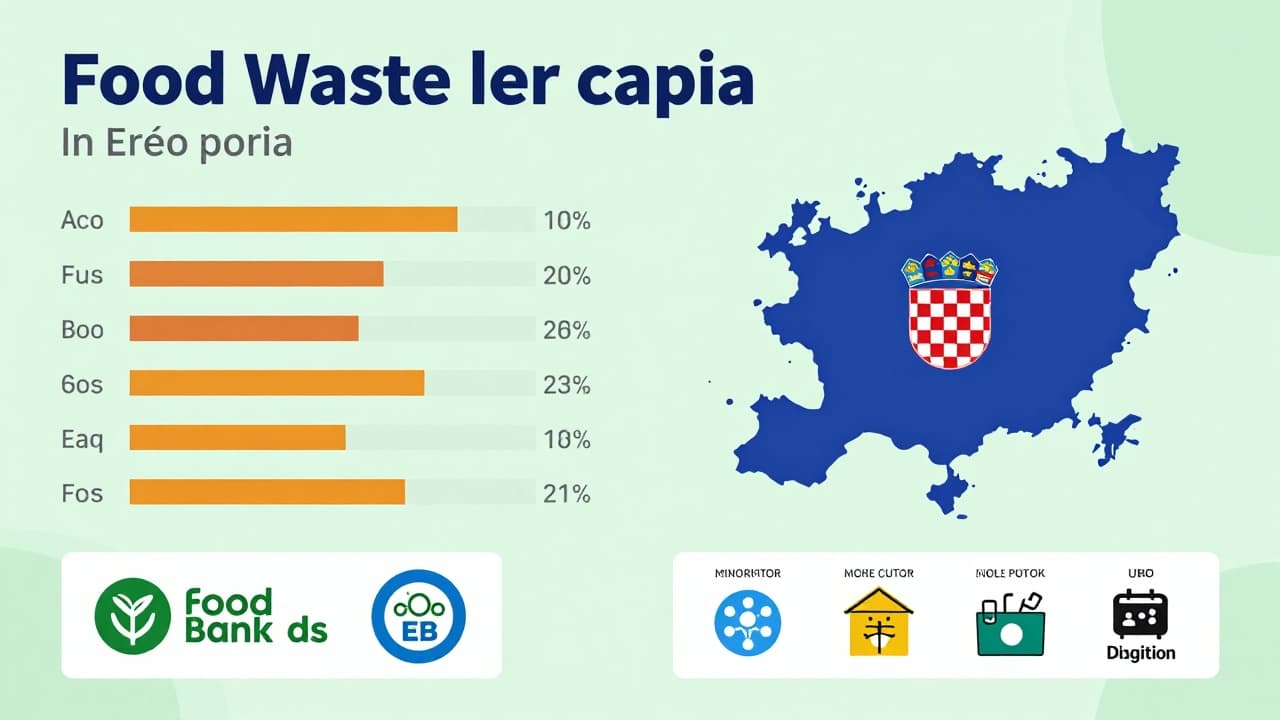
Each resident of Croatia discards an average of 120 kilograms of food annually, amounting to approximately 480,000 tonnes of waste in total. This new estimate deviates significantly from earlier figures, which cited 286,000 tonnes, or 70 kilograms per person. The difference in waste volume is due to more precise data collection methods and corrections for economic entities, resulting in a more realistic picture of the problem in the country.
Despite the rise in domestic statistics, Croatia remains slightly below the European Union average. In the EU, 58.2 million tonnes of food waste were generated in 2023, equating to around 130 kilograms per resident. Although the situation in Croatia is better than the bloc's average, experts warn of the need for a more systematic approach to reducing the disposal of edible foodstuffs.
Food banks play a key role in addressing this issue, linking producers, distributors, retailers, and hospitality businesses with organisations that deliver food to the most vulnerable. In addition to logistics, these institutions conduct education campaigns for citizens and potential donors. The opening of new food banks has increased general awareness of the importance of donating, and citizens are becoming more conscious of their role in the food chain. Thermally processed food and ready meals are most often directed towards public kitchens, shelters, and hostels for the homeless.
Nevertheless, the sector faces serious obstacles. The main challenges for food banks remain financial sustainability, a lack of donated food with longer shelf lives, poor use of digital platforms, and insufficient awareness within the business sector. Despite this, positive trends are visible in major retail chains. Kaufland launched the "Say no to food in the bin" campaign in 2021, reducing waste through more precise inventory planning and staff education.
Kaufland donates products that are safe for consumption but can no longer be sold to registered intermediaries and via the e-Darivanje system. Over the past seven years, the chain has donated more than 1,700 tonnes of fruit and vegetables, over half a million food products nearing their expiry date, and more than 1.12 million bakery products. In 2025, a significant surge was recorded: the volume of donated bakery products and fruit rose by 25 per cent, while the number of donated products nearing their expiry date jumped by 130 per cent compared to the previous year.
A digital solution in this sector is the Crumbs.hr platform, backed by Antonio Matušan. The service allows restaurants, bakeries, and cafes to sell surplus food at reduced prices. Today, the platform has more than 500 partners, demonstrating the growing acceptance of the model of reducing waste through commercial channels rather than disposal.