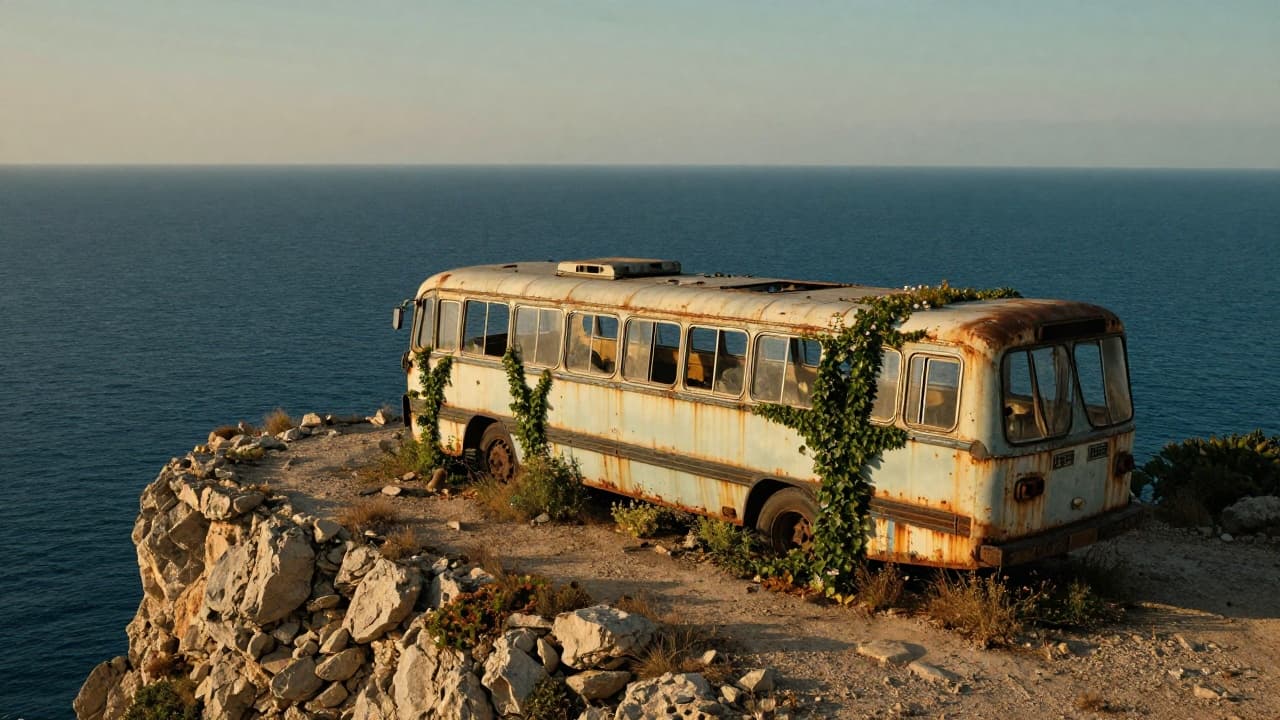
Twelve years ago, an event occurred on the island of Mluet that has been etched into local history. At that time, with the support of the renowned skier Ivan Kostelić, a bus was left at the site. Although Kostelić is known for winning numerous medals, including those from the highest podium, his role at that moment was to support an action that had deep ecological and aesthetic dimensions.
The story behind this bus, which has become a symbol of the location, is actually one of love. It is a love for nature, but also for the vehicle, which is a key element for understanding the entire context. The bus, which was part of public transport, is no longer in service, and its presence in the location has become permanent, yet controversial, in the landscape.
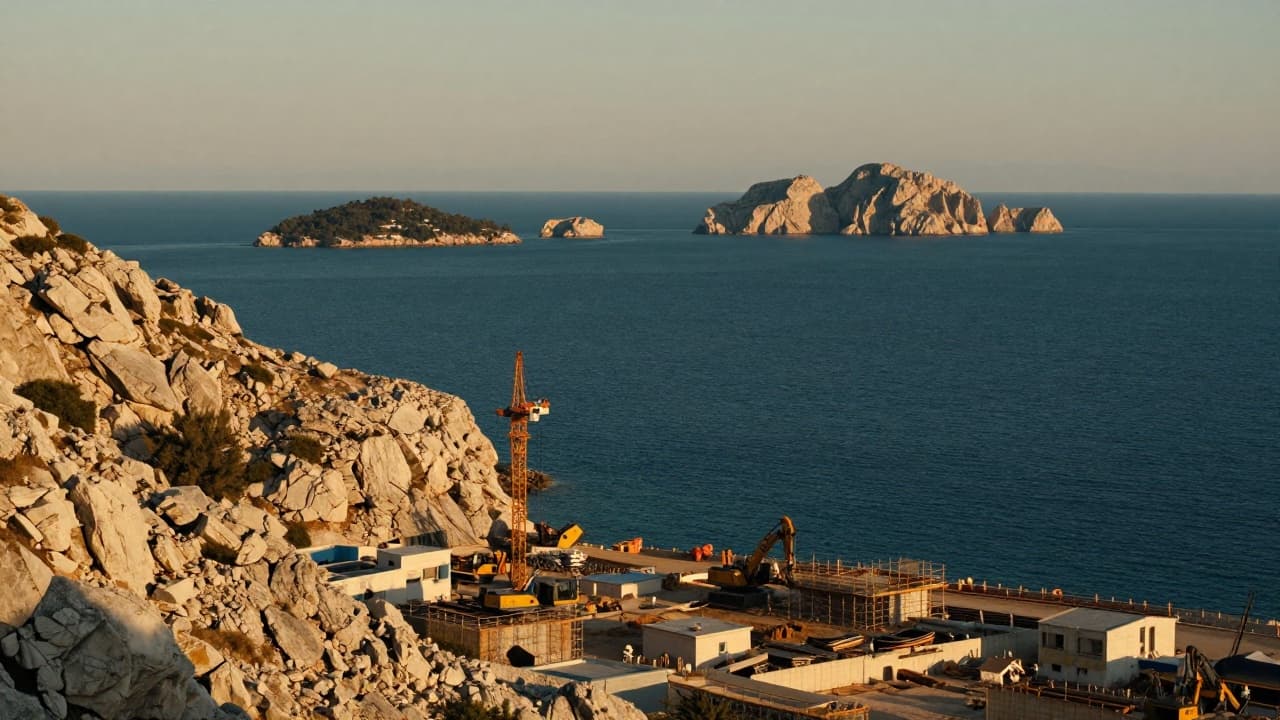
Twelve years ago, the idea of clearing vehicle waste on the island of Mljet was already underway. At that time, with the support of the local community, hundreds of vehicles were retrieved and disposed of. However, the technology used to cut the remaining vehicles proved more complex than expected. The local authority, which usually resolved issues on public and state land, faced challenges with private property, where procedures were slower and more complex.
Today, the municipality of Mljet is waiting for the end of the fire season, as the technology for cutting vehicles must be adapted to the specific conditions on the island. The bus, which was once in operation, now stands as a monument to the past, reminding us of the time when it was in use. Its removal, although administratively simple, requires careful planning and respect for the natural constraints of the island.
Behind this story stands the figure of Romeo Ivšević, a professional photographer who collaborates with specialised automotive magazines. He photographed Ivan Kostelić in 2007, an image that has become a symbol of that era. Although the photograph is static, it tells a story of love for the vehicle, and also of love for nature, which is the key thread connecting all elements of this story. Although the bus is no longer in use, its presence remains a permanent part of the local identity, reminding us of the time when it was in use, but also of the love for the vehicle, which is key to understanding the whole story.