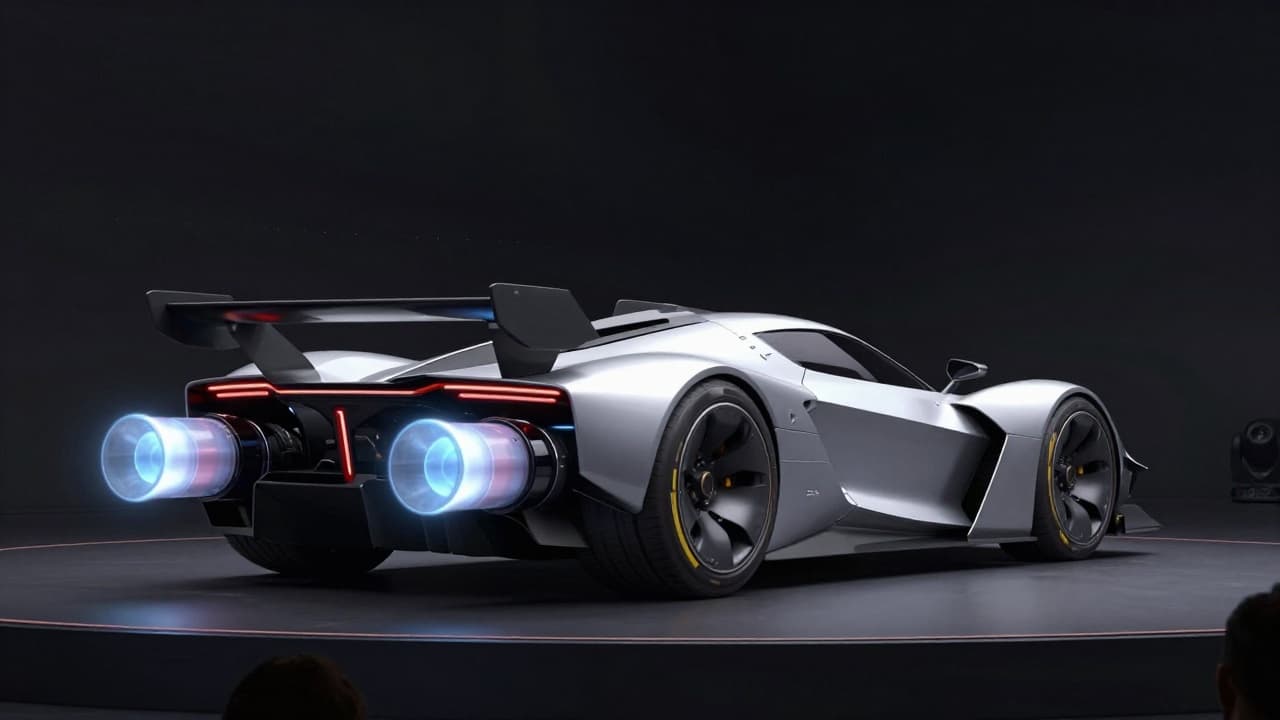
Formula 1 has reached an agreement under which V8 turbo-hybrid engines will replace the current power units in 2030, the governing body FIA announced on Friday. All F1 power unit manufacturers have "committed" to the 2.1-litre engine proposal, which features a smaller electric component than this year's.
According to the FIA statement, "advanced sustainable fuels", which were used for the first time this year, will continue to be used, and the engine will be "designed to be lighter, simpler and more cost-effective than ever". Some details still need to be resolved, but the core of the regulations has been agreed. The electric part will have a maximum power of 200 kW, compared with 350 kW this year. Only half of that power will be constantly available, while the other half will be used in overtaking mode.
A key element of the regulations will be the elimination of the energy "hunger" issue, which led drivers to criticise the loss of "pure" racing this year. The total engine power will remain similar to the current setup. The internal combustion engine will have around 780 hp, while 200 kW equates to 270 hp. This means a total power of 1,050 hp in overtaking mode, or just over 900 hp in standard operation.
FIA President Mohammed Ben Sulayem stated that the agreement "marks a significant turning point in shaping the future of Formula 1". "From the start, it was clear to me that I wanted a sport that is more competitive and exciting for our fans, while remaining at the forefront of innovation and sustainability", he said. He added that the return of the V8 engine represents an opportunity to reconnect with the DNA of this championship and brings the sound, emotion and pure racing that is loved around the world. "Our vision is clear: lighter, simpler and more accessible cars that put driving skill at the heart of the competition", Ben Sulayem said, thanking everyone for their cooperation.
McLaren Racing CEO Zak Brown said that everyone is "very, very excited", primarily about the power units, but also about the many other things they are continuing to develop for the sport. "The FIA and Formula 1 are doing a great job", he assessed. The new package of regulations is actually a compromise among manufacturers after Ben Sulayem initially advocated for an atmospheric engine without turbo and electric components. He first wanted an atmospheric V10, which manufacturers rejected in March last year, and then turned to a V8 engine, but manufacturers wanted to keep both the turbo and hybrid elements and spent most of this year working on an agreement.
This culminated in a proposal document presented to manufacturers before last month's US Grand Prix, which was discussed and agreed in principle at meetings last week. The turbo was important for reducing total fuel consumption, and thus weight at the start of races. In a broader context, this, together with the electric element, ensured that the engines remain relevant for road vehicles.
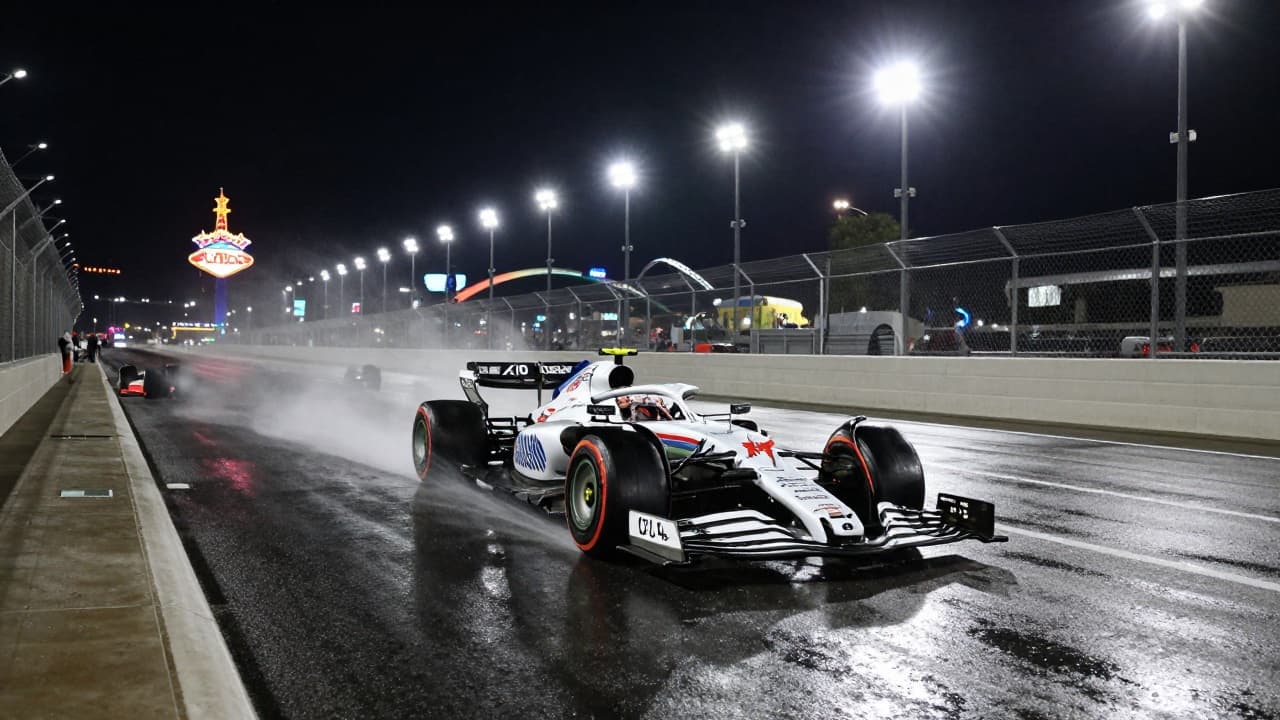
The plan means that Ben Sulayem's desire to return to the loud noise of the V8 engine era from 2006 to 2013 will probably not be realised. The engines are expected to sound similar to how they do now. This was important because a significant increase in engine noise would jeopardise some races in city centres that are commercially important for F1, such as Miami and Las Vegas. However, this move represents an admission that the engine regulations introduced this year, with an almost 50 per cent split between internal combustion and electric power, were a mistake.
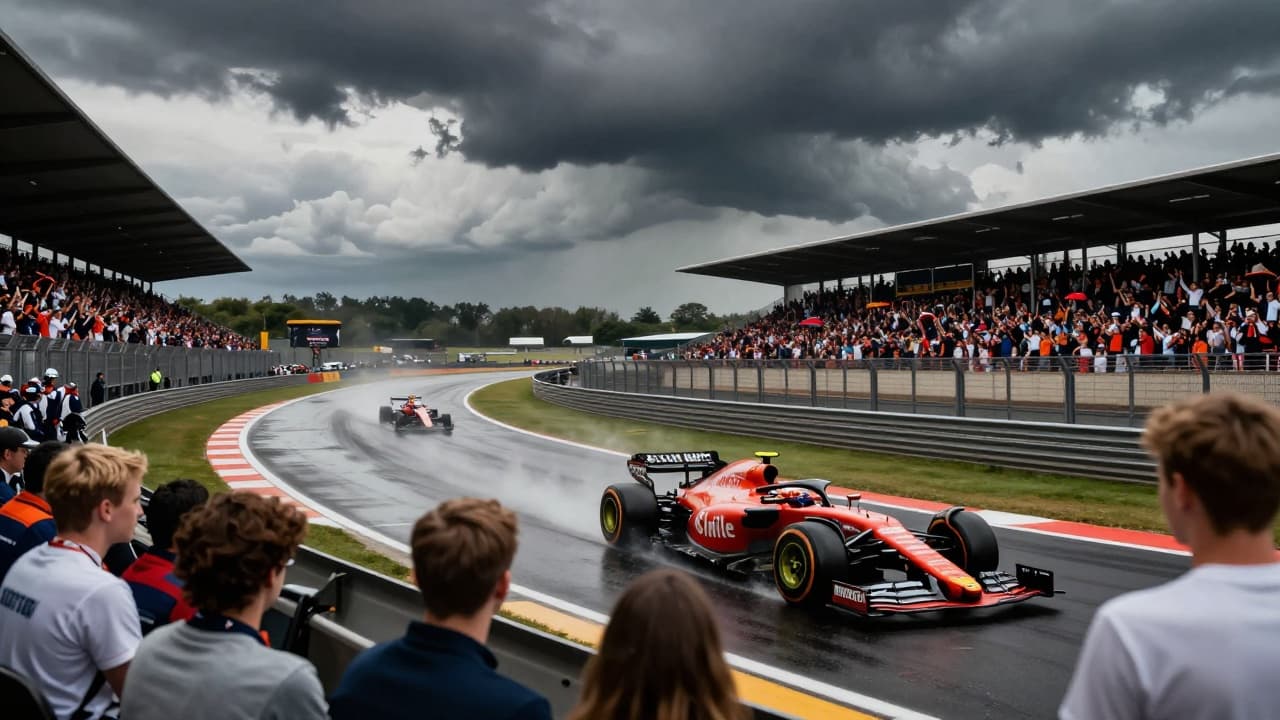
That split, in combination with other decisions on car architecture, led to engines lacking energy, with power often dropping before the end of straights as batteries empty and electric motors switch to charging. Drivers called this "anti-racing", which includes the new phenomenon of cars regularly swapping positions due to different levels of charge.
The 2.1-litre capacity was chosen because adding two cylinders to the current 1.6-litre V6 blocks aims to reduce development costs. It is expected that race cars will start with around 110 to 120 kg of fuel, compared with approximately 100 kg currently. A weight limit for power units of 150 kg will also be mandated, which is a reduction of around 30 kg compared with current engines. A fuel energy flow limit will be set to keep the internal combustion engine power under control, and the budget cap for engines will be $190 million annually. The goal is to reduce the total car weight to less than 700 kg from the current 768 kg, with driver but without fuel.
As part of the negotiations, General Motors, the backer of the Cadillac team, will delay the production of its new engine to 2030. It was previously scheduled for 2029. In return, GM will lose voting rights on current engine regulations and be classified as a new manufacturer from 2030. The team will continue to use Ferrari customer engines until 2029. Cadillac F1 CEO Dana Towriss said they had been working on both solutions for some time and already have a V6 base on which they can build towards a V8. "Many designs are now in motion, so there is a solid foundation for what we are trying to build and the direction we are heading", Towriss said.