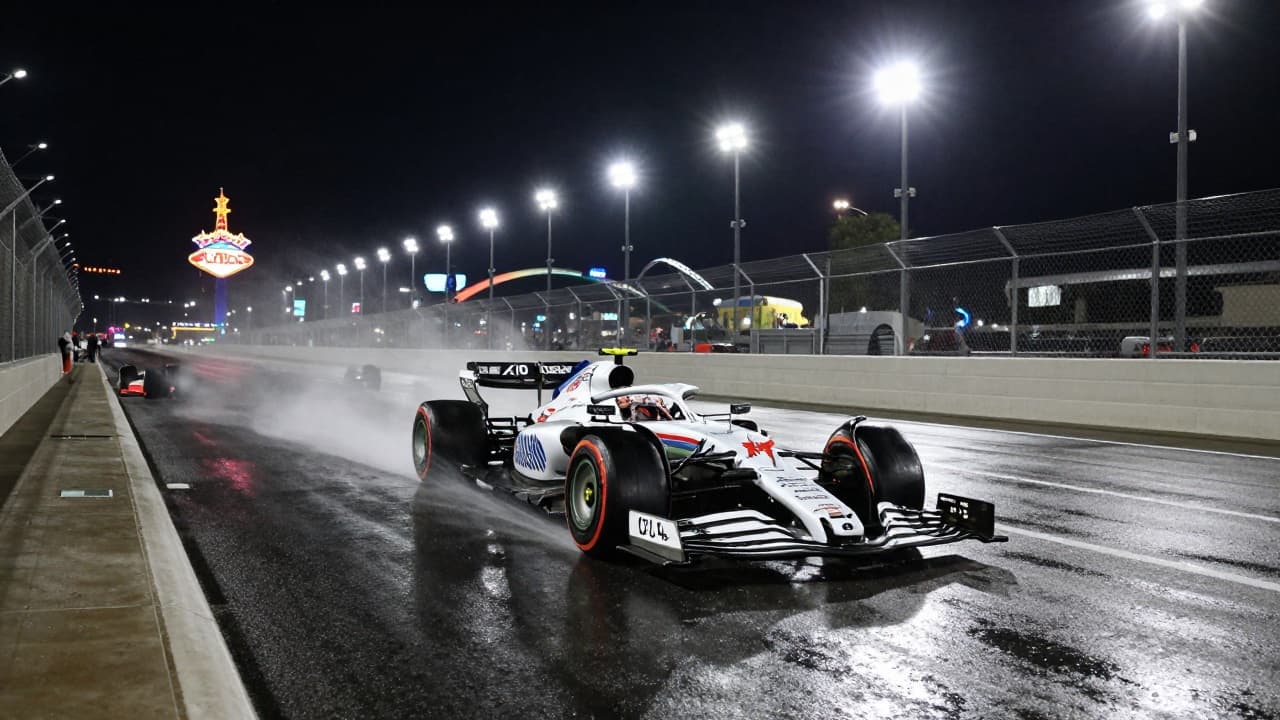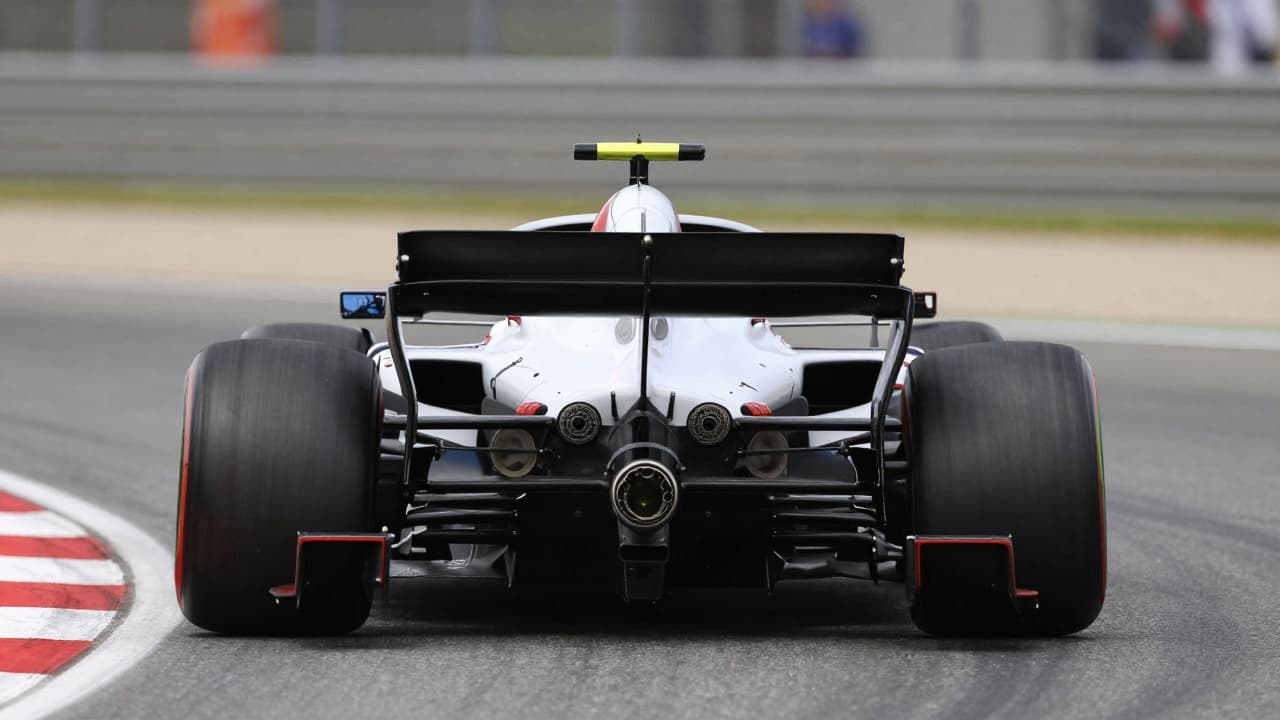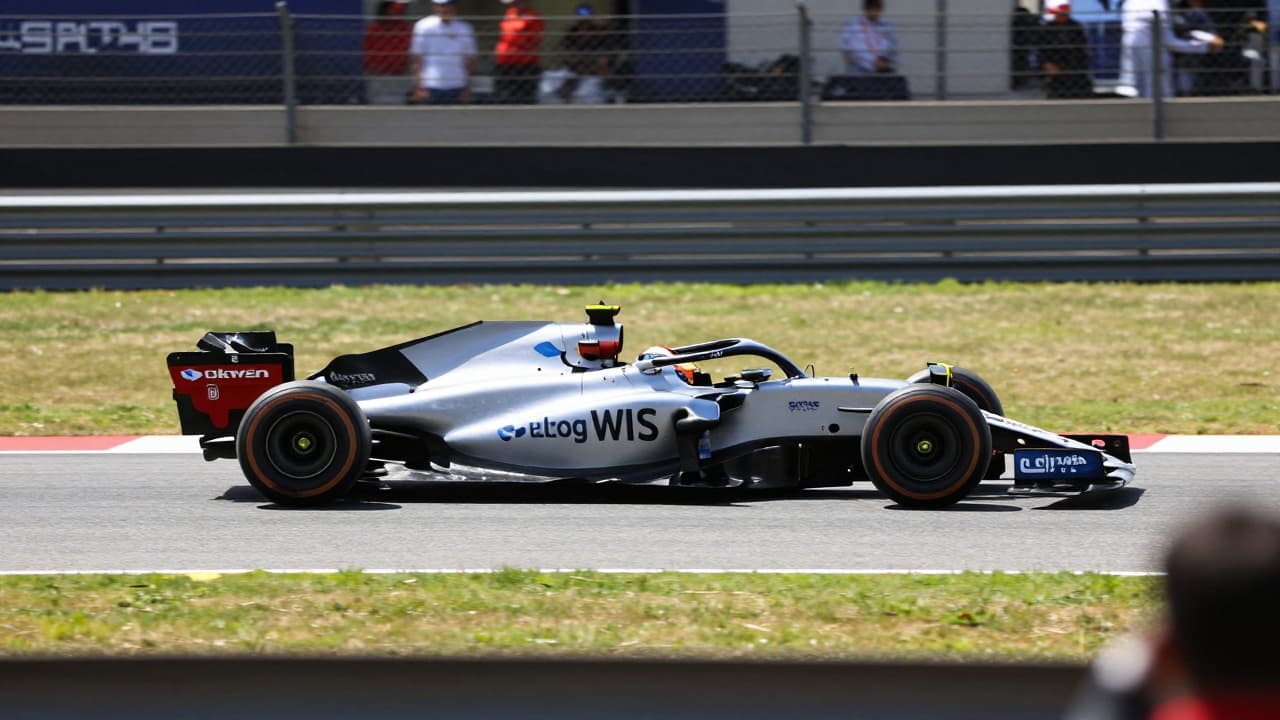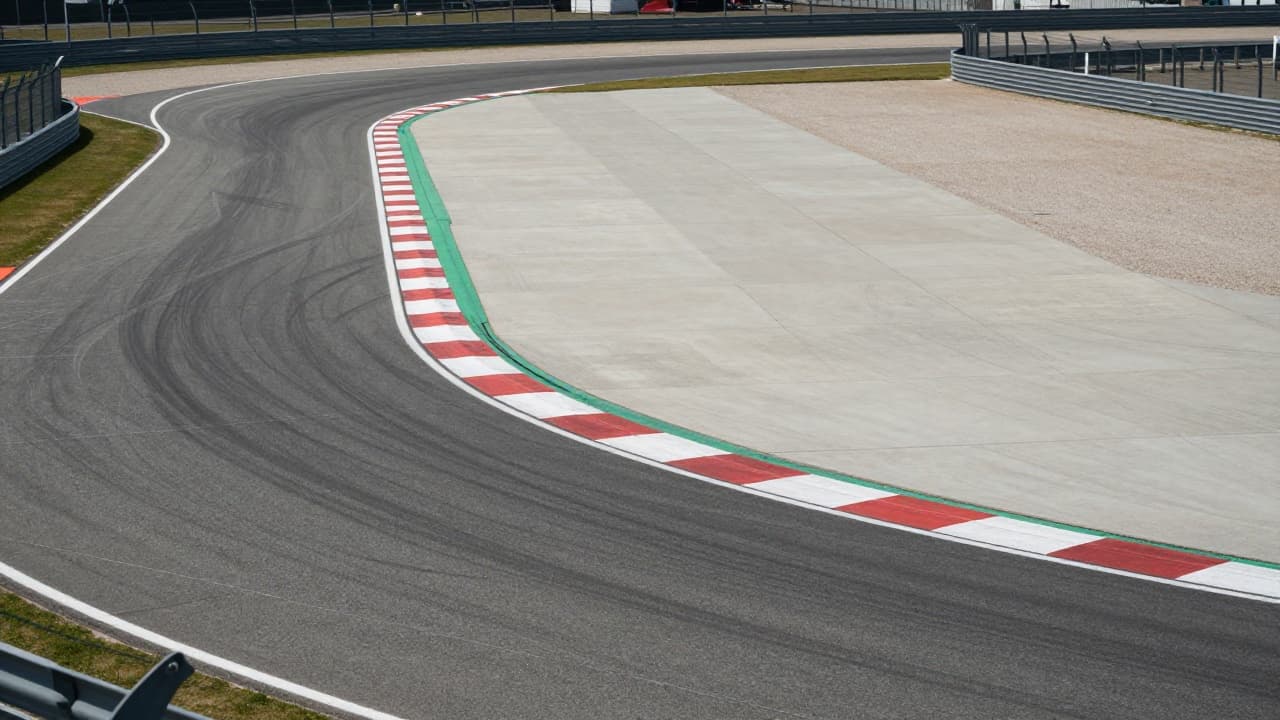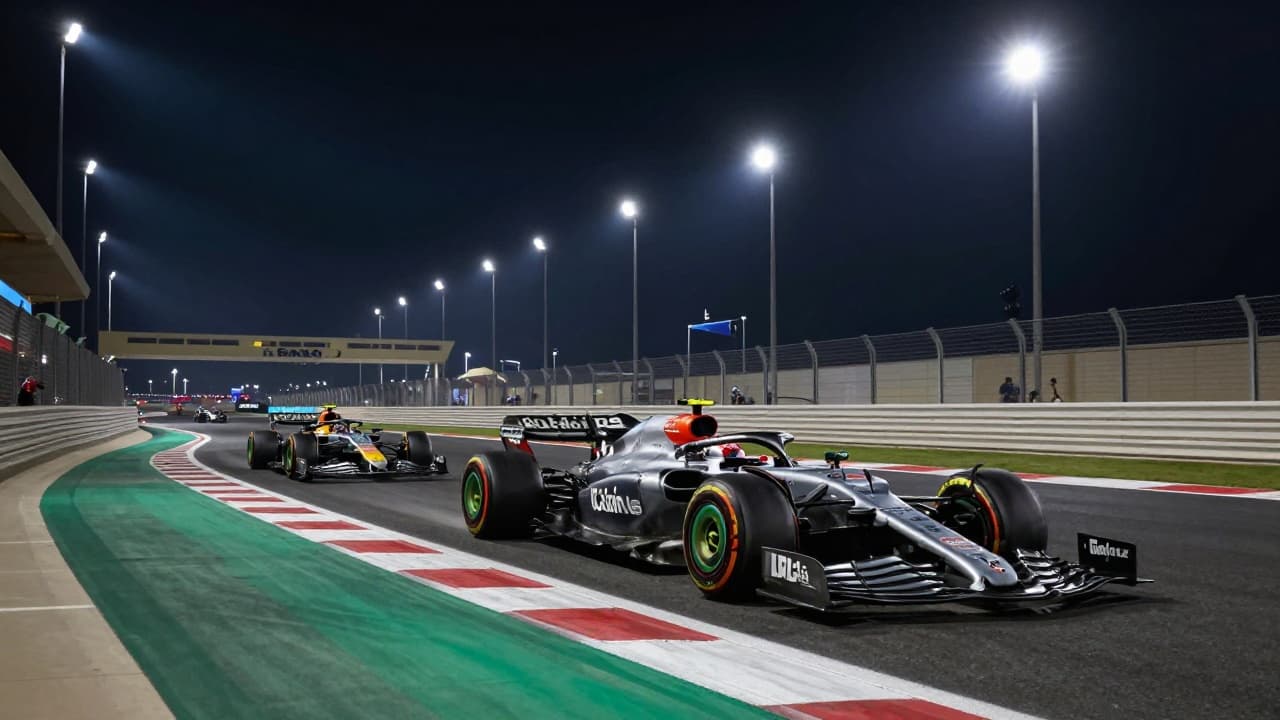
Formula 1 drivers will be able to cover a maximum of 27 laps on a single set of tyres at the next Grand Prix in Qatar. The decision was made due to concerns over the integrity of Pirelli’s tyres on the fast Lusail circuit, which features a series of demanding long-duration corners.
Because of this limit, teams will have to make at least two pit stops during the 57-lap race, as was the case last year. The restriction applies to an individual tyre set whenever it is used during sessions, and mileage covered in practice or qualifying reduces the number of laps that can be driven on that set in the race.
Pirelli stated that the limit is longer than last year’s 25 laps due to reduced downforce levels on cars from 2026 compared to 2025. “The increase was enabled by lower load levels recorded so far on the current generation of cars and additional reinforcement of the tyre construction,” Pirelli said.
Last year, this limit led to a major strategic error by McLaren, which lost the win because it did not pit during the safety car period, while all others did. Pirelli is introducing a tyre life limit in Qatar for the third time in four years.
Pirelli described the decision as a “preventive measure” that is “linked to the unique characteristics of the Lusail circuit, which is particularly demanding in terms of energy loads, thermal stress and tread wear.” In addition to the speed of the circuit, driving wide over the flat kerbs is also particularly hard on the tyres.
Laps will be counted cumulatively across all sessions on the circuit, including laps driven under safety car or virtual safety car. The total sum includes all laps from the start signal to the finish, while laps for reconnaissance, formation laps and laps driven after the end of the race are excluded. In all other sessions on the circuit, every started but unfinished lap is still counted as a full lap. If a team assembles a tyre set from tyres with different mileage, the total mileage of that set will be determined by the tyre with the highest number of laps.